Introduction
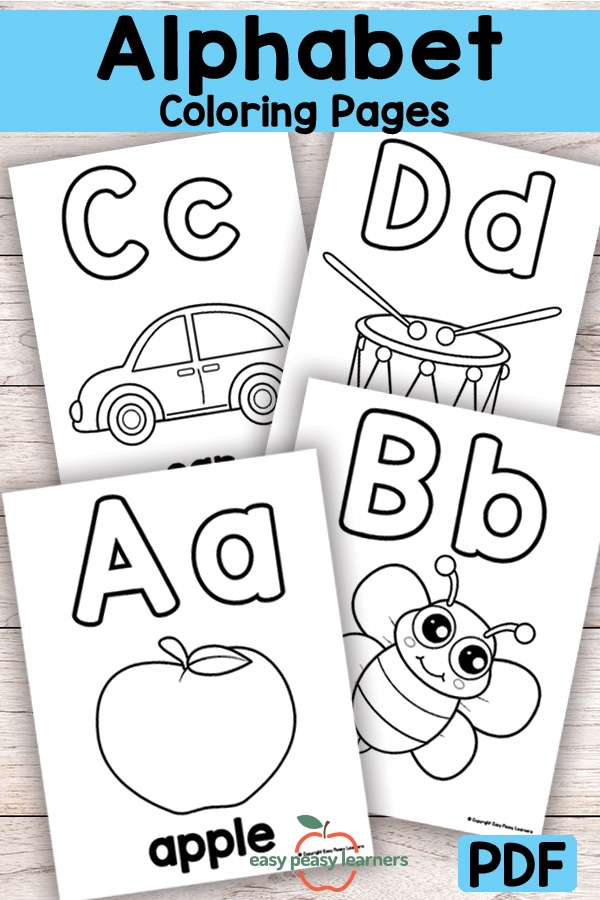
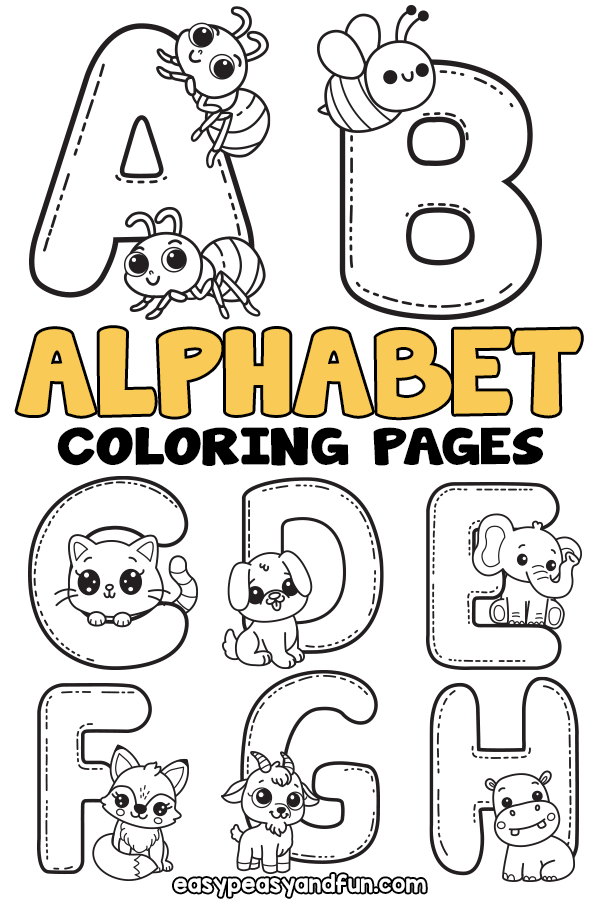
Coloring pages alphabet searches involve accessing visual letter-based printables and digital assets that require strict adherence to institutional cybersecurity policies and verified safe web domains. According to ConnectSafely, protecting children online requires continuous education regarding safe resource collection and avoiding unverified third-party repositories. Educators, parents, and school administrators must navigate these queries carefully to maintain robust Internet and Digital Safety standards across all campus and home devices. Utilizing standard alphabet coloring sheets provides a productive screen-free break or structured digital citizenship exercise without exposing minors to intrusive trackers or malicious pop-up advertisements common on unvetted activity sites.
Digital Safety Snapshot:
- Core Focus: Safe retrieval and classroom integration of coloring pages alphabet assets.
- Target Scope: Schools, homes, and digital literacy instruction for young learners and middle school mentors.
- Key Recommendation: Restrict student browsing to pre-approved educational repositories and vetted Worksheets platforms.
Core Principles and Detailed Overview
Managing coloring pages alphabet queries effectively requires understanding the underlying mechanics of search engine optimization risks and malicious keyword stuffing. Cyber actors frequently manipulate benign educational terms to redirect users to phishing sites or distribute adware disguised as free printable resources. Educational leaders and school administrators must deploy web filters that restrict access to unauthorized domains while ensuring that elementary and middle school students understand how to evaluate digital safety signals. Integrating structured Coloring Pages into a broader curriculum allows teachers to monitor student device usage, enforce device hygiene, and foster critical evaluation skills regarding online content creation and sharing.
Key Specifications and Breakdown
| Safety Pillar | Digital Risk Factor | Actionable Protective Habit |
|---|---|---|
| Domain Verification | Malicious redirects and lookalike educational portals | Utilize centralized, bookmarked district resource repositories |
| Device Hygiene | Adware and tracking cookies on unvetted third-party sites | Clear cache regularly and maintain updated enterprise-grade browser extensions |
| Classroom Balance | Excessive passive screen consumption during foundational skill building | Alternate between physical tactile media and moderated digital creation tools |
Establish strict enterprise-level URL filtering and teach students to recognize validated educational domains before downloading any instructional assets — Cybersecurity & Infrastructure Security Agency (CISA)
Step-by-Step Practical Application and Guidelines
Executing safe resource gathering involves a systematic approach that minimizes cybersecurity vulnerabilities while maximizing educational value. Schools should curate centralized digital folders containing pre-vetted alphabet templates so students never need to perform open-web searches for simple printables. Teachers must instruct middle school peer mentors to guide younger students away from ad-supported generators that request personal information or account registration. Furthermore, educators need to balance screen time by printing physical copies of these graphic materials, reducing digital eye strain and reinforcing fine motor skills alongside foundational literacy.
Common Challenges and How to Avoid Them
Navigating unvetted web portals often exposes institutional networks to malvertising, phishing vectors, and accidental data exposure during resource retrieval. Educators frequently struggle with students bypassing school filters to access free download sites that harbor hidden tracking scripts or aggressive pop-ups. To mitigate these risks, IT administrators must block unclassified file-sharing networks and mandate that all printable downloads originate from verified district-approved domains. Maintaining proactive oversight ensures that digital literacy lessons remain secure, compliant, and focused entirely on positive educational outcomes without compromising school network integrity.
💬 Frequently Asked Questions
Explore More Kids Safety and Digital Citizenship Guides on SafeWiredSchools
Promoting a secure and balanced digital environment requires ongoing education, robust policy implementation, and proactive community engagement. Educators, parents, and administrators can access additional expert strategies, comprehensive compliance frameworks, and protective digital literacy tools by visiting the primary resource library at Safe Wired Schools to safeguard every student online.
Printable Coloring Page Previews