
Introduction
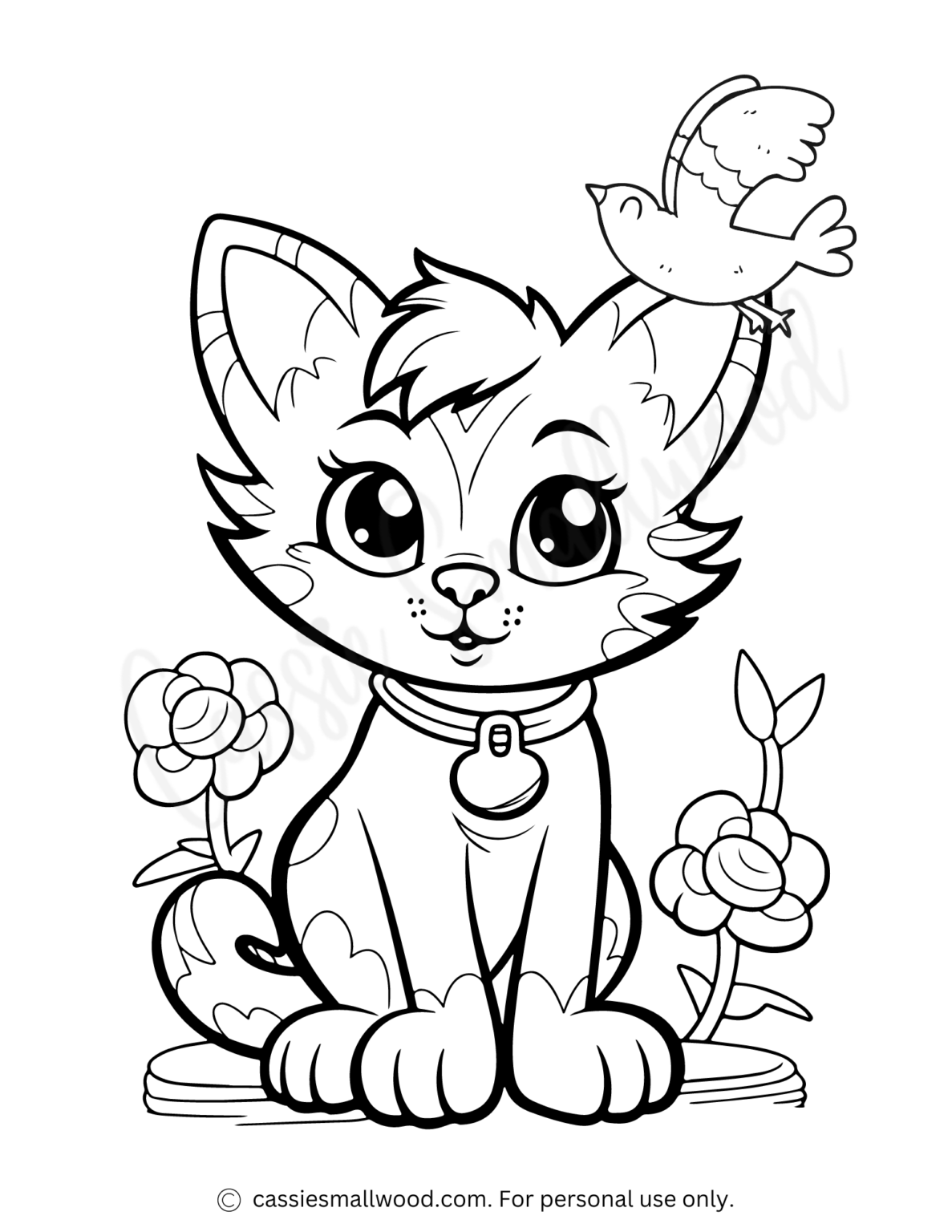
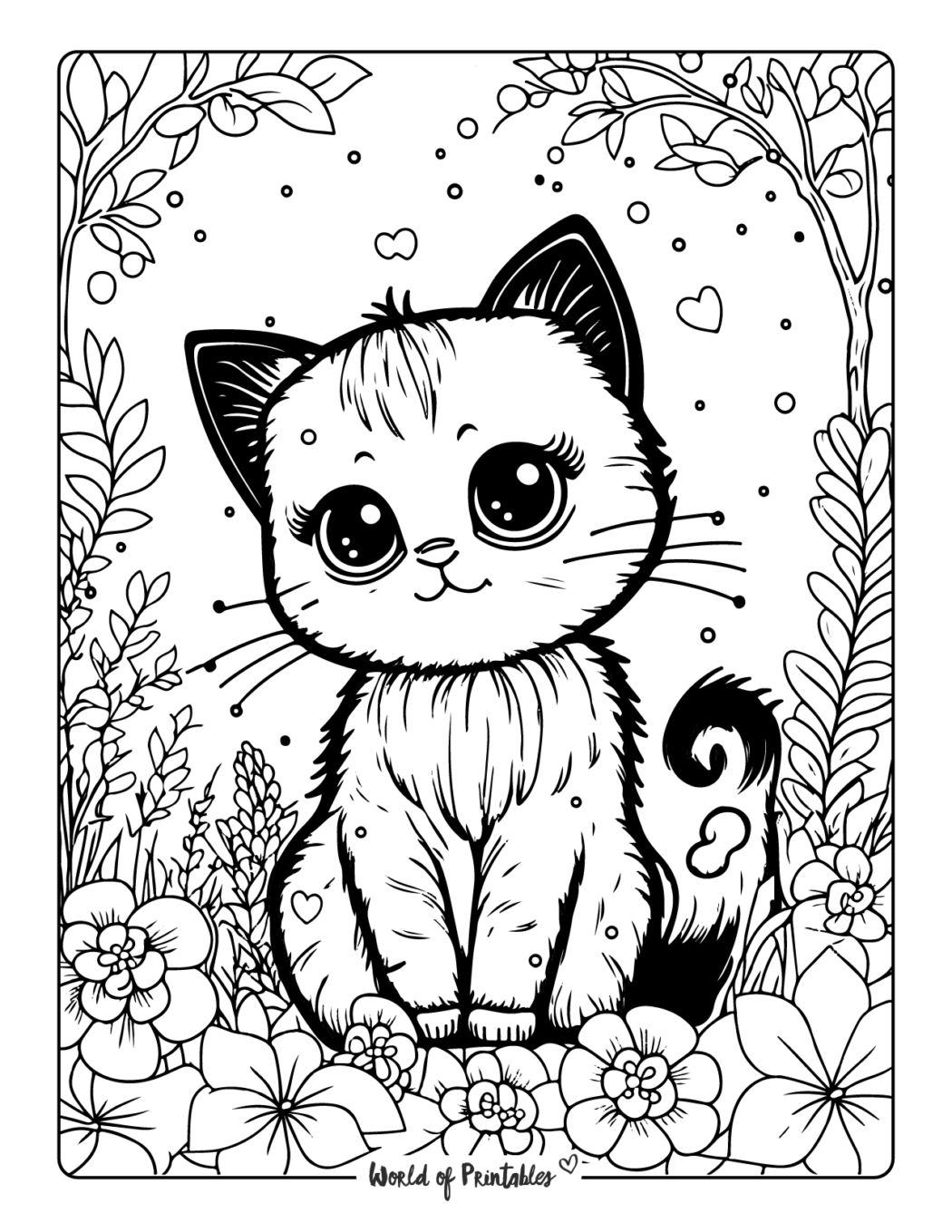
Coloring pages cat materials are targeted educational printables designed to build foundational fine-motor control, hand-eye coordination, and early visual discrimination skills in young children. According to the National Association for the Education of Young Children (NAEYC), developmentally appropriate practice involving manipulative arts and structured coloring activities successfully supports spatial awareness and early muscular endurance required for later academic tasks. Educators frequently leverage feline-themed illustrations within Coloring Pages collections because familiar animal subjects naturally engage children, sustaining attention spans during prolonged desk work or center rotations. Integrating these targeted printables into daily instruction provides a reliable pathway for practicing pencil grip, boundary control, and bilateral hand coordination without overwhelming young learners.
Curriculum Practice Snapshot:
- Core Focus: Fine-motor skill refinement and pencil control utilizing feline-themed illustration templates.
- Target Scope: Early childhood settings, preschool classrooms, kindergarten, and homeschool primary environments.
- Key Recommendation: Pair themed coloring tasks with targeted Handwriting & Tracing sheets to reinforce wrist stabilization.
Core Principles and Detailed Overview
Deliberate stroke execution within bounded feline outlines builds the intrinsic hand muscles necessary for efficient writing. Direct answer: Structured feline art templates require controlled finger movements, allowing learners to practice pressure modulation and directional tracking within a motivating context. When children engage with these specific sheets, educators can monitor pincer grasp evolution, wrist rotation, and crossing the midline. Combining these visual arts templates with structured Worksheets creates a comprehensive multi-disciplinary lesson plan that bridges creative expression with curriculum standards. Furthermore, varied feline illustrations offer cross-curricular connections to biological science topics, such as animal characteristics, pet care, and descriptive vocabulary acquisition.
Key Specifications and Breakdown
| Grade / Developmental Stage | Target Learning Skill | Instructional Strategy & Scaffolding |
|---|---|---|
| Toddler / Pre-K (Ages 3-4) | Palmar-to-pincer grasp transition and basic boundary awareness | Provide thick, bold-lined feline illustrations with large coloring areas to minimize frustration. |
| Kindergarten (Ages 5-6) | Precise edge control, color blending, and stamina building | Introduce detailed cat patterns that require sustained wrist movement and deliberate stroke placement. |
| Early Primary (Ages 6-7) | Bilateral coordination, creative storytelling, and labeling | Combine coloring tasks with sentence-writing prompts about pet care and habitats. |
Foundational motor skill development through targeted arts integration directly correlates with improved long-term handwriting fluency and spatial organization metrics. — Institute of Education Sciences (IES)
Step-by-Step Practical Application and Guidelines
Implementing cat-themed printable assets effectively requires a three-phase instructional sequence: selection, execution, and extension. Direct answer: Educators should first select skill-matched templates from reliable Teacher Resources, distribute appropriate writing implements, and conclude with descriptive language exercises based on the completed artwork. Initially, instructors must verify that line weights align with the motor abilities of the specific cohort, utilizing thick borders for novices and intricate patterns for advanced learners. During execution, facilitators observe grip posture and encourage slow, deliberate coloring strokes rather than rapid, uncontrolled scribbling. Finally, teachers extend the learning by asking students to orally describe the feline artwork, categorizing markings, colors, and imagined behaviors to build oral language proficiency.
Common Challenges and How to Avoid Them
Over-reliance on unstructured coloring without clear mechanical goals often leads to poor grip habits and diminished instructional value. Direct answer: Instructors prevent poor fine-motor habits by actively scaffolding tool selection and intentionally connecting visual art tasks to broader Learning Activities that emphasize wrist posture and directional stroke control. Another frequent hurdle involves student frustration when coping with complex contours; educators easily resolve this by grading printables from simple solid shapes to complex geometric cat outlines. Establishing clear expectations regarding edge containment and color distribution transforms a casual free-time activity into a rigorous, assessment-capable fine-motor exercise.
💬 Frequently Asked Questions
Explore More Early Learning and Classroom Resources on Knowalla
Discover thousands of expertly curated printables, structured skill builders, and educational assets designed for early childhood educators by exploring the central Knowalla repository to elevate daily instruction and student engagement.
Printable Coloring Page Previews