Introduction
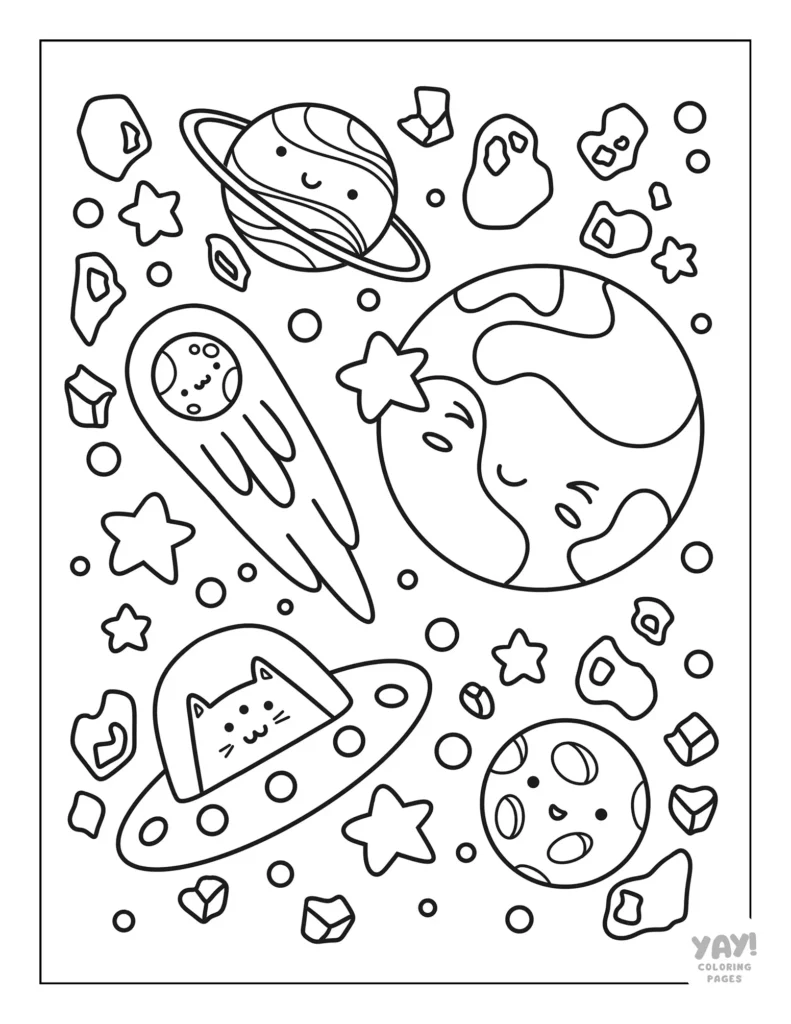
Coloring pages cool refer to engaging, modern printable activity sheets designed to foster fine-motor control, spatial awareness, and creative expression in early childhood education. According to the National Association for the Education of Young Children (NAEYC), purposeful artistic expression and guided manipulative practice are foundational drivers for early neurological pathway formation and physical dexterity. Educators utilizing these high-value assets effectively bridge the gap between recreational downtime and rigorous foundational skill mastery. Integrating structured visual prompts into daily lesson plans supports diverse learning styles while ensuring children build essential hand strength required for future academic success across various Worksheets and school-based tasks.
Curriculum Practice Snapshot:
- Core Focus: Modern visual printable assets designed to merge fine-motor skill acquisition with creative engagement.
- Target Scope: Early childhood classrooms, pre-K environments, kindergarten settings, and dedicated homeschooling environments.
- Key Recommendation: Pair targeted visual tracing elements with traditional coloring tasks to maximize bilateral hand-eye coordination.
Core Principles and Detailed Overview
Modern coloring pages cool incorporate deliberate geometric complexity, visual tracking lines, and thematic academic elements that elevate simple coloring tasks into comprehensive cognitive exercises. Structured graphic designs require children to execute precise hand movements, regulate grip pressure, and maintain visual attention within defined borders. These actions directly reinforce muscle memory in the fingers and wrists, mirroring the physical demands of early Handwriting & Tracing exercises. Furthermore, educators can curate thematic visual sheets to reinforce cross-curricular connections, tying artistic expression directly to literacy units, mathematical patterns, and scientific inquiry through structured Learning Activities.
Key Specifications and Breakdown
| Grade / Developmental Stage | Target Learning Skill | Instructional Strategy & Scaffolding |
|---|---|---|
| Pre-K (Ages 3-4) | Bilateral coordination and gross grip control | Utilize thick, bold boundary lines with expansive spaces to encourage full-arm movement and primary color identification. |
| Kindergarten (Ages 5-6) | Pincer grasp refinement and spatial boundary awareness | Incorporate complex geometric patterns requiring deliberate directional changes and controlled wrist articulation. |
| Early Elementary (Ages 7-8) | Visual endurance, shading technique, and thematic detail | Deploy intricate multi-part scenes that require sustained focus, color blending, and coordination with Teacher Resources. |
Intentional fine-motor manipulation and visual-spatial exercises significantly accelerate early primary writing readiness and manual dexterity benchmarks — What Works Clearinghouse (IES)
Step-by-Step Practical Application and Guidelines
Implementing coloring pages cool effectively within a structured daily routine requires a clear, three-phase pedagogical sequence. First, select themed visual sheets that align directly with current academic objectives, such as alphabet letters, number patterns, or seasonal science units found across standard Coloring Pages databases. Second, establish clear physical parameters by modeling correct tripod pencil or crayon grips before distribution, ensuring students understand intentional pressure application. Third, debrief the activity by asking children to describe their color choices and trace specific border lines with an index finger, reinforcing both verbal articulation and tactile memory.
Common Challenges and How to Avoid Them
Frequent pitfalls involving visual activity sheets typically stem from mismatched difficulty levels or a lack of physical writing preparation. Educators often encounter student frustration when intricate graphic designs exceed current fine-motor endurance levels, leading to rushed work or avoidance behaviors. Preventing this requires careful scaffolding, starting young learners with thick-lined, simple geometries before transitioning to high-detail illustrations. Additionally, pairing these visual printables with active movement breaks prevents hand fatigue and maintains high cognitive engagement throughout the instructional period.
💬 Frequently Asked Questions
Explore More Early Learning and Classroom Resources on Knowalla
Optimizing early childhood educational environments requires access to reliable, high-yield instructional materials designed by curriculum specialists. Instructors and parents can explore an extensive library of supplementary printables, skill-building exercises, and foundational guides by visiting the Knowalla homepage to support comprehensive academic growth across all early developmental domains.
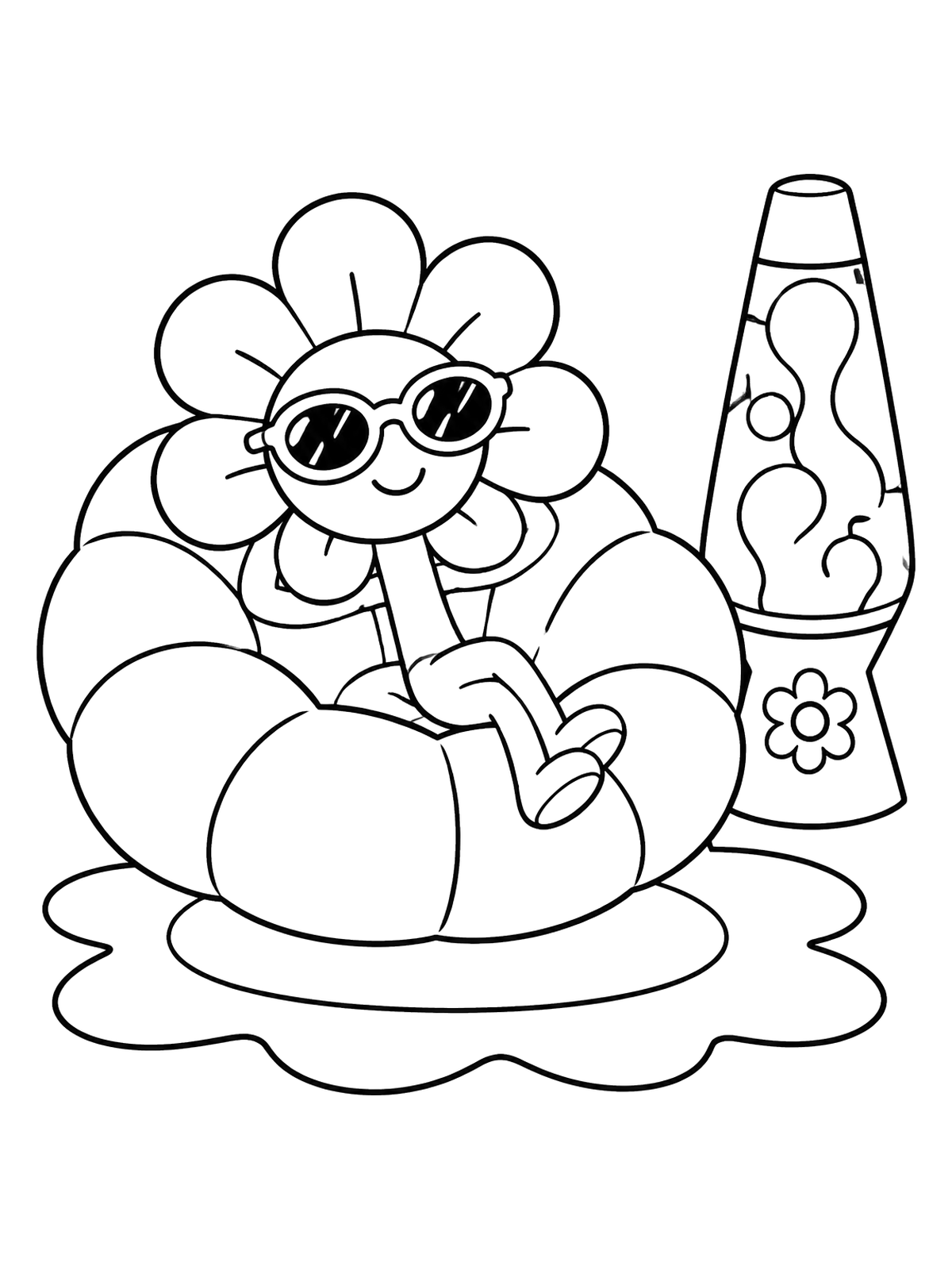
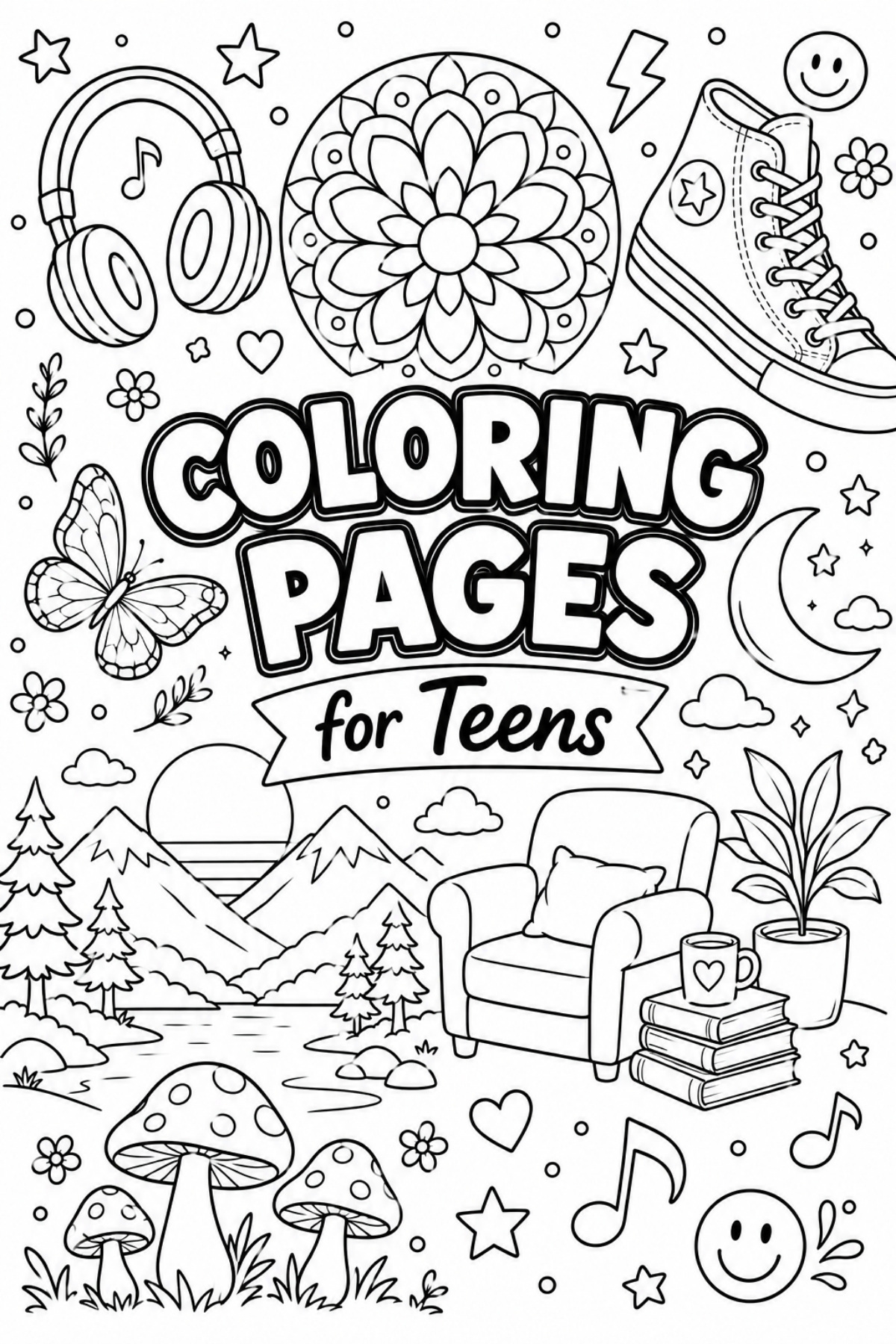
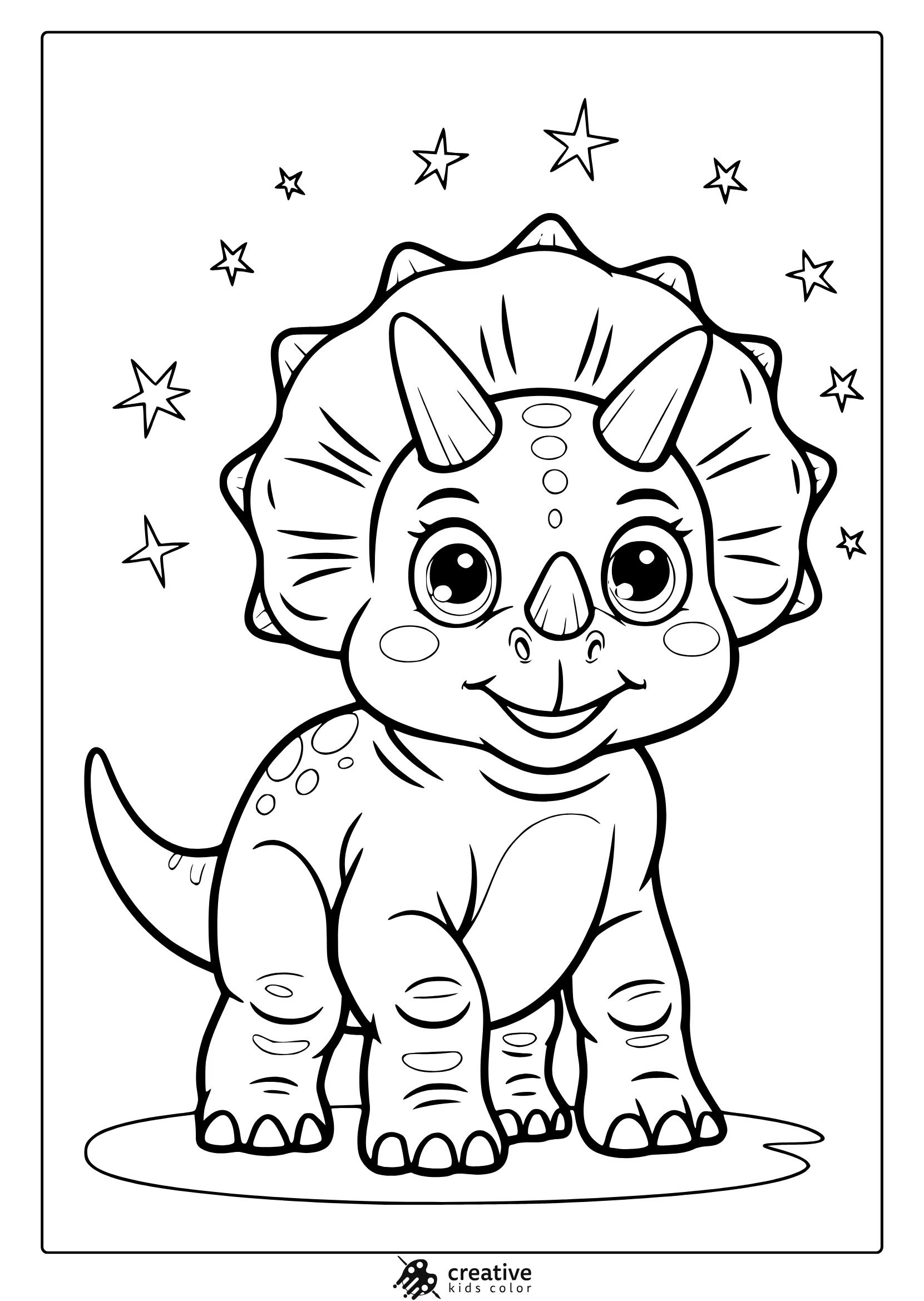
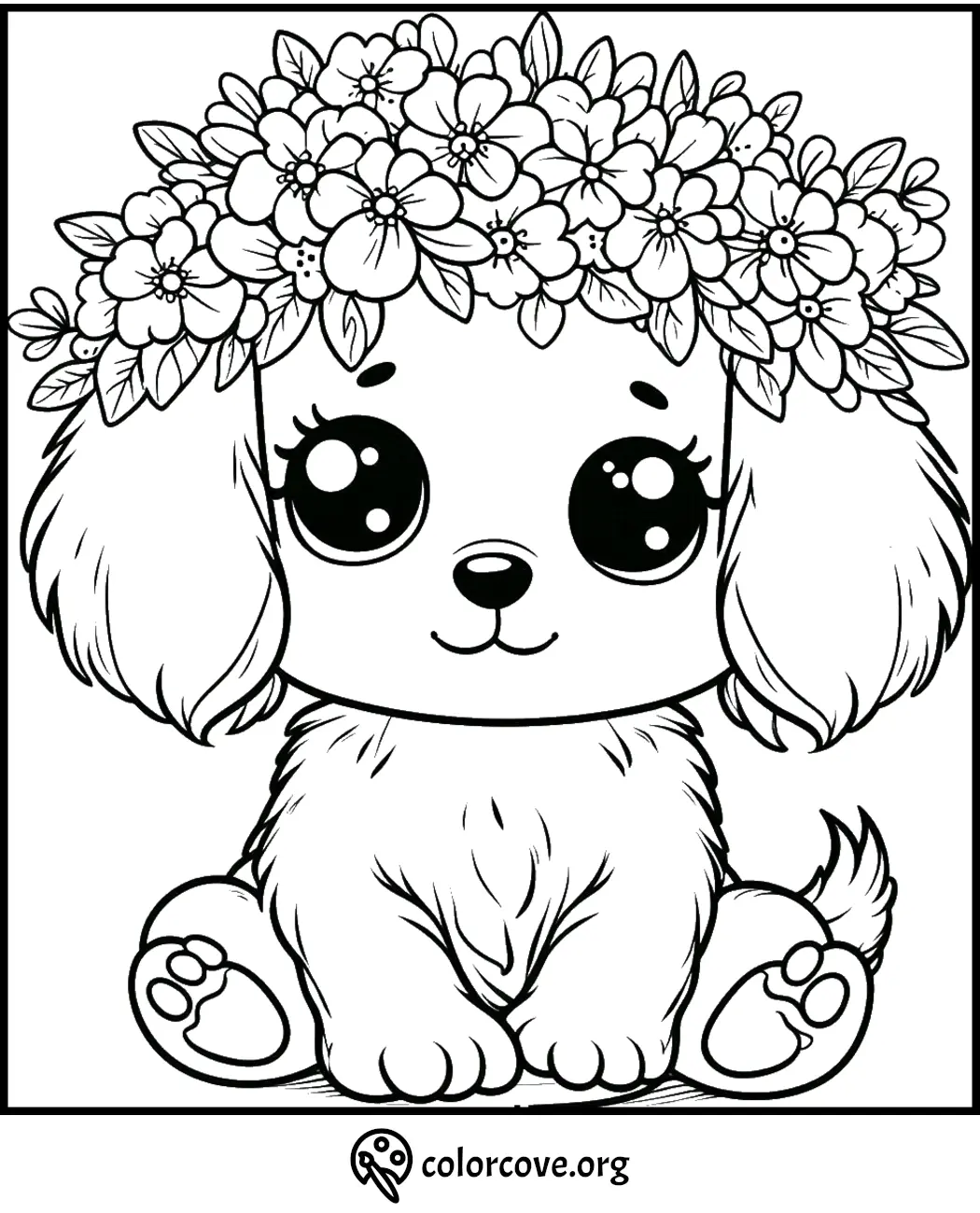
Printable Coloring Page Previews