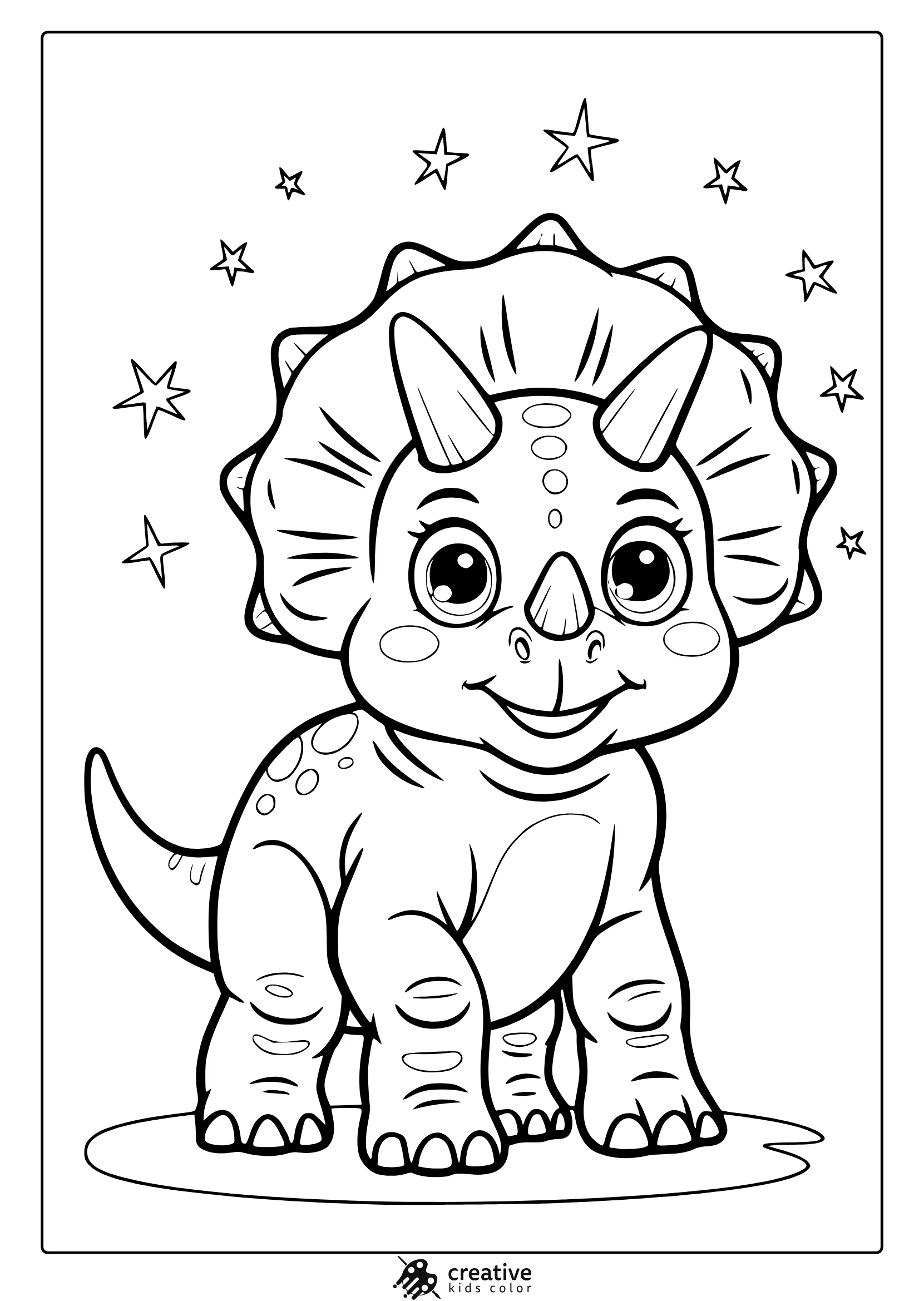
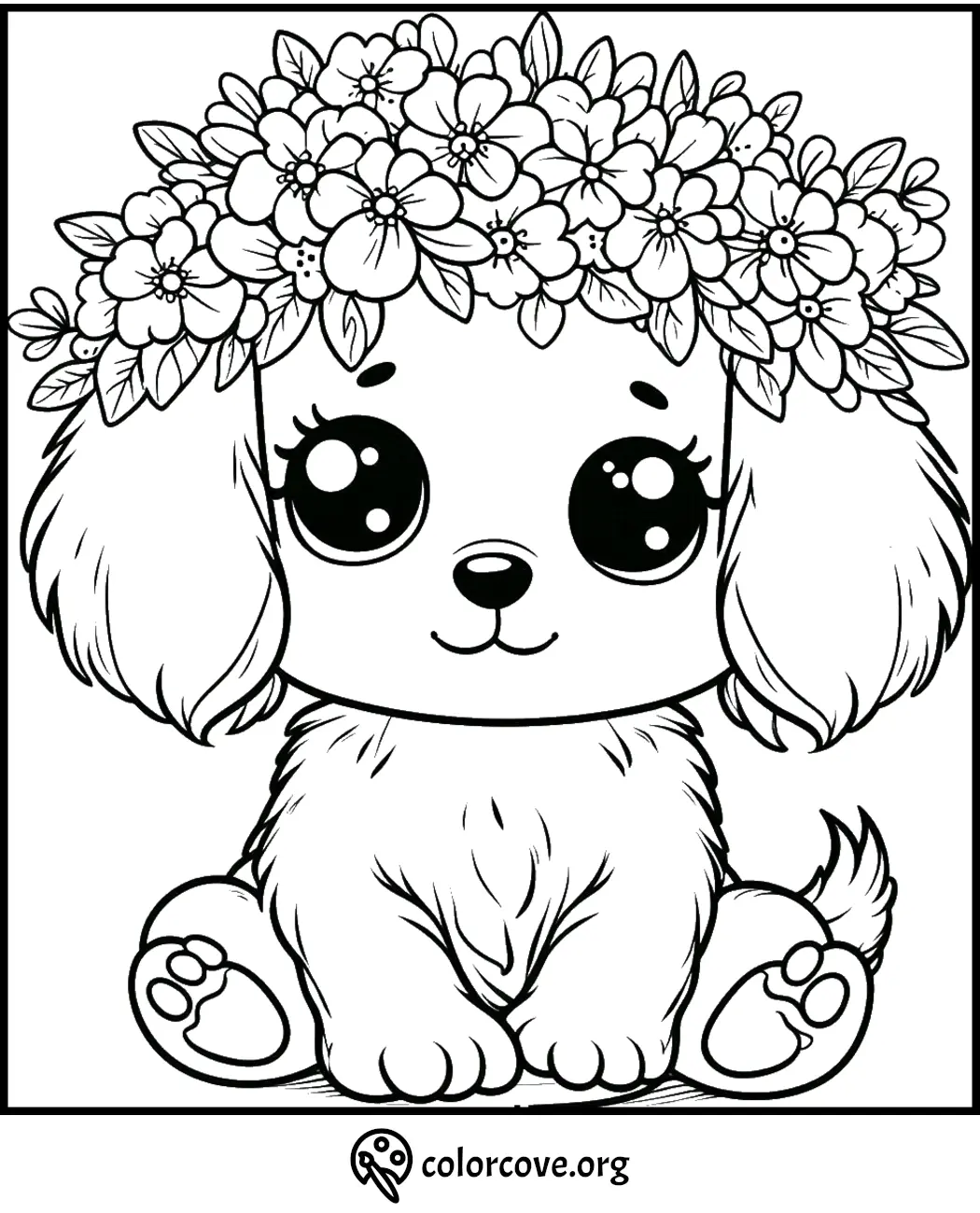
Introduction
Coloring pages featuring cute animals serve as essential pedagogical tools for developing fine motor control, spatial awareness, and pre-writing grip in early childhood education. According to the National Association for the Education of Young Children (NAEYC), developmentally appropriate practice requires providing hands-on materials that support the refinement of small muscle movements and cognitive engagement. Integrating high-quality Coloring Pages into daily curricula allows educators to bridge the gap between creative expression and foundational physical skill acquisition. These resources provide a low-stakes environment for children to practice controlled strokes and boundary management, which are critical precursors to formal letter formation and sustained pencil pressure.
Curriculum Practice Snapshot:
- Core Focus: Utilizing animal-themed visual prompts to refine fine motor dexterity and focus.
- Target Scope: Preschool through early elementary settings for individualized or group skill practice.
- Key Recommendation: Implement structured coloring tasks alongside Handwriting & Tracing exercises to reinforce grip strength.
Core Principles and Detailed Overview
The primary utility of cute animal coloring pages lies in the intentional engagement of the pincer grasp and the development of visual-motor integration. By utilizing thematic content that appeals to young learners, educators increase student motivation and time-on-task, which are critical variables in early skill mastery. When children focus on filling in the specific shapes of animals, they are actively practicing eye-hand coordination and the spatial planning required to navigate complex boundaries. This activity acts as a foundational Learning Activities module that prepares the hand for the rigors of formal literacy tasks, including letter formation and spacing.
Key Specifications and Breakdown
| Grade / Developmental Stage | Target Learning Skill | Instructional Strategy & Scaffolding |
|---|---|---|
| Early Preschool (Ages 3-4) | Grip Development | Use thick-lined, simple animal shapes to encourage bold strokes. |
| Pre-Kindergarten (Ages 4-5) | Boundary Control | Introduce animal-themed worksheets requiring color-matching and precision. |
| Kindergarten (Ages 5-6) | Sustained Focus | Combine coloring with descriptive writing prompts about the animal. |
Developmentally Appropriate Practice Principle — What Works Clearinghouse (IES) recommends that early learning environments prioritize fine motor activities that build muscle tone and coordination as a prerequisite to formal writing instruction.
Step-by-Step Practical Application and Guidelines
Effective implementation of animal-themed coloring resources requires a structured approach that prioritizes physical technique over final aesthetic output. First, ensure the selection of age-appropriate images that match the student’s current fine motor capability, favoring larger, less complex outlines for beginners. Second, provide verbal prompts that emphasize the mechanics of the task, such as “staying within the fence” or “using light, steady pressure,” to guide the child’s physical interaction with the paper. Third, integrate these pages into a comprehensive set of Worksheets that alternate between creative coloring and structured tracing to prevent muscle fatigue and maintain cognitive engagement throughout the lesson.
Common Challenges and How to Avoid Them
Common challenges when utilizing coloring pages include poor grip technique and limited student attention spans, both of which are easily mitigated through environmental adjustments. Improper grip often stems from tools that are too thin or slippery; providing triangular crayons or short, broken pieces of chalk can naturally force the fingers into a tripod position. Additionally, students who struggle with attention often benefit from short, time-limited bursts of activity rather than open-ended coloring sessions. By framing the coloring task as a specific, measurable goal—such as completing one animal segment before transitioning to a different academic task—educators maintain momentum and prevent the frustration that often accompanies overly long or vague assignments.
💬 Frequently Asked Questions
Explore More Early Learning and Classroom Resources on Knowalla
Educators and parents can access a vast library of supplemental materials designed to support academic and motor development by visiting Teacher Resources. From thematic worksheets to comprehensive skill-building modules, Knowalla provides the necessary infrastructure to create balanced and effective early childhood learning environments. Explore the full catalog to find high-value printables that align with your specific instructional goals.
Printable Coloring Page Previews