
Introduction
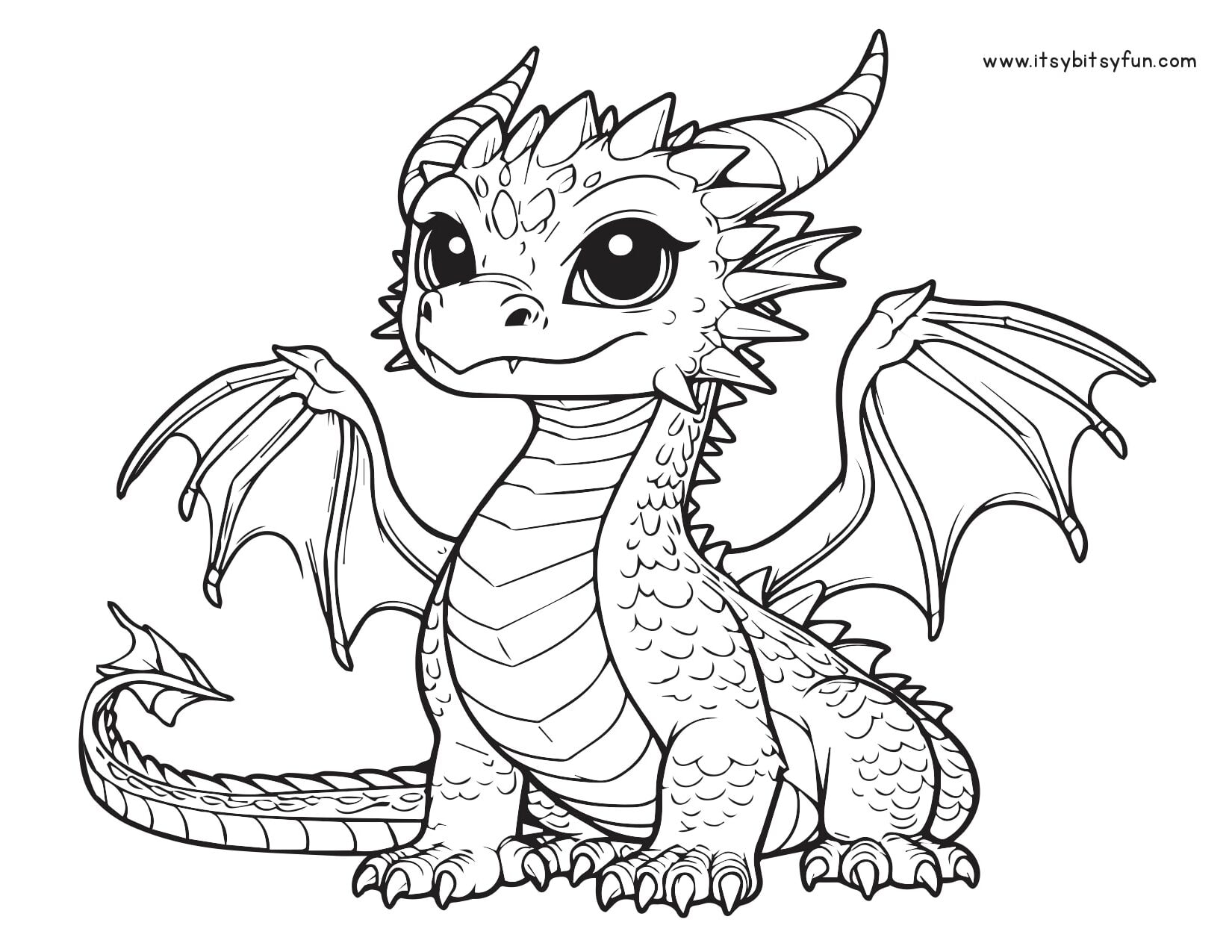
Coloring pages dragons provide structured graphic templates that foster early childhood fine-motor development, spatial awareness, and creative visual expression through targeted pencil control tasks. According to the National Association for the Education of Young Children (NAEYC), purposeful artistic exploration using tactile media directly supports the development of small-muscle coordination, bilateral hand integration, and cognitive planning necessary for future academic proficiency. Integrating thematic fantasy illustrations into daily lesson plans bridges imaginative storytelling with foundational writing readiness, making skill acquisition highly engaging for young learners. Educators seeking diverse thematic templates often explore comprehensive Coloring Pages collections designed specifically for early childhood classrooms and homeschool environments.
Curriculum Practice Snapshot:
- Core Focus: Developing fine-motor dexterity, pencil grip stability, and creative visual stamina using dragon-themed artistic prompts.
- Target Scope: Early childhood education classrooms, preschools, kindergartens, and primary homeschool programs.
- Key Recommendation: Pair thick-lined dragon graphics with progressive Handwriting & Tracing sheets to reinforce wrist stabilization and linear control.
Core Principles and Detailed Overview
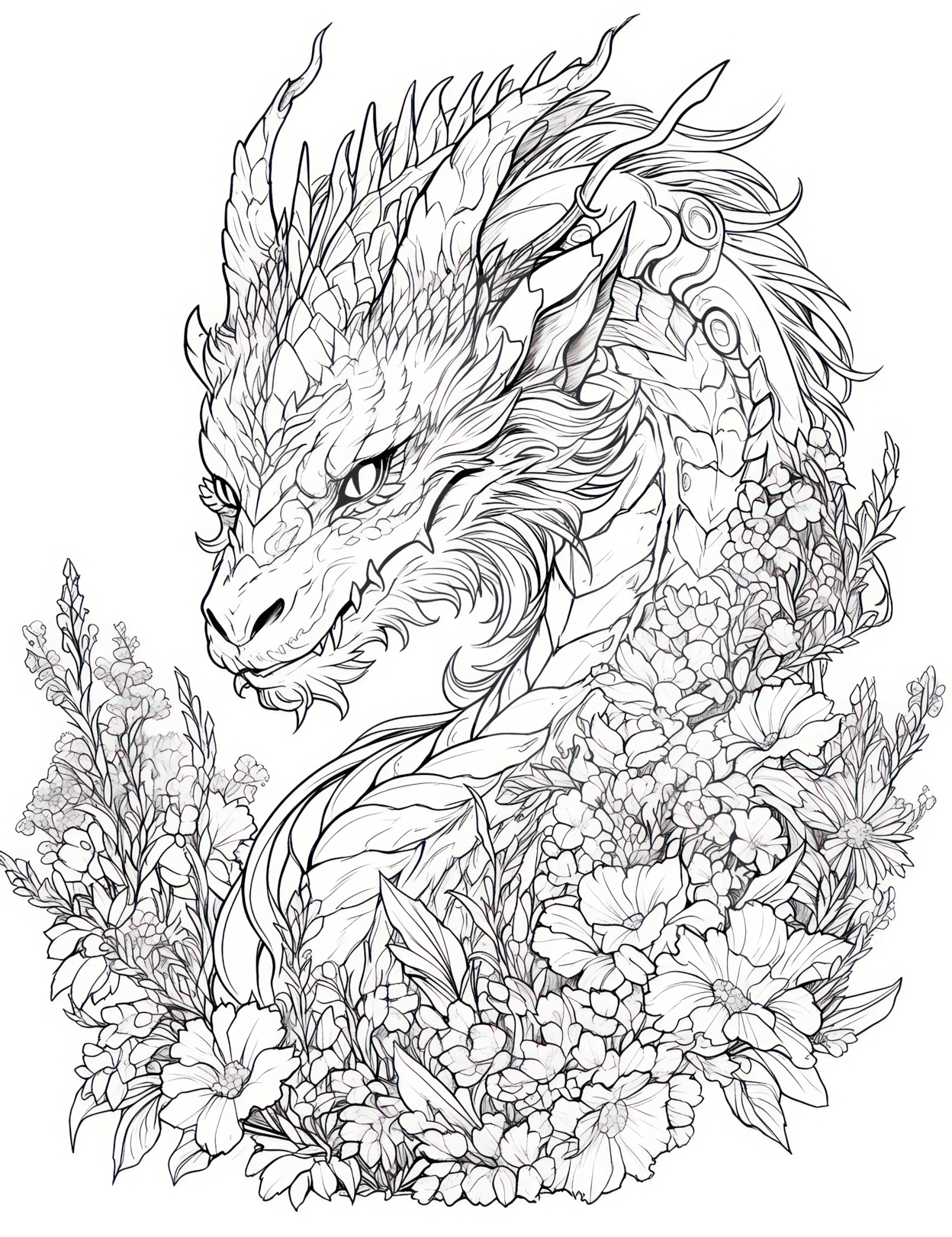
Dragon-themed graphic worksheets offer immense pedagogical value by capturing high student interest while targeting specific physical and cognitive developmental milestones. The complex shapes found in scales, wings, and fiery accents require children to execute intricate wrist movements, shifting grip pressures, and sustained visual attention. Structured Worksheets featuring mythical creatures serve as an ideal vehicle for differentiated instruction, allowing educators to adjust complexity from bold, simple silhouettes for toddlers to detailed, multi-element borders for advanced kindergartners. Furthermore, incorporating these imaginative templates into structured Learning Activities promotes storytelling, vocabulary expansion, and descriptive oral language development as children narrate the actions of their colored creations.
Key Specifications and Breakdown
| Grade / Developmental Stage | Target Learning Skill | Instructional Strategy & Scaffolding |
|---|---|---|
| Pre-K (Ages 3-4) | Palmar grasp transition and gross boundary control | Utilize thick, simplified outlines with minimal interior details to encourage broad strokes and confidence. |
| Kindergarten (Ages 5-6) | Pincer grasp refinement and directional stamina | Provide medium-detail illustrations featuring scales and wings that require controlled, repetitive pencil movements. |
| First Grade (Ages 6-7) | Complex spatial awareness and shading pressure control | Integrate intricate background scenes alongside the dragon subject to challenge multi-directional wrist dexterity. |
Structured visual-motor integration tasks significantly accelerate early writing fluency and spatial precision among primary learners — National Center for Education Statistics (NCES)
Step-by-Step Practical Application and Guidelines
Implementing dragon-themed creative resources effectively requires a deliberate three-step instructional sequence that moves from physical preparation to guided execution and creative extension. First, educators must select age-appropriate templates matching the current fine-motor capabilities of the student cohort, ensuring line widths align with developmental grasping stages. Second, instructors introduce specific color-coding or pattern challenges within the dragon scales to foster intentional focus rather than random scribbling. Third, adults guide students to reflect upon their completed artwork through descriptive storytelling prompts, linking visual art creation directly back to literacy benchmarks and vocabulary acquisition.
Common Challenges and How to Avoid Them
Premature hand fatigue and frustration represent the most frequent obstacles encountered when young children tackle highly detailed artistic worksheets. Instructors can prevent hand cramping by substituting standard thin crayons with triangular writing implements that naturally encourage an ergonomic pincer grip. Additionally, educators must avoid rigid color mandates that stifle creative expression; allowing children to design unconventional color palettes for their mythical creatures maintains high intrinsic motivation and emotional engagement throughout the task.
💬 Frequently Asked Questions
Explore More Early Learning and Classroom Resources on Knowalla
Discovering high-quality educational printables is essential for maintaining dynamic, engaging, and developmentally appropriate learning environments for young children. Dedicated Teacher Resources offer extensive support for lesson planning, classroom management, and skill-building instruction. Explore the main Knowalla portal to access thousands of curated printables, handwriting exercises, and thematic activities designed to empower educators and parents alike.
Printable Coloring Page Previews