Introduction
Coloring pages golf resources provide structured, thematic illustrations designed to develop early fine-motor precision, pencil control, and spatial awareness in young learners. According to the National Association for the Education of Young Children (NAEYC), intentional manipulation of writing implements within structured visual boundaries directly correlates with foundational hand-strength acquisition required for future academic success. Educators and homeschool parents frequently integrate thematic art assets into broader Learning Activities to maintain high engagement while building essential physical dexterity.
Curriculum Practice Snapshot:
- Core Focus: Fine-motor skill development through sports-themed visual arts.
- Target Scope: Early childhood education, kindergarten, and lower primary intervention settings.
- Key Recommendation: Pair coloring tasks with targeted Handwriting & Tracing sheets to reinforce wrist stabilization.
Core Principles and Detailed Overview
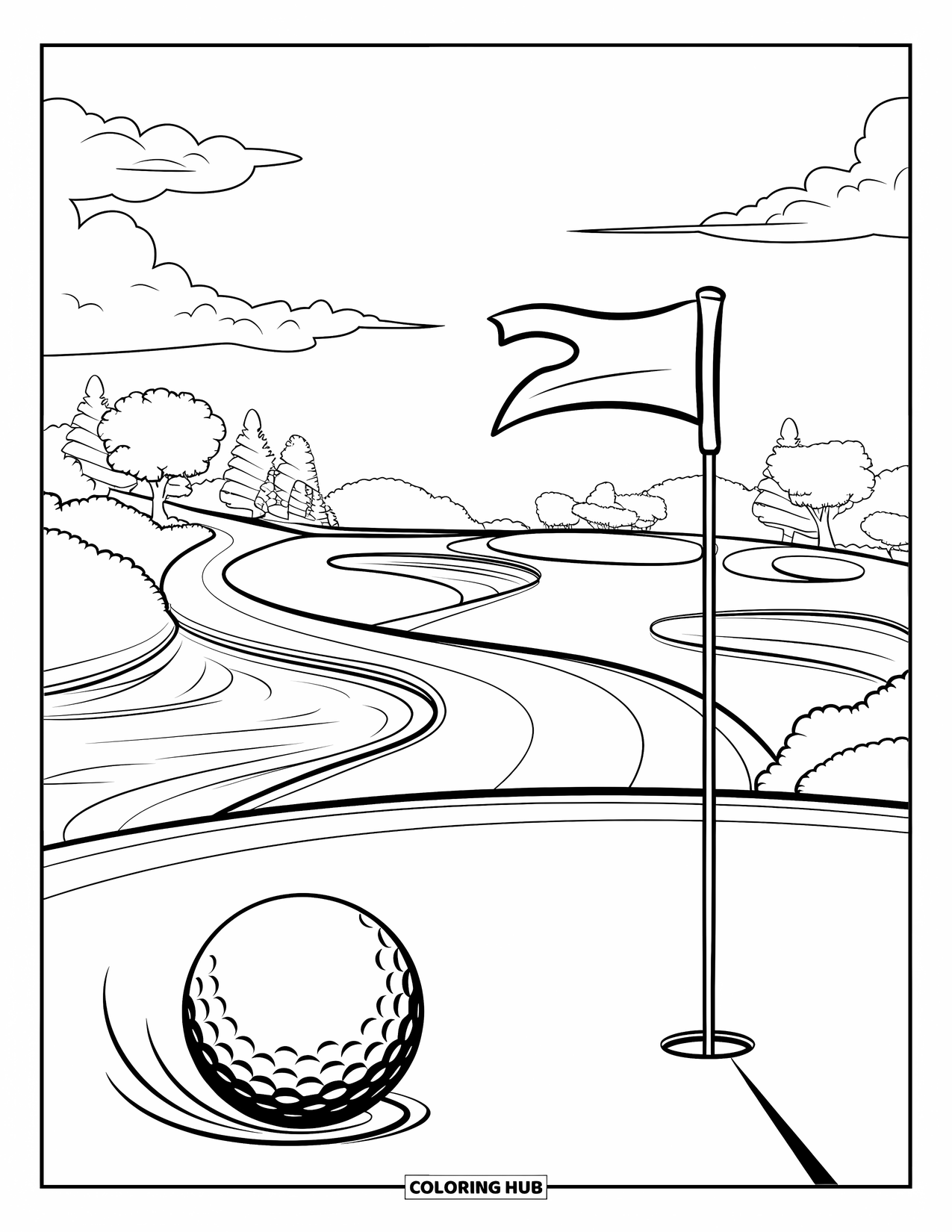
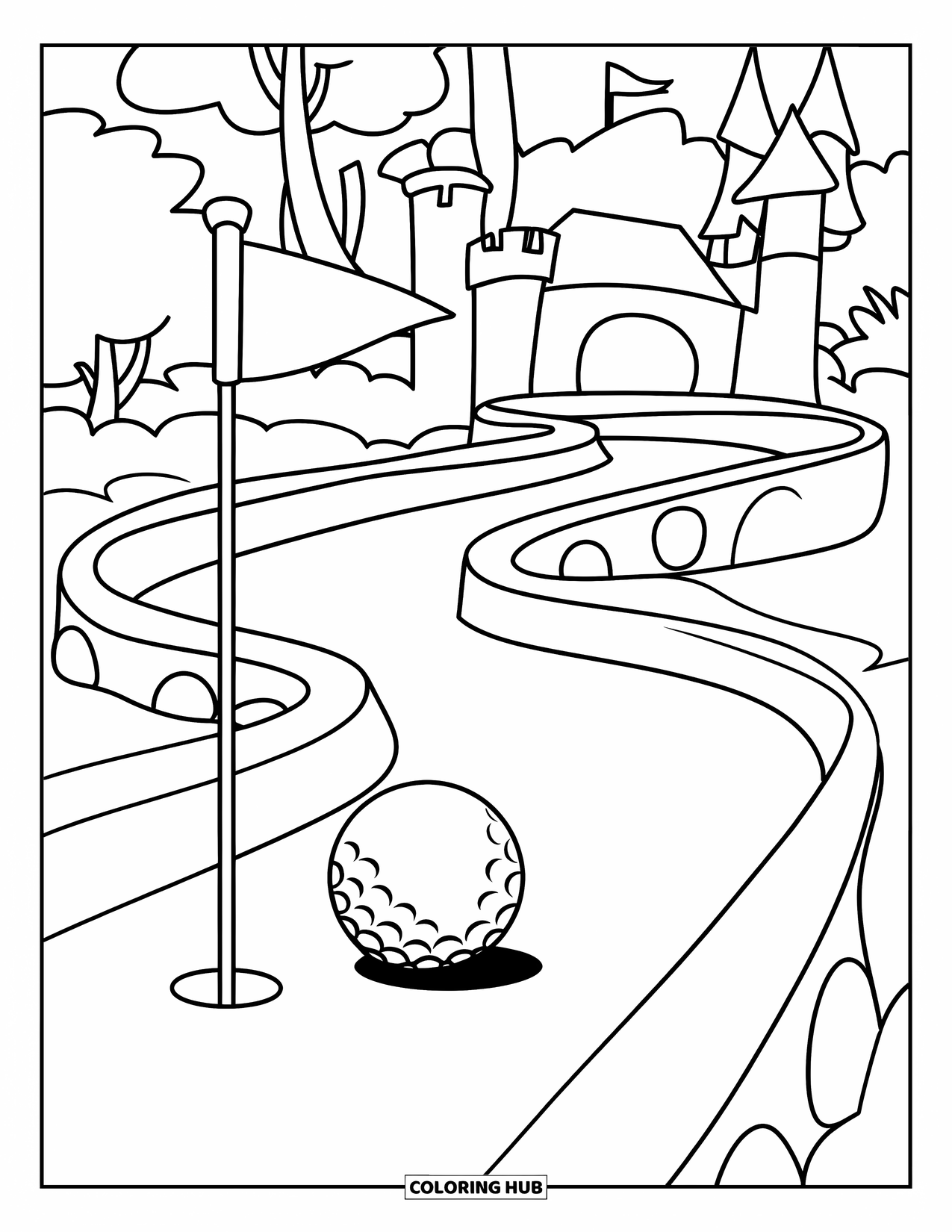
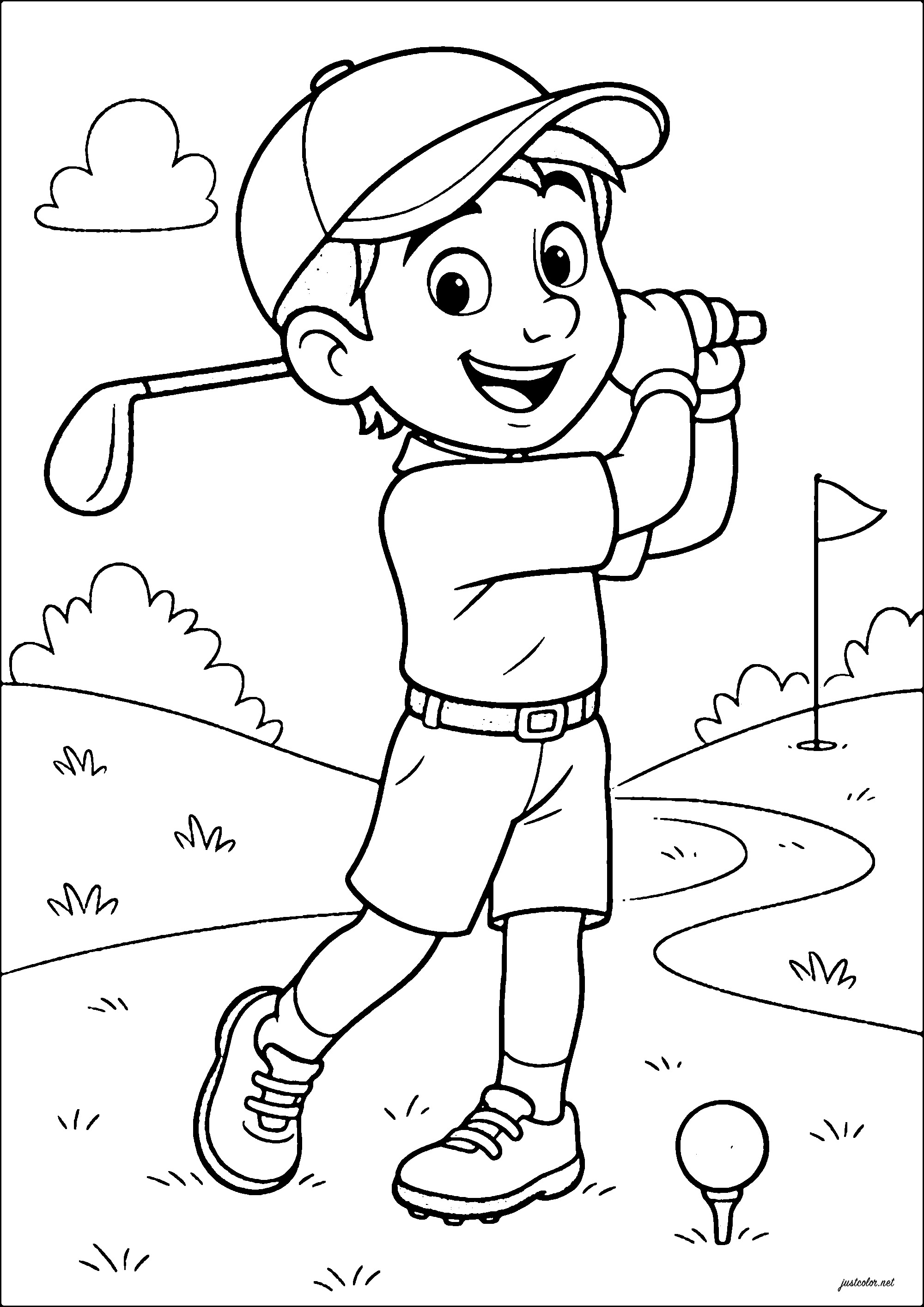
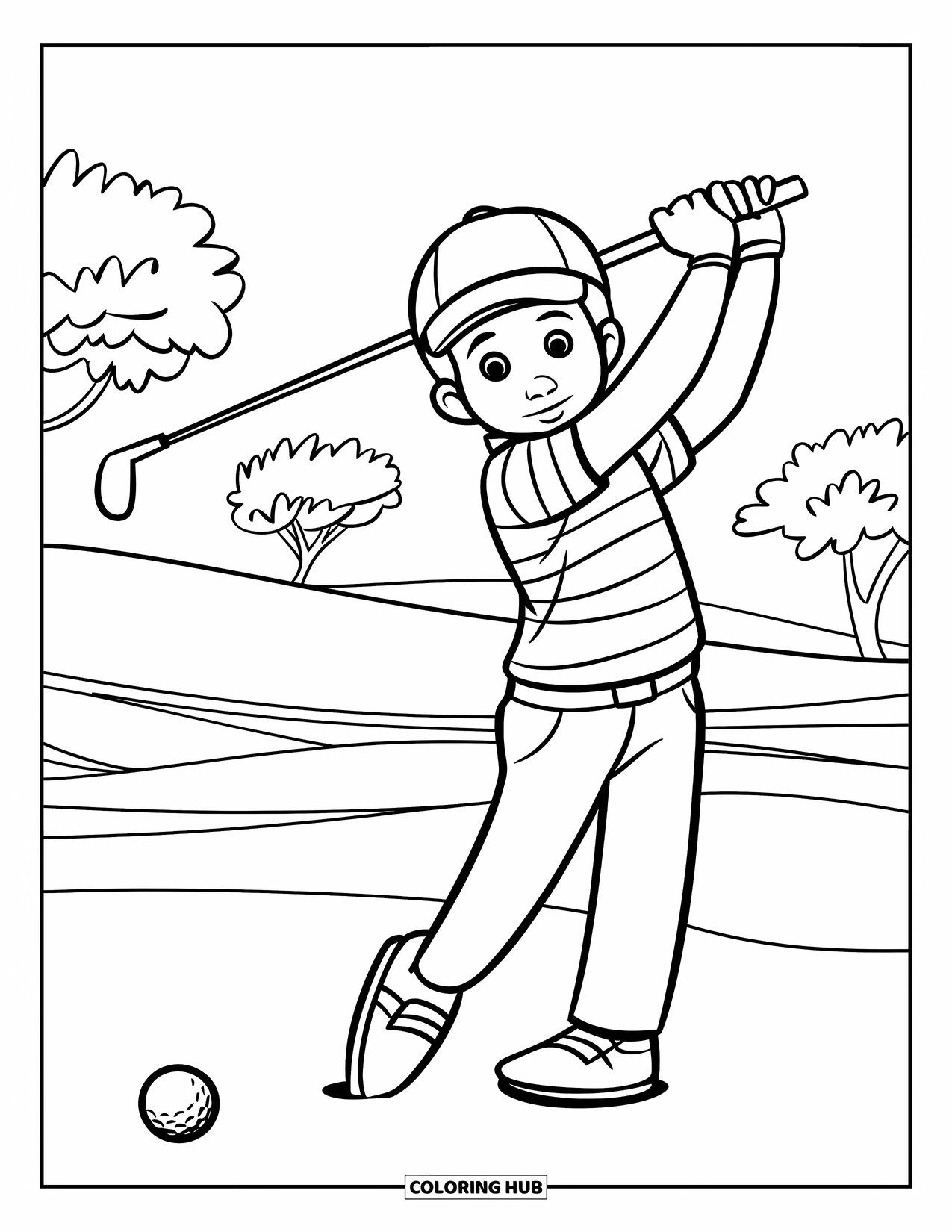
Targeted sports-themed printables transform standard coloring exercises into multi-disciplinary tools that support cognitive development, vocabulary expansion, and visual-motor integration. Directing a child to color inside precise geometric shapes—such as golf balls, clubs, flags, and putting greens—demands sustained visual attention and bilateral hand coordination. This targeted practice enhances hand-eye coordination while familiarizing learners with recreational sports terminology. Integrating these assets with structured Worksheets ensures that physical art production aligns seamlessly with broader academic curricula.
Key Specifications and Breakdown
| Grade / Developmental Stage | Target Learning Skill | Instructional Strategy & Scaffolding |
|---|---|---|
| Pre-Kindergarten (Ages 3-4) | Palmar-to-digital grasp transition and boundary awareness | Utilize thick, bold outline templates with expansive coloring zones. |
| Kindergarten (Ages 5-6) | Pincer grasp refinement and controlled directional strokes | Incorporate dotted grid borders and accompanying vocabulary tracing. |
| First Grade (Ages 6-7) | Complex spatial planning and artistic stamina | Assign intricate course designs that require multi-color patterns and shading. |
Structured foundational fine-motor interventions significantly improve subsequent handwriting fluency and pencil pressure regulation — What Works Clearinghouse (IES)
Step-by-Step Practical Application and Guidelines
Executing a successful fine-motor session requires careful selection of age-appropriate templates, proper ergonomic seating, and intentional scaffolding. Educators begin by assessing the current grip maturity of each child before distributing the selected printables. Next, instructors model correct pencil or crayon pressure by demonstrating controlled circular strokes within isolated sections of the image. Finally, adults facilitate peer discussions regarding the illustrated sports equipment to build expressive language skills alongside physical dexterity.
Common Challenges and How to Avoid Them
Hand fatigue and frustration represent the primary obstacles children encounter during extended coloring and tracing tasks. Instructors mitigate physical strain by limiting continuous coloring periods to ten-minute intervals and providing triangular grip aids that promote proper finger placement. Furthermore, addressing improper posture early prevents the development of compensatory wrist habits that hinder long-term writing endurance. Leveraging specialized Teacher Resources helps facilitators identify ergonomic red flags before bad habits become deeply ingrained.
💬 Frequently Asked Questions
Explore More Early Learning and Classroom Resources on Knowalla
Educators seeking comprehensive, high-utility instructional aids can explore the extensive repository available on Knowalla. Discover diverse educational assets ranging from specialized Coloring Pages to foundational skill-building printables designed to elevate early childhood classrooms and homeschool environments alike.
Printable Coloring Page Previews