Introduction
Coloring pages grade 1 provide structured pedagogical frameworks that combine fine-motor skill reinforcement with foundational academic content acquisition. According to the National Association for the Education of Young Children (NAEYC), intentional manipulation of writing and coloring implements supports the neuromuscular development required for sustained academic writing. Integrating these printables into early childhood curricula enhances pencil grip, spatial awareness, and cognitive endurance during desk-based tasks. Educators and homeschool parents frequently utilize these materials to bridge visual art with literacy and mathematics, supporting diverse learners through differentiated Worksheets designed for foundational classrooms.
Curriculum Practice Snapshot:
- Core Focus: Strengthening pincer grasp and visual-motor integration through targeted coloring pages grade 1.
- Target Scope: Six- to seven-year-old primary students in classrooms and home learning environments.
- Key Recommendation: Pair graphic printables with explicit Handwriting & Tracing drills to maximize motor control.
Core Principles and Detailed Overview
Targeted coloring exercises for six-year-olds serve as critical developmental tools that extend far beyond recreational pastime activities. Direct application of colored pencils, crayons, and markers within constrained borders refines intrinsic hand muscles, which directly impacts handwriting legibility and scissor proficiency. When structured as Coloring Pages incorporating letters, numbers, and geometric shapes, these resources reinforce academic vocabulary while children execute fine-motor tasks. Curriculum designers intentionally scale border widths and graphic complexity to match the developmental milestones outlined in early elementary standards, ensuring optimal cognitive and physical engagement without inducing frustration.
Key Specifications and Breakdown
| Grade / Developmental Stage | Target Learning Skill | Instructional Strategy & Scaffolding |
|---|---|---|
| Early Grade 1 (Ages 5-6) | Pincer grasp stabilization and thick-border contour coloring. | Utilize bold, simplified outlines with minimal interior details to build confidence and muscle endurance. |
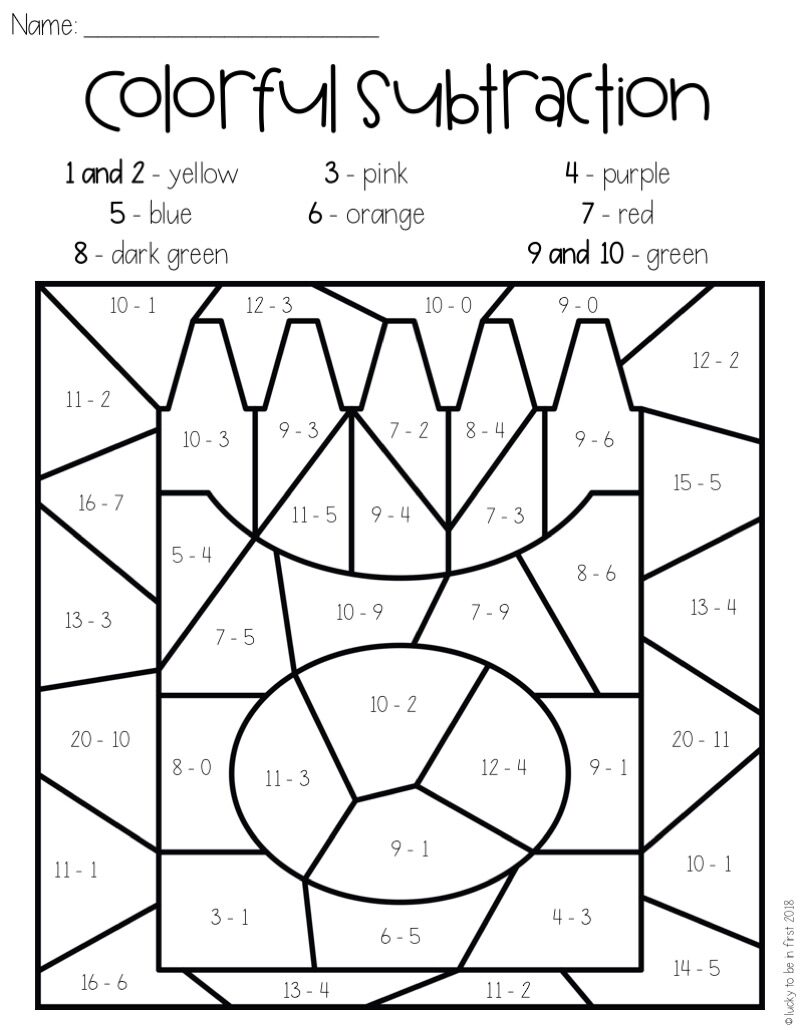
| Mid Grade 1 (Ages 6) | Bilateral hand coordination and directional stroke control. | Incorporate pattern-filling exercises and color-by-number templates aligned with basic math facts. |
| Late Grade 1 (Ages 6-7) | Complex spatial awareness and multi-step visual instruction following. | Deploy thematic illustration scenes that require texture variation and precise edge control. |
Early fine-motor precision and visual-motor integration are foundational predictors of subsequent academic performance in writing and mathematics. — What Works Clearinghouse (IES)
Step-by-Step Practical Application and Guidelines
Implementing printable drawing resources effectively requires a deliberate three-step pedagogical routine that balances open-ended creativity with structural discipline. First, instructors introduce the specific academic theme or motor objective associated with the graphic, connecting visual elements to current Learning Activities. Second, adults demonstrate correct tripod grip and boundary awareness, modeling slow, deliberate strokes rather than rushed scribbling. Third, learners complete the designated section independently while educators circulate the room to monitor hand posture, posture alignment, and stroke consistency.
Common Challenges and How to Avoid Them
Hand fatigue and poor pencil grip represent the most frequent obstacles encountered during extended coloring and writing sessions in early elementary classrooms. Instructors mitigate physical exhaustion by keeping individual desk sessions brief—typically lasting between ten and fifteen minutes—and substituting oversized triangular crayons that naturally promote correct finger placement. Another common misstep involves treating these sheets purely as idle busywork rather than purposeful diagnostic tools. Educators combat this by actively observing how students track lines and manage spatial orientation, using the completed printables to identify emerging motor deficits or visual processing challenges early in the academic year.
💬 Frequently Asked Questions
Explore More Early Learning and Classroom Resources on Knowalla
Discover a comprehensive library of printable exercises, skill-building assessments, and pedagogical guides designed to support primary educators and parents. Access top-tier Teacher Resources and engaging instructional materials tailored specifically to early childhood milestones by visiting Knowalla today.
Printable Coloring Page Previews