Introduction
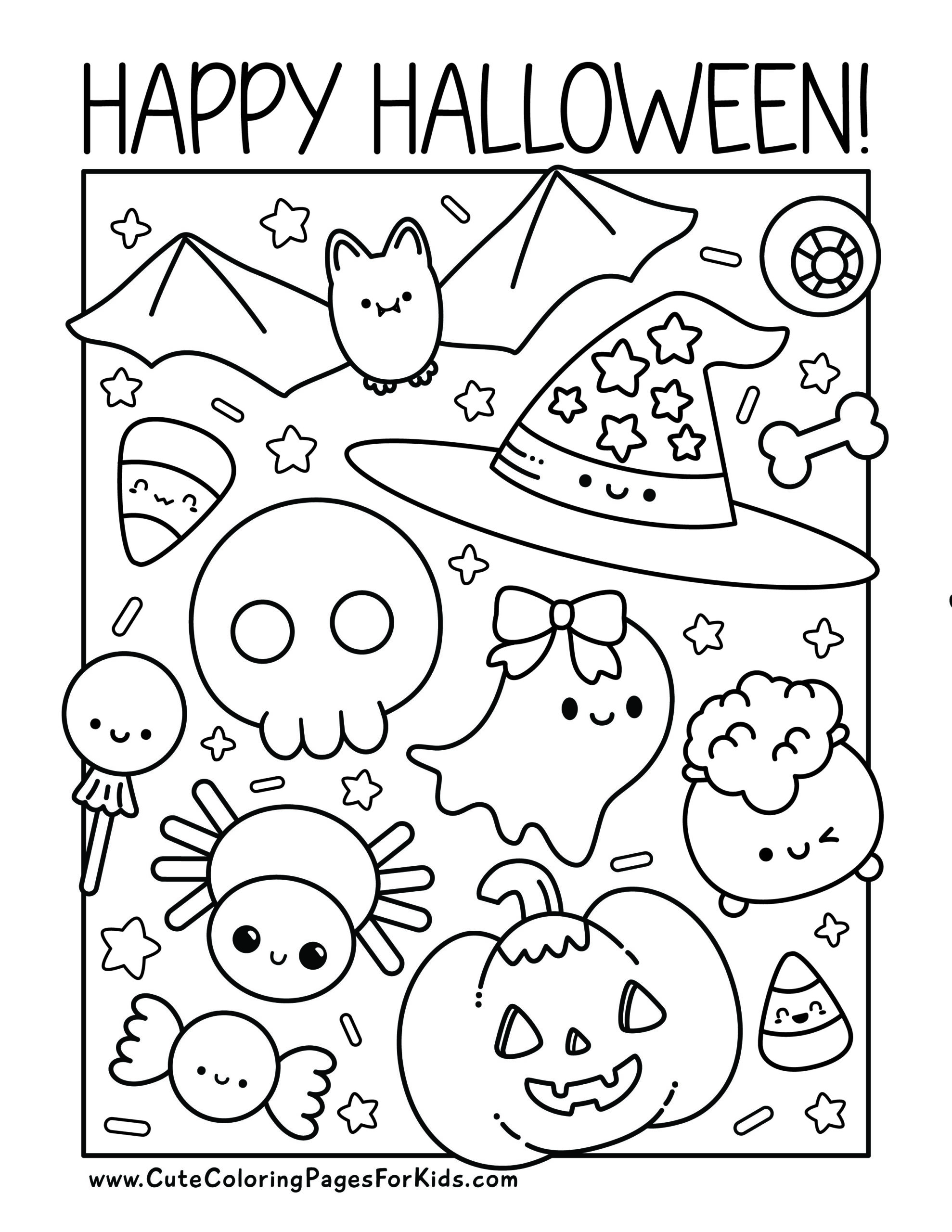
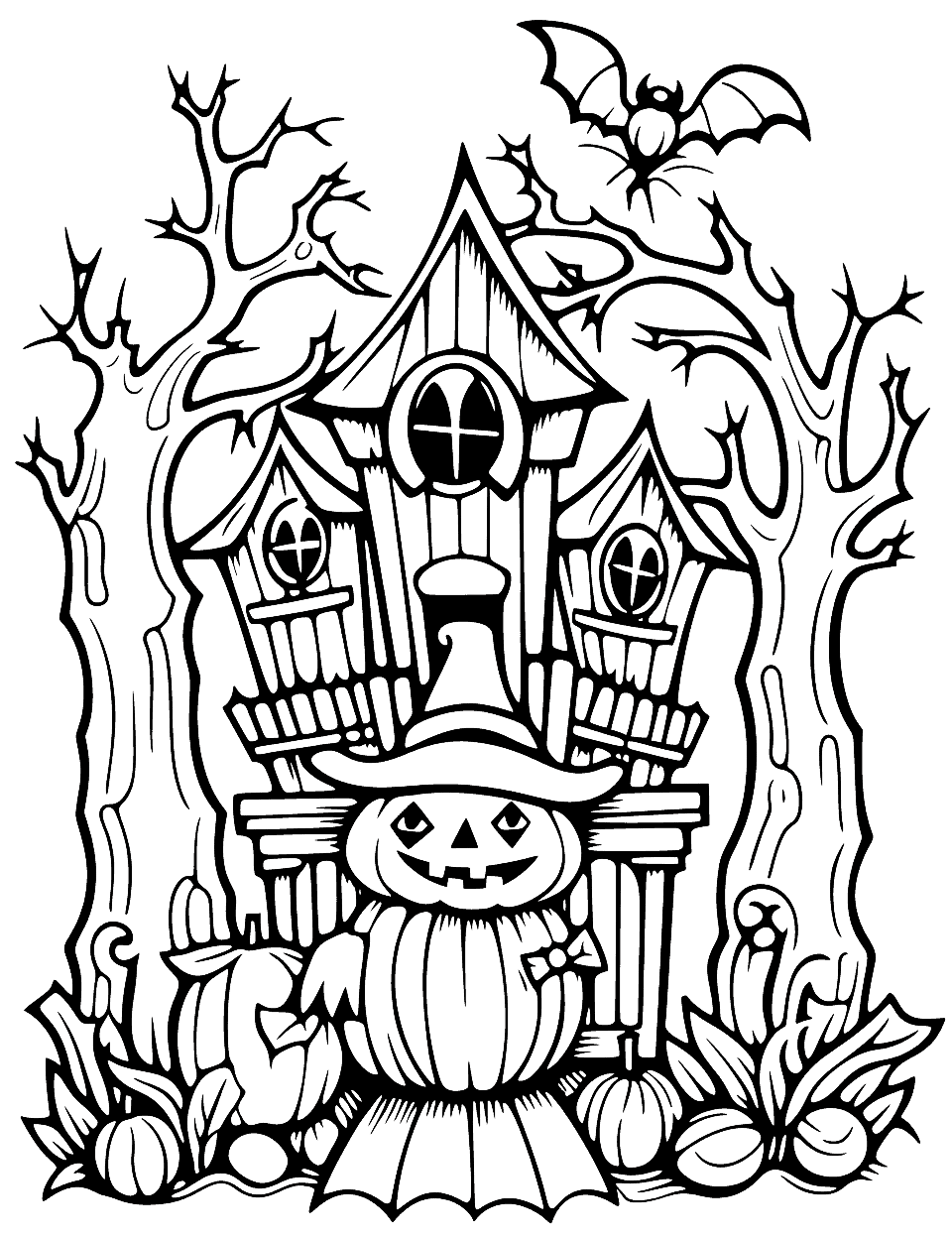
Coloring pages halloween free provide accessible, themed printables that build early fine-motor dexterity, pencil control, and cognitive engagement in young learners. According to the National Association for the Education of Young Children (NAEYC), intentional play-based motor activities and graphical manipulation establish the vital neuromuscular foundation required for future handwriting proficiency. Educators and parents utilize these thematic assets to maintain high student engagement during seasonal transitions while simultaneously targeting essential pre-writing benchmarks. Systematic integration of structured graphic sheets bridges the gap between creative expression and foundational skill acquisition in early childhood classrooms and homeschool environments. To explore related artistic templates, educators often browse extensive collections found within Coloring Pages.
Curriculum Practice Snapshot:
- Core Focus: Utilizing free seasonal printables to develop fine-motor strength, hand-eye coordination, and visual-spatial awareness.
- Target Scope: Early childhood education classrooms, preschools, kindergartens, and home-schooling environments.
- Key Recommendation: Pair graphic tracing tasks with multisensory manipulatives to reinforce pencil grip mechanics before independent execution.
Core Principles and Detailed Overview
Targeting fine-motor precision through seasonal themes transforms routine practice into a motivating developmental task for young children. Structured graphical outlines require learners to execute controlled wrist and finger movements, directly strengthening the intrinsic hand muscles necessary for efficient pencil grasps. When integrated alongside systematic Handwriting & Tracing exercises, festive templates reinforce spatial boundaries, directional tracking, and visual discrimination. Curricular planning must balance open-ended creative expression with targeted boundary containment, ensuring learners practice steady pressure application and continuous stroke control.
Key Specifications and Breakdown
| Grade / Developmental Stage | Target Learning Skill | Instructional Strategy & Scaffolding |
|---|---|---|
| Pre-K (Ages 3-4) | Gross motor boundary control and grasp stabilization | Utilize thick, bold outer lines with oversized graphic elements and chunky crayons. |
| Kindergarten (Ages 5-6) | Fine-motor precision and pincer grasp refinement | Incorporate intricate details requiring colored pencils or fine-tip markers within enclosed shapes. |
| Early Elementary (Ages 6-7) | Visual-spatial planning and bilateral coordination | Combine coloring templates with symmetry cutting challenges or independent writing prompts. |
Early fine-motor interventions significantly improve subsequent primary writing fluency and spatial organization outcomes — National Center for Education Statistics (NCES)
Step-by-Step Practical Application and Guidelines
Effective classroom implementation begins by selecting developmentally appropriate graphical complexity that matches the current motor capabilities of the student cohort. Educators introduce the session by modeling proper pincer grasp mechanics, explicit edge-stopping techniques, and intentional color selection to foster cognitive focus. Following guided execution, instructors transition learners into independent practice while circulating the room to offer postural adjustments, encouragement, and targeted ergonomic interventions. Integrating these printables into daily Learning Activities ensures that seasonal engagement directly supports ongoing developmental milestones without sacrificing academic rigor.
Common Challenges and How to Avoid Them
Hand fatigue and frustration frequently occur when young children attempt overly intricate graphic templates before developing adequate intrinsic hand strength. Instructors mitigate this challenge by offering varied line weights and scaling down duration expectations for initial fine-motor tasks. Another common pitfall involves treating coloring exclusively as a passive reward rather than an intentional instructional tool. Educators prevent this by establishing clear learning objectives for each session, such as practicing controlled directional strokes or maintaining consistent pressure within defined boundaries. Utilizing reliable Worksheets alongside artistic sheets guarantees a balanced pedagogical approach.
💬 Frequently Asked Questions
Explore More Early Learning and Classroom Resources on Knowalla
Discover a comprehensive selection of structured educational assets, printable tools, and developmental guides designed to support early childhood success. Explore essential instructional strategies and download professional materials by visiting the main hub at Knowalla alongside professional Teacher Resources to elevate classroom planning.
Printable Coloring Page Previews