Introduction
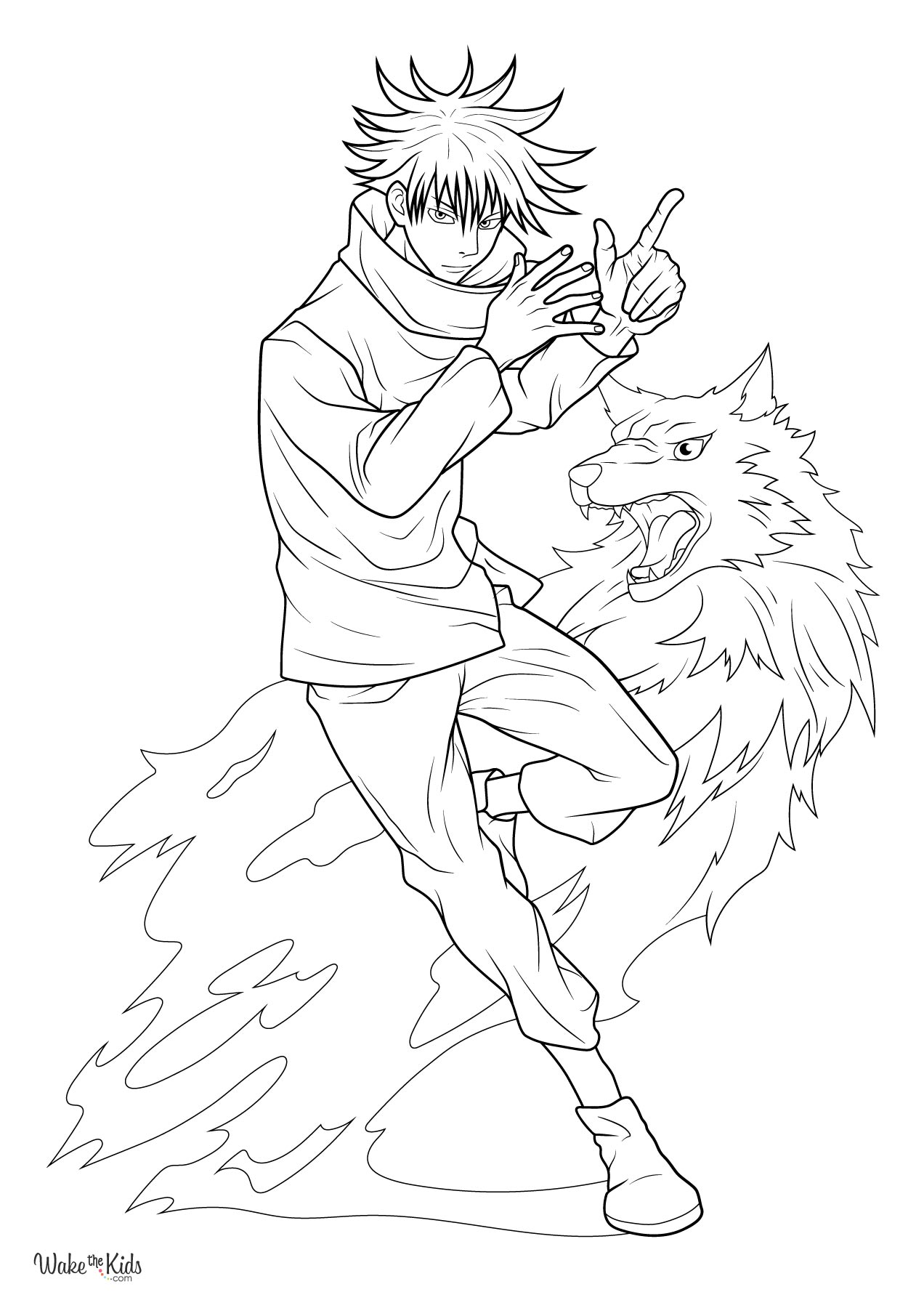
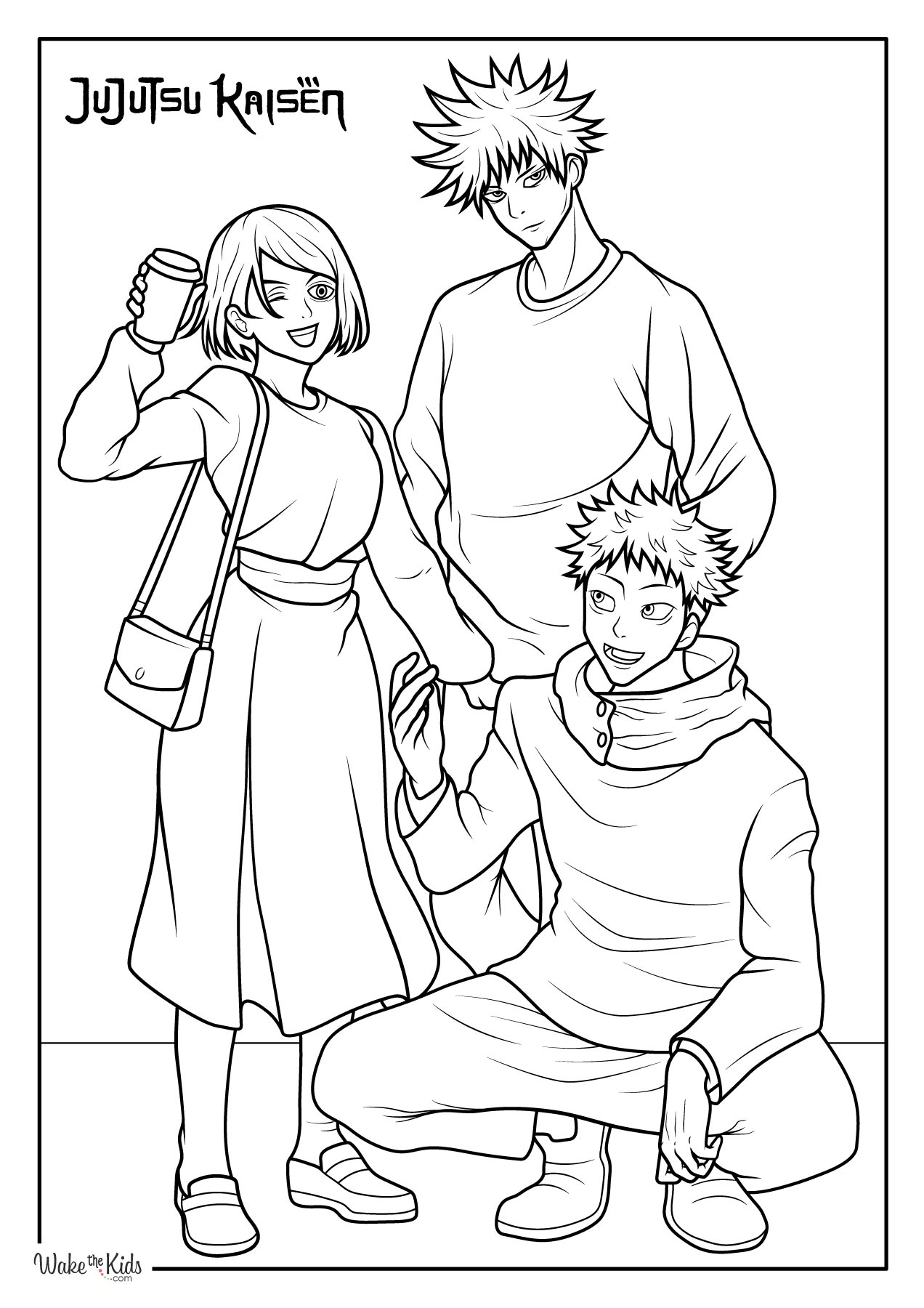
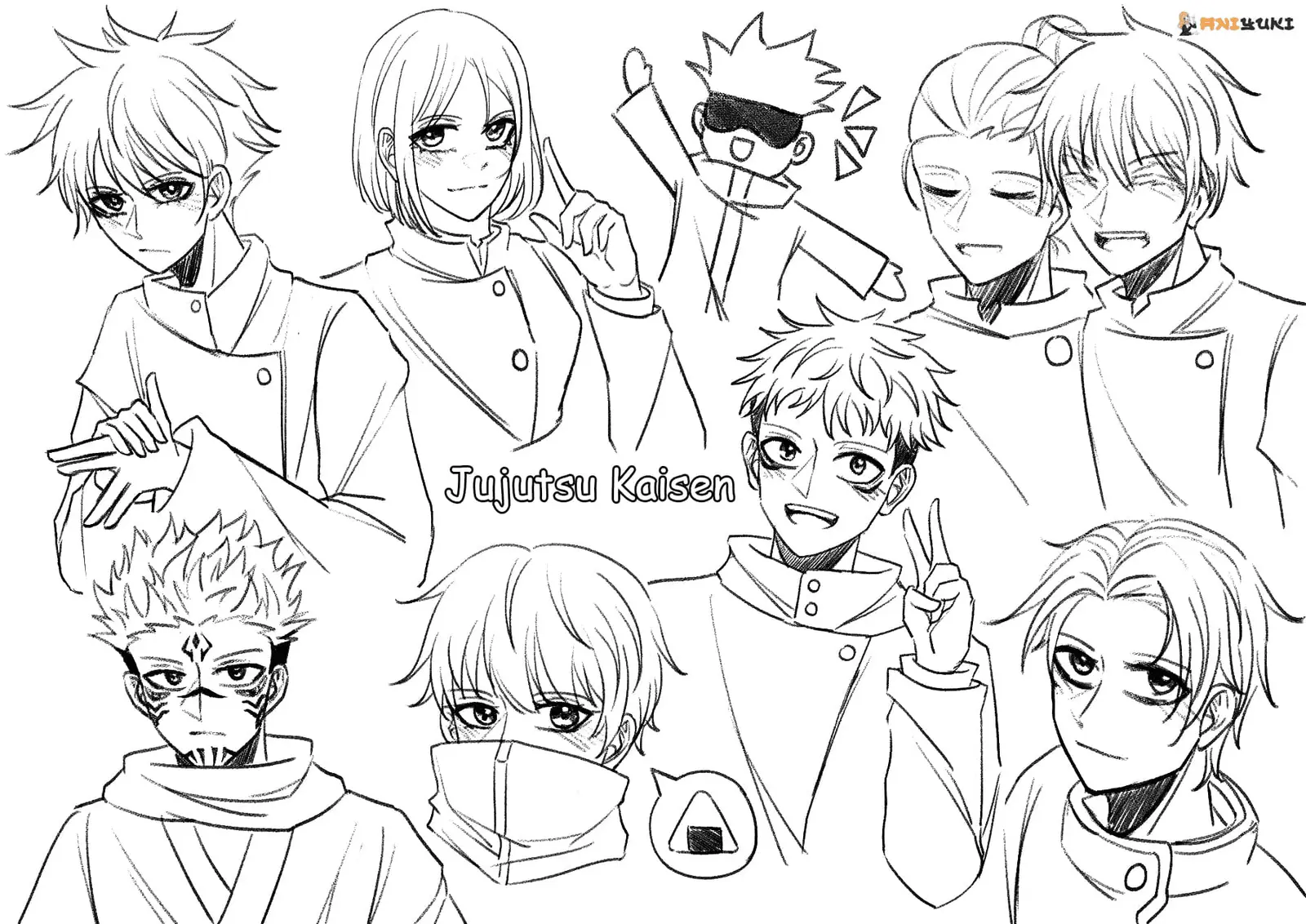
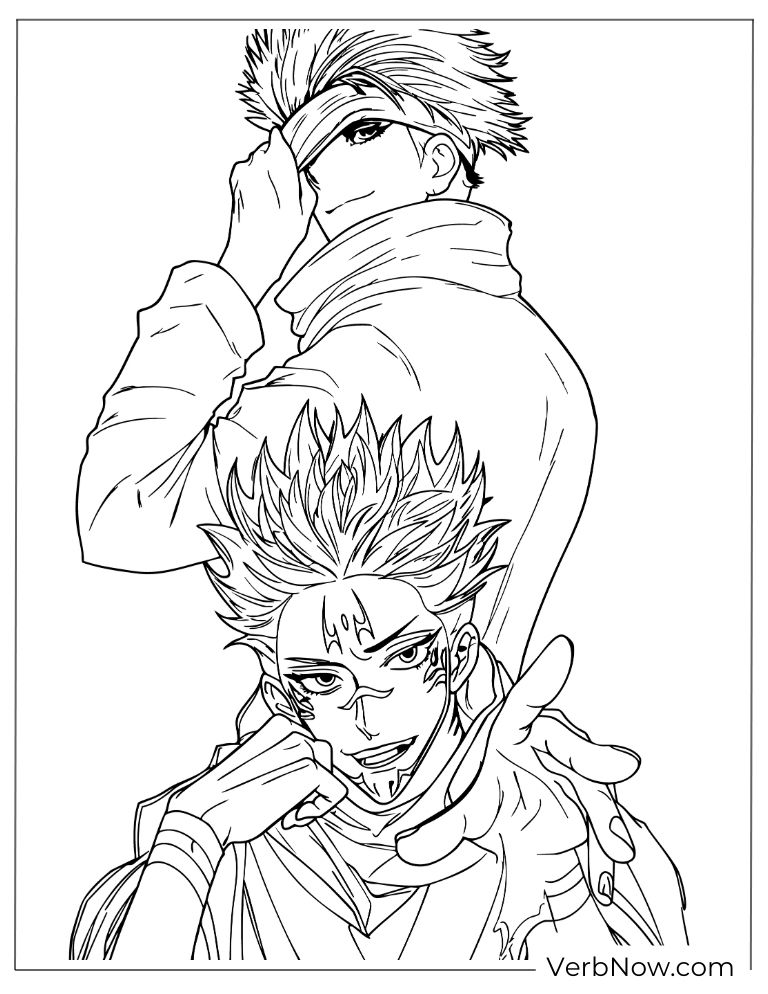
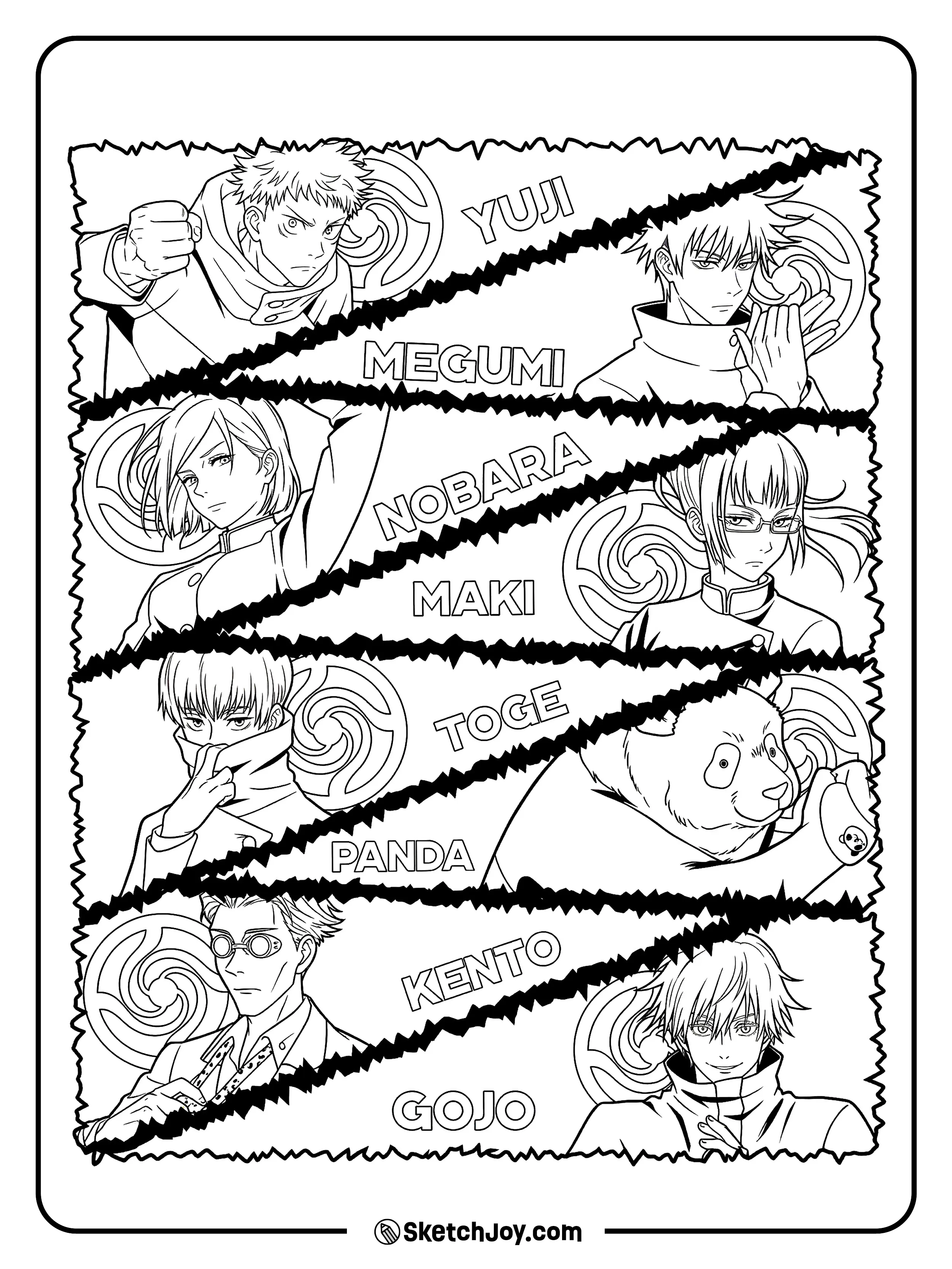
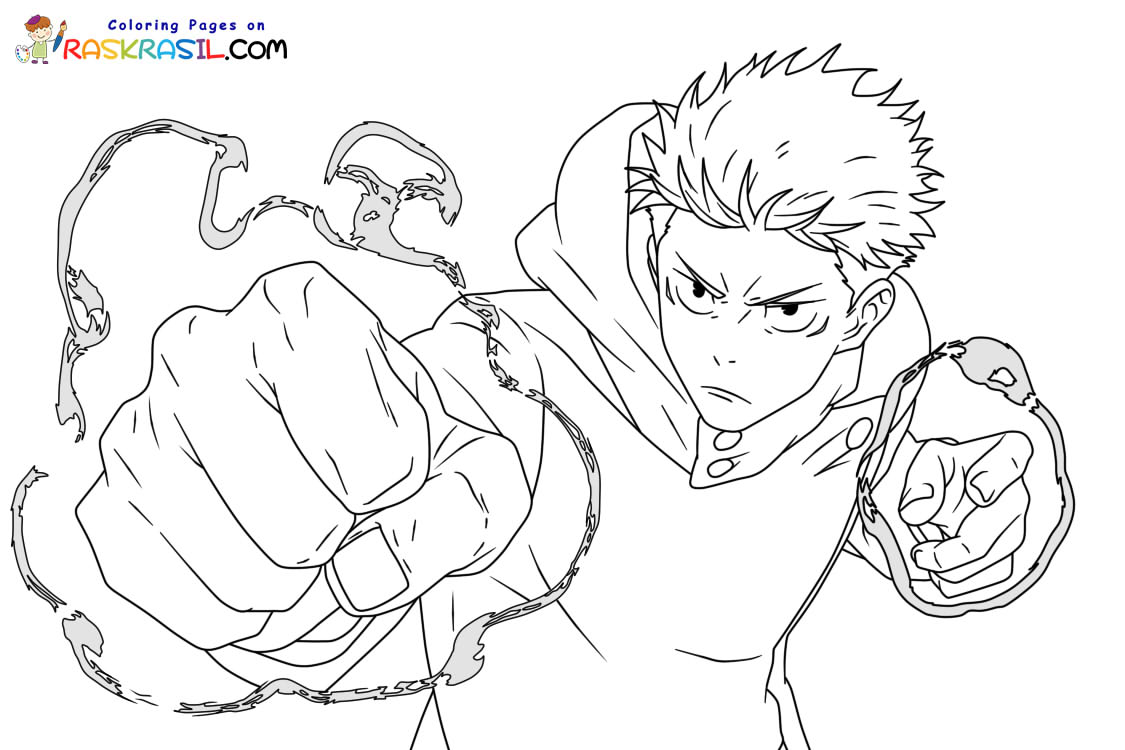
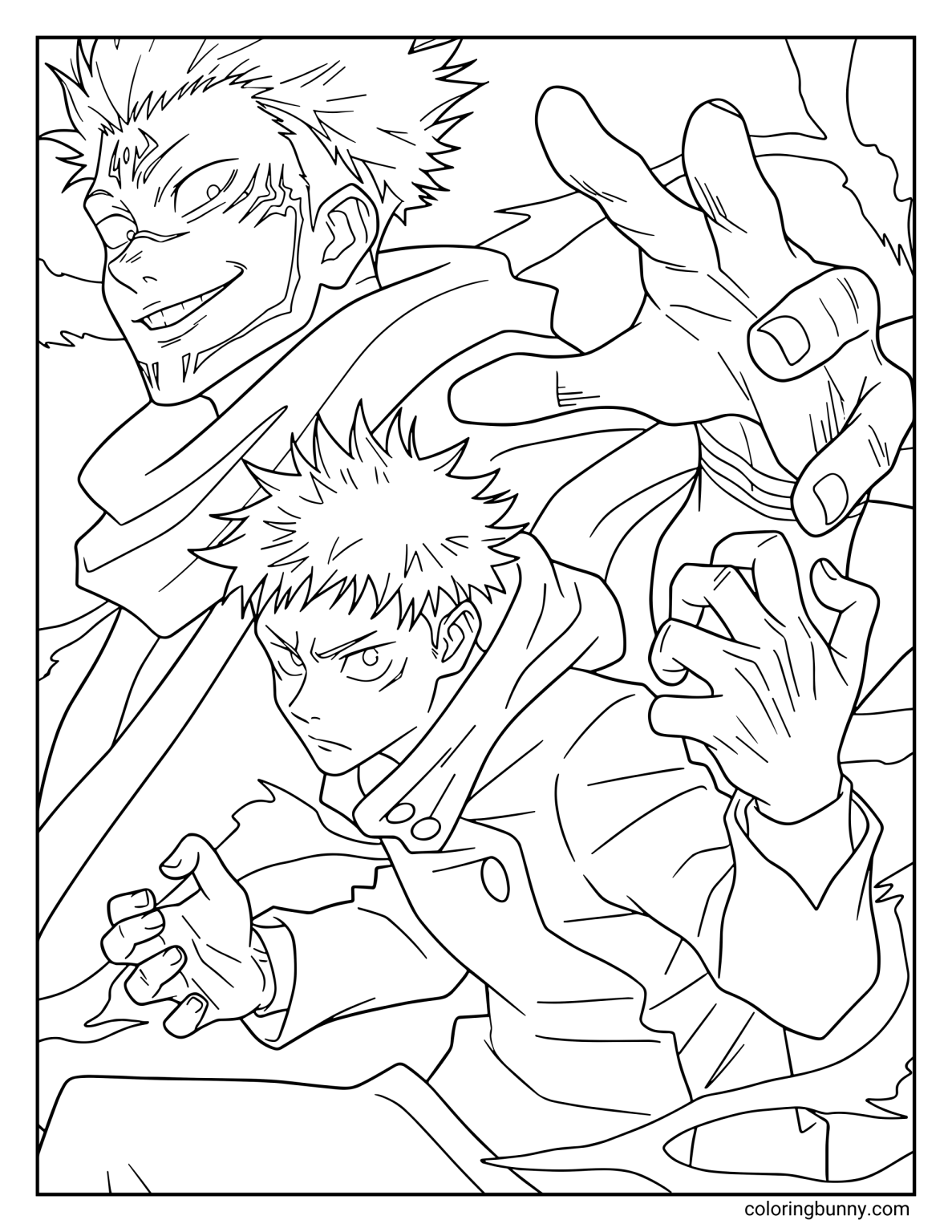
Coloring pages jujutsu kaisen provide targeted motor-skill reinforcement by integrating popular animated character themes into structured fine-motor printable worksheets. According to the National Association for the Education of Young Children (NAEYC), purposeful play and culturally relevant graphic themes strongly enhance sustained learner attention spans and fine-motor engagement during pencil-grip practice. Educators leverage these high-interest printable designs to bridge the gap between recreational interests and foundational pre-writing skill acquisition, supporting children who struggle with traditional, generic tracing sheets. By channeling enthusiasm for contemporary media into structured tactile art instruction, learning environments maintain high motivation while developing crucial distal muscle control, bilateral hand coordination, and visual-motor integration across diverse early childhood groups.
Curriculum Practice Snapshot:
- Core Focus: Fine-motor precision and pencil control using themed Jujutsu Kaisen line art.
- Target Scope: Early elementary classrooms and homeschool environments focusing on developmental grip strength.
- Key Recommendation: Pair complex boundary lines with progressive Handwriting & Tracing sheets to build hand endurance systematically.
Core Principles and Detailed Overview
Fine-motor development relies heavily on repetitive hand-eye coordination exercises that challenge learners to maintain spatial boundaries within intricate artwork. Coloring pages jujutsu kaisen feature dynamic character contours, sharp geometric shapes, and distinct clothing lines that demand precise wrist articulation and finger dexterity. When young learners trace, color, and shade complex character outlines, the intrinsic hand muscles receive the exact mechanical stimulus required to improve handwriting legibility and scissor cutting proficiency. Furthermore, utilizing high-interest Coloring Pages transforms routine occupational therapy tasks into engaging, self-directed stations that foster independent focus and patience in structured classroom settings.
Key Specifications and Breakdown
| Grade / Developmental Stage | Target Learning Skill | Instructional Strategy & Scaffolding |
|---|---|---|
| Early Childhood (Pre-K to Kindergarten) | Palmar and pincer grip strength | Use simplified, thick-lined character portraits with larger coloring zones to prevent early hand fatigue. |
| Lower Elementary (Grades 1 to 2) | Spatial boundary awareness and wrist pivoting | Implement multi-step coloring challenges featuring detailed costume patterns and dynamic action stances. |
| Upper Elementary (Grades 3 to 5) | Precision shading, pressure control, and focus | Incorporate advanced cross-hatching and value scales using stylized shonen manga character templates. |
Structured fine-motor interventions directly correlate with enhanced spatial cognition and pencil control outcomes in primary grade settings — What Works Clearinghouse (Institute of Education Sciences)
Step-by-Step Practical Application and Guidelines
Implementing thematic art sheets successfully requires a methodical progression from simple outline inspection to advanced shading techniques. First, educators should introduce the printable sheets by having learners trace the outermost perimeter lines with a thick colored marker to establish clear boundary awareness. Second, instructors guide children to select appropriate coloring mediums—such as colored pencils or fine-tip markers—that match the density and intricacy of the specific character design. Finally, educators assess grip posture and hand stability during the active filling phase, providing immediate corrective feedback on hand positioning and paper stabilization before moving students on to more rigorous Worksheets and academic tasks.
Common Challenges and How to Avoid Them
Frustration regarding complex lines and accidental boundary breaches often occurs when learners attempt highly detailed shonen character art before developing adequate finger strength. Educators prevent this by grading printables carefully, offering simplified character portraits for beginners before advancing to intricate action poses that require intense micro-movements. Another frequent hurdle involves rushing through the activity, which compromises the intended motor-control benefits; educators mitigate this by setting specific textural goals, such as blending colors smoothly or maintaining solid coverage within uniform clothing sections. Integrating targeted Learning Activities alongside these coloring sessions ensures that fine-motor practice remains balanced with cognitive engagement.
💬 Frequently Asked Questions
Explore More Early Learning and Classroom Resources on Knowalla
Maintaining high engagement in early childhood and primary classrooms requires a diverse supply of adaptable printables, structural templates, and skill-building exercises. Educators and homeschool parents can access thousands of professional, classroom-tested materials by browsing the centralized Teacher Resources collection, ensuring every student receives balanced support across motor, artistic, and academic domains.
Printable Coloring Page Previews