Introduction
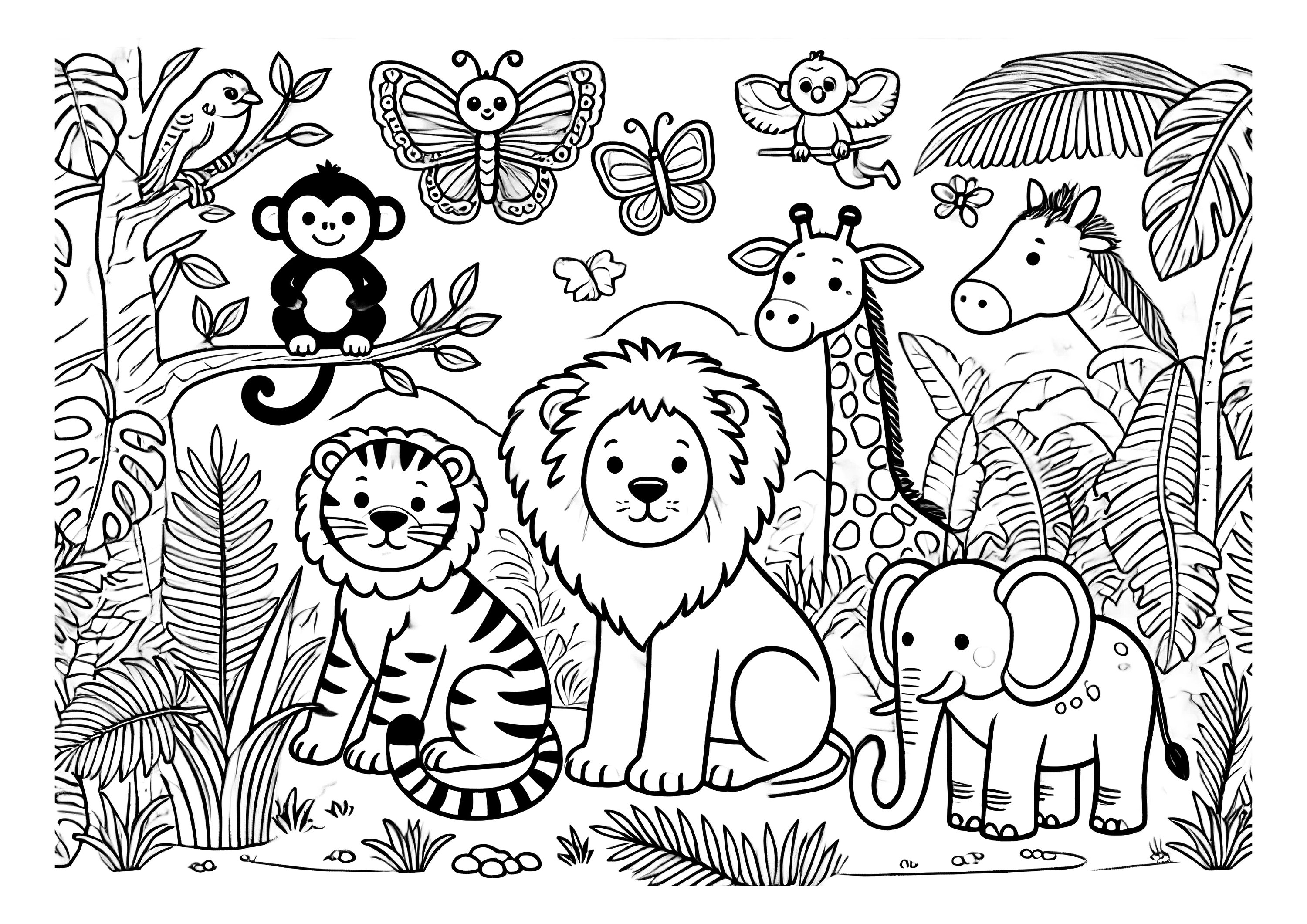
Coloring pages jungle resources serve as targeted instructional printables that combine fine-motor skill development with thematic life science exploration. According to the National Association for the Education of Young Children (NAEYC), intentional manipulation of writing and coloring tools builds the intrinsic hand strength and bilateral coordination foundational for later academic success. Educators and curriculum specialists utilize these printables across preschool and kindergarten classrooms to merge artistic expression with ecological vocabulary acquisition, transforming simple seatwork into rich multisensory learning opportunities. Integrating thematic Coloring Pages within daily centers offers an accessible entry point for diverse learners, supporting both English language development and tactile exploration.
Curriculum Practice Snapshot:
- Core Focus: Fine-motor precision and biodiversity vocabulary enhancement.
- Target Scope: Early childhood education classrooms, homeschool environments, and developmental therapy settings.
- Key Recommendation: Pair botanical illustrations with tactile tracing variations to reinforce foundational writing mechanics.
Core Principles and Detailed Overview
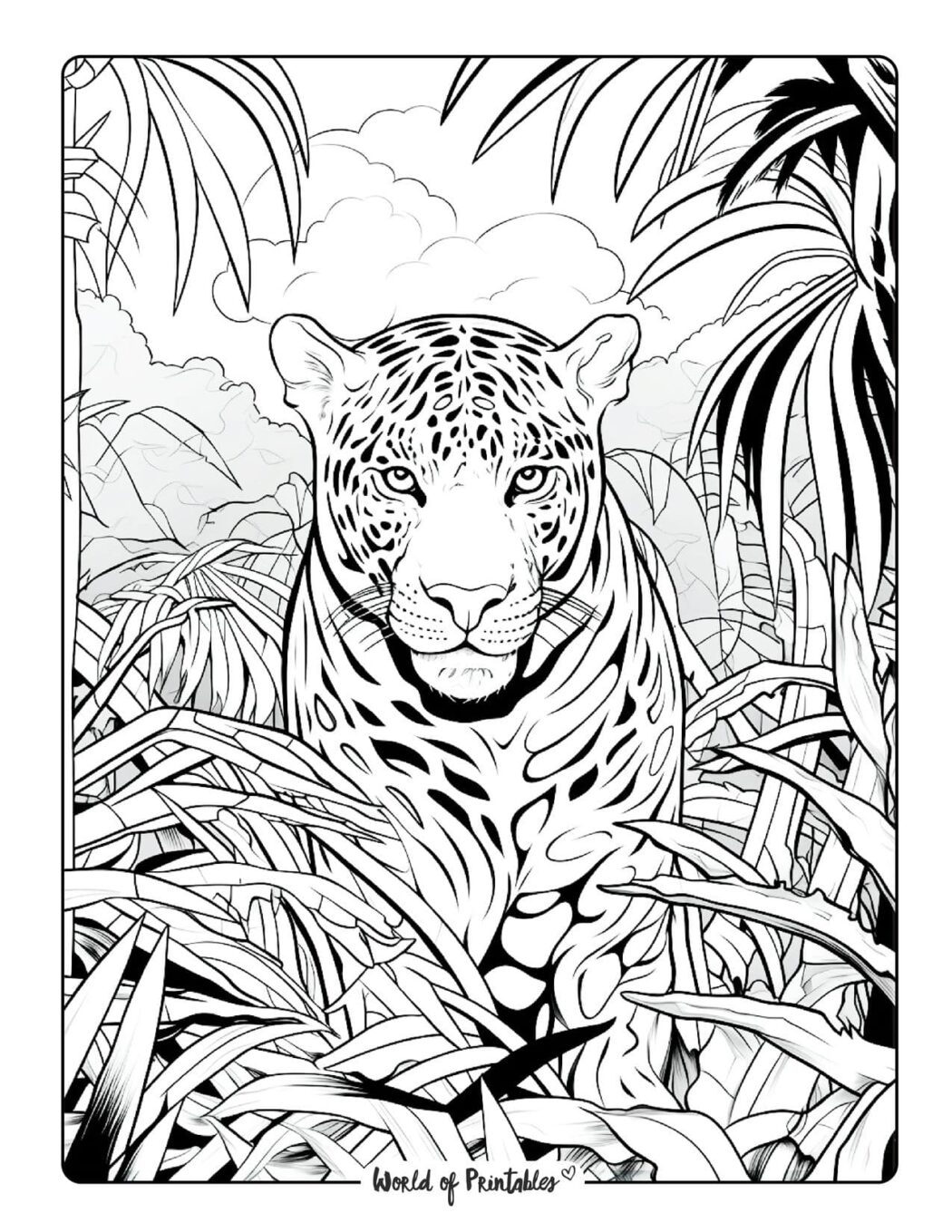
Coloring pages jungle materials systematically bridge artistic engagement with cognitive skill acquisition through structured visual stimuli. Direct execution of controlled pencil strokes within intricate rainforest borders reinforces the exact biomechanical control documented in foundational Handwriting & Tracing frameworks. As children navigate complex outlines of canopy layers, exotic flora, and tropical fauna, spatial awareness and visual-motor integration mature simultaneously. Instructional designers construct these printables with deliberate line weights to accommodate emerging grasps, ensuring that students transition smoothly from palmar grasps to efficient tripod grips while interacting with engaging environmental themes.
Key Specifications and Breakdown
| Grade / Developmental Stage | Target Learning Skill | Instructional Strategy & Scaffolding |
|---|---|---|
| Pre-K (Ages 3-4) | Palmar-to-digital grasp transition and boundary recognition | Utilize thick, bold border lines paired with oversized tropical animal shapes. |
| Kindergarten (Ages 5-6) | Pincer control and habitat classification vocabulary | Integrate labeling exercises alongside Worksheets featuring rainforest layers. |
| 1st Grade (Ages 6-7) | Complex stamina building and narrative sequencing | Incorporate multi-step Learning Activities connecting colored plates to descriptive writing. |
Structured fine-motor practice utilizing thematic visual media directly correlates with measurable gains in pencil control and spatial organization. — What Works Clearinghouse (IES)
Step-by-Step Practical Application and Guidelines
Implementing jungle-themed artistic printables requires a deliberate three-phase instructional sequence to maximize both engagement and developmental output. Educators begin by introducing the biological vocabulary associated with the specific printout, such as emergent layer, understory, or epiphyte, building explicit background knowledge before pen meets paper. Next, instructors model appropriate pencil grip and stroke directionality on a projected display sheet, explicitly demonstrating how to manage complex curves and overlapping botanical forms. Finally, students independently complete the resource while instructors circulate the room to provide formative feedback regarding pressure modulation, hand posture, and spatial orientation.
Common Challenges and How to Avoid Them
Hand fatigue and frustration with intricate boundary lines represent the most frequent obstacles encountered during extended coloring sessions. Instructors mitigate muscle strain by limiting continuous coloring intervals to ten-minute blocks and incorporating brief hand-stretching exercises between activities. Additionally, matching the complexity of the printable to the precise developmental readiness of the child prevents cognitive overload; early learners benefit from simplified outlines, whereas advanced students thrive on dense botanical patterns that require sustained focus and deliberate speed reduction.
💬 Frequently Asked Questions
Explore More Early Learning and Classroom Resources on Knowalla
Maximizing student engagement across early childhood curricula requires access to diverse, high-quality instructional assets. Educators and caregivers can discover a comprehensive repository of targeted teaching tools by visiting the main Teacher Resources collection, or by navigating directly to Knowalla to explore thousands of printable worksheets, tracing drills, and thematic learning materials designed for modern classrooms.
Printable Coloring Page Previews