Introduction
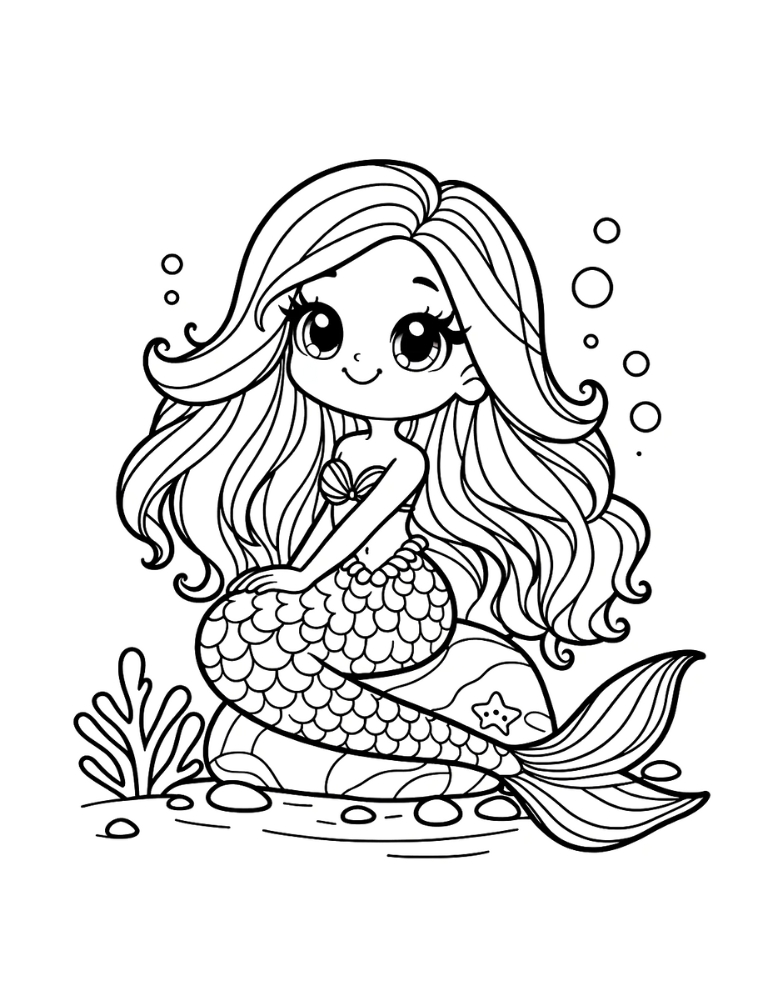
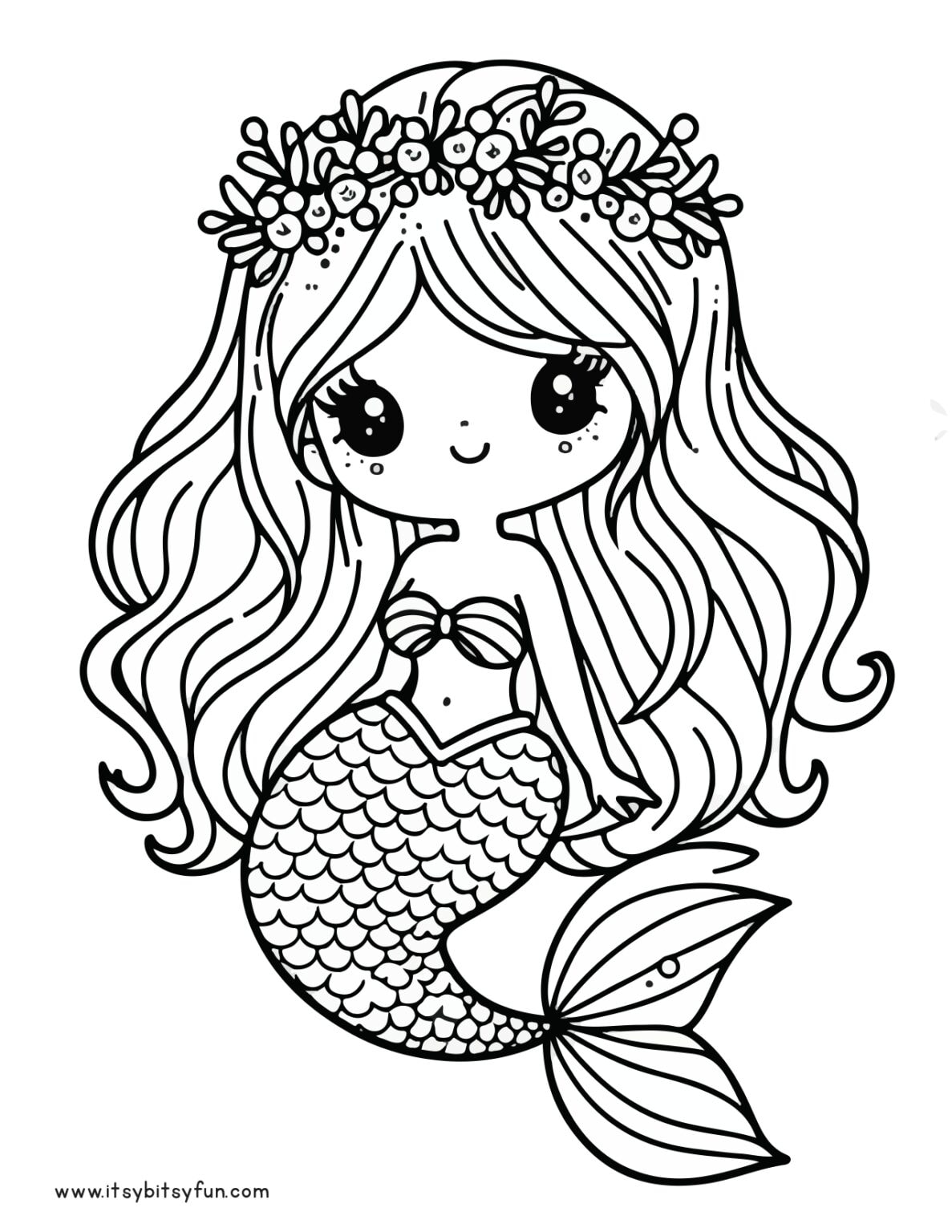
Coloring pages mermaid resources serve as targeted instructional tools designed to build foundational fine-motor control, spatial awareness, and creative expression in early childhood classrooms. According to the National Association for the Education of Young Children (NAEYC), intentional manipulation of writing and coloring implements significantly enhances the small muscle development required for future academic mastery. Integrating thematic printable assets into daily Learning Activities captures young learners’ intrinsic motivation while supporting deliberate practice in pencil grip, hand-eye coordination, and bilateral integration. Educators and homeschool parents leverage these specialized assets to bridge the gap between recreational art and structured motor skill acquisition, ensuring that early learners build essential physical endurance for writing.
Curriculum Practice Snapshot:
- Core Focus: Utilizing targeted mermaid-themed coloring sheets to strengthen fine-motor precision and visual-spatial tracking.
- Target Scope: Early childhood education settings, pre-kindergarten, and primary elementary grade bands.
- Key Recommendation: Pair thematic coloring exercises with sequential Handwriting & Tracing sheets to reinforce wrist stabilization.
Core Principles and Detailed Overview
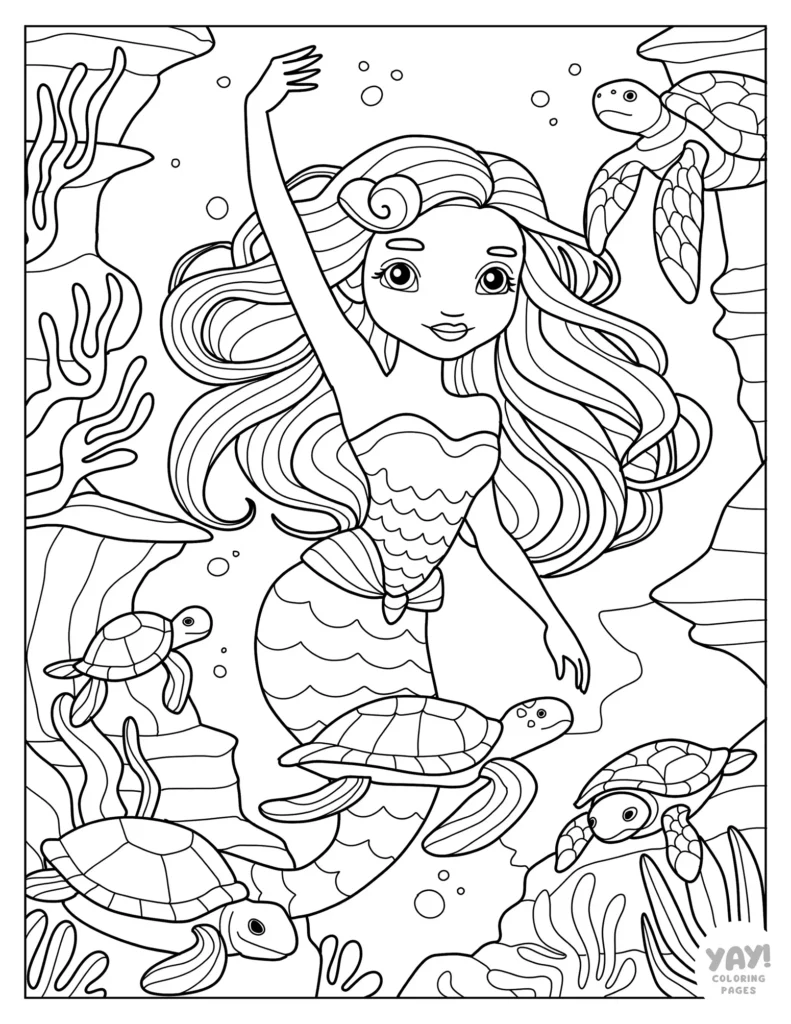
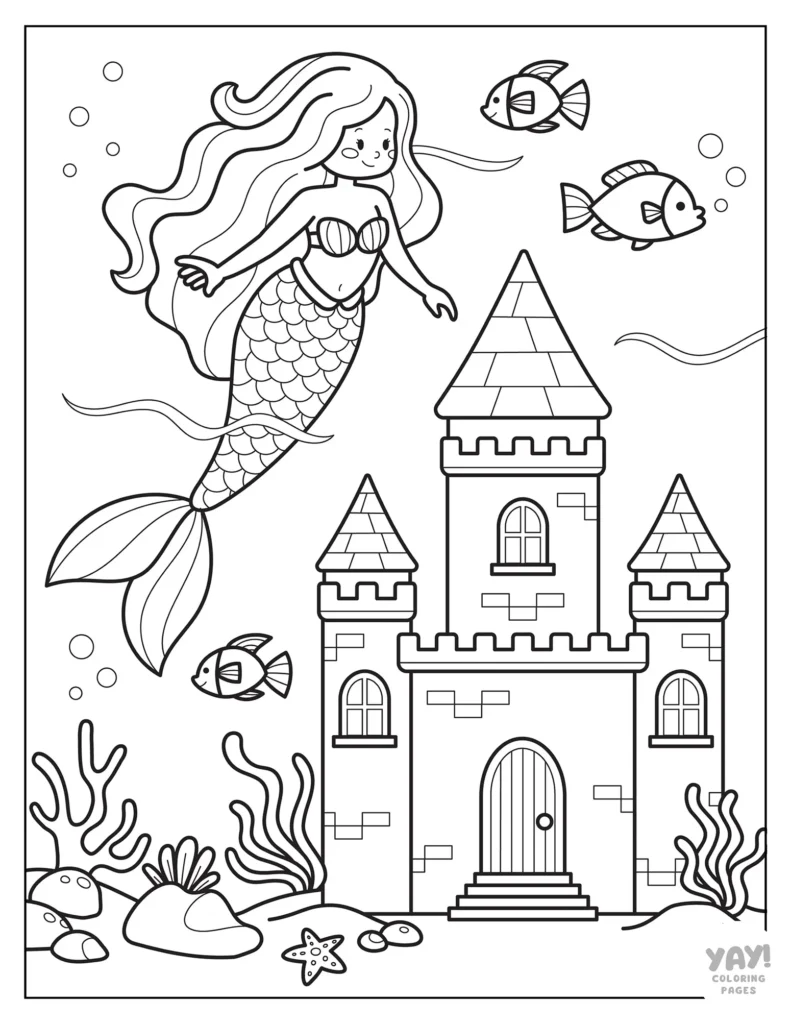
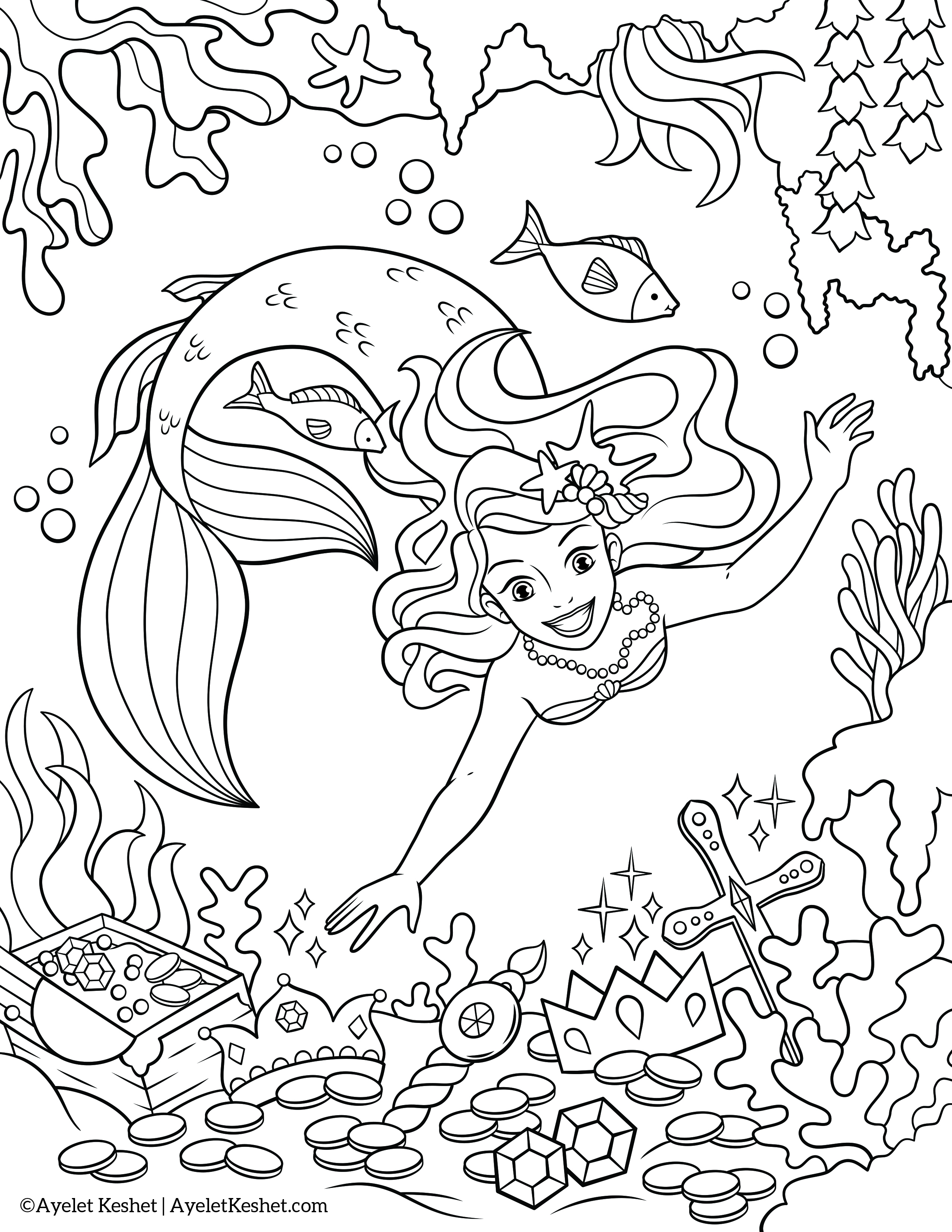
Coloring pages mermaid content functions as a multisensory instructional asset that systematically builds foundational hand strength and visual attention spans in young children. Direct answer: These specialized graphic sheets require students to execute controlled wrist and finger movements to stay within complex, curving boundaries, thereby promoting neurological pathways linked to writing fluency. When children navigate intricate scales, flowing hair, and detailed oceanic backgrounds, the brain coordinates visual input with precise motor execution. This targeted practice directly supports academic readiness benchmarks found across standard Worksheets designed for kindergarten and preschool classrooms. Furthermore, incorporating engaging fantasy themes reduces task avoidance, keeping early learners focused on sustained fine-motor manipulation for longer operational intervals.
Key Specifications and Breakdown
| Grade / Developmental Stage | Target Learning Skill | Instructional Strategy & Scaffolding |
|---|---|---|
| Pre-K (Ages 3-4) | Palmar to pincer grasp transition | Use thick-lined, large-element designs with broad color blocks |
| Kindergarten (Ages 5-6) | Directional control and boundary adherence | Integrate dotted border outlines and guided color-key legends |
| Early Elementary (Ages 6-7) | Complex spatial tracking and shading | Provide detailed background elements requiring micro-wrist movements |
Early fine-motor intervention strategies significantly correlate with enhanced graphomotor competence and letter formation accuracy in primary school grades — What Works Clearinghouse (IES). Related guide: Coloring Pages Dumplings.
Step-by-Step Practical Application and Guidelines
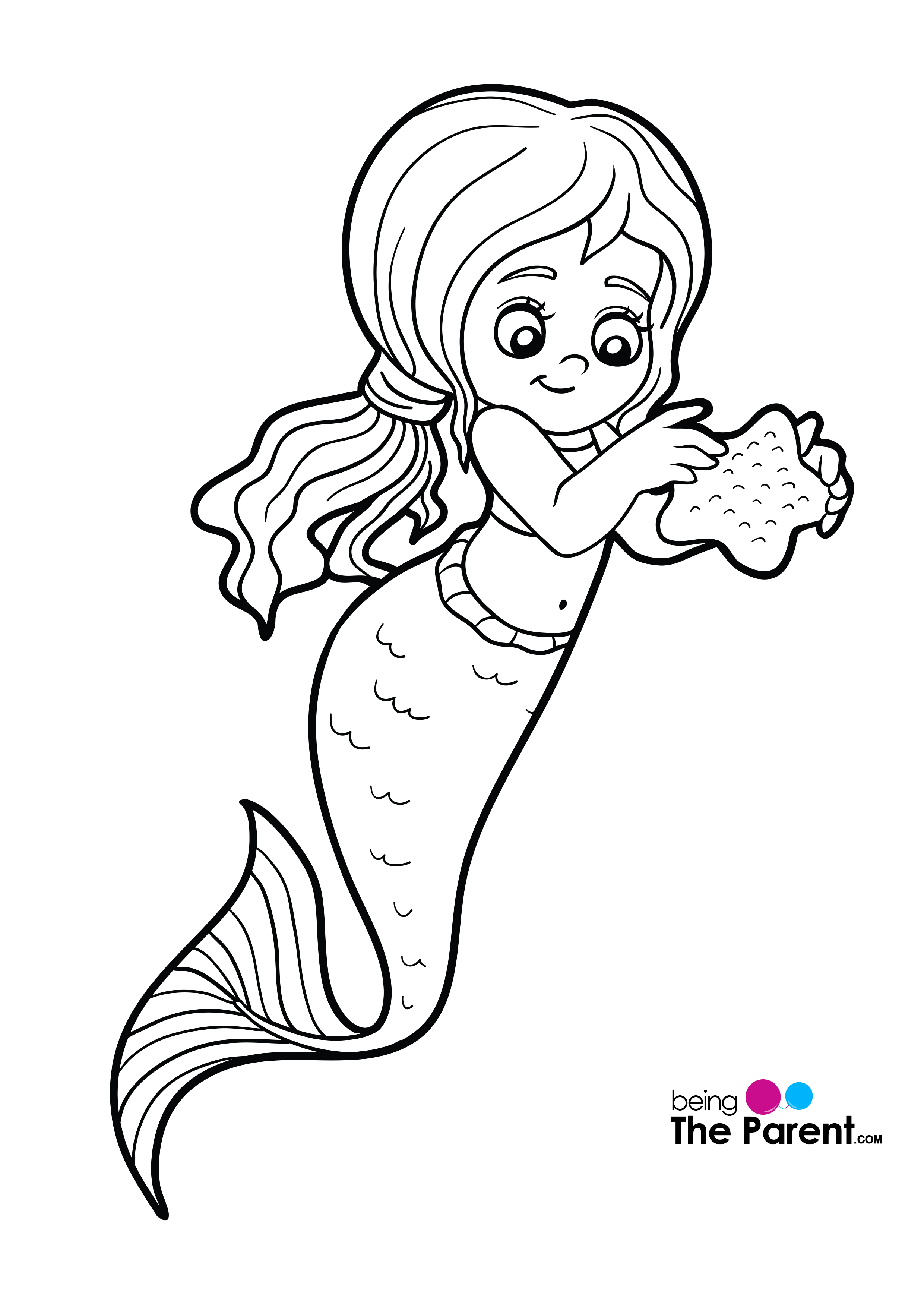
Implementing mermaid coloring assets effectively requires a structured, multi-phase instructional approach that prioritizes proper ergonomics and tool selection. Direct answer: Educators should first inspect student grip mechanics, introduce appropriate coloring mediums based on developmental readiness, and systematically scaffold the complexity of the printable designs over time. Begin by establishing correct seated posture with feet flat on the floor and paper stabilized at a comfortable working angle. Next, select coloring instruments—such as triangular crayons for younger children or colored pencils for older students—that encourage an efficient tripod grip. Finally, guide learners to outline the perimeter of the mermaid illustration before filling in internal details, reinforcing directional control and spatial planning standards often highlighted in professional Teacher Resources.
Common Challenges and How to Avoid Them
Addressing common fine-motor fatigue and frustration during coloring sessions prevents negative associations with independent seatwork activities. Direct answer: Educators eliminate hand cramping and hurried scribbling by deliberately pacing art tasks, providing appropriately sized writing utensils, and selecting designs with line weights matched to student developmental stages. When children rush through detailed sheets, instructors can introduce tactile boundaries or split the coloring task into manageable sections across multiple learning rotations. Additionally, ensuring that students utilize an ergonomic grasp rather than a tight, closed-fist fist prevents premature muscle exhaustion. Providing positive reinforcement for sustained effort rather than flawless visual output maintains high engagement levels across diverse ability groups.
💬 Frequently Asked Questions
Explore More Early Learning and Classroom Resources on Knowalla
Discover an extensive digital library designed to support early childhood educators, homeschool parents, and primary classroom teachers by visiting Knowalla. Explore curated collections featuring professional-grade Coloring Pages, comprehensive handwriting practice sheets, and engaging pedagogical materials tailored to foster holistic student development.
Printable Coloring Page Previews