
Introduction
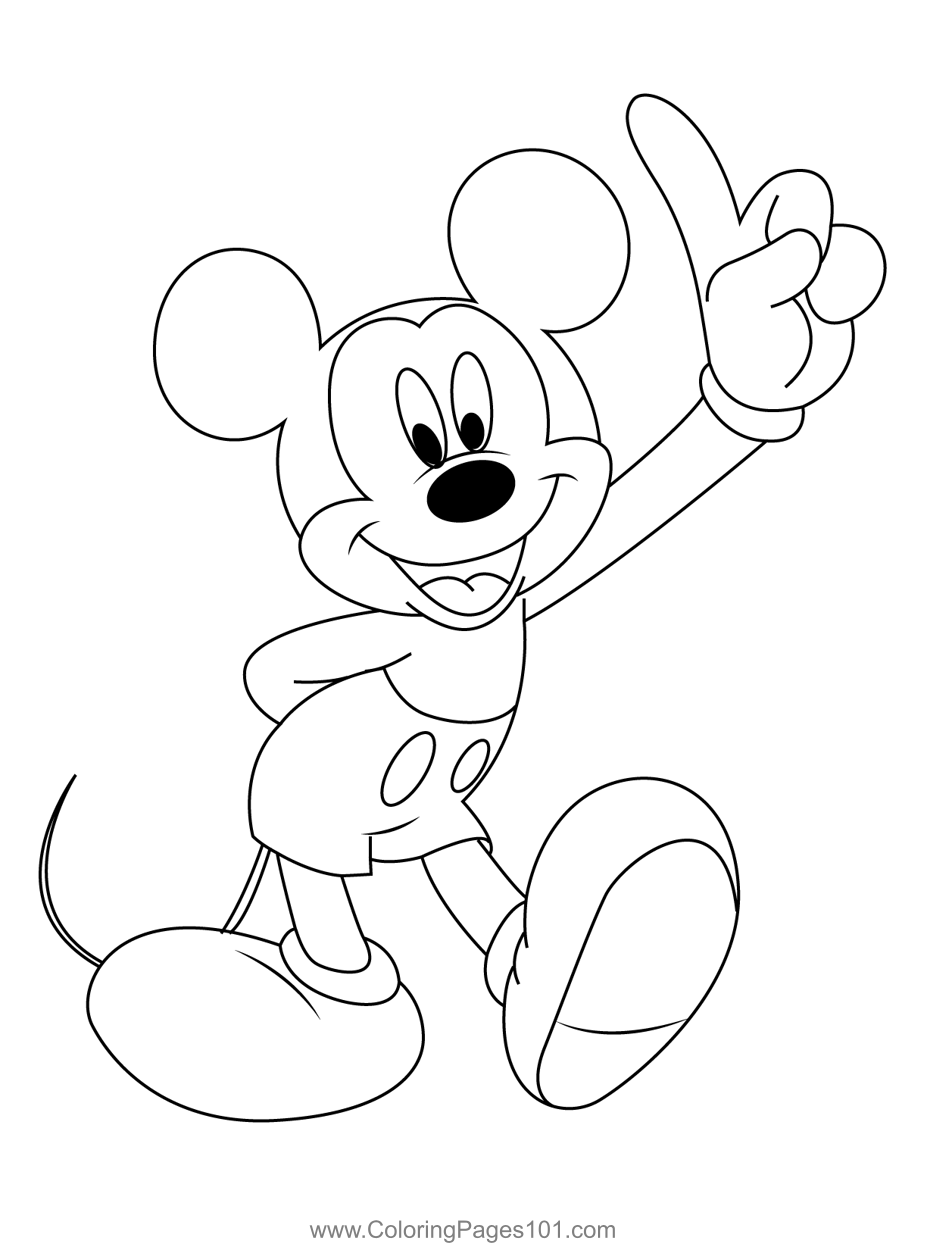
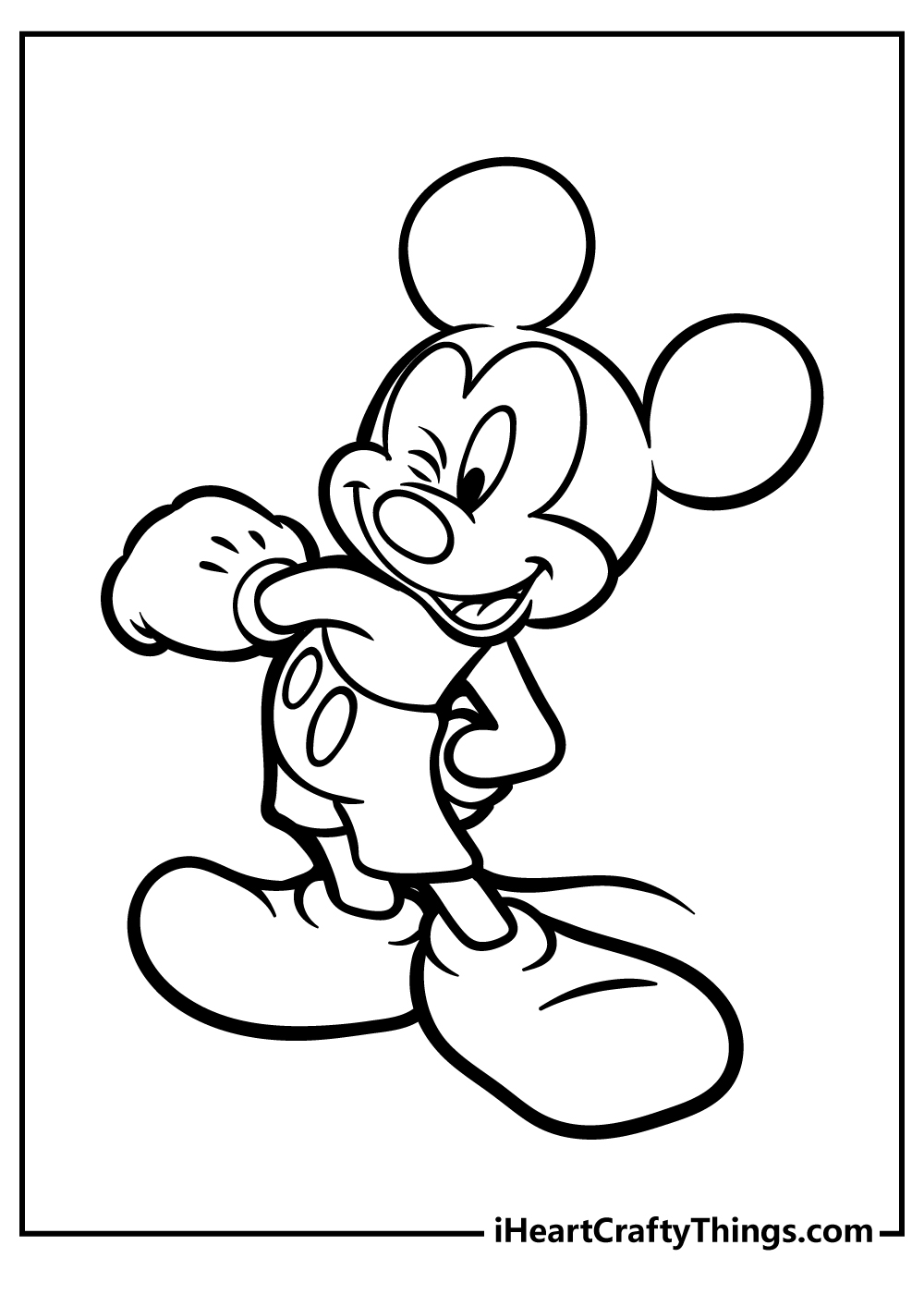
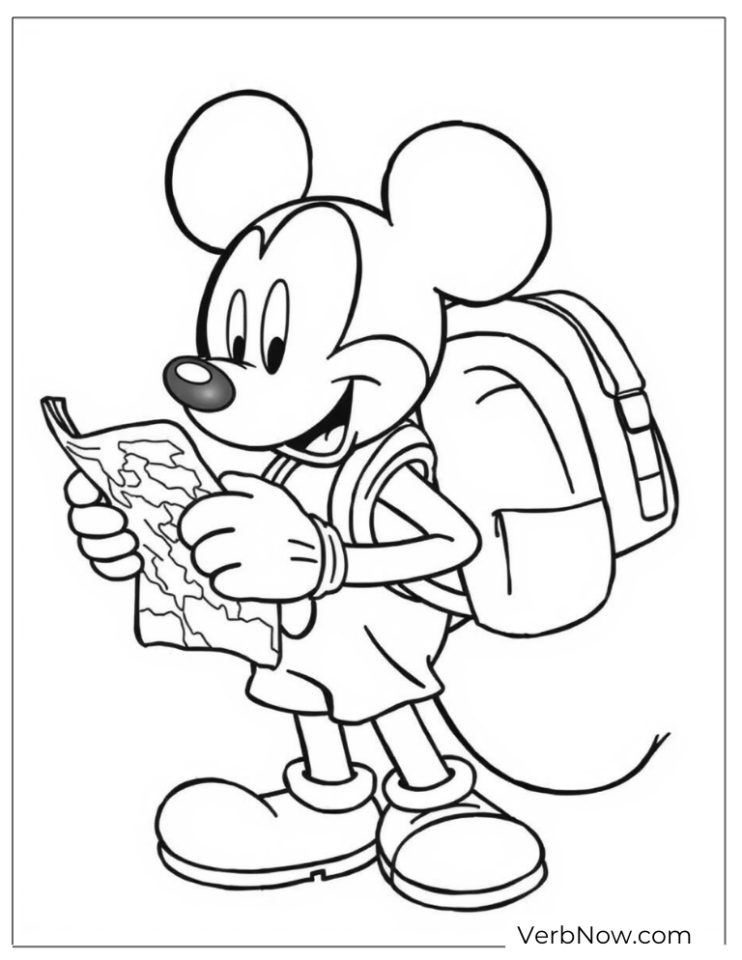
Coloring pages mickey mouse serve as a powerful multimodal instructional tool that simultaneously engages young learners in fine-motor skill enhancement, visual-spatial processing, and creative expression. According to the National Association for the Education of Young Children (NAEYC), intentional play-based learning activities that incorporate familiar character recognition significantly boost student engagement and accelerate fine-motor coordination milestones in early childhood settings. By transforming standard grip practice into familiar cartoon exploration, educators and homeschool parents can effectively reduce cognitive load while optimizing hand-eye coordination. Integrating these thematic printable sheets into daily lesson plans provides children with structured opportunities to build intrinsic motivation, strengthen small muscle control, and master pencil grip through enjoyable, low-pressure tasks. Furthermore, structured exploration of Coloring Pages supports the foundational prerequisites needed for advanced writing mechanics and artistic confidence in primary grade classrooms.
Curriculum Practice Snapshot:
- Core Focus: Fine-motor strengthening and character-based visual-spatial practice utilizing coloring pages mickey mouse.
- Target Scope: Early childhood education, preschool, kindergarten, and homeschool environments.
- Key Recommendation: Pair thematic coloring sheets with targeted Handwriting & Tracing sheets to maximize pencil control development.
Core Principles and Detailed Overview
Deliberate practice with coloring pages mickey mouse strengthens intrinsic hand muscles, improves bilateral coordination, and fosters spatial awareness essential for early writing and geometric comprehension. When young children maneuver crayons or colored pencils within distinct boundary lines, the intrinsic muscles of the hand undergo essential strengthening that directly correlates with proper pencil grip maturity. Educators frequently leverage recognizable characters to maintain high student attention spans during independent station work and structured Learning Activities. Scaffolded complexity levels—ranging from thick, bold outlines for toddlers to intricate geometric patterns for kindergarteners—ensure that educators can easily differentiate instruction to match diverse developmental needs within a single classroom.
Key Specifications and Breakdown
| Grade / Developmental Stage | Target Learning Skill | Instructional Strategy & Scaffolding |
|---|---|---|
| Pre-K / Ages 3-4 | Gross motor coloring, palm grasp transition, and boundary awareness. | Utilize thick, simplified outlines with minimal interior details and large filling zones. |
| Kindergarten / Ages 5-6 | Pincer grasp refinement, directional control, and color blending. | Provide intermediate designs featuring geometric backgrounds and pattern-tracing borders. |
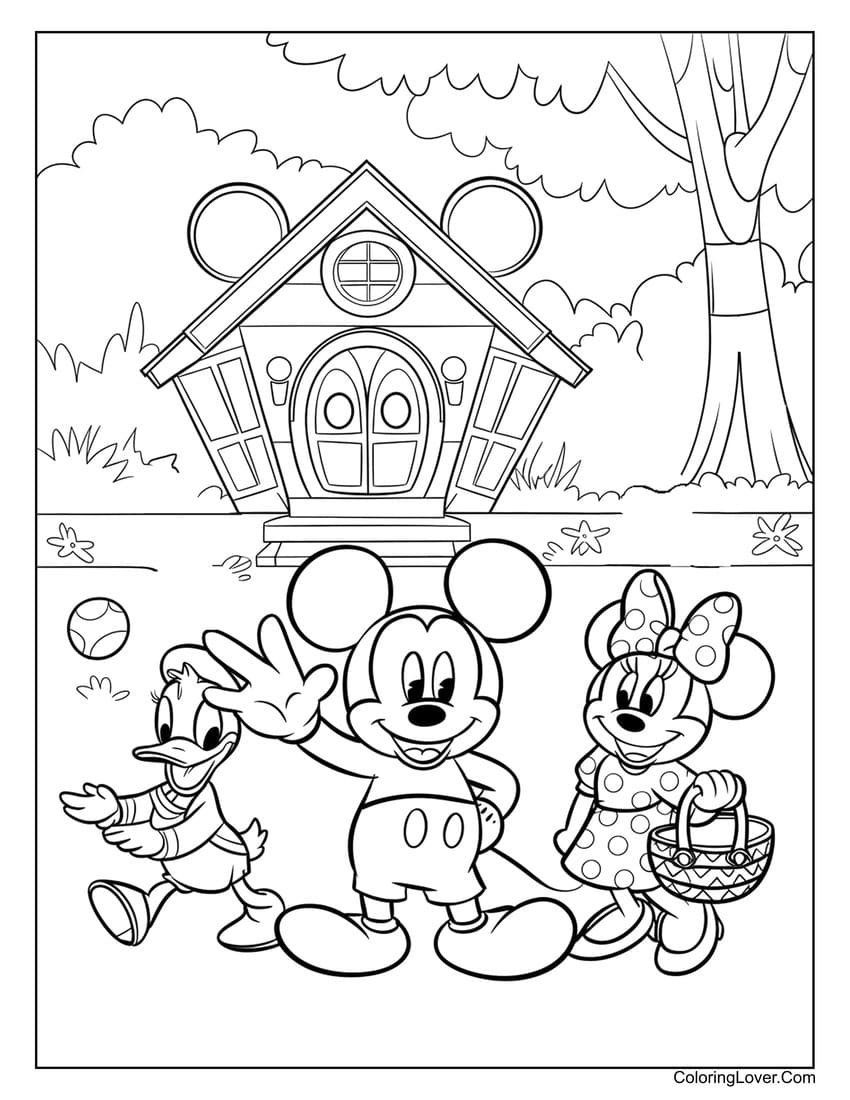
| Early 1st Grade / Ages 6-7 | Precision motor control, sustained focus, and narrative sequencing. | Incorporate multi-character scenes requiring detailed shading and spatial planning. |
Structured fine-motor interventions and visual art integration yield measurable improvements in early pencil control and spatial dexterity — National Center for Education Statistics (NCES). Related guide: Coloring Pages Hello Kitty And Friends.
Printable Coloring Page Previews





Step-by-Step Practical Application and Guidelines
Implementing coloring pages mickey mouse effectively requires a deliberate three-step instructional sequence that transitions students from guided motor warm-ups to independent creative execution. First, educators introduce the printable sheet during a whole-group session, explicitly demonstrating correct pencil grip, posture, and edge-to-edge coloring techniques. Second, students transition to independent or small-group work stations, applying the modeled strategies while working at individualized developmental paces. Third, instructors facilitate a reflective peer-sharing circle where children describe their color choices, discuss spatial boundaries, and review their fine-motor achievements. This systematic approach ensures that casual coloring sessions function as rigorous, skill-building Worksheets designed to promote lasting neurological and physical development.
Common Challenges and How to Avoid Them
Over-reliance on unstructured coloring without clear developmental objectives often limits the educational efficacy of character-based printables in modern classrooms. Educators sometimes mistake passive coloring for active skill mastery, failing to monitor proper grip formation or hand fatigue during extended sessions. To prevent grip regression and hand cramping, instructors must actively enforce ergonomic tool selection, limit continuous coloring duration to manageable ten-minute intervals, and pair artistic tasks with structured Teacher Resources that provide holistic developmental tracking. Establishing clear expectations regarding line boundary adherence and color persistence transforms recreational printables into powerful diagnostic tools for fine-motor assessment.