Introduction
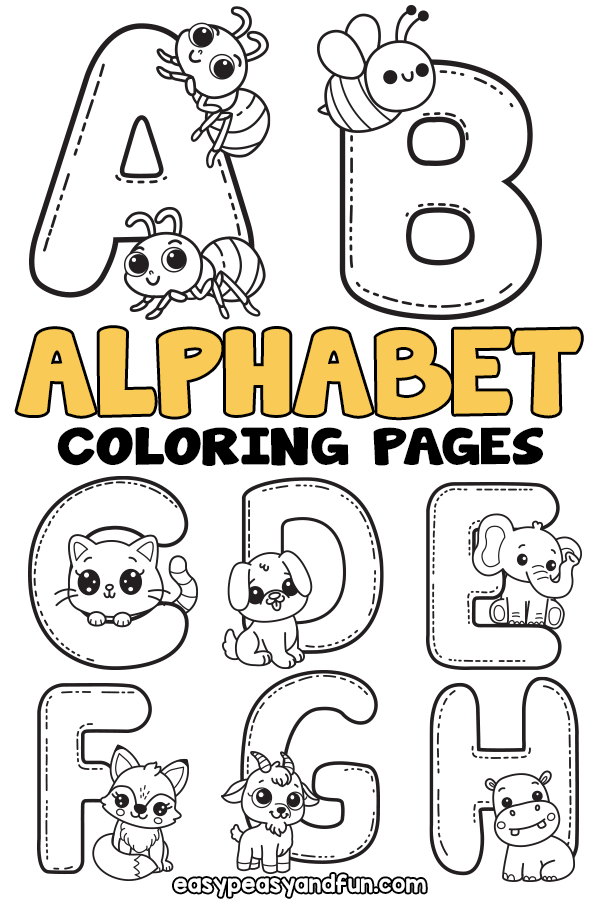
Coloring pages autumn represent structured creative printables and offline templates utilized in educational settings to balance screen time and foster hands-on student engagement. According to ConnectSafely, integrating offline tactile activities such as seasonal art resources directly reduces children’s continuous screen exposure while supporting healthy digital boundaries in schools and homes. Educational institutions deploy these seasonal printables to manage classroom screen balance, mitigate digital fatigue, and provide safe physical alternatives during curriculum breaks. Navigating digital resources securely requires robust awareness of online environments, making traditional tactile assets a valuable complement to web-based learning tools found across platforms like Coloring Pages.
Digital Safety Snapshot:
- Core Focus: Utilizing autumn-themed coloring resources to reduce unnecessary device hours and promote balanced classroom screen management.
- Target Scope: Educational settings, middle school art integration, and home-based digital citizenship frameworks.
- Key Recommendation: Source printables from vetted offline repositories to minimize exposure to unverified web trackers and third-party advertising cookies.
Core Principles and Detailed Overview
Protecting student digital wellbeing involves intentionally shifting focus from continuous online navigation to secure, offline educational tasks like autumn coloring templates. Direct safety integration requires educators and parents to scrutinize the web portals where digital downloads originate, preventing exposure to malicious adware, phishing links, and accidental malware downloads disguised as free seasonal assets. Ensuring complete device hygiene means clearing browser caches after downloading seasonal materials, updating school-issued tablet security protocols, and teaching students how to identify legitimate, safe educational repositories instead of unverified commercial websites. Emphasizing offline art integration supports cognitive development while reinforcing core lessons taught within Internet and Digital Safety curriculums across participating educational districts.
Key Specifications and Breakdown
| Safety Pillar | Digital Risk Factor | Actionable Protective Habit |
|---|---|---|
| Device Hygiene | Malware embedded in free PDF downloads | Utilize pre-vetted educational servers and district-approved portals |
| Screen Balance | Digital fatigue and excessive blue light exposure | Schedule mandatory offline creative intervals using physical art assets |
| Data Privacy | Third-party tracking cookies on unverified art sites | Disable targeted browser ads and deploy strict school content filters |
Balancing digital integration with structured offline activities significantly reduces adolescent cyber fatigue and reinforces healthy device management habits. — Cybersecurity & Infrastructure Security Agency (CISA)
Step-by-Step Practical Application and Guidelines
Establishing a secure routine for acquiring and utilizing autumn art materials demands strict adherence to institutional safety protocols. First, educators and parents must download PDF templates strictly from trusted educational archives rather than unverified search engine results. Second, administrators should configure network firewalls to block pop-up advertisements commonly found on free printable websites. Third, students must be instructed to close browser windows immediately upon completing file retrieval, practicing good digital housekeeping. Finally, combining these physical art activities with structured discussions on Worksheets fosters comprehensive digital citizenship awareness without risking online exposure.
Common Challenges and How to Avoid Them
Unregulated web searches for seasonal art materials frequently expose students to malvertising, malicious redirects, and inappropriate third-party content. Educators avoid these vulnerabilities by pre-downloading and locally storing required PDF assets onto secure school servers before instructional periods begin. Furthermore, strict device monitoring ensures students do not wander away from approved educational portals into unsecured commercial domains. Implementing strict content filters and educating adolescents on identifying suspicious hyperlink structures prevents accidental network compromises during routine classroom activities.
💬 Frequently Asked Questions
Explore More Kids Safety and Digital Citizenship Guides on SafeWiredSchools
Maintaining comprehensive digital safety requires continuous education across all facets of modern technology use. Discover additional strategies, expert-backed resources, and protective frameworks designed for educators, administrators, and families by visiting the complete library at Safe Wired Schools. For specialized guidance on safeguarding daily browsing habits, review the expert insights hosted under Online and Digital Safety.
Printable Coloring Page Previews