Introduction
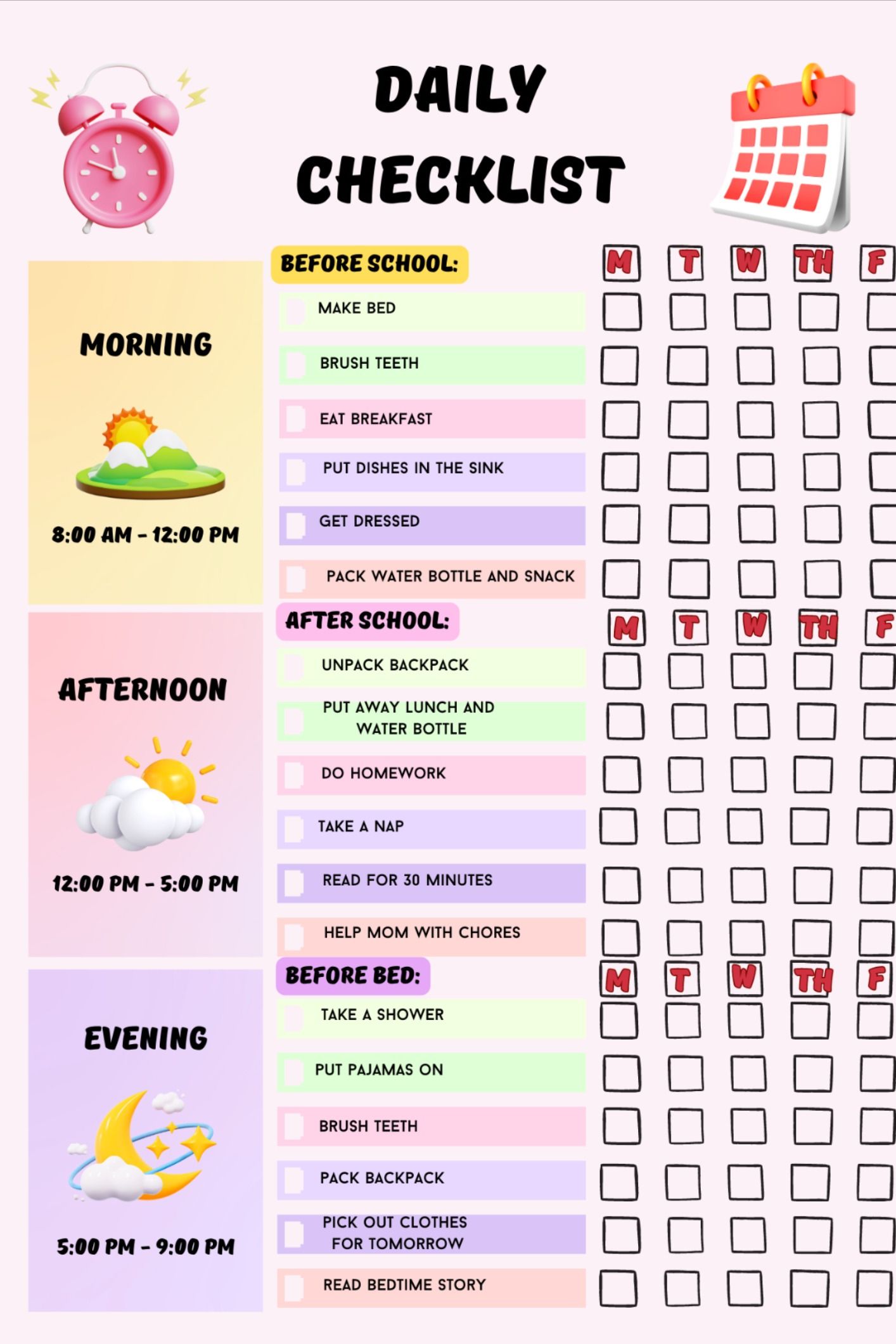
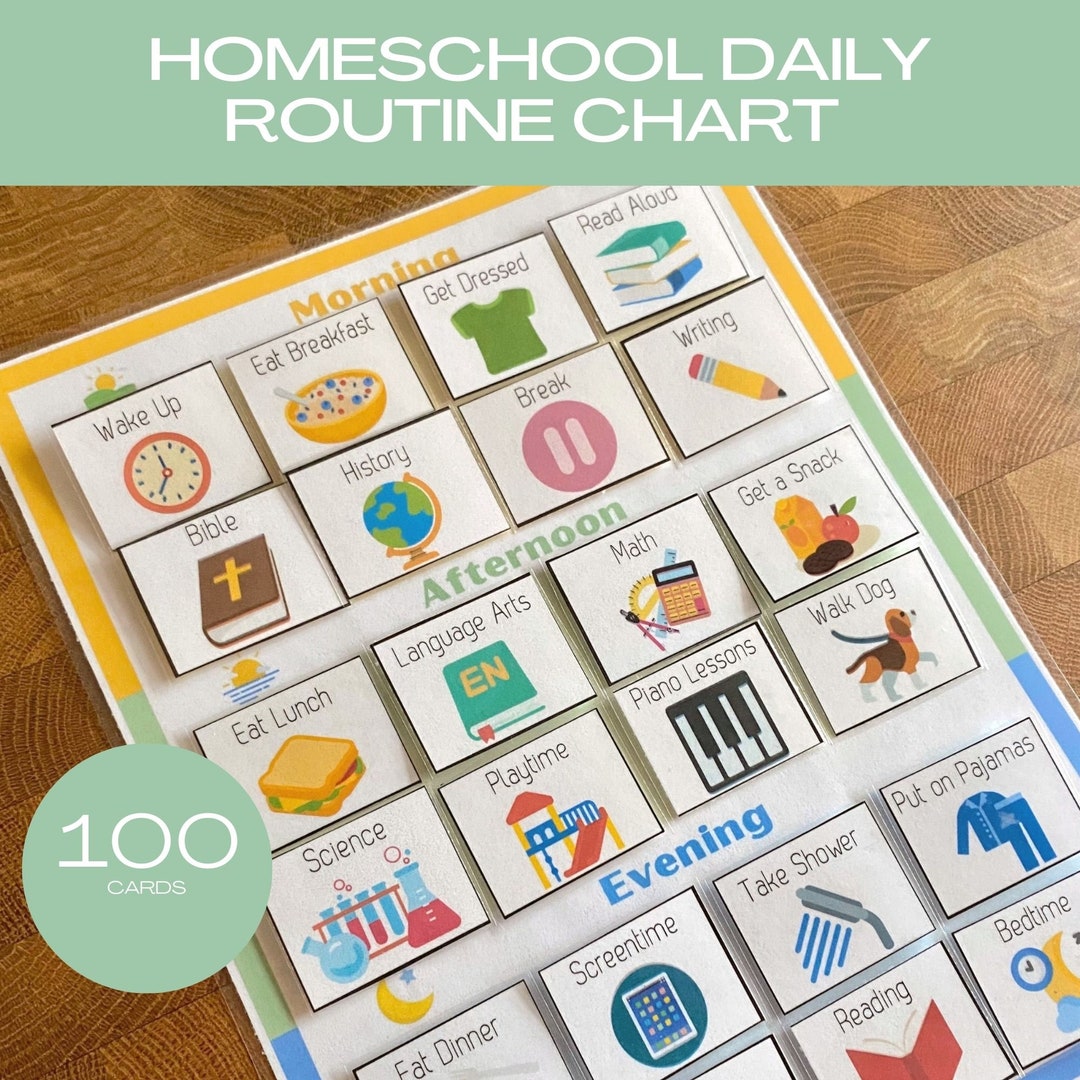
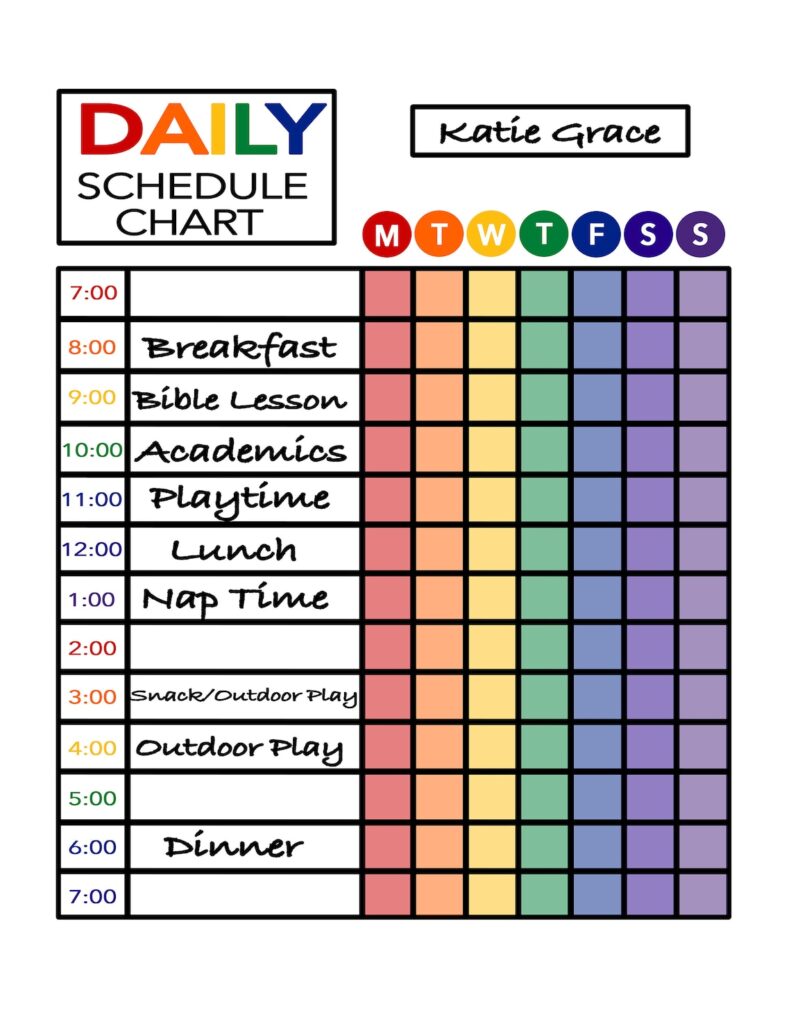
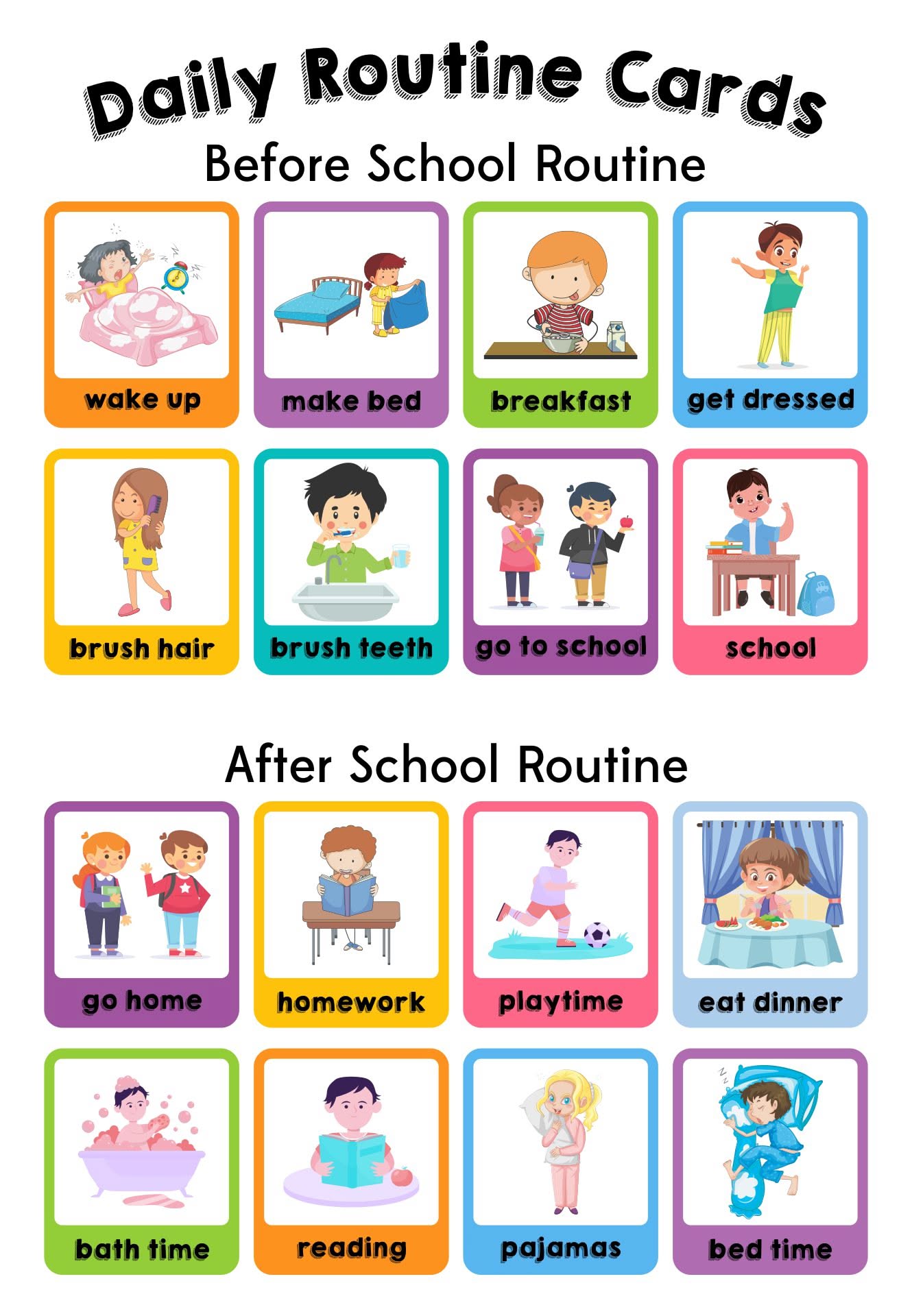
A homeschool daily visual schedule template printable is a structured, visual organizational tool designed to help early childhood learners understand and navigate daily learning routines independently. According to the National Association for the Education of Young Children (NAEYC), predictable daily routines and visual frameworks significantly enhance self-regulation, reduce anxiety, and foster cognitive independence in young children. By utilizing customizable visual icons alongside written tasks, educators and caregivers bridge the gap between abstract time concepts and concrete actions. This instructional resource transforms chaotic transition times into smooth, self-directed learning moments, optimizing both home and classroom instructional design.
Curriculum Practice Snapshot:
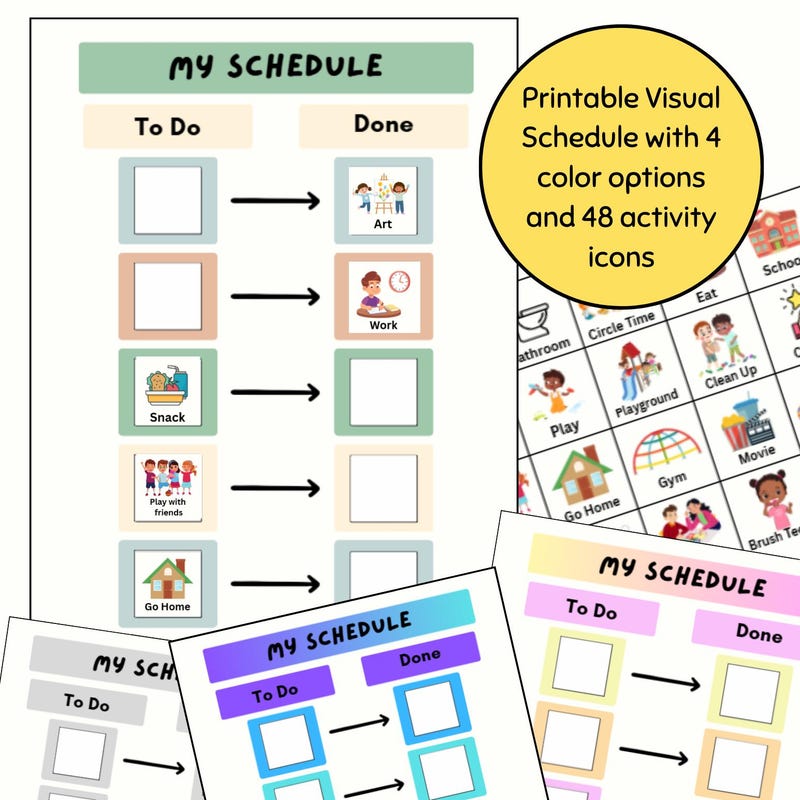
- Core Focus: A homeschool daily visual schedule template printable structures time through pictorial icons and predictable instructional sequencing.
- Target Scope: Early childhood education settings, homeschool environments, and transitional kindergarten classrooms.
- Key Recommendation: Laminate templates and use hook-and-loop fasteners to allow physical manipulation of daily subject and activity cards.
Core Principles and Detailed Overview
Structured visual time management relies on cognitive scaffolding principles that align with young children’s developmental stages. Because emergent readers process pictorial representations faster than text, incorporating icons for Learning Activities into a daily layout builds immediate cognitive associations. When designing or selecting a schedule, educators must balance structure with flexibility to accommodate unexpected changes in the daily routine. Pairing visual schedules with targeted fine-motor Worksheets reinforces early organizational habits while simultaneously strengthening pencil grip and cutting skills during setup. Integrating these organizational tools directly into Teacher Resources ensures consistency across multi-age learning environments.
Key Specifications and Breakdown
| Grade / Developmental Stage | Target Learning Skill | Instructional Strategy & Scaffolding |
|---|---|---|
| Pre-K & Kindergarten (Ages 3-5) | Temporal sequencing and picture-word association | Utilize large picture-only icons with color-coded subject blocks for easy visual matching. |
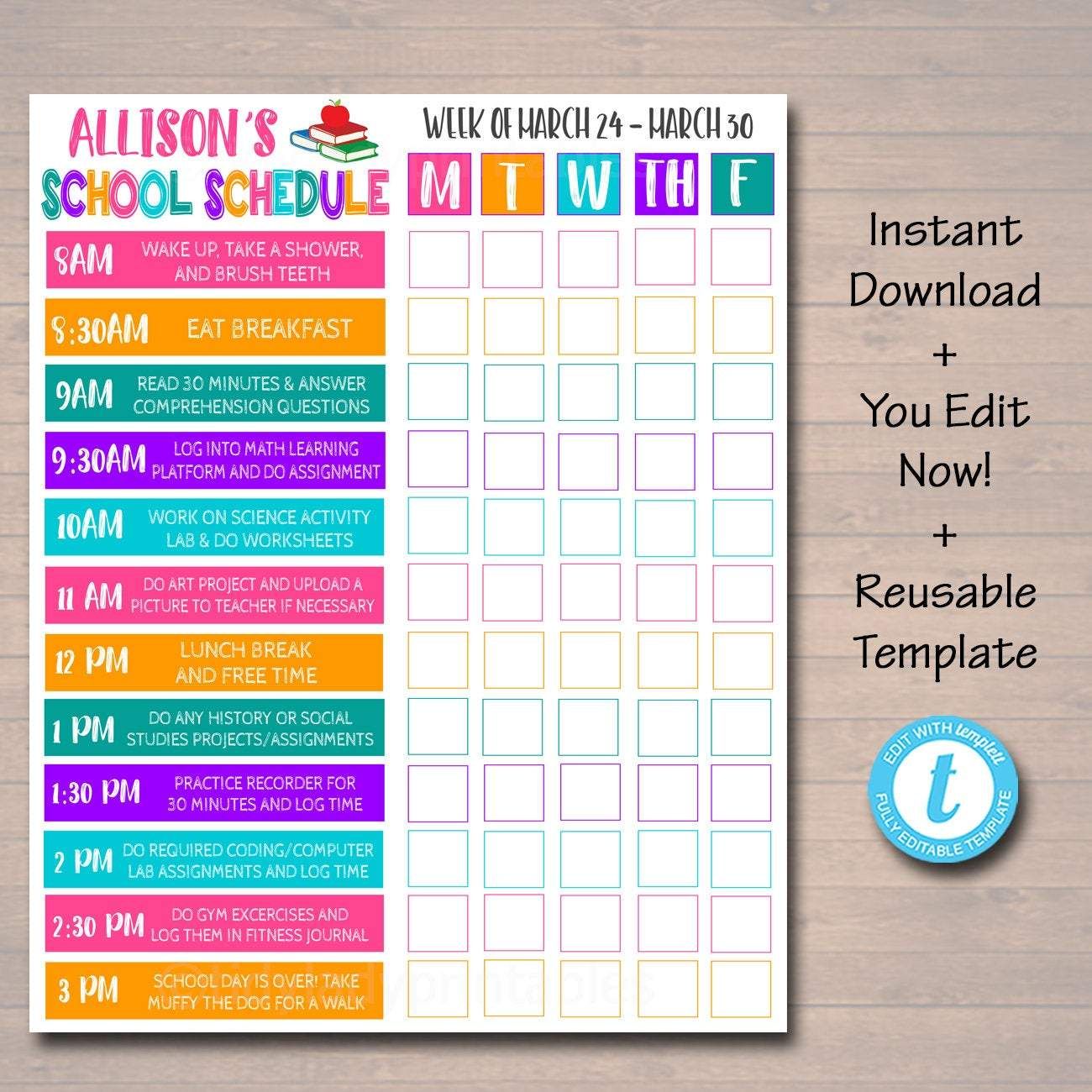
| Early Elementary (Grades 1-2) | Time-management and autonomous task initiation | Combine analog clock faces with written text labels and interactive check-off boxes. |
| Special Education & ESL Learners | Receptive language and transition reduction | Implement miniature object markers or high-contrast photo schedules to minimize cognitive load. |
Structured visual supports and predictable daily routines are proven instructional strategies that maximize academic engagement time and significantly decrease disruptive transition behaviors. — What Works Clearinghouse (IES)
Step-by-Step Practical Application and Guidelines
Implementing a visual daily schedule requires a deliberate, three-phase pedagogical rollout to ensure student buy-in and comprehension. First, select an age-appropriate template and collaborate with the learner to color-code or draw individual subject icons, which can be further reinforced through Coloring Pages depicting daily school tasks. Second, mount the completed schedule at the child’s eye level in a central learning hub so the learner can physically interact with the cards throughout the day. Third, explicitly model how to check off completed tasks and transition to the next block, gradually transferring full responsibility for schedule tracking over to the learner.
Common Challenges and How to Avoid Them
Over-complicating the layout is a frequent misstep that causes cognitive overload for emergent learners who are still developing sustained attention spans. Educators should avoid crowding too many minor tasks onto a single primary board, keeping the layout focused on major instructional blocks and natural breaks. Another common hurdle is resistance during schedule changes; this can be easily mitigated by adding a dedicated “Surprise / Flexible Time” card to teach adaptive coping strategies. Furthermore, encouraging students to practice writing their daily tasks independently using structured Handwriting & Tracing sheets bridges passive schedule observation with active literacy production.
💬 Frequently Asked Questions
Explore More Early Learning and Classroom Resources on Knowalla
Discover a comprehensive library of printable tools, organizational templates, and skill-building exercises designed to empower educators and homeschool parents alike. Visit Knowalla today to access thousands of expert-designed resources tailored to foster early childhood success.
Visual Reference Gallery