Introduction
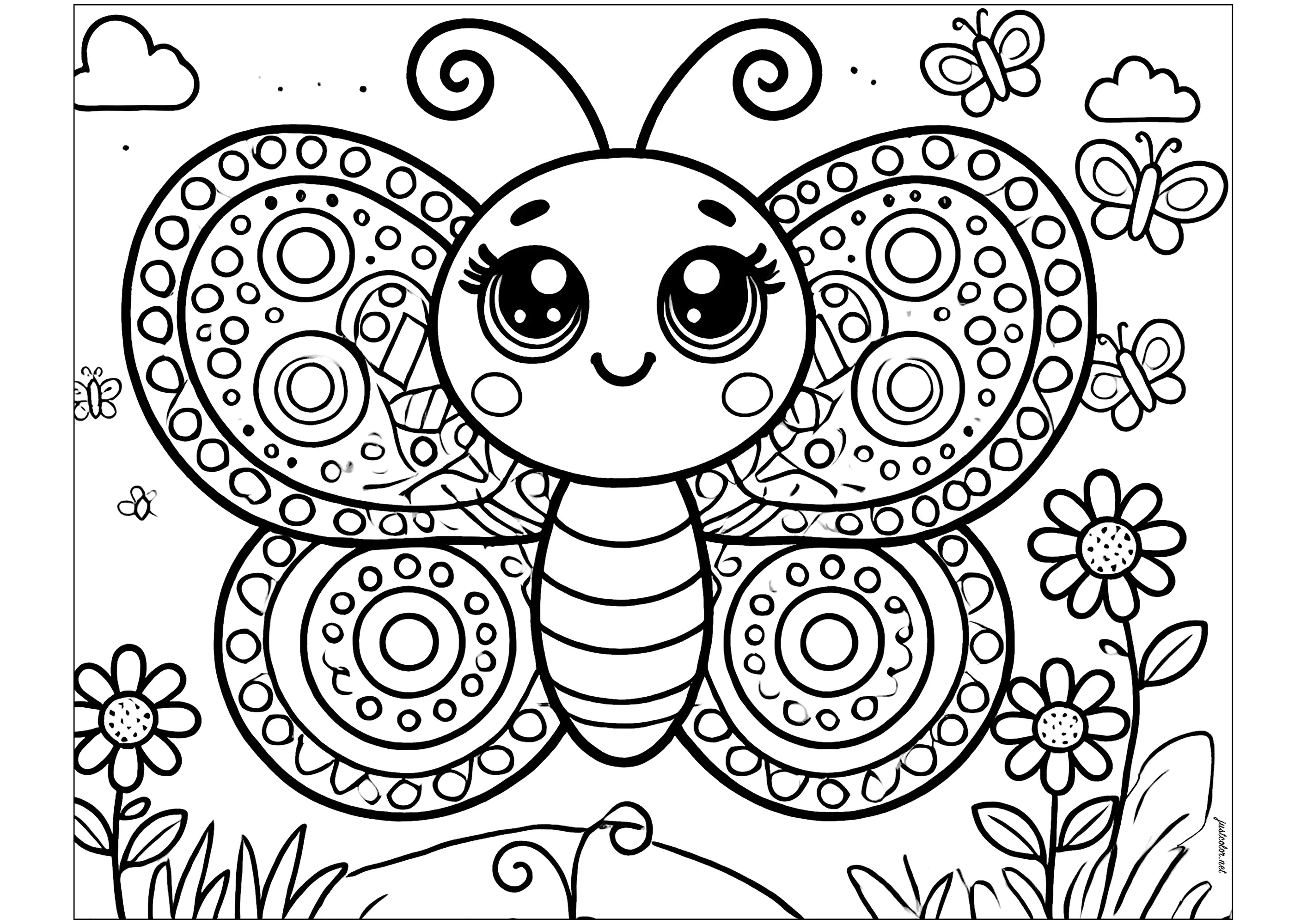
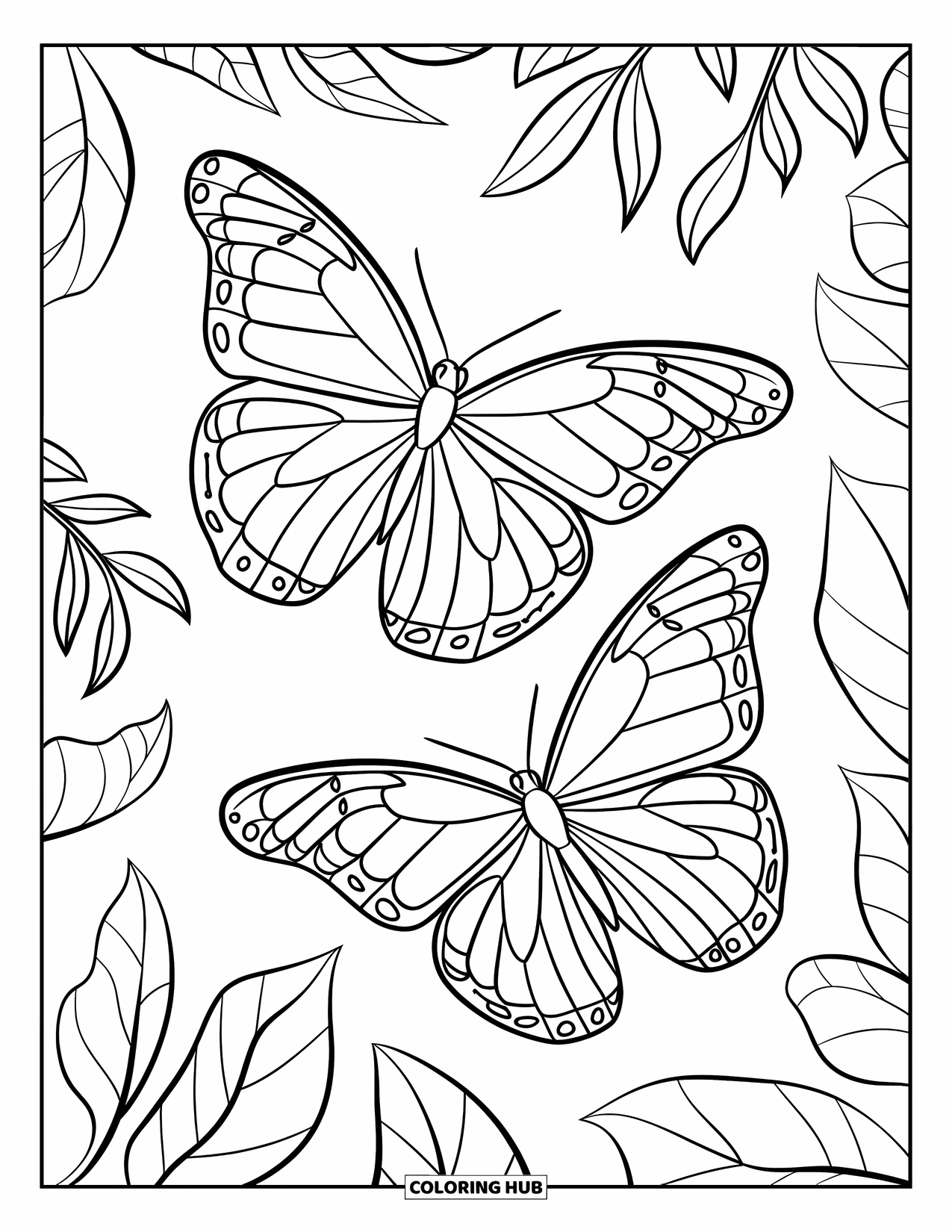
Coloring pages butterfly templates function as low-risk, offline digital-detox mediums utilized within modern classrooms to balance daily screen exposure while fostering creative motor skill development. According to ConnectSafely, integrating offline creative resources like printable Coloring Pages significantly reduces continuous device fatigue among students. Educational institutions leverage these paper-based creative tools to transition students away from unsupervised browser tabs, mitigating accidental exposure to malicious pop-up ads, unverified third-party trackers, and inappropriate online content. Educators and parents constantly seek structured offline activities that keep children engaged without triggering algorithmic data collection risks associated with random web searches.
Digital Safety Snapshot:
- Core Focus: Utilizing offline creative mediums to reduce student screen time and mitigate digital risk exposure.
- Target Scope: Classroom settings, home environments, and school-issued device management policies.
- Key Recommendation: Restrict random internet image queries by establishing vetted offline resource repositories.
Core Principles and Detailed Overview
Unregulated web searches for creative templates often expose minors to deceptive hyperlinks, malicious downloads, and intrusive behavioral tracking cookies. Safe digital citizenship protocols mandate that educators download instructional resources, including Worksheets and vector designs, directly through secure, institutional portals prior to classroom distribution. Unfiltered student web exploration can lead to malicious redirects or accidental malware downloads disguised as downloadable image files. Implementing strict firewall policies and pre-approving educational repositories ensures that student interactions remain confined within trusted academic boundaries, protecting school networks and reinforcing safe device hygiene.
Key Specifications and Breakdown
| Safety Pillar | Digital Risk Factor | Actionable Protective Habit |
|---|---|---|
| Device Hygiene | Malware downloads from unverified image sites | Distribute pre-vetted local files from secured drives. |
| Screen Balance | Digital fatigue and excessive blue light exposure | Integrate physical tactile art sessions during instructional gaps. |
| Data Privacy | Accidental ad-tracking and spyware exposure | Utilize ad-blockers and enforce strict institutional browsing filters. |
Establishing baseline network perimeters and pre-screening all downloaded instructional media prevents unauthorized third-party tracking vectors from compromising student device security. — Cybersecurity & Infrastructure Security Agency (CISA)
Step-by-Step Practical Application and Guidelines
Safeguarding student digital environments while incorporating creative design exercises requires a systematic administrative approach. School administrators and educators must first curate a centralized, password-protected repository of approved instructional graphics to eliminate the need for independent student web searches. Next, teachers should enforce strict device usage windows, explicitly defining moments when screens must be powered down in favor of physical, tactile activities like coloring and drawing. Finally, IT specialists must audit school network configurations to ensure that external image searches remain locked behind educational content filters, preventing access to unverified domains and maintaining compliance with federal online protection mandates.
Common Challenges and How to Avoid Them
Uncontrolled student access to search engines often leads to cybersecurity vulnerabilities when students attempt to locate complex design templates independently. Educators frequently encounter issues where children bypass school filters by accessing unsecured external search engines, exposing classroom devices to malicious script injections and phishing threats. To prevent these security breaches, schools must disable open image search functionalities on institutional hardware and provide centralized, bookmark-only access to approved instructional platforms. Maintaining vigilant device oversight ensures that academic environments remain free from unauthorized tracking and external cyber threats.
💬 Frequently Asked Questions
Explore More Kids Safety and Digital Citizenship Guides on SafeWiredSchools
Empowering educators, administrators, and parents with comprehensive protective frameworks remains essential for maintaining secure, balanced academic environments. Discover additional expert resources, risk mitigation strategies, and curriculum frameworks by visiting the central Internet and Digital Safety and Online and Digital Safety directories on Safe Wired Schools.
Printable Coloring Page Previews