Introduction
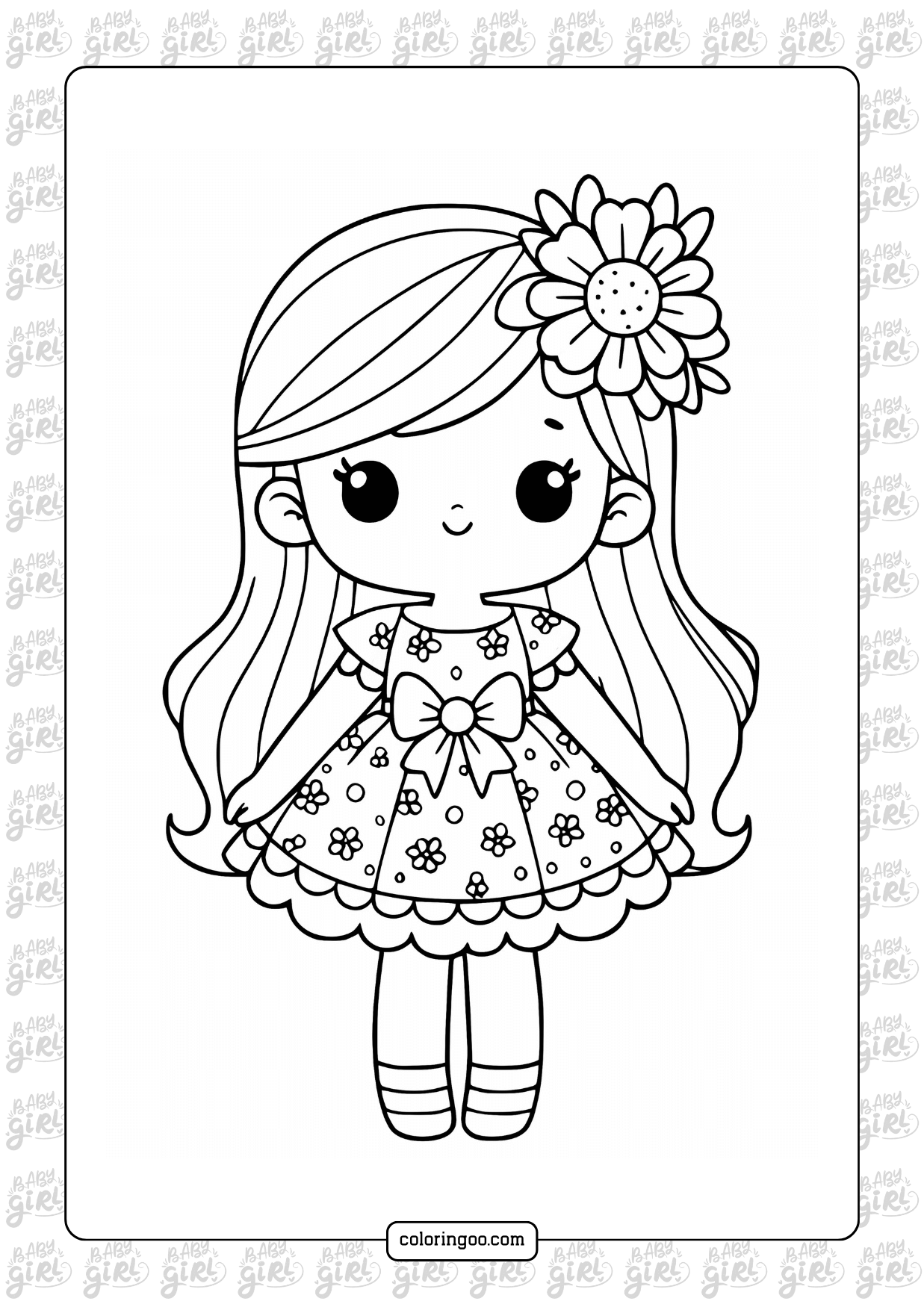
Coloring pages girl cute provide targeted early childhood learning value by combining character engagement with fundamental skill development, including pencil grip and spatial awareness. According to the National Association for the Education of Young Children (NAEYC), intentional arts and motor skill integration during early developmental stages significantly enhances cognitive processing, hand-eye coordination, and pre-writing readiness. Educators and homeschool parents frequently seek out thematic printable resources that capture student interest while simultaneously fulfilling strict motor control and focus objectives. Utilizing character-driven artistic templates allows instructors to bridge creative expression with structured instructional frameworks, transforming simple coloring tasks into powerful developmental exercises. Practitioners can access a wide variety of printable Coloring Pages to support these exact cognitive and motor milestones in the classroom.
Curriculum Practice Snapshot:
- Core Focus: Developing fine-motor control, bilateral coordination, and visual-spatial perception through thematic character designs.
- Target Scope: Early childhood education classrooms, preschools, kindergartens, and homeschool learning environments.
- Key Recommendation: Pair thematic coloring sheets with targeted Handwriting & Tracing sheets to reinforce wrist stabilization and pencil dexterity.
Core Principles and Detailed Overview
Deliberate fine-motor practice utilizing character-themed sheets systematically builds the intrinsic hand muscles required for successful primary writing. Direct answer in first sentence: Structured coloring sheets featuring relatable characters provide an accessible entry point for young learners to master sustained attention, boundary adherence, and pressure modulation. As children manipulate crayons, colored pencils, or markers within specific graphic lines, the neurological pathways connecting visual input to physical hand movement strengthen rapidly. This foundational control directly translates into letter formation and geometric shape drawing. Furthermore, integrating structured creative tasks into daily routines fosters emotional self-regulation, as the repetitive motion of shading induces calm focus. Teachers often combine these artistic tasks with broader Learning Activities to maintain high engagement levels across cross-curricular subject units.
Key Specifications and Breakdown
| Grade / Developmental Stage | Target Learning Skill | Instructional Strategy & Scaffolding |
|---|---|---|
| Toddler / Pre-K (Ages 3-4) | Gross motor grip and thick boundary awareness | Utilize ultra-thick, simplified outlines with minimal interior details to encourage broad strokes and palmar grasp progression. |
| Preschool / Kindergarten (Ages 4-6) | Pincer grasp transition and directional control | Incorporate medium-weight line art paired with guided Worksheets to build wrist flexibility. |
| Early Elementary (Ages 6-7) | Detailed spatial awareness and color blending | Deploy intricate thematic character illustrations requiring controlled shading, pattern creation, and multi-directional pencil movement. |
Intentional fine-motor integration during formative early childhood years directly correlates with accelerated spatial reasoning and foundational writing proficiency — Institute of Education Sciences (IES)
Step-by-Step Practical Application and Guidelines
Executing an effective character-based coloring session requires a structured three-step instructional methodology that moves from preparation to independent reflection. Step one involves selecting age-appropriate line art that matches the precise developmental motor skills of the student group, ensuring line weights and image complexity align with current classroom capabilities. Step two requires modeling proper grip technique and boundary awareness before independent work begins, showing students how to utilize light and heavy pressure purposefully. Step three entails guided reflection, where instructors prompt learners to evaluate their completed sheets for neatness, color choices, and sustained focus. Implementing this clear pedagogical sequence prevents frustration, minimizes waste, and maximizes the physiological benefits of every printable activity.
Common Challenges and How to Avoid Them
Over-reliance on unstructured artistic play without clear motor-skill objectives often leads to rushed work and missed developmental milestones. Direct answer in first sentence: Educators can prevent student disengagement and poor pencil grip habits by actively scaffolding instruction, setting clear boundary goals, and rotating varied drawing implements. When children exhibit hand fatigue or frustration with intricate lines, instructors should immediately revert to simplified illustrations with thicker borders to rebuild student confidence. Additionally, integrating diverse Teacher Resources ensures that artistic tasks remain tightly aligned with broader curriculum standards rather than serving merely as time-filling exercises.
💬 Frequently Asked Questions
Explore More Early Learning and Classroom Resources on Knowalla
Discovering high-value instructional materials that balance rigorous developmental goals with engaging student formats remains essential for modern early childhood educators and homeschool parents. Knowalla provides an extensive library of expertly designed printables, structured worksheets, and foundational skill exercises created to support every stage of early childhood education. Educators can easily navigate curated categories to build cohesive, engaging, and academically robust lesson plans for classrooms of all sizes.
Printable Coloring Page Previews