Introduction
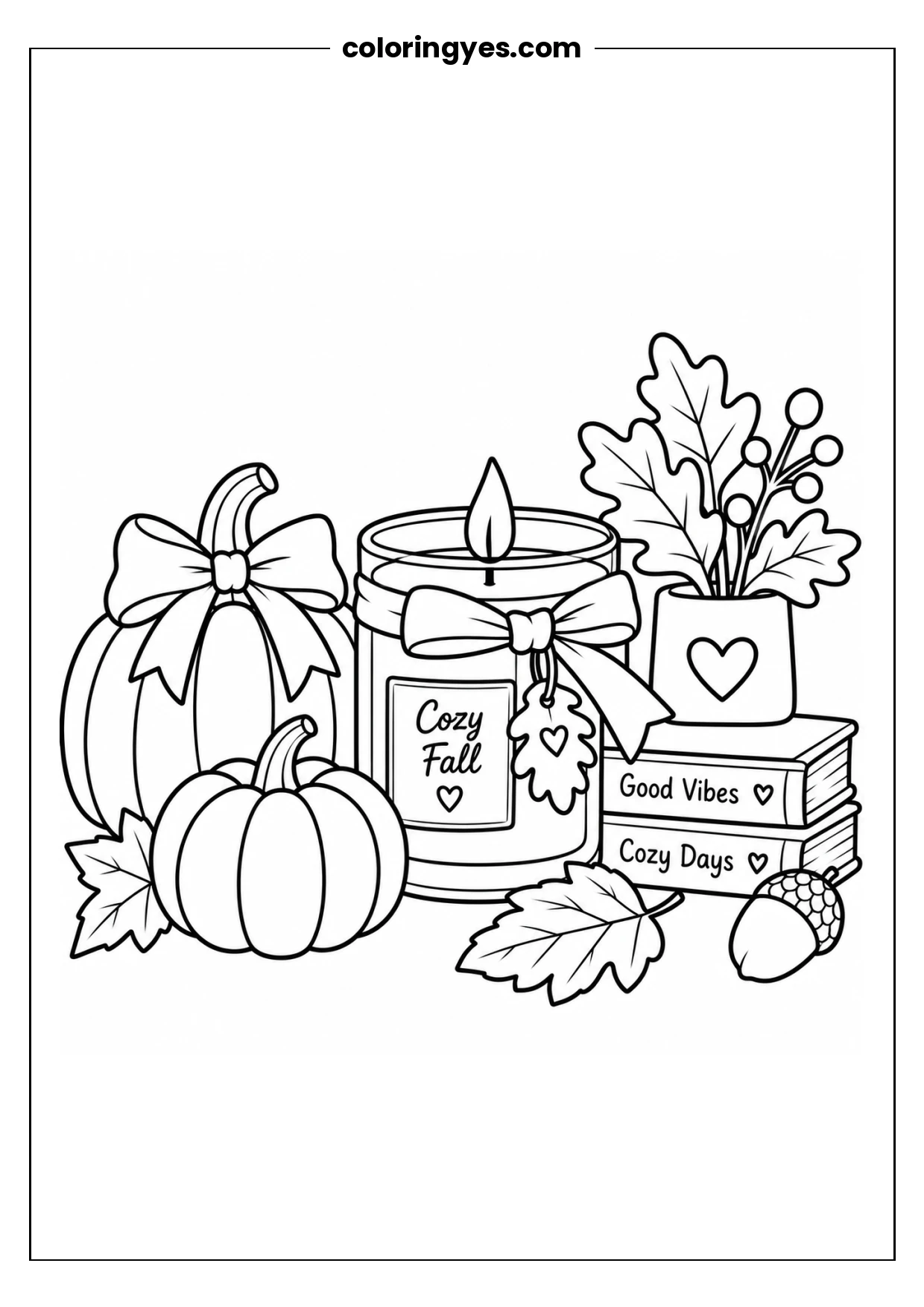
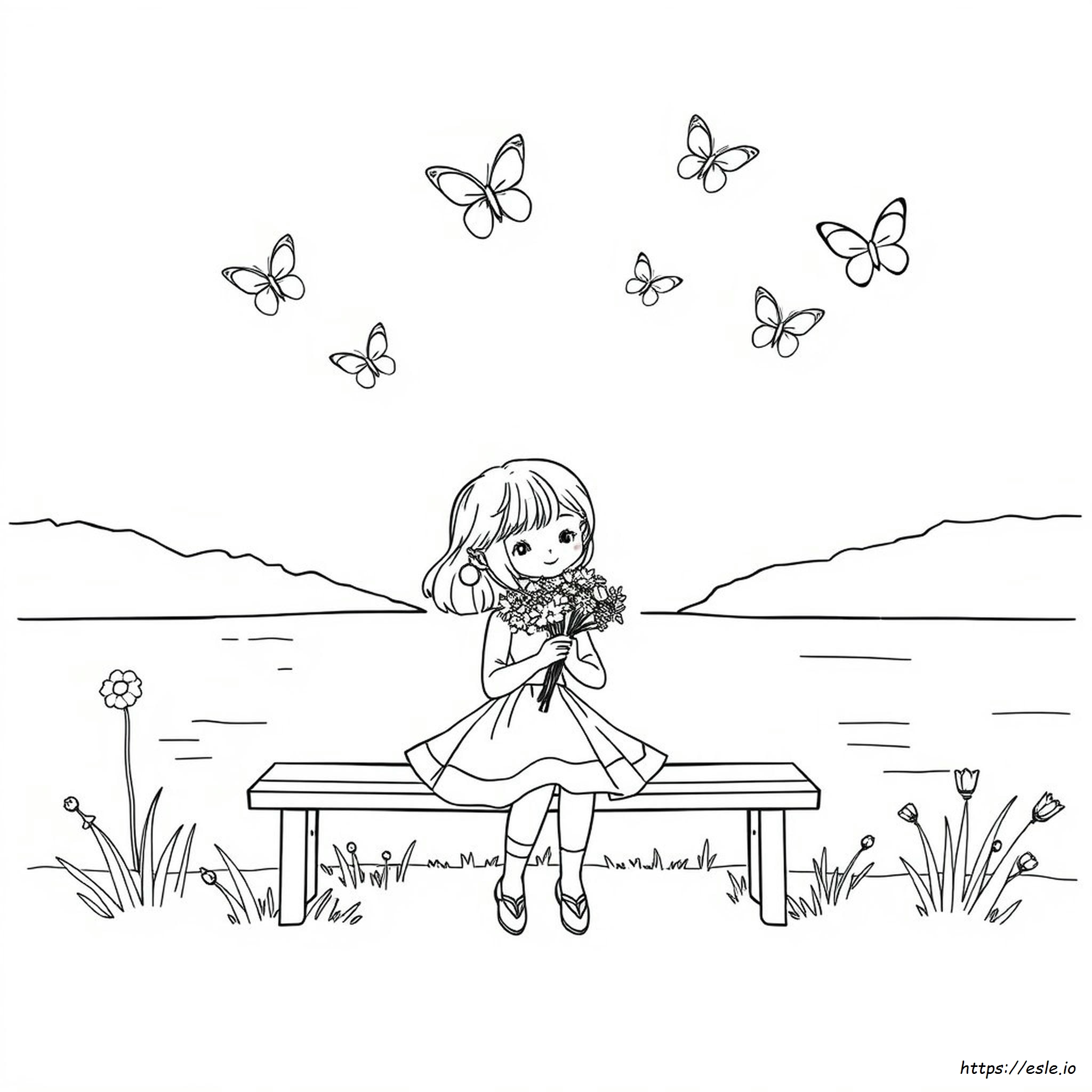
Coloring pages girly serve as highly effective instructional tools that combine thematic engagement with foundational fine-motor skill development in early childhood education. According to the National Association for the Education of Young Children (NAEYC), purposeful play-based fine-motor practice builds the essential hand muscle strength required for long-term academic success and early literacy. Educators and homeschool parents frequently utilize these targeted printables from Coloring Pages to maintain high student motivation during independent workstations and quiet learning centers. Integrating aesthetic-focused motifs—such as princesses, florals, animals, and magical themes—captures diverse learner interests while supporting intentional pencil-grip training and spatial control across primary grade levels.
Curriculum Practice Snapshot:
- Core Focus: Developing fine-motor dexterity and hand-eye coordination through themed graphic art printables.
- Target Scope: Early childhood classrooms, kindergarten centers, and homeschool foundational practice.
- Key Recommendation: Pair thematic coloring exercises with structured Handwriting & Tracing sheets to reinforce wrist stabilization.
Core Principles and Detailed Overview
Structured coloring pages girly provide purposeful developmental benefits by transforming repetitive pencil strokes into engaging, creative challenges that enhance hand strength and bilateral coordination. Direct application of crayons, colored pencils, and fine-tip markers requires sustained isometric muscle control in the fingers, which directly correlates with efficient handwriting mechanics. Furthermore, these targeted materials support visual-spatial awareness as children navigate complex borders, curved outlines, and intricate geometric patterns. Educators implementing structured Worksheets find that thematic alignment reduces task avoidance, increases sustained attention spans, and fosters positive attitudes toward independent desk work in early learning environments.
Key Specifications and Breakdown
| Grade / Developmental Stage | Target Learning Skill | Instructional Strategy & Scaffolding |
|---|---|---|
| Pre-K (Ages 3-4) | Palmar grasp transition and gross boundary awareness | Provide thick-line illustrations with large, distinct sections to encourage early marker control. |
| Kindergarten (Ages 5-6) | Pincer grasp refinement and directional hand movement | Utilize medium-detail designs featuring predictable shapes to build wrist stamina. |
| 1st Grade (Ages 6-7) | Precision shading and intricate boundary management | Incorporate complex patterns that demand controlled pressure variation and color blending. |
Intentional motor skill integration in early childhood visual arts significantly increases spatial navigation and writing fluency — National Center for Education Statistics (NCES)
Step-by-Step Practical Application and Guidelines
Implementing coloring pages effectively involves a three-step instructional sequence that transitions students from guided motor practice to autonomous creative execution. First, educators select developmentally appropriate printables from curated Teacher Resources that match the current motor skill level of the student group. Second, instructors model correct tripod grip and hand positioning before letting learners begin independent coloring activities. Third, teachers incorporate these art sessions into broader Learning Activities, connecting the visual themes to vocabulary expansion, storytelling prompts, or letter recognition exercises.
Common Challenges and How to Avoid Them
Over-reliance on unstructured coloring without clear developmental goals can sometimes lead to rushed work, hand fatigue, or poor grip habits among young children. Educators prevent these issues by setting clear time boundaries, emphasizing quality of stroke over speed of completion, and providing proper ergonomic writing tools. Ensuring that the complexity of the printable matches the physical maturity of the student prevents frustration and promotes sustained engagement during independent practice intervals.
💬 Frequently Asked Questions
Explore More Early Learning and Classroom Resources on Knowalla
Discover extensive collections of printable educational materials, skill-building worksheets, and classroom planning tools designed to support early childhood success. Browse the central Knowalla repository to access professional-grade resources that elevate daily instruction and inspire young learners.
Printable Coloring Page Previews