Introduction
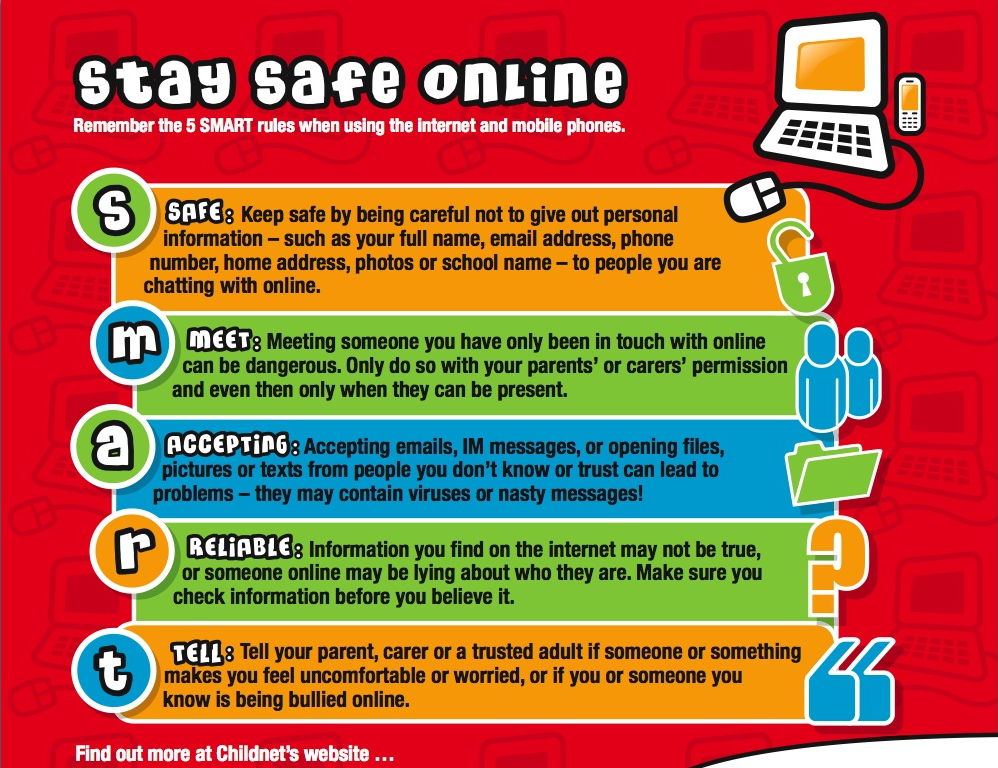
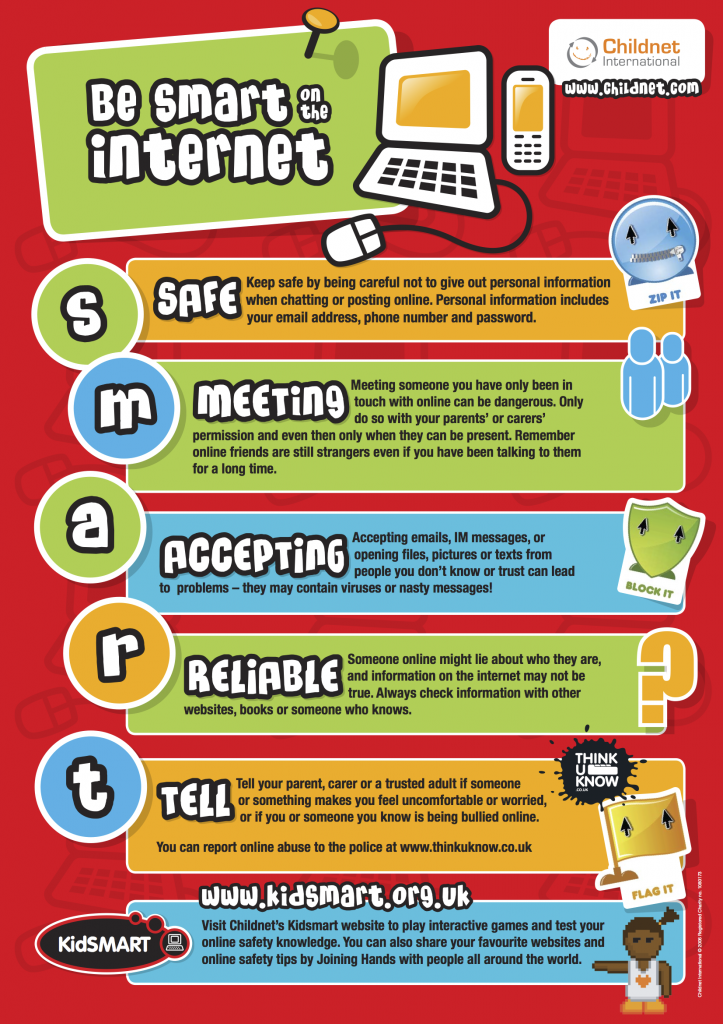
Safe websites meaning for kids encompasses online environments equipped with robust privacy controls, age-appropriate content filters, and secure communication protocols designed to shield minors from exploitation, malicious software, and inappropriate material. According to the Family Online Safety Institute (FOSI), digital safety relies on establishing clear boundaries, active guidance, and technical safeguards that minimize exposure to online risks while fostering positive digital citizenship. Educational institutions and households must understand this definition to establish secure browsing habits across all school-issued and personal devices.
Digital Safety Snapshot:
- Core Focus: Safe websites meaning for kids centers on verified age-gated platforms featuring encrypted data transmission and zero predatory advertising.
- Target Scope: Applied across K-12 educational networks, remote learning environments, and domestic student devices.
- Key Recommendation: Implement centralized URL filtering combined with explicit student digital literacy instruction regarding web evaluation.
Core Principles and Detailed Overview
Safe websites meaning for kids involves evaluating domain security indicators, strict adherence to the Children’s Online Privacy Protection Act (COPPA), and the absence of untrusted third-party trackers. School administrators and educators must recognize that safe platforms actively prevent malicious data collection, restrict external messaging vectors, and block exposure to graphic violence or cyberbullying catalysts. Furthermore, integrating Internet and Digital Safety curricula ensures that students learn to independently distinguish between secure educational domains and high-risk commercial landing pages during research assignments.
Key Specifications and Breakdown
| Safety Pillar | Digital Risk Factor | Actionable Protective Habit |
|---|---|---|
| Data Privacy | Unauthorized personal data harvesting | Verify COPPA compliance and review privacy policies before account creation. |
| Content Filtering | Accidental exposure to mature or malicious material | Deploy school-grade DNS filtering and utilize pre-vetted educational resource directories. |
| Interaction Security | Unmoderated peer-to-peer chat and cyberbullying | Disable public comment features and restrict communication to closed institutional networks. |
Proactive cybersecurity architecture and continuous monitoring are essential to protecting minors from digital threats while maintaining productive learning environments — Cybersecurity and Infrastructure Security Agency (CISA)
Step-by-Step Practical Application and Guidelines
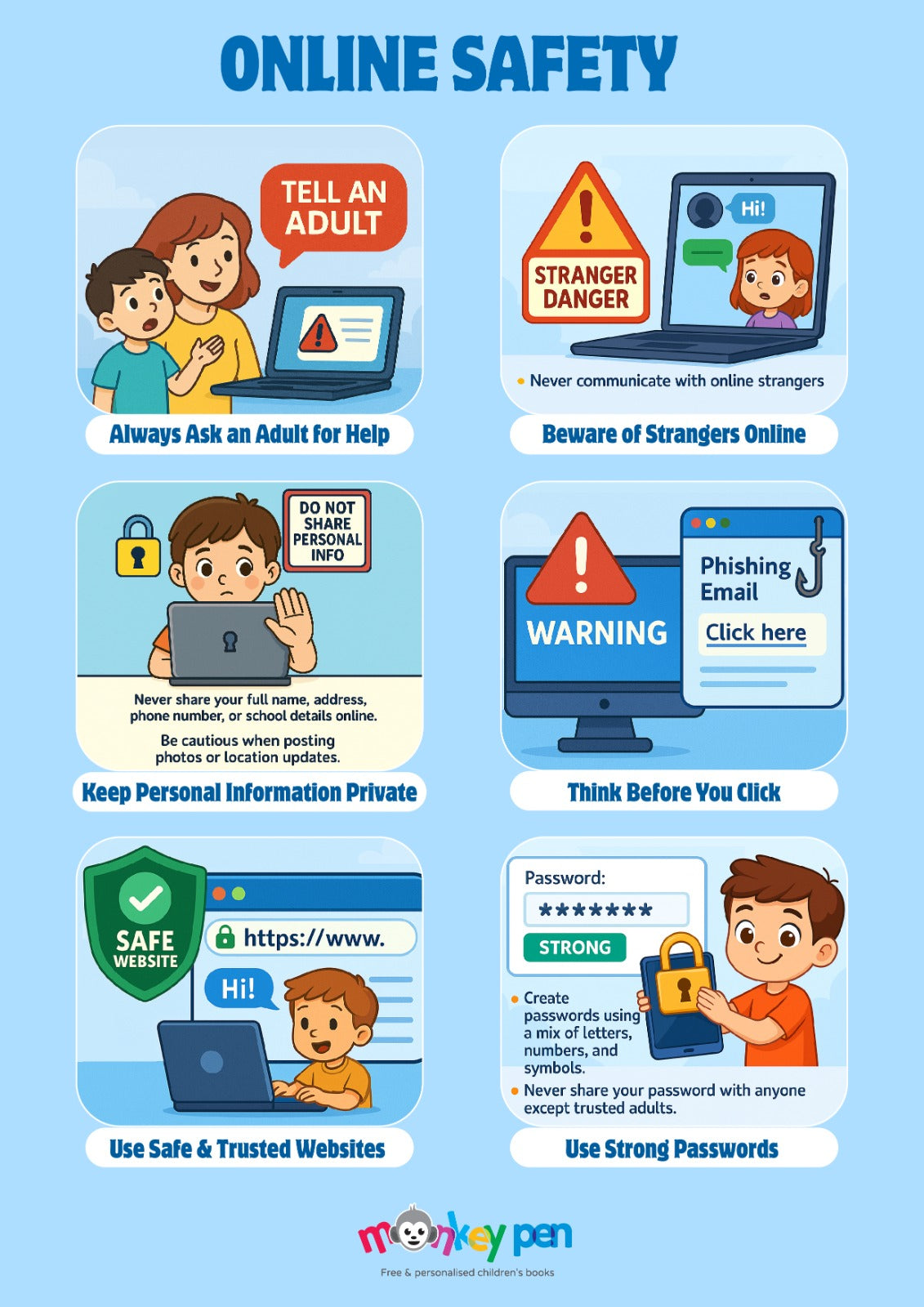
Safe websites meaning for kids translates into actionable browsing protocols that maintain strict device hygiene and classroom screen balance through systematic validation steps. Educators and parents should first verify that web addresses begin with HTTPS, indicating encrypted connection protocols that protect user data from interception. Next, check for transparent terms of service and explicit parental consent mechanisms that prevent unauthorized commercial tracking. Integrating specialized Worksheets allows teachers to guide middle school students through evaluating domain trustworthiness, spotting phishing indicators, and practicing responsible digital footprints during daily classroom activities.
Common Challenges and How to Avoid Them
Safe websites meaning for kids can be compromised when students encounter sophisticated phishing redirect links disguised as legitimate educational resources or gaming portals. Educators frequently combat challenges related to screen fatigue and unauthorized proxy usage designed to bypass institutional firewalls. To mitigate these risks, IT administrators must enforce default-deny web filtering policies, regularly audit network access logs, and educate students on recognizing deceptive URLs. Additionally, balancing screen time with offline collaborative projects prevents digital burnout while maintaining a secure, focused academic atmosphere.
💬 Frequently Asked Questions
Explore More Kids Safety and Digital Citizenship Guides on SafeWiredSchools
Comprehensive insights into modern digital citizenship, device hygiene, and classroom safety strategies remain available across the primary resource portal at Safe Wired Schools. Educators and parents seeking additional instructional aids can also explore specialized Coloring Pages designed to introduce foundational internet safety concepts to younger learners effectively.
Visual Reference Gallery