
Introduction
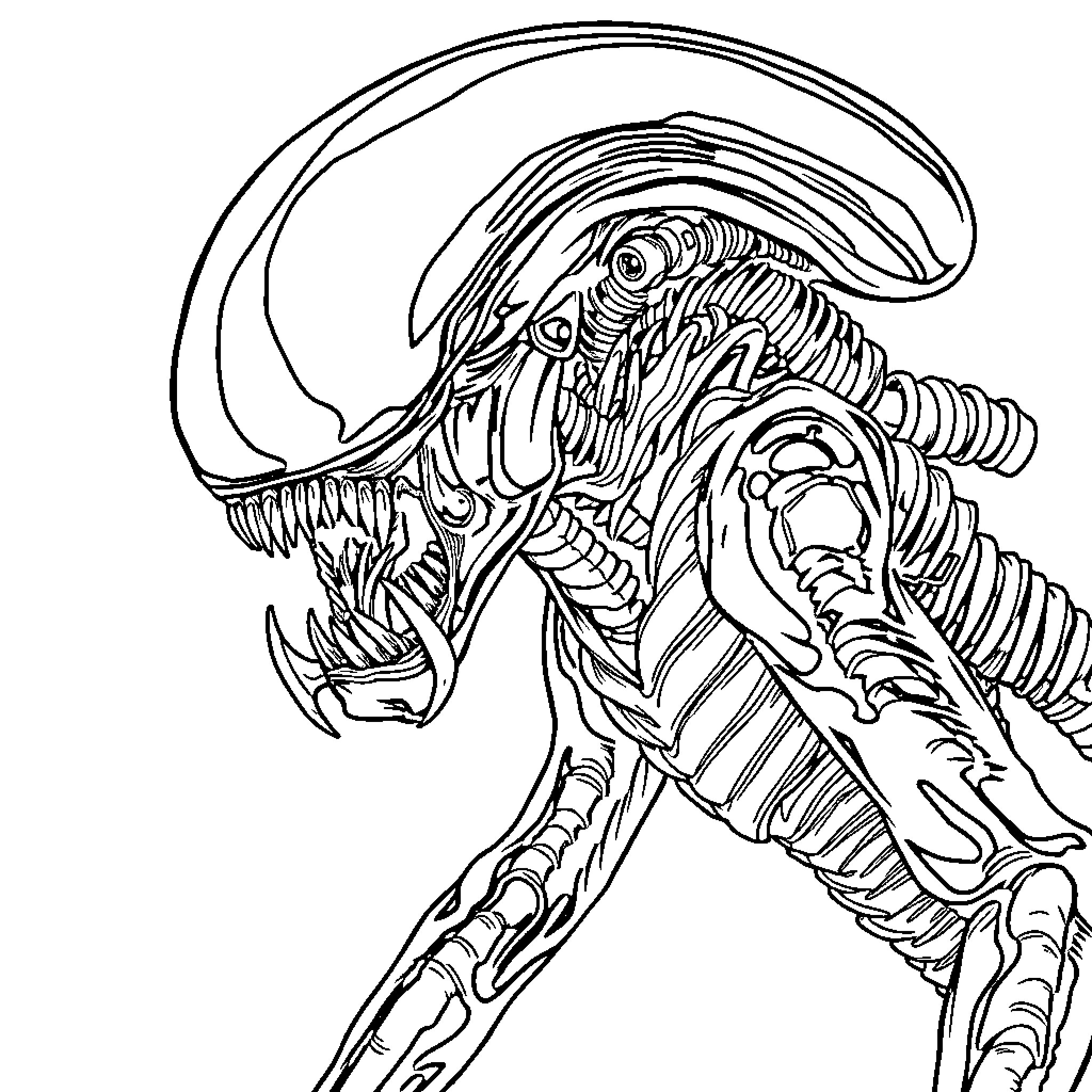
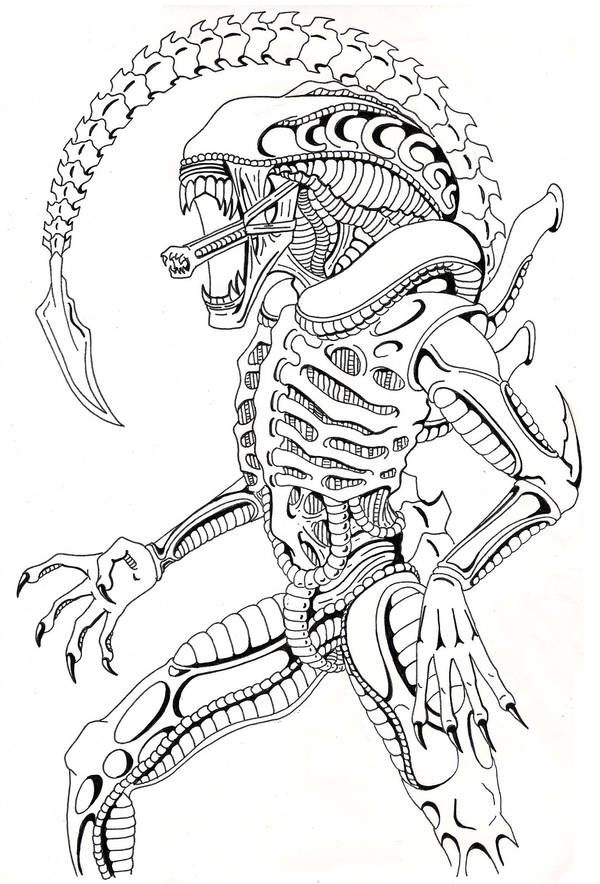
A coloring page xenomorph serves as an unconventional visual resource designed to engage advanced elementary learners through intricate sci-fi themes while building essential fine-motor dexterity and hand-eye coordination. According to the National Association for the Education of Young Children (NAEYC), intentional art experiences paired with structured fine-motor tasks significantly enhance neurological pathways responsible for pencil grip, spatial awareness, and sustained attention span. Educators and homeschooling parents utilize thematic sci-fi printables, including detailed character sheets, to capture the interest of reluctant learners who require high-stimulus stimuli to maintain focus during independent seatwork. Integrating specialized printable assets from Coloring Pages into daily centers allows instructors to bridge recreational pop culture with rigorous developmental skill acquisition.
Curriculum Practice Snapshot:
- Core Focus: Developing advanced fine-motor control, pencil stamina, and precision pencil grasp through detailed sci-fi illustration worksheets.
- Target Scope: Upper elementary classrooms, specialized intervention groups, and homeschool environments seeking high-engagement graphic printables.
- Key Recommendation: Pair intricate graphic outlines with multi-layered colored pencil tasks to encourage wrist rotation and sustained hand endurance.
Core Principles and Detailed Overview
Complexity progression within specialized graphic worksheets directly influences student neurological development by requiring precise micro-movements of the fingers and wrists. A coloring page xenomorph provides dense geometric patterns, biological curves, and high-contrast segmented lines that challenge upper-grade students to refine their motor planning and spatial boundary control. Unlike basic toddler shapes, intricate sci-fi line art demands calculated pressure modulation—switching between light shading for atmospheric shadows and heavy strokes for distinct carapace outlines. Utilizing comprehensive Worksheets featuring complex visual themes ensures that older primary children continue strengthening hand intrinsics, which directly correlates with improved cursive legibility, sustained writing stamina, and enhanced drawing proficiency across core subjects.
Key Specifications and Breakdown
| Grade / Developmental Stage | Target Learning Skill | Instructional Strategy & Scaffolding |
|---|---|---|
| Grade 3 (Ages 8-9) | Micro-motor boundary control | Provide broad-tipped markers first to establish foundational edge awareness before introducing precision colored pencils. |
| Grade 4 (Ages 9-10) | Pressure modulation and shading | Demonstrate cross-hatching techniques on segment plates to teach value gradation within dense exoskeleton zones. |
| Grade 5 (Ages 10-11) | Spatial tracking and endurance | Implement timed focus blocks where learners complete specific anatomical sections without lifting writing tools. |
Structured fine-motor interventions directly support foundational cognitive control and sustained visual-motor integration benchmarks — National Center for Education Statistics (NCES)
Step-by-Step Practical Application and Guidelines
Implementing thematic sci-fi graphic sheets successfully requires a structured, three-phase pedagogical sequence that maximizes both artistic engagement and physical dexterity training. First, educators inspect the chosen printables for line weight density, selecting files that match the specific dexterity tier of the target group. Second, instructors establish clear physical criteria, emphasizing proper tripod grasp, paper stabilization techniques, and pressure control before any coloring tools touch the page. Third, facilitators guide learners through segmented completion strategies, encouraging students to focus on isolated biological sections—such as the cranial dome or ribbed torso—to prevent cognitive overload and maintain immaculate hand posture throughout the exercise session. Diversifying instructional delivery with resources from Learning Activities ensures holistic cognitive reinforcement.
Common Challenges and How to Avoid Them
Hand fatigue and visual frustration represent the primary obstacles when students encounter highly detailed, complex illustrative worksheets. Because alien biomechanical illustrations feature dense, overlapping lines, younger or motor-delayed children frequently experience grip collapse or abandon the task prematurely due to the sheer volume of intricate details. Instructors overcome this challenge by breaking the activity into manageable chronological steps, utilizing thick-barreled ergonomic writing utensils, and pairing the visual task with targeted drills found in Handwriting & Tracing collections to build baseline hand muscle endurance. Establishing positive reinforcement for neatness within small boundary zones rather than speed prevents rushing and guarantees optimal developmental returns from every printable session.
💬 Frequently Asked Questions
Explore More Early Learning and Classroom Resources on Knowalla
Designing engaging, skill-building educational environments requires access to reliable, structured printables that support every stage of childhood development. Educators and parents can discover a vast array of peer-reviewed instructional assets, printable worksheets, and targeted pedagogical guides by visiting Teacher Resources and exploring the main portal at Knowalla for continuous classroom inspiration.
Printable Coloring Page Previews