
Introduction
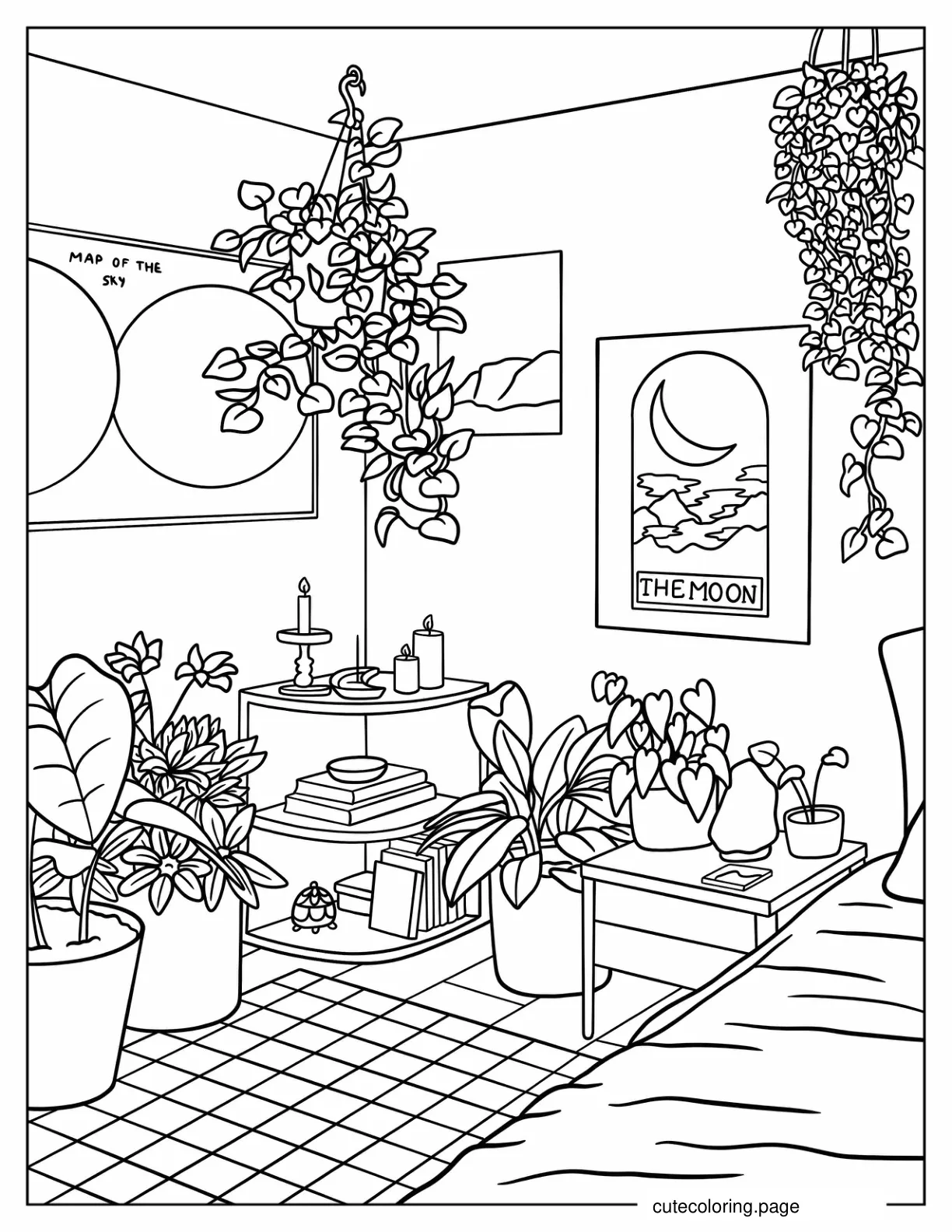
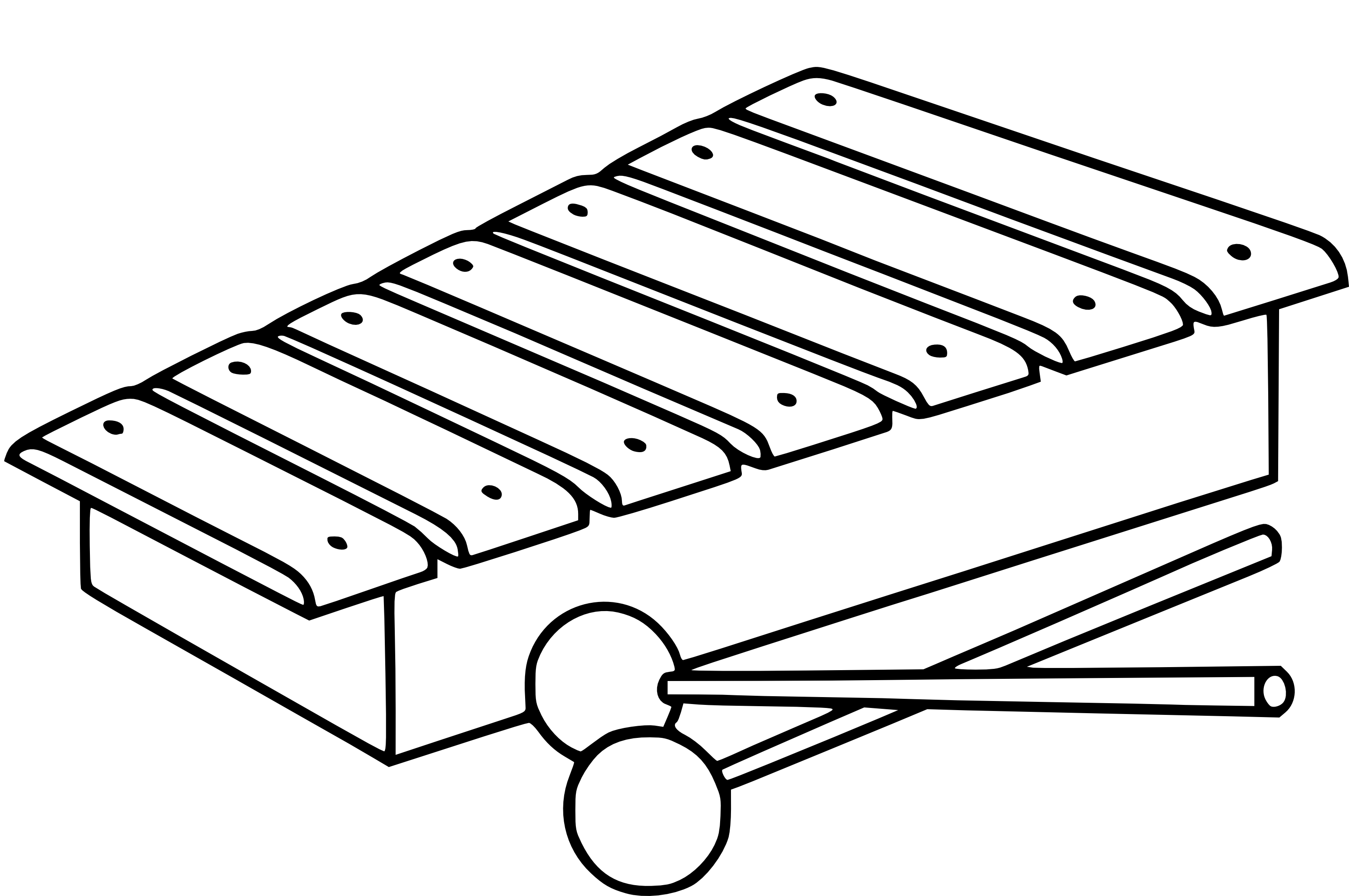
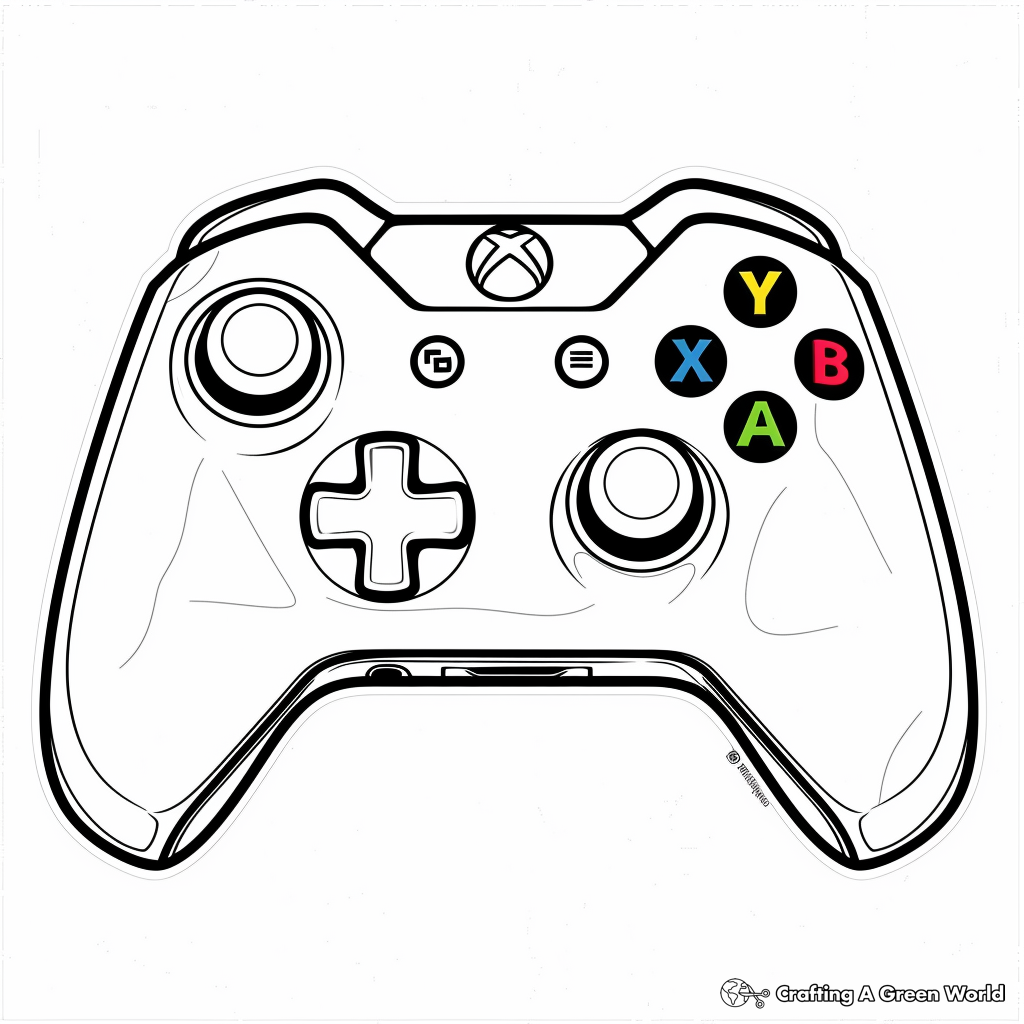
Coloring pages aesthetic refers to the intentional selection of visually clean, developmentally appropriate, and cognitively stimulating graphic designs that promote fine-motor refinement and executive function in early childhood learners. According to the National Association for the Education of Young Children (NAEYC), developmentally appropriate practice requires that learning materials align with the specific physical and cognitive capabilities of the child to foster engagement and skill acquisition. By integrating high-quality coloring pages into daily instruction, educators transform simple artistic tasks into structured sessions for developing pencil grip, spatial awareness, and visual-motor integration.
Curriculum Practice Snapshot:
- Core Focus: Utilizing visually organized, high-contrast graphics to support fine-motor and cognitive development.
- Target Scope: Early childhood settings, including preschool through primary grade levels.
- Key Recommendation: Prioritize printables with clear boundaries and intentional whitespace to reduce sensory overload.
Core Principles and Detailed Overview
Effective coloring pages aesthetic relies on the principle of purposeful design, where line weight, complexity, and white space are balanced to match the learner’s current manual dexterity. High-density, cluttered illustrations often lead to frustration, whereas minimalist, bold-line graphics facilitate success and confidence in young students. This intentionality extends to the integration of handwriting & tracing elements, which bridge the gap between creative expression and formal literacy. Educators must curate materials that serve as a scaffold, moving from thick, simple outlines for beginners to more intricate patterns that challenge controlled movement as the student progresses in their ability to manage writing tools.
Key Specifications and Breakdown
| Grade / Developmental Stage | Target Learning Skill | Instructional Strategy & Scaffolding |
|---|---|---|
| Early Preschool | Grasp refinement | Use bold, thick-line shapes with large coloring areas. |
| Kindergarten | Spatial boundary control | Incorporate internal patterns and worksheets with guided borders. |
| Primary Grades | Precision and focus | Introduce multi-step activities requiring color-coding and detail. |
Early Learning Foundational Skills — The What Works Clearinghouse (WWC) emphasizes that systematic instruction in fine-motor skills, including controlled manipulation of writing instruments, is a critical precursor to successful handwriting and literacy development.
Step-by-Step Practical Application and Guidelines
Implementing coloring pages effectively involves selecting materials that directly correlate with the specific fine-motor objectives of the current learning activities. First, assess the student’s current grasp and pressure control to determine if thick, simple outlines or more refined, complex geometries are appropriate. Second, introduce the coloring task as a purposeful exercise in boundary management, instructing students to focus on maintaining control within defined lines rather than speed. Third, integrate these materials into a broader curriculum by utilizing them as warm-up exercises for formal literacy tasks, ensuring that fine-motor muscles are prepared for the more rigid requirements of letter formation and tracing.
Common Challenges and How to Avoid Them
Addressing the challenge of student disengagement requires moving beyond decorative coloring toward goal-oriented instructional design. When coloring pages lack clear learning objectives, students often lose focus; overcoming this involves pairing artistic practice with specific, measurable tasks such as color-matching, pattern recognition, or integrating teacher resources that emphasize focus and patience. Another common hurdle is the use of overly complex images that exceed a child’s current developmental threshold, leading to cognitive fatigue. By strictly adhering to age-appropriate complexity levels, educators ensure that every coloring exercise serves as a constructive, confidence-building tool rather than a source of unnecessary stress.
💬 Frequently Asked Questions
Explore More Early Learning and Classroom Resources on Knowalla
Ongoing professional development in early childhood pedagogy requires access to high-quality, research-aligned materials that support holistic student growth. Visit Knowalla to access a comprehensive library of printable tools and pedagogical guides designed to enhance classroom efficacy and support foundational skill development across all primary learning domains.
Printable Coloring Page Previews