Introduction
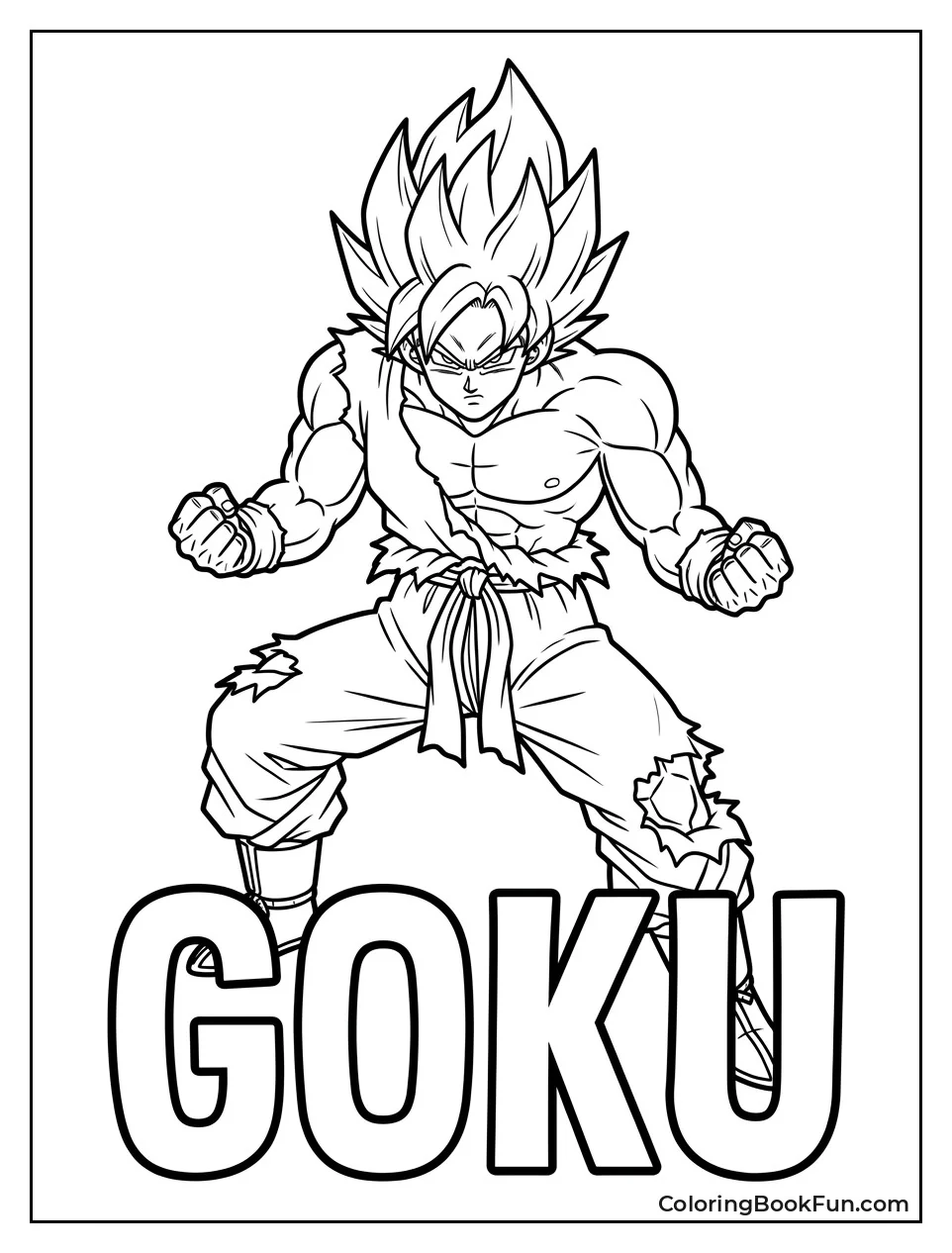
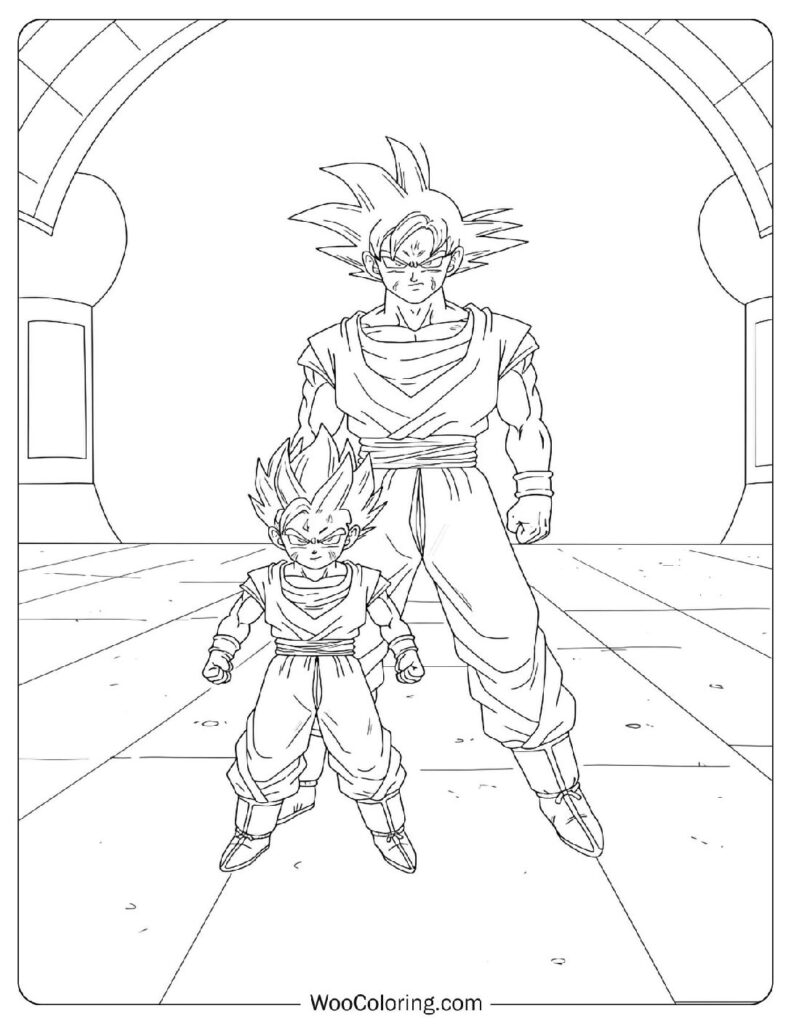
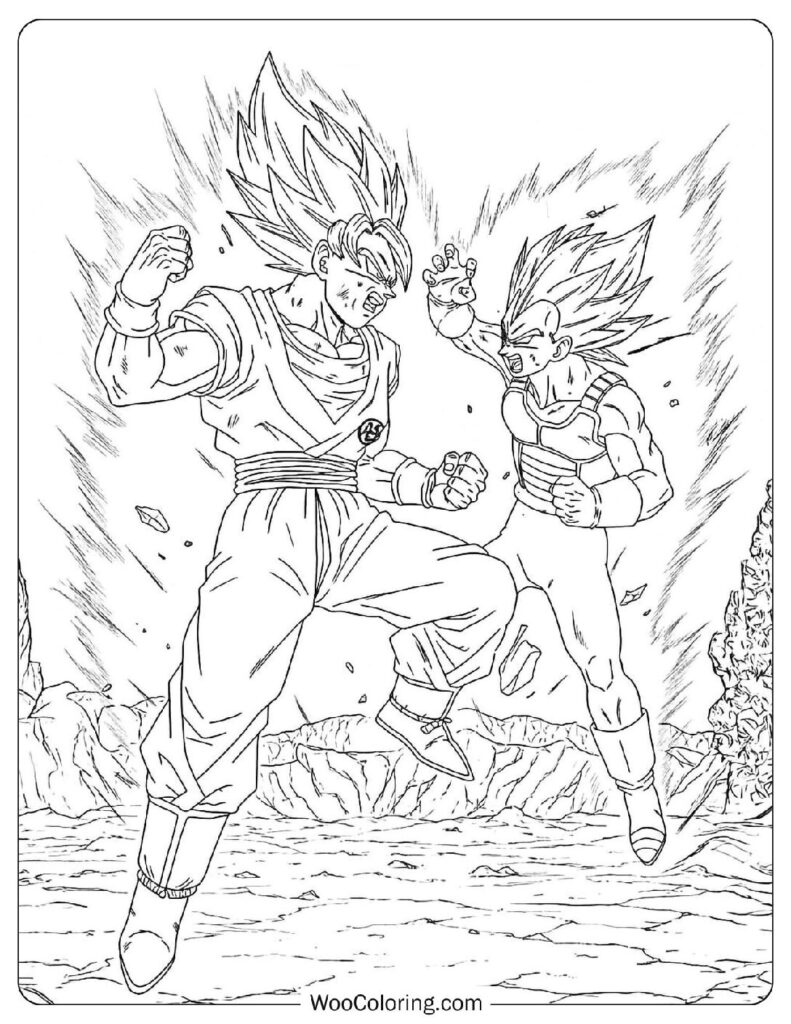
Coloring pages goku serve as highly engaging visual learning tools that channel popular culture characters into targeted fine-motor practice, hand-eye coordination training, and cognitive engagement for early childhood learners. According to the National Association for the Education of Young Children (NAEYC), integrating culturally relevant and high-interest motifs into foundational practice materials substantially increases sustained student attention and task persistence. Educators and homeschool parents leverage these specialized illustrations to transition reluctant learners into structured skill-building sessions, bridging the gap between recreational interests and academic readiness.
Curriculum Practice Snapshot:
- Core Focus: Utilizing character-themed graphic templates to drive fine-motor control and focus.
- Target Scope: Early elementary classrooms and homeschool settings spanning preschool through grade three.
- Key Recommendation: Pair stylized graphics with targeted pencil grip interventions and purposeful color-matching boundaries.
Core Principles and Detailed Overview
Incorporating thematic character illustrations into daily practice harnesses intrinsic student motivation to reinforce essential pre-writing and visual discrimination skills. Direct answer: Character-based visual sheets improve bilateral hand coordination by requiring students to stabilize paper with one hand while executing controlled strokes with the dominant hand. As young learners navigate complex linework, distinct spiky hair contours, and multi-layered clothing boundaries, neural pathways governing spatial awareness and visual-motor integration receive consistent, low-stakes stimulation. Integrating curated Coloring Pages within established curriculum blocks empowers educators to maintain high engagement without sacrificing developmental rigor or instructional integrity.
Key Specifications and Breakdown
| Grade / Developmental Stage | Target Learning Skill | Instructional Strategy & Scaffolding |
|---|---|---|
| Preschool (Ages 3-4) | Pincer grasp development and boundary awareness | Utilize bold, thick-lined vector templates paired with thick triangular crayons. |
| Kindergarten (Ages 5-6) | Pencil pressure control and directional wrist movement | Introduce colored pencils and mandate alternating stroke directions within clothing regions. |
| Early Elementary (Ages 7-8) | Visual shading, color blending, and sustained focus | Incorporate multi-step color keys that double as numerical or pattern-recognition challenges. |
Structured fine-motor interventions directly correlate with enhanced letter formation proficiency and spatial organization in early childhood writing assessments — What Works Clearinghouse (IES)
Step-by-Step Practical Application and Guidelines
Implementing these thematic resources effectively requires a deliberate three-phase instructional sequence that balances creative freedom with targeted skill acquisition. Direct answer: Educators successfully deploy these materials by first conducting a guided observation of grip technique, followed by independent execution within structured time limits, and concluding with peer-led descriptive sharing sessions. Initially, instructors distribute clean templates alongside specific grip reminders to establish proper hand positioning. During the production phase, students apply designated pressure gradients to distinct character segments, reinforcing hand muscle endurance. Finally, structured reflection routines allow children to articulate their color choices, bolstering expressive vocabulary alongside visual dexterity.
Common Challenges and How to Avoid Them
A primary obstacle encountered when introducing popular culture art sheets is rushed execution driven by immediate excitement over the character, which frequently results in haphazard scribbling rather than deliberate skill practice. Direct answer: Mitigate hasty completion habits by establishing explicit craftsmanship criteria, such as requiring smooth directional shading within designated zones before transitioning to supplementary Worksheets or narrative writing prompts. Another common pitfall involves inappropriate line density for younger developmental tiers; educators prevent frustration by selecting simplified outlines for preschoolers while reserving intricate, high-detail designs exclusively for older elementary students who possess refined wrist stabilization.
💬 Frequently Asked Questions
Explore More Early Learning and Classroom Resources on Knowalla
Discovering comprehensive educational assets tailored for diverse learning environments empowers educators and parents to optimize daily instruction. Access structured Handwriting & Tracing drills and professional Teacher Resources designed to elevate fundamental skill mastery across every grade band. Visit Knowalla today to explore an extensive digital library built to support holistic early childhood development and joyful classroom engagement.
Printable Coloring Page Previews