Introduction
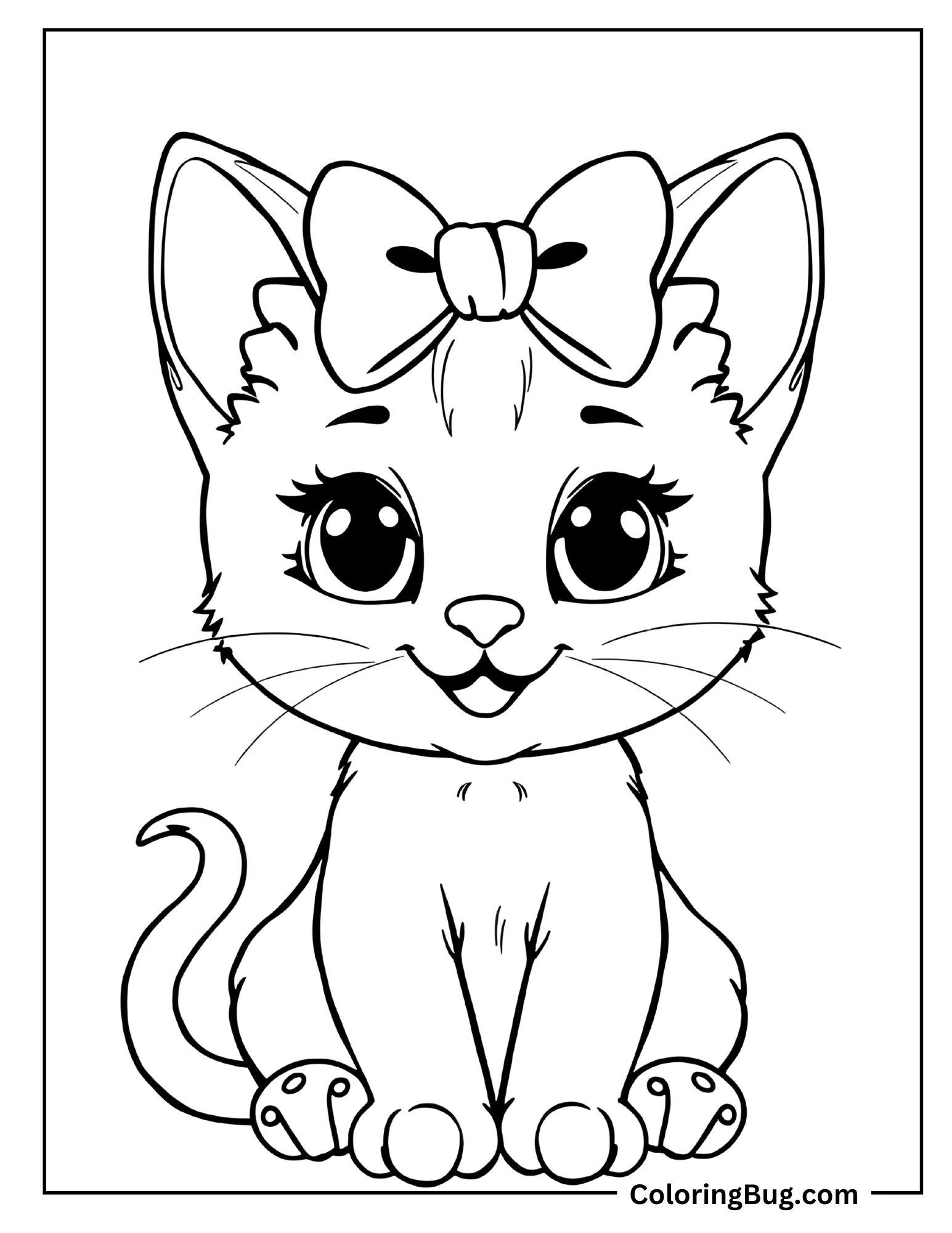
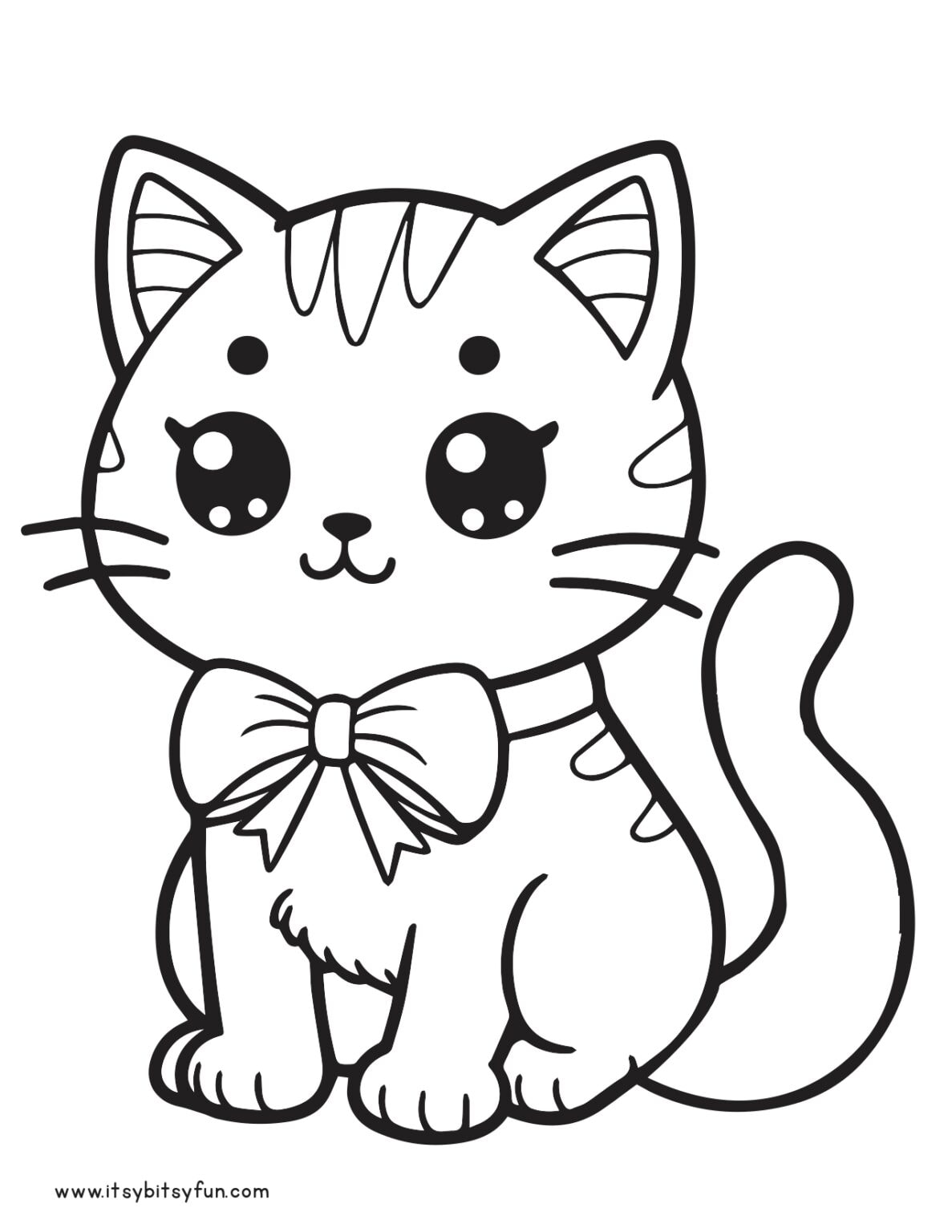
Coloring pages kittens serve as targeted early childhood printables designed to foster fine-motor dexterity, pencil grip precision, and visual-spatial processing in young learners. According to the National Association for the Education of Young Children (NAEYC), intentional manipulation of writing and coloring tools during early education supports the critical development of hand-eye coordination and foundational muscle control necessary for future academic success. Integrating thematic feline illustrations into daily lesson plans bridges engaging visual content with rigorous occupational skill practice, allowing children to strengthen intrinsic hand muscles while enjoying familiar animal themes. Educators leverage these specific printables within structured Coloring Pages centers to encourage sustained attention span and creativity.
Curriculum Practice Snapshot:
- Core Focus: Developing fine-motor control, hand strength, and bilateral coordination using thematic kitten graphics.
- Target Scope: Preschool, kindergarten, and early elementary students in formal classrooms and homeschool environments.
- Key Recommendation: Pair kitten-themed coloring sheets with targeted Handwriting & Tracing components to maximize skill transfer.
Core Principles and Detailed Overview
Fine-motor development relies heavily on repeated, structured exposure to coloring and tracing exercises that challenge children to maintain controlled pressure and directional control within defined boundaries. Kitten illustrations provide naturally engaging focal points featuring diverse geometric lines, soft curves, and distinct geometric shapes that require precise wrist and finger articulation. As children navigate whiskers, paws, and fluffy tails, visual-motor integration improves significantly. Furthermore, educators utilize specialized Worksheets featuring these feline designs to incorporate early counting, letter recognition, and color identification into standard art sessions, ensuring multidisciplinary instructional value.
Key Specifications and Breakdown
| Grade / Developmental Stage | Target Learning Skill | Instructional Strategy & Scaffolding |
|---|---|---|
| Preschool (Ages 3-4) | Palmar and transitional grip strength, spatial boundary awareness | Utilize thick-lined, simplified kitten outlines paired with jumbo crayons to encourage broad stroke control. |
| Kindergarten (Ages 5-6) | Pincer grasp refinement, intricate edge control, and directional stamina | Provide moderately detailed kitten scenes alongside structured Learning Activities that prompt color patterns. |
| Early Elementary (Ages 6-7) | Bilateral hand coordination, shading techniques, stamina during writing tasks | Incorporate complex, multi-subject feline line art requiring colored pencils or fine-tip markers for precision. |
Structured fine-motor interventions directly correlate with enhanced handwriting readiness and spatial organization benchmarks in primary education — What Works Clearinghouse (IES)
Step-by-Step Practical Application and Guidelines
Implementing kitten-themed coloring tasks effectively requires a sequenced instructional approach that transitions children from open-ended creativity to focused skill acquisition. First, educators select appropriate illustrations matching the current dexterity level of the group, ensuring that line thickness aligns with motor capabilities. Second, instructors model correct tripod grip mechanics explicitly before distributing the printables, emphasizing thumb and index finger opposition while coloring within enclosed kitten shapes. Third, facilitators integrate cross-curricular prompts, asking students to count the whiskers or trace adjacent letters, thereby combining artistic engagement with cognitive reinforcement found across Teacher Resources.
Common Challenges and How to Avoid Them
Hand fatigue and early frustration represent the most frequent obstacles encountered when young children attempt highly intricate coloring sheets before developing adequate intrinsic hand strength. To prevent grip collapse and loss of focus, instructors should rotate writing utensils frequently, substituting heavy wax crayons with shorter colored pencils that naturally enforce a proper pincer grasp. Additionally, addressing rushed coloring habits involves establishing clear boundary-checking routines, encouraging students to treat feline outlines as pathways rather than speed trials, which ultimately preserves both fine-motor focus and visual-spatial accuracy.
💬 Frequently Asked Questions
Explore More Early Learning and Classroom Resources on Knowalla
Educators and parents seeking comprehensive printables, skill-building worksheets, and structured pedagogical guides will find a wealth of supplementary material available on Knowalla. Expanding early childhood toolkits with professional-grade resources ensures children receive continuous support across all developmental domains.
Printable Coloring Page Previews