Introduction
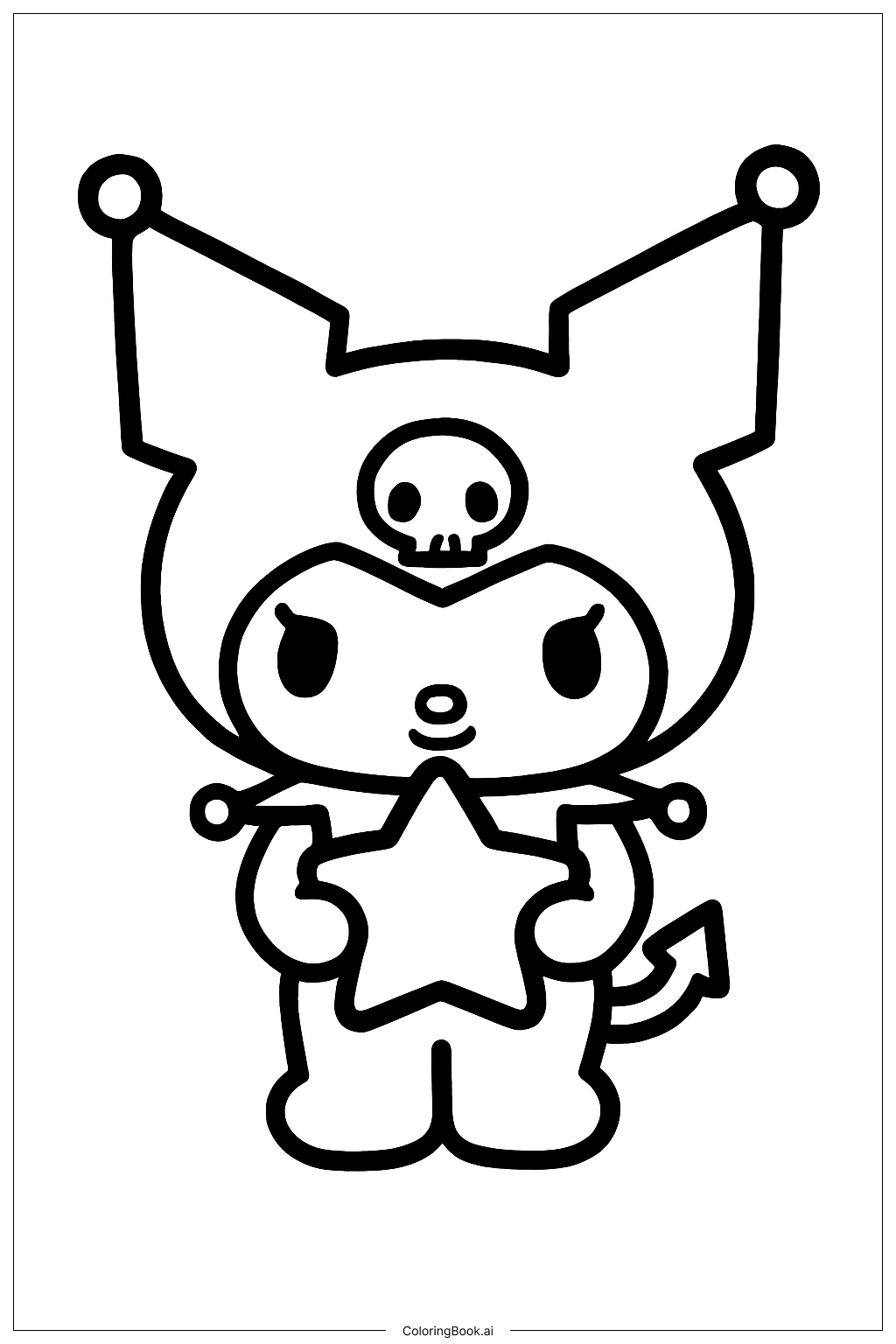
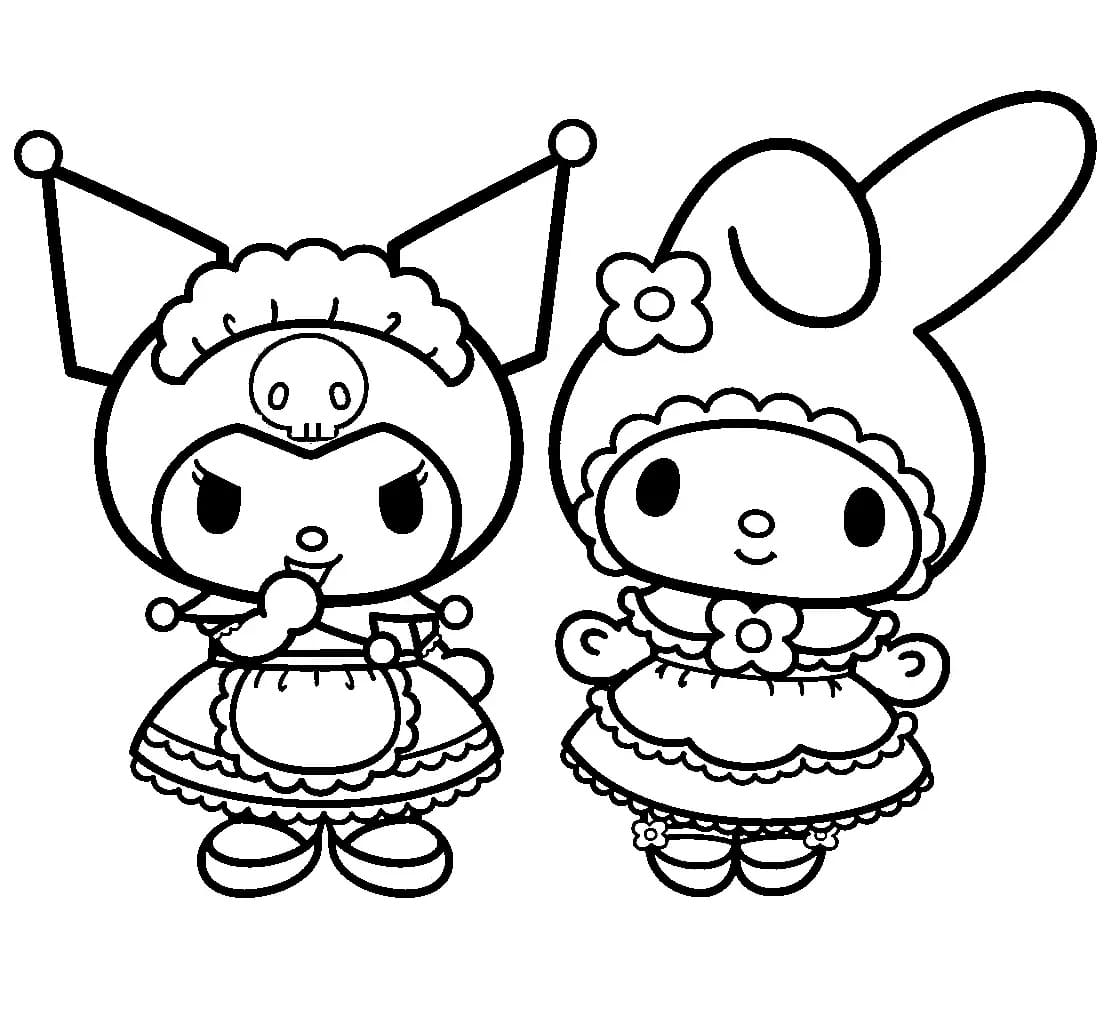
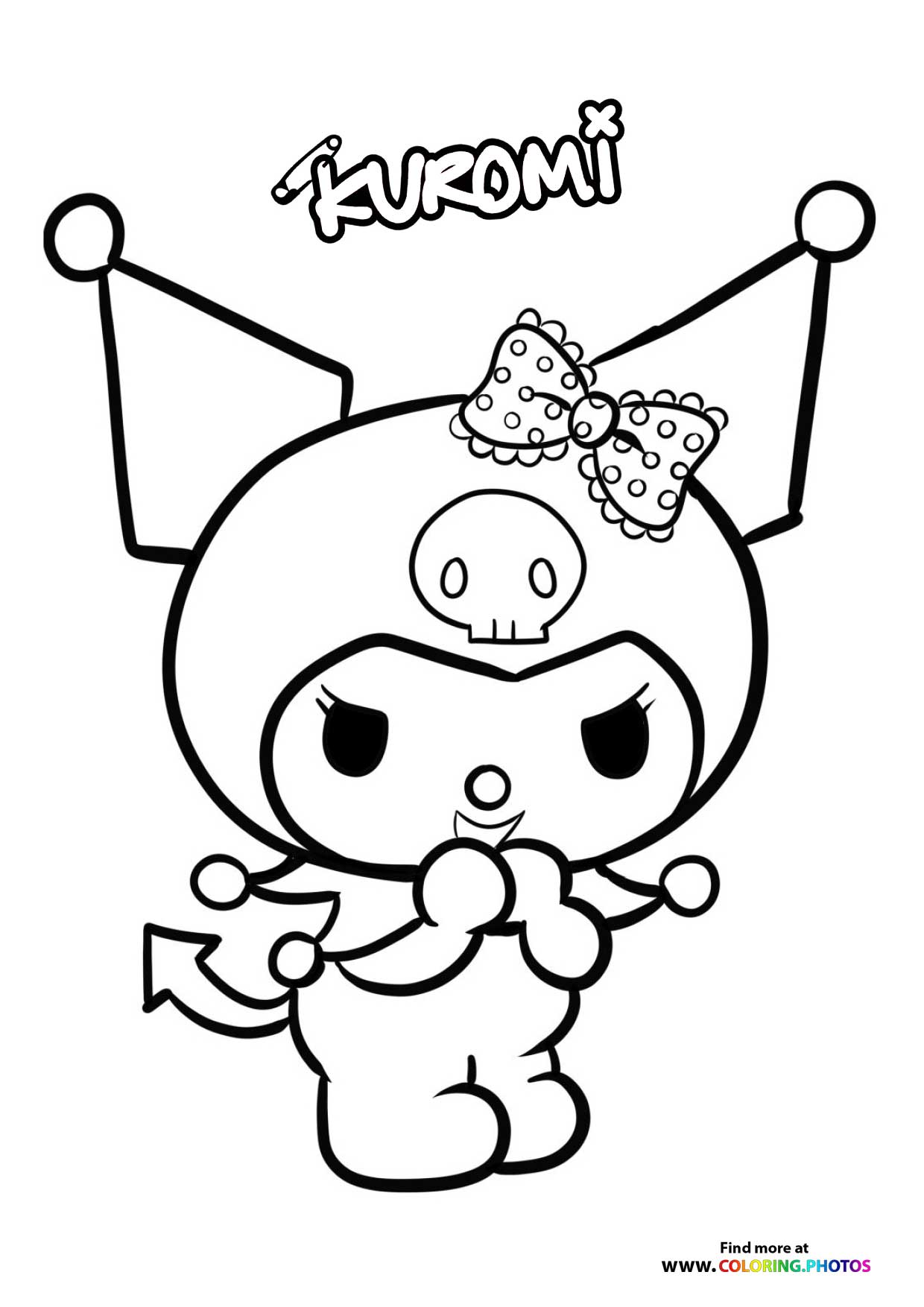
Coloring pages kuromi serve as targeted graphic resources designed to build pencil control, spatial awareness, and fine-motor precision through engaging character-based line art. According to the National Association for the Education of Young Children (NAEYC), developmentally appropriate media characters significantly enhance young learners’ intrinsic motivation and sustained engagement during foundational skill practice. Integrating popular visual themes such as the Sanrio character Kuromi into printable materials bridges recreational interests with rigorous academic readiness. Educators frequently leverage these assets alongside broader Coloring Pages collections to maintain high engagement levels during morning work or independent learning stations. Systematic implementation of character-themed graphics ensures that learners develop fundamental dexterity while interacting with content that aligns with their personal motivational drivers.
Curriculum Practice Snapshot:
- Core Focus: Fine-motor skill development and pencil control via engaging graphic art sheets.
- Target Scope: Early childhood classrooms, special education OT sessions, and homeschool environments.
- Key Recommendation: Pair thick-boundary line art with graduated tracing elements to scaffold wrist mobility.
Core Principles and Detailed Overview
Coloring pages kuromi fulfill critical neurological and physical milestones by requiring precise hand-eye coordination, sustained grip strength, and visual-spatial boundary execution. Direct engagement with structured shapes strengthens the intrinsic muscles of the hand, preparing young learners for advanced handwriting tasks found within comprehensive Handwriting & Tracing frameworks. When children maneuver markers, crayons, or colored pencils within intricate character borders, visual-motor integration pathways reinforce neurological connections responsible for letter formation and symbol recognition. Utilizing these assets as part of structured Learning Activities guarantees that motor skill development remains purposeful, targeted, and measurable.
Key Specifications and Breakdown
| Grade / Developmental Stage | Target Learning Skill | Instructional Strategy & Scaffolding |
|---|---|---|
| Pre-K / Ages 3-4 | Gross motor grasp and boundary awareness | Utilize thick, bold outlines with expansive color zones to prevent frustration. |
| Kindergarten / Ages 5-6 | Pincer grip refinement and directional shading | Incorporate multi-part character designs alongside guided directional strokes. |
| 1st Grade / Ages 6-7 | Bilateral coordination and stamina | Combine character art with supplementary Worksheets for integrated practice. |
Structured fine-motor interventions directly correlate with enhanced spatial manipulation and orthographic execution metrics — What Works Clearinghouse (IES)
Step-by-Step Practical Application and Guidelines
Implementing coloring pages kuromi effectively requires a structured three-phase pedagogical sequence that maximizes both engagement and skill acquisition. Phase one involves selecting line art that matches the specific motor proficiency of the cohort, ensuring outlines provide adequate visual boundaries without causing cognitive overload. Phase two introduces explicit utensil guidelines, where educators model proper tripod grip, arm positioning, and paper stabilization techniques before independent execution begins. Phase three incorporates formative assessment by evaluating edge-adherence, pressure modulation, and spatial completion during dedicated Teacher Resources implementation periods. This systematic progression transforms routine art time into a rigorous developmental exercise.
Common Challenges and How to Avoid Them
Over-reliance on complex visual patterns without adequate scaffolding frequently leads to hand fatigue, grip regression, and student disengagement. Educators mitigate these obstacles by carefully balancing intricate character designs with simpler geometric borders, ensuring children build physical stamina gradually over successive sessions. Another common pitfall involves treating character-themed printouts purely as recreational filler rather than intentional developmental tools; establishing explicit learning objectives for each session restores academic rigor. Maintaining appropriate printing dimensions and high-contrast vector lines further eliminates visual ambiguity, allowing students with varying visual-spatial processing speeds to succeed independently.
💬 Frequently Asked Questions
Explore More Early Learning and Classroom Resources on Knowalla
Educators and parents seeking comprehensive instructional materials can access thousands of printable assets designed to elevate foundational academic skills. Discover endless inspiration, printable skill drills, and structured teaching tools by visiting the main portal at Knowalla for ongoing classroom support.
Printable Coloring Page Previews