Introduction
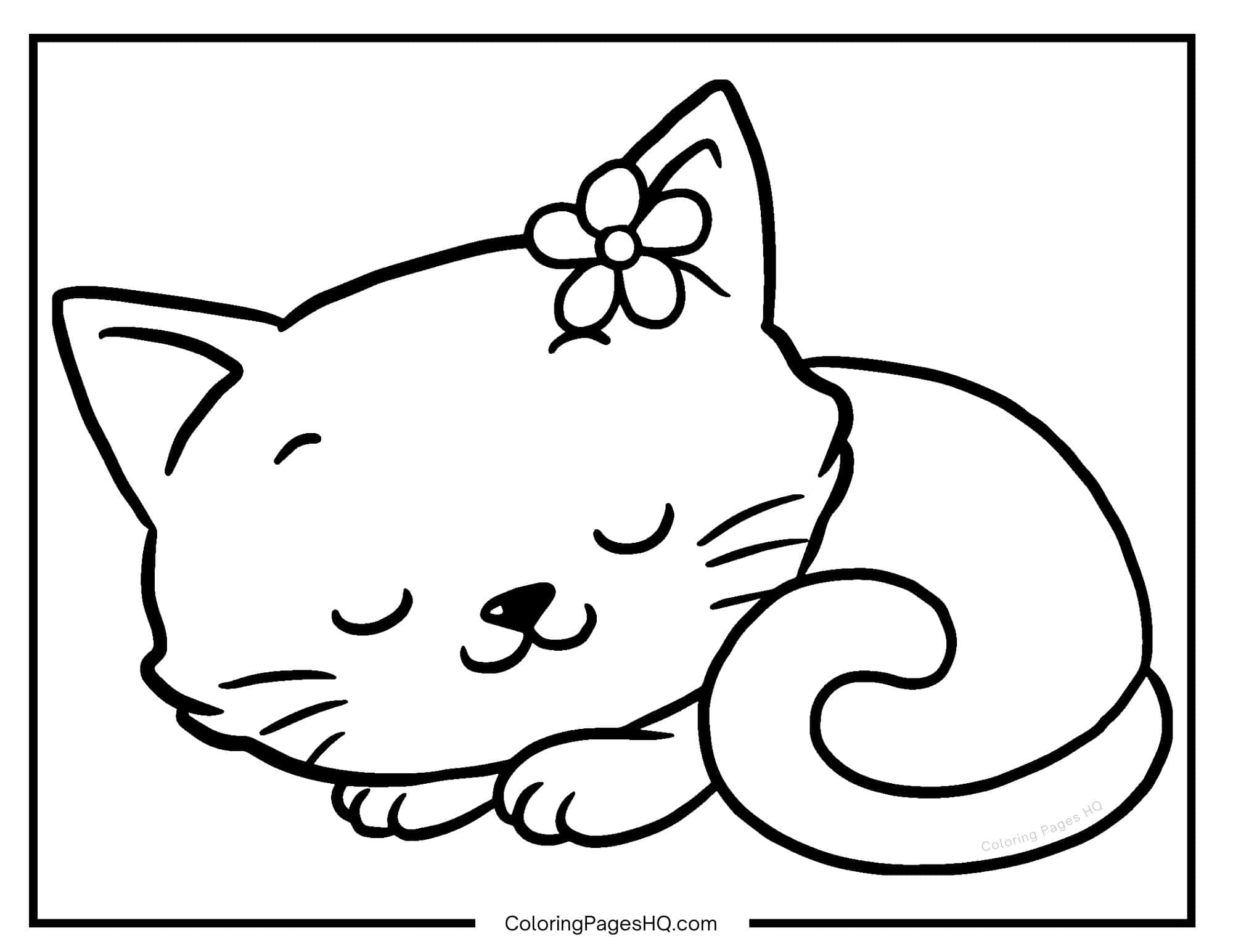
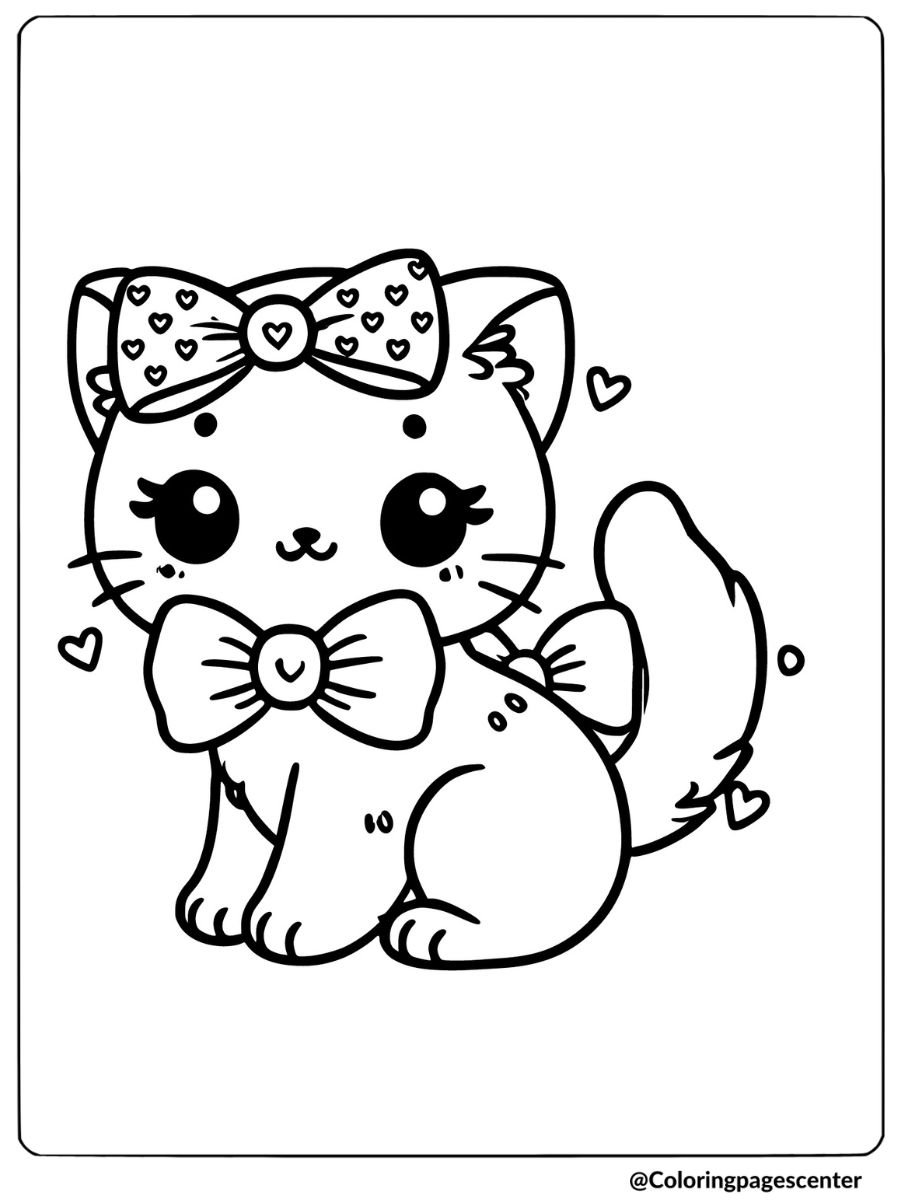
Coloring pages kitty resources serve as structured instructional tools that foster foundational motor control, visual-spatial awareness, and creative expression in early childhood curricula. According to the National Association for the Education of Young Children (NAEYC), purposeful manipulation of writing and coloring implements significantly enhances the small muscle development required for future academic mastery. Utilizing thematic feline illustrations bridges student engagement with targeted fine-motor practice, transforming routine desk work into purposeful skill development suitable for preschool and kindergarten environments. Educators integrating Coloring Pages into daily centers consistently observe improved hand-eye coordination among emergent learners.
Curriculum Practice Snapshot:
- Core Focus: Utilizing thematic kitty illustrations to develop fine-motor control, pencil grip, and visual tracking.
- Target Scope: Early childhood education settings, pre-kindergarten classrooms, and home-schooling environments.
- Key Recommendation: Pair feline-themed coloring sheets with targeted Handwriting & Tracing sheets to reinforce pre-writing strokes.
Core Principles and Detailed Overview
Coloring pages kitty assets promote bilateral integration by requiring one hand to stabilize the paper while the dominant hand executes precise coloring strokes within defined boundaries. Systematic integration of these printables supports visual perception, figure-ground differentiation, and spatial orientation as young children navigate ears, whiskers, and paws. Selecting developmentally appropriate line weights ensures that children experience early successes, building intrinsic motivation and academic self-efficacy. Instructors often combine these activities with broader Learning Activities to maintain thematic continuity across literacy and art blocks.
Key Specifications and Breakdown
| Grade / Developmental Stage | Target Learning Skill | Instructional Strategy & Scaffolding |
|---|---|---|
| Pre-K (Ages 3-4) | Palmar grasp transition and basic boundary awareness | Utilize thick, bold outlines with large coloring zones to minimize visual frustration. |
| Kindergarten (Ages 5-6) | Pincer grasp reinforcement and controlled wrist movement | Introduce intricate feline patterns that require multi-directional shading and directional strokes. |
| Early Intervention (Mixed) | Bilateral hand coordination and sustained focus | Provide physical boundary markers and textured paper to tactile learners during sessions. |
Intentional fine-motor skill practice through structured art activities directly correlates with enhanced handwriting readiness and spatial cognitive development — What Works Clearinghouse (IES)
Step-by-Step Practical Application and Guidelines
Implementing coloring pages kitty materials effectively requires a structured three-step instructional sequence focused on preparation, execution, and reflection. First, educators select printables that match the specific grip development stage of the target cohort, ensuring adequate line width and geometric simplicity. Second, instructors model correct tripod or pincer grasp techniques while explicitly demonstrating controlled coloring strokes along the perimeter of the illustration. Third, classrooms review completed sheets through collaborative peer discussions that highlight creative color choices and careful adherence to boundary lines, reinforcing pride in workmanship.
Common Challenges and How to Avoid Them
Frustration during fine-motor tasks typically stems from mismatched line widths or improper writing utensil selection that overwhelms developing hand muscles. Educators prevent this by auditing resource complexity and offering varied instrument thicknesses, ranging from chunky wax crayons for early pre-schoolers to colored pencils for advanced kindergartners. Furthermore, structured integration of these resources alongside comprehensive Worksheets ensures that fine-motor practice remains balanced with cognitive skill reinforcement.
💬 Frequently Asked Questions
Explore More Early Learning and Classroom Resources on Knowalla
Discovering high-value instructional assets empowers educators to design engaging, skill-rich learning environments that captivate young minds. Explore comprehensive pedagogical tools and printable materials directly on Knowalla to elevate daily classroom instruction.
Printable Coloring Page Previews