Introduction
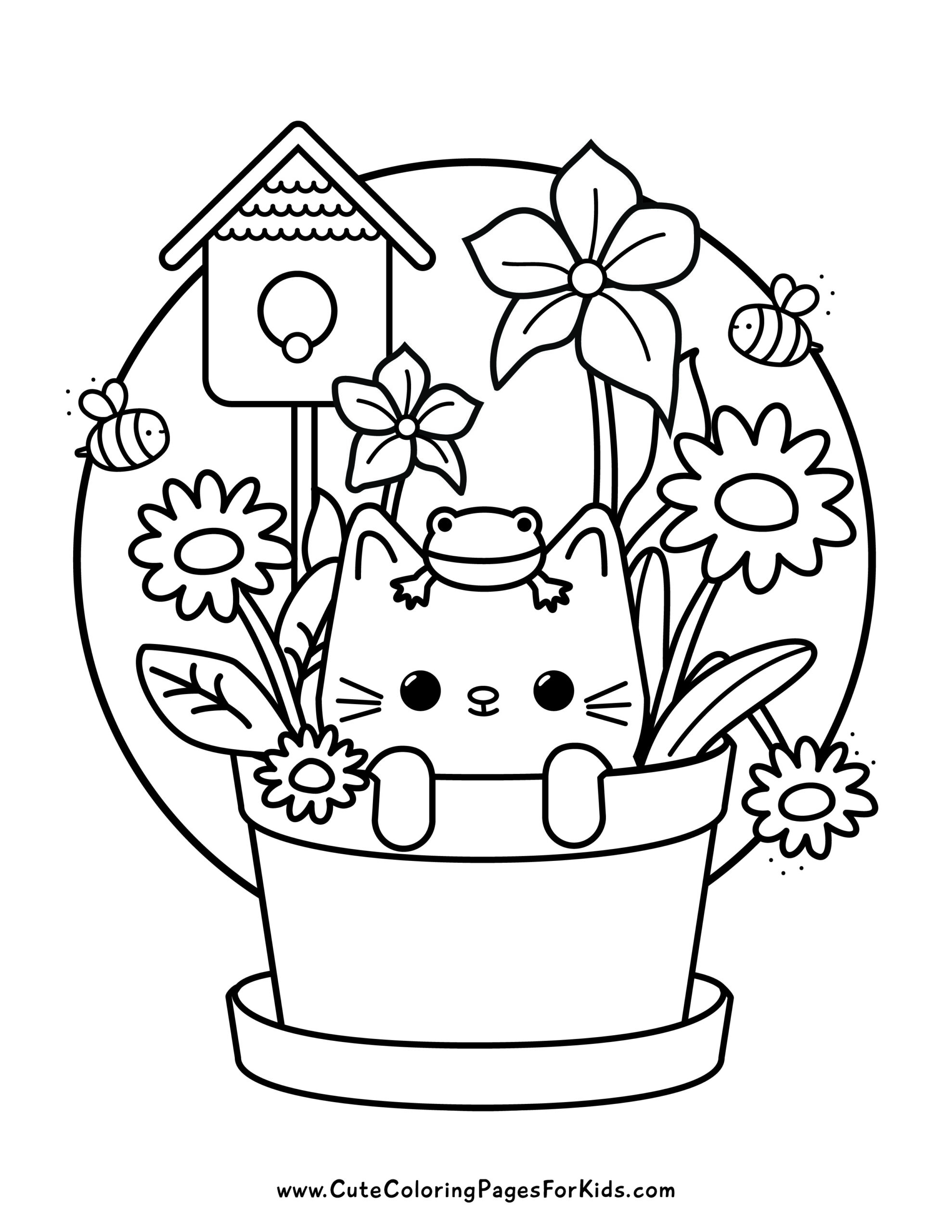
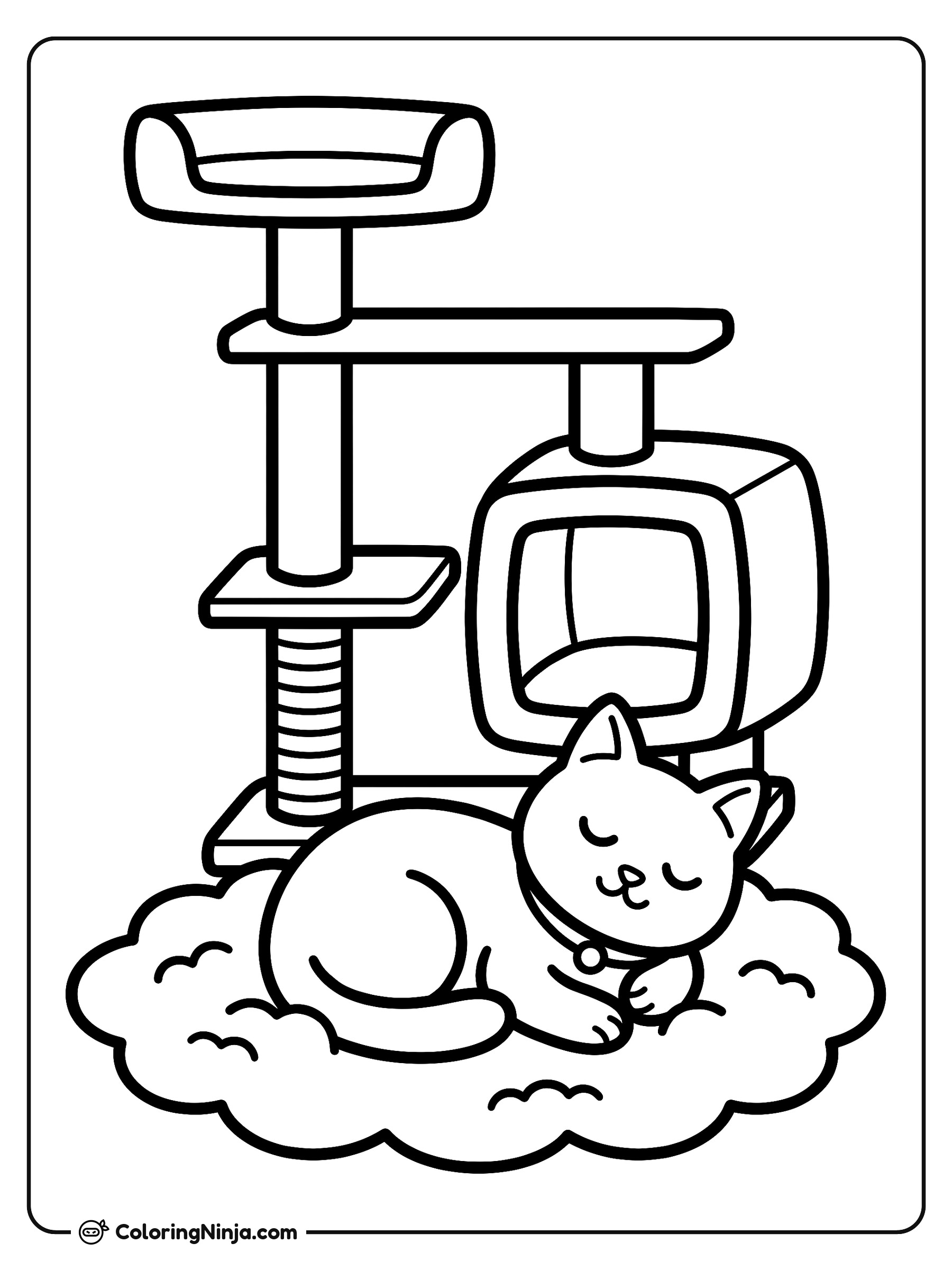
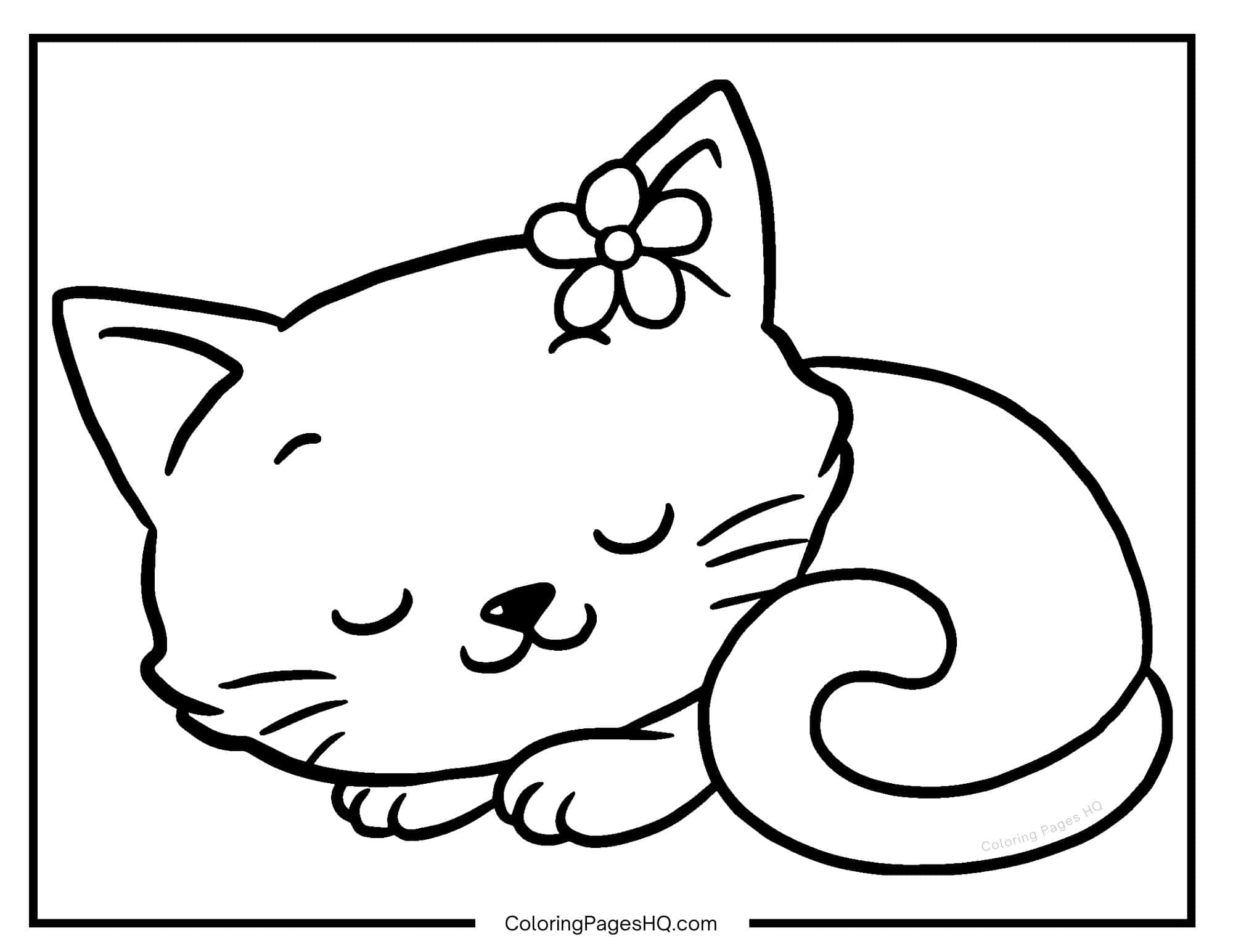
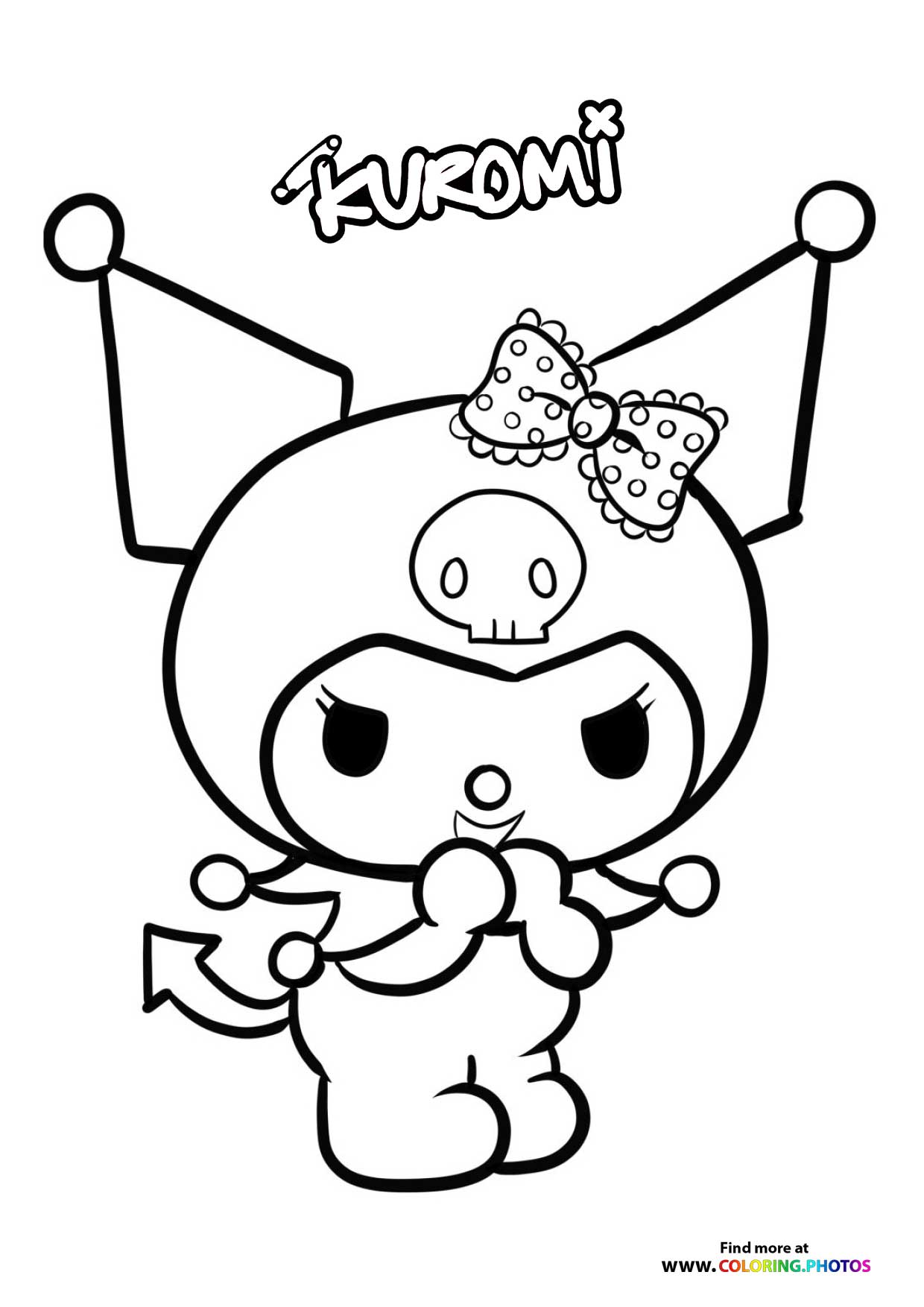
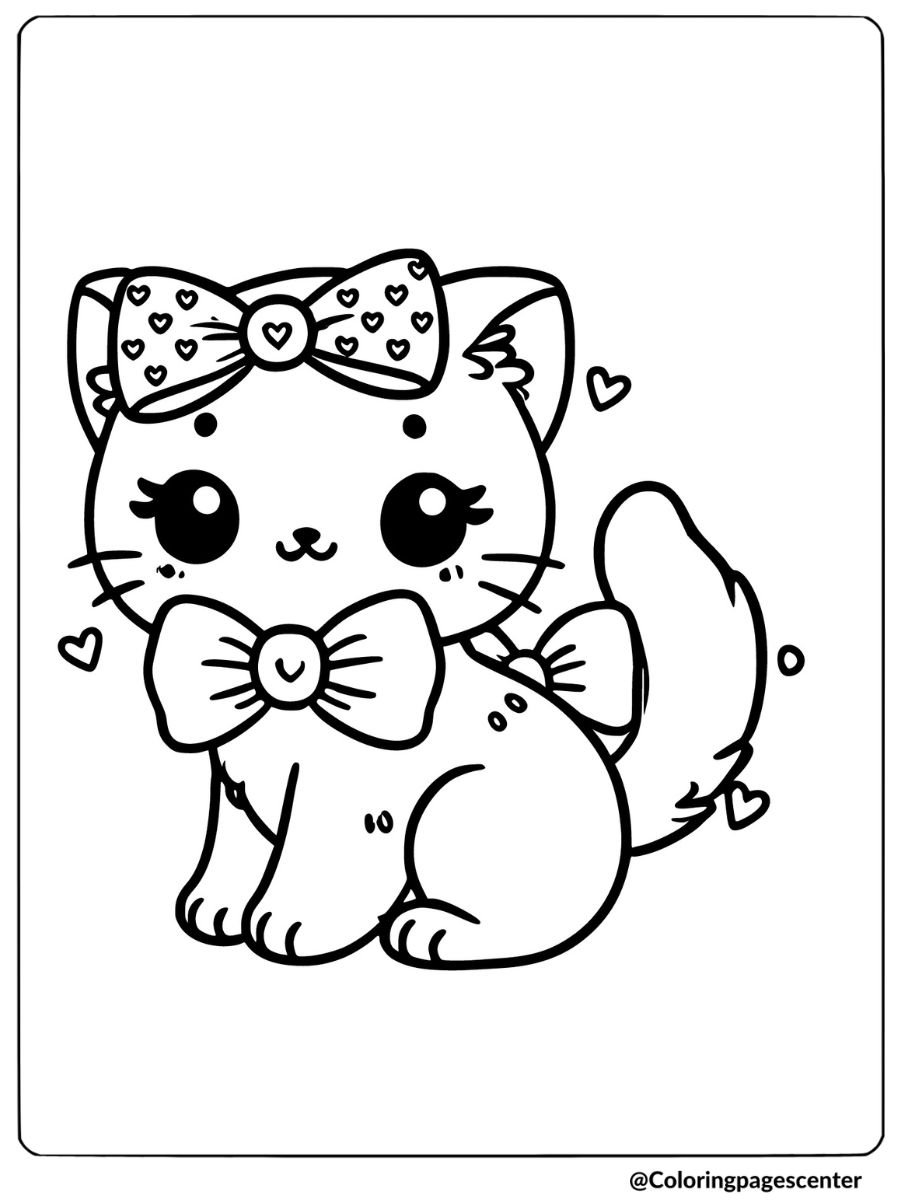
Coloring pages kitty cat resources function as specialized early childhood printables designed to build foundational motor control, spatial awareness, and pre-writing strength through engaging feline imagery. According to the National Association for the Education of Young Children (NAEYC), purposeful manipulation of writing and coloring tools during early learning activities actively strengthens the small hand muscles required for future academic success. Educators and caregivers frequently integrate thematic Coloring Pages into daily centers to seamlessly combine visual art with targeted developmental milestones. Exploring these materials through structured Learning Activities ensures that young learners remain motivated while acquiring essential pre-academic competencies.
Curriculum Practice Snapshot:
- Core Focus: Building fine-motor dexterity and pencil grasp control via thematic feline artwork.
- Target Scope: Pre-kindergarten through first-grade classrooms, early childhood centers, and homeschool environments.
- Key Recommendation: Pair feline art sheets with progressive Handwriting & Tracing components to maximize physical skill acquisition.
Core Principles and Detailed Overview
Targeted feline-themed illustration sheets provide structured visual boundaries that teach children how to regulate hand movement, control pressure, and execute precise strokes. Systematic deployment of Worksheets featuring cats and kittens transforms unstructured play into intentional exercise for the intrinsic muscles of the hand. When children trace whiskers, fill in soft fur textures, and stay within bounded paw outlines, the brain strengthens neural pathways associated with visual-motor integration. Professional Teacher Resources emphasize that incorporating high-interest animal motifs significantly increases sustained attention span among young students during independent desk work.
Key Specifications and Breakdown
| Grade / Developmental Stage | Target Learning Skill | Instructional Strategy & Scaffolding |
|---|---|---|
| Pre-K (Ages 3-4) | Gross palm grip to transitional pincer grasp development | Use thick, bold-lined outlines featuring large, simplified kitty shapes to accommodate loose motor control. |
| Kindergarten (Ages 5-6) | Precise edge control and sustained hand-eye coordination | Introduce intricate patterns within the feline body, requiring deliberate stops and directional changes. |
| First Grade (Ages 6-7) | Creative color blending, spatial awareness, and stamina | Combine coloring tasks with sentence-writing prompts about the depicted cat to bridge art and literacy. |
Early fine-motor proficiency and intentional drawing practice directly correlate with long-term handwriting legibility and spatial organization skills. — What Works Clearinghouse (IES)
Step-by-Step Practical Application and Guidelines
Implementing themed feline graphics effectively requires a deliberate three-phase instructional sequence that moves from physical preparation to creative execution. Initially, educators distribute the selected printables while guiding children to analyze the shapes, contours, and distinct features of the animals before touching any writing utensils. Next, instructors demonstrate proper tripod grasp techniques, explicitly showing how fingers stabilize crayons or colored pencils while coloring inside the designated borders. Finally, adults facilitate a constructive reflection phase where children describe their artwork, reinforcing descriptive vocabulary and narrative expression.
Common Challenges and How to Avoid Them
Children frequently experience hand fatigue, grip frustration, or difficulty maintaining boundaries when presented with overly complex or poorly scaled designs. Educators bypass these hurdles by carefully matching line thickness and image complexity to the exact developmental stage of the child, ensuring that early attempts foster confidence rather than frustration. Furthermore, alternating between large wax crayons for broad strokes and slender colored pencils for detailed areas prevents repetitive strain while systematically expanding muscular endurance.
💬 Frequently Asked Questions
Explore More Early Learning and Classroom Resources on Knowalla
Empowering early childhood educators and parents with high-quality pedagogical assets remains the core mission at Knowalla. Explore the extensive digital library today to discover thousands of printable materials designed to elevate student engagement and accelerate foundational skill mastery.
Printable Coloring Page Previews