Introduction
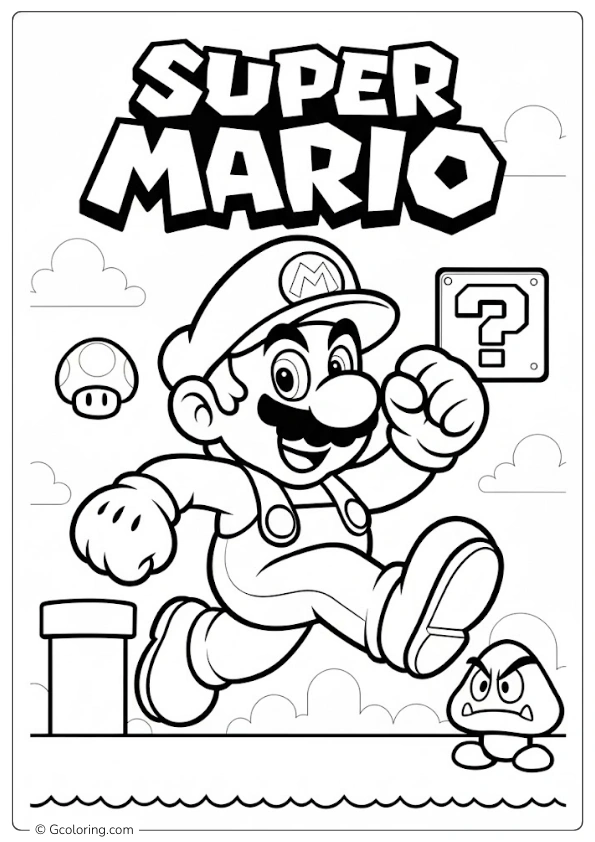
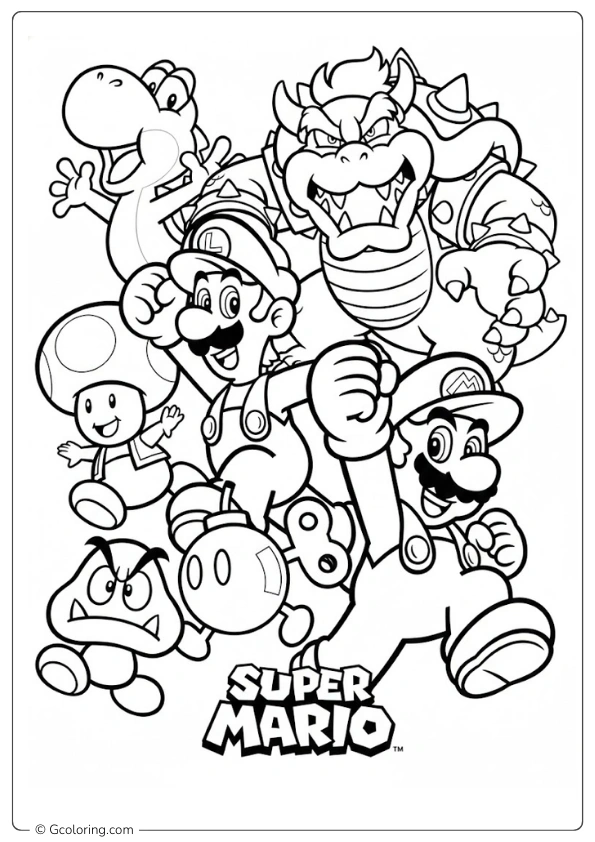
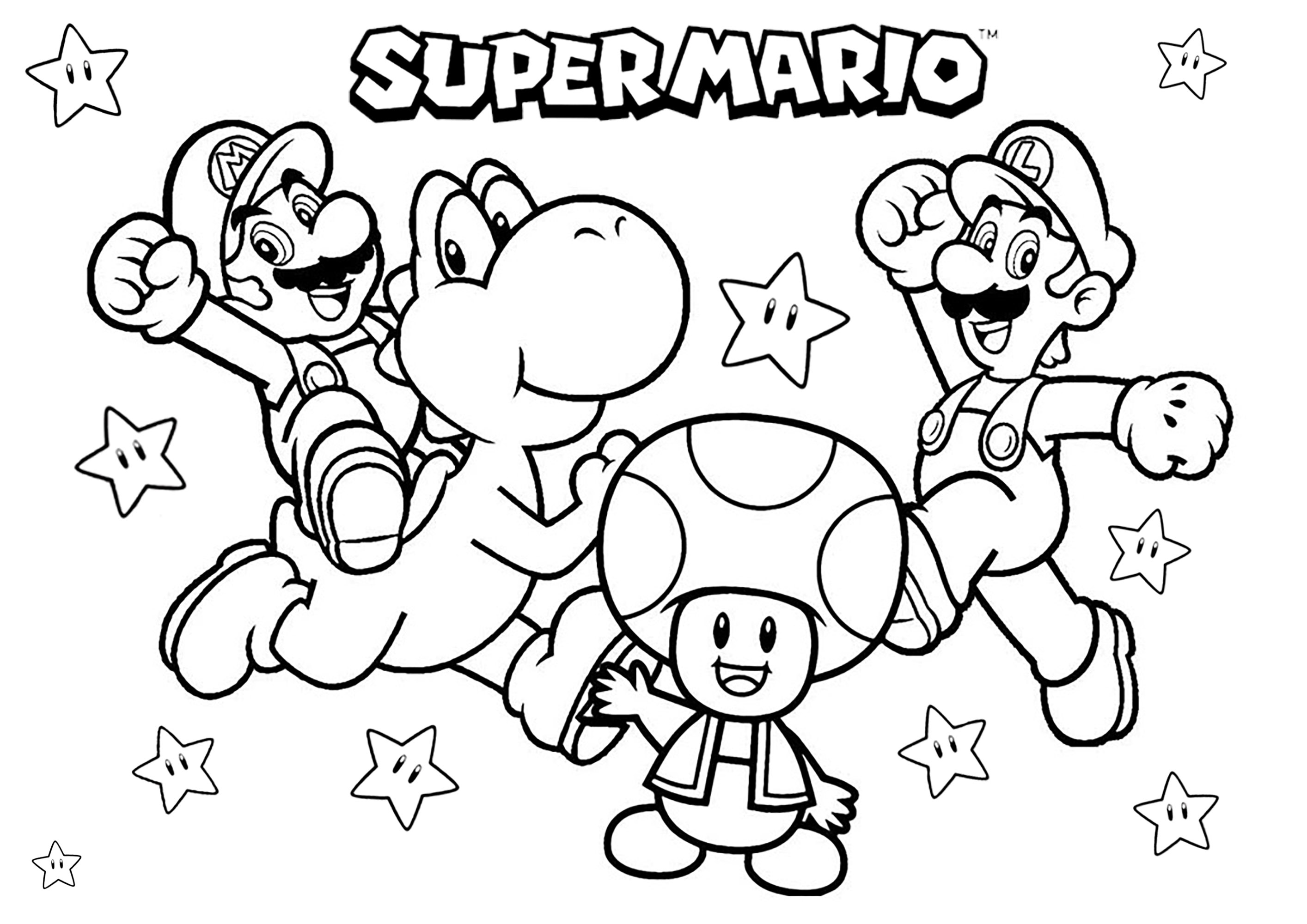
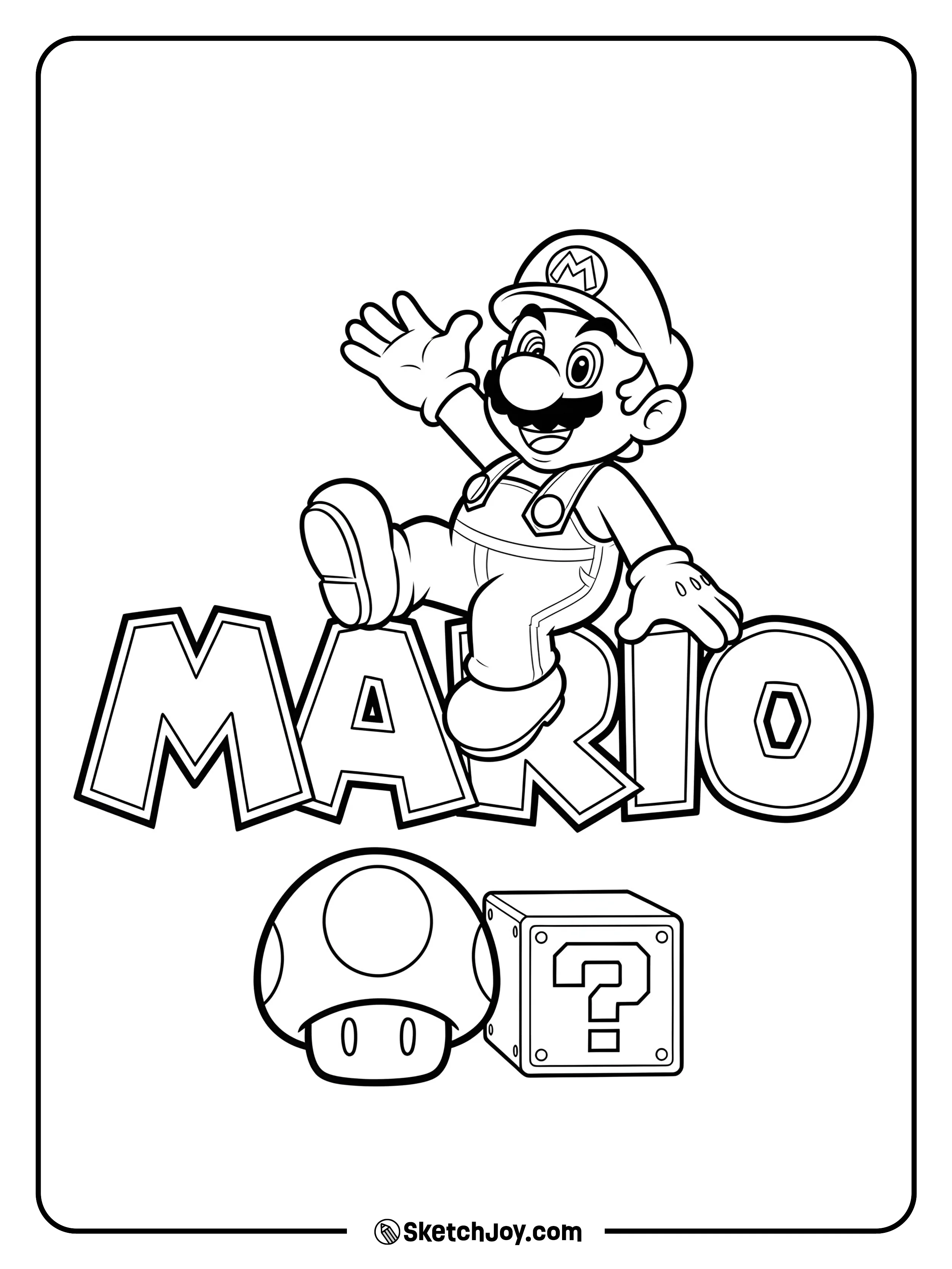
Coloring pages mario serve as structured, character-driven visual printables that integrate high-interest pop culture iconography with essential early childhood motor skill development. According to the National Association for the Education of Young Children (NAEYC), utilizing familiar characters and engaging visual themes during early skill practice effectively increases task persistence and intrinsic motivation among young learners. Educators and homeschool parents frequently incorporate these character-themed sheets into daily lesson plans to bridge the gap between recreational interests and structured Learning Activities that reinforce foundational competencies.
Curriculum Practice Snapshot:
- Core Focus: Utilizing character-themed printable art to build fine-motor precision and visual-spatial awareness.
- Target Scope: Pre-K through Grade 2 early childhood education classrooms and homeschool environments.
- Key Recommendation: Pair structured boundary-coloring exercises with targeted Handwriting & Tracing components to maximize bilateral hand coordination.
Core Principles and Detailed Overview
Coloring pages mario provide intentional graphic designs that target specific developmental domains, including pincer grasp refinement, spatial orientation, and sustained attention span. Direct answer: These printable assets establish distinct graphical boundaries that prompt young children to exercise controlled wrist and finger movements, directly strengthening the intrinsic hand muscles required for legible handwriting. Integrating structured art tasks within Worksheets ensures that learners transition seamlessly from open-ended creative play to targeted academic preparation. Educators utilize these recognizable templates to capture attention, reduce cognitive resistance, and support diverse learning needs across inclusive classroom settings.
Key Specifications and Breakdown
| Grade / Developmental Stage | Target Learning Skill | Instructional Strategy & Scaffolding |
|---|---|---|
| Preschool (Ages 3-4) | Pincer grasp refinement and broad boundary control | Utilize thick-lined graphics with oversized character elements to accommodate developing muscle control. |
| Kindergarten (Ages 5-6) | Hand-eye coordination and color-to-line precision | Introduce multi-element scenes requiring directional shading and varied pencil pressure. |
| First Grade (Ages 6-7) | Visual-spatial persistence and detailed pattern following | Combine character art with embedded Teacher Resources like grid-copying and symmetry challenges. |
Structured visual motor integration interventions demonstrably enhance early spatial reasoning and pencil control proficiencies across primary grade levels — What Works Clearinghouse (IES). Related guide: Coloring Pages Jeep.
Step-by-Step Practical Application and Guidelines
Implementing coloring pages mario effectively requires a structured, three-step instructional sequence that transitions children from visual observation to independent execution. Direct answer: Instructors should first introduce the printable asset by discussing line boundaries and identifying key color regions, followed by a guided demonstration of proper tripod grasp positioning before independent coloring begins. Educators then distribute appropriate coloring implements—such as triangular crayons or short colored pencils—to reinforce correct finger placement while children complete the graphics. Finally, instructors conclude the activity with a peer-sharing session or display routine, which validates effort and builds confidence in early spatial design.
Common Challenges and How to Avoid Them
Over-reliance on unguided artistic tasks often leads to rushed completion and diminished fine-motor skill development among early learners. Direct answer: Educators prevent haphazard coloring habits by establishing clear visual checkpoints, breaking complex character scenes into manageable sections, and rewarding careful boundary adherence over sheer speed. When children experience hand fatigue or frustration with intricate details, instructors should temporarily substitute complex illustrations with simplified line art or incorporate frequent stretching breaks to maintain a positive, low-stress learning environment.
💬 Frequently Asked Questions
Explore More Early Learning and Classroom Resources on Knowalla
Discover a comprehensive library of curriculum-aligned printables, interactive exercises, and professional educator guides designed to support early childhood development by visiting the main hub at Knowalla. Explore specialized categories such as Coloring Pages to find engaging thematic resources for every learning milestone.
Printable Coloring Page Previews