Introduction
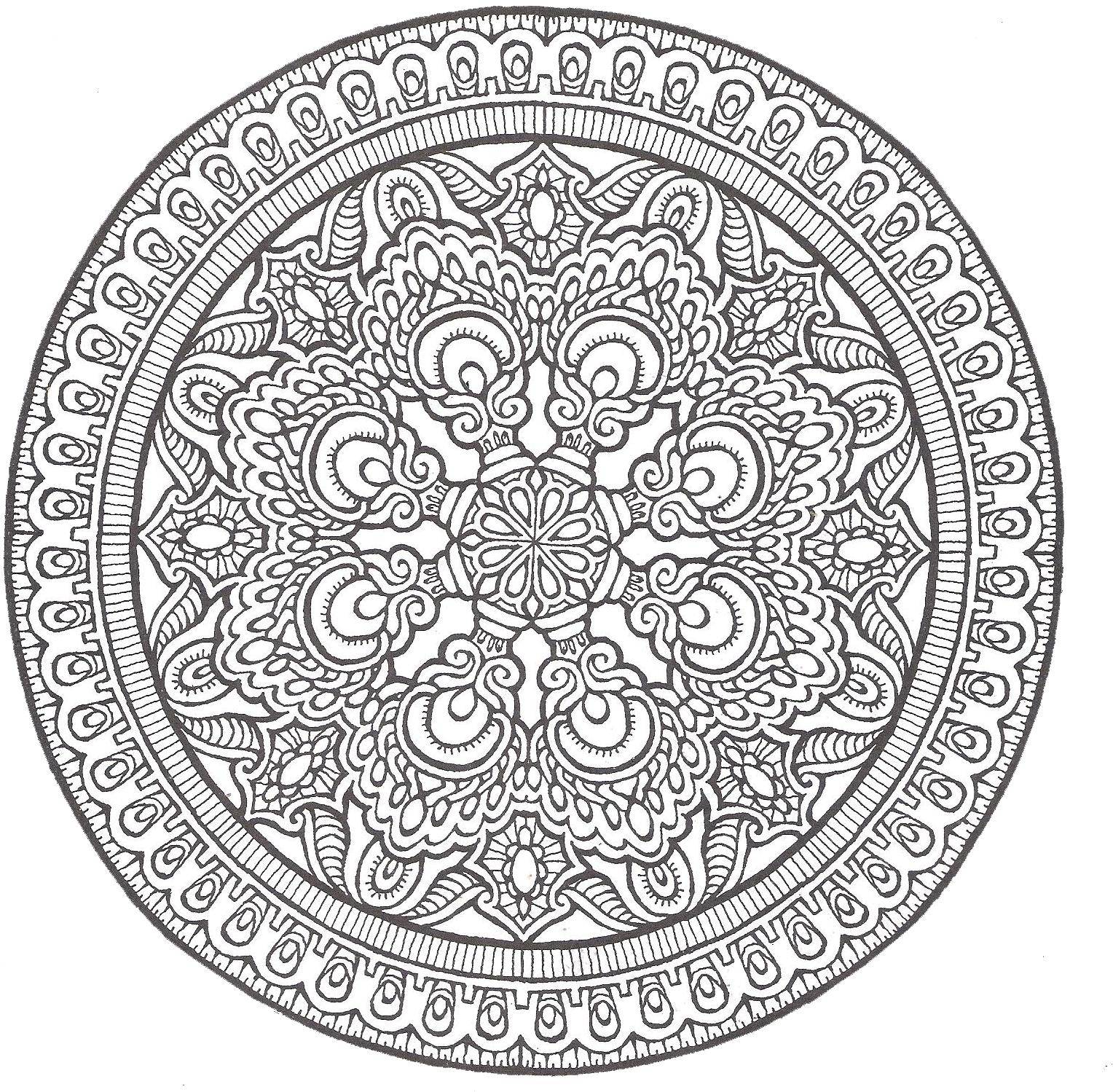
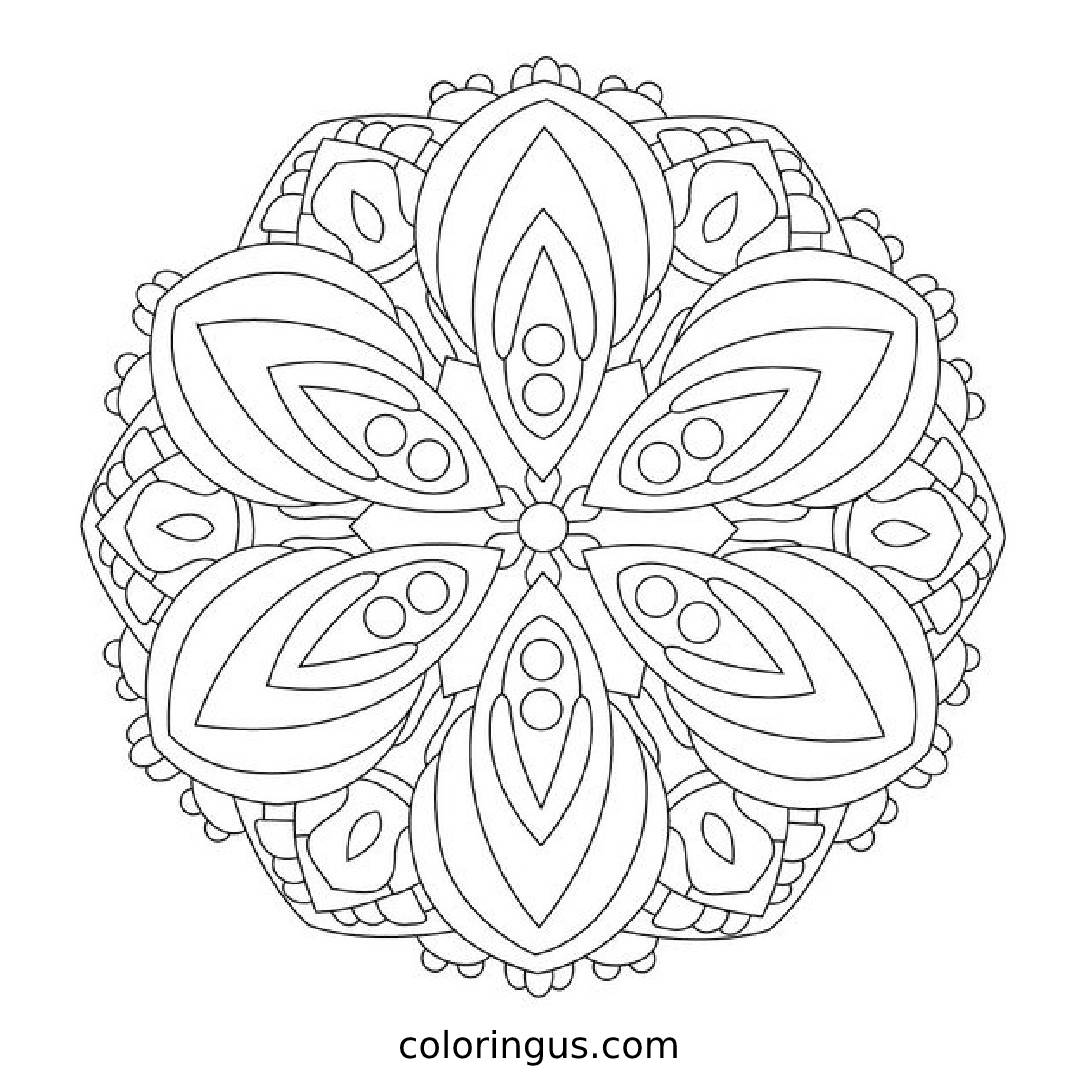
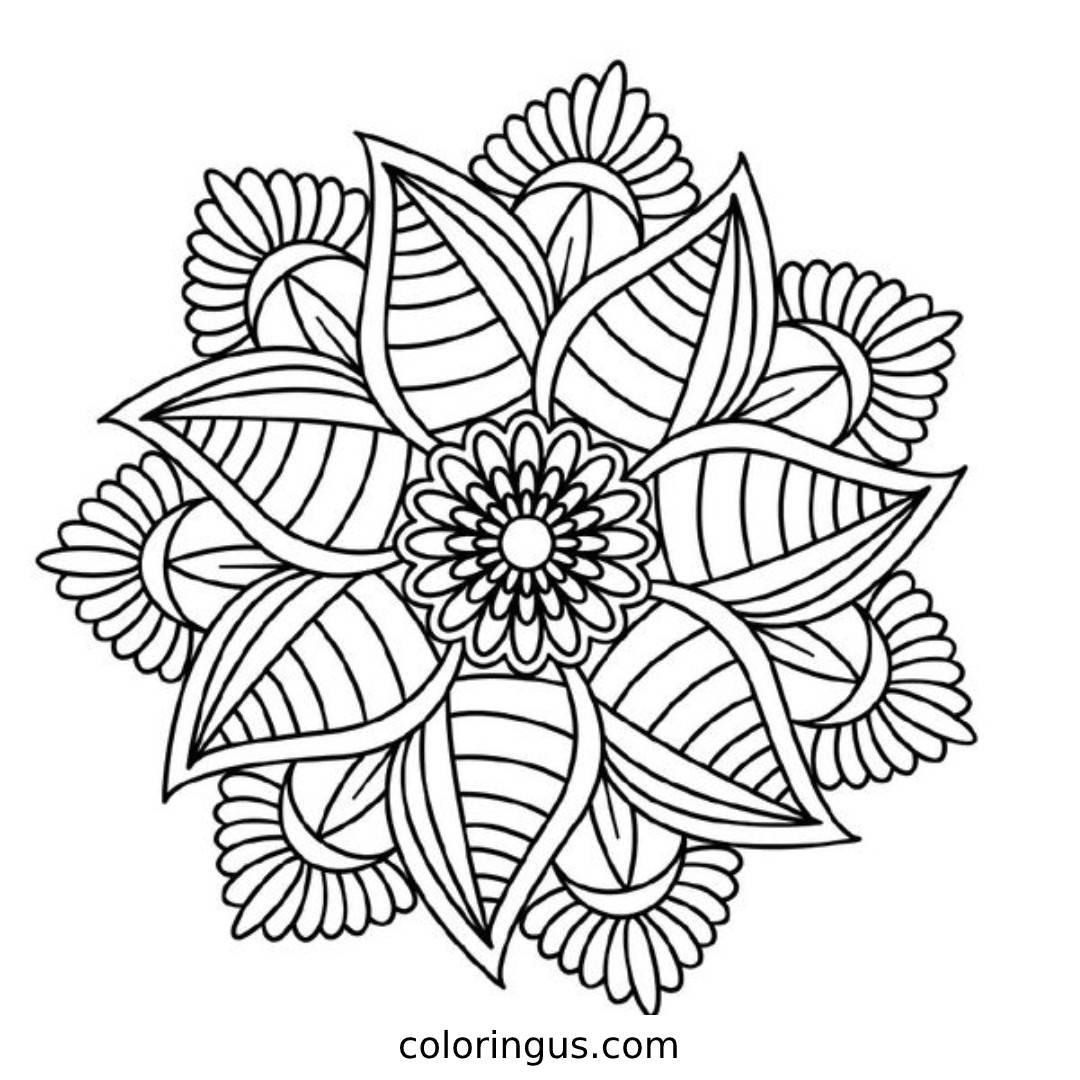
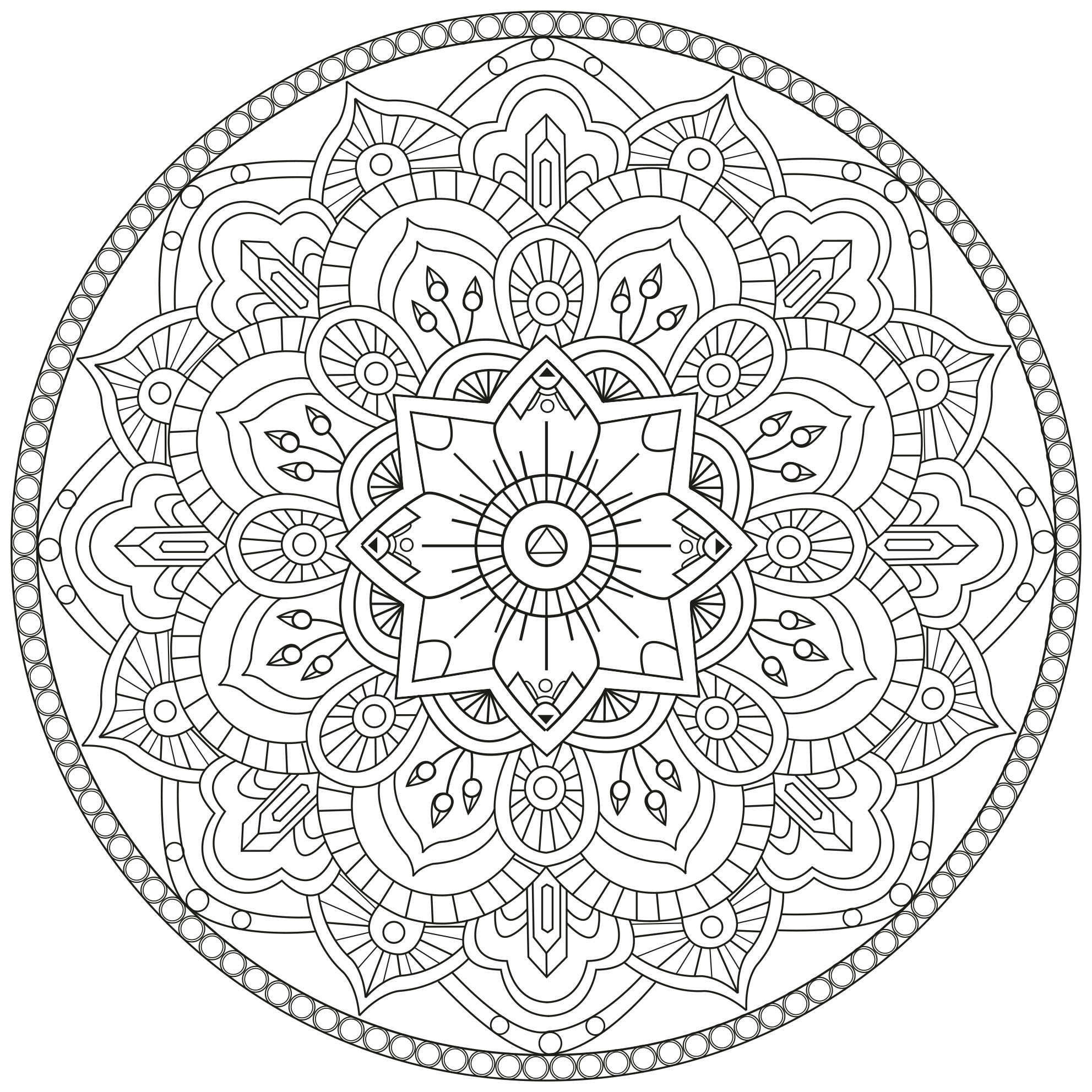
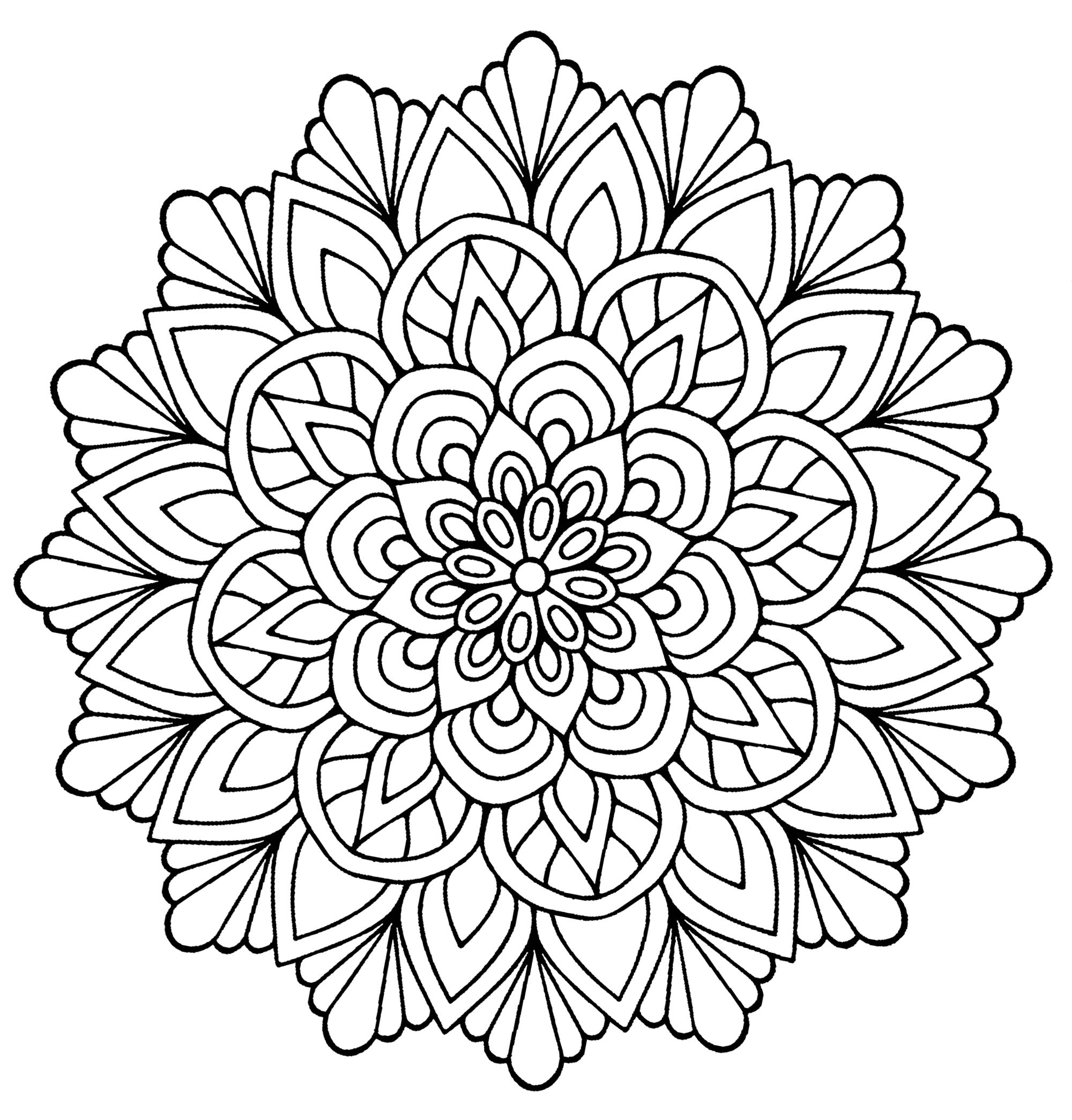
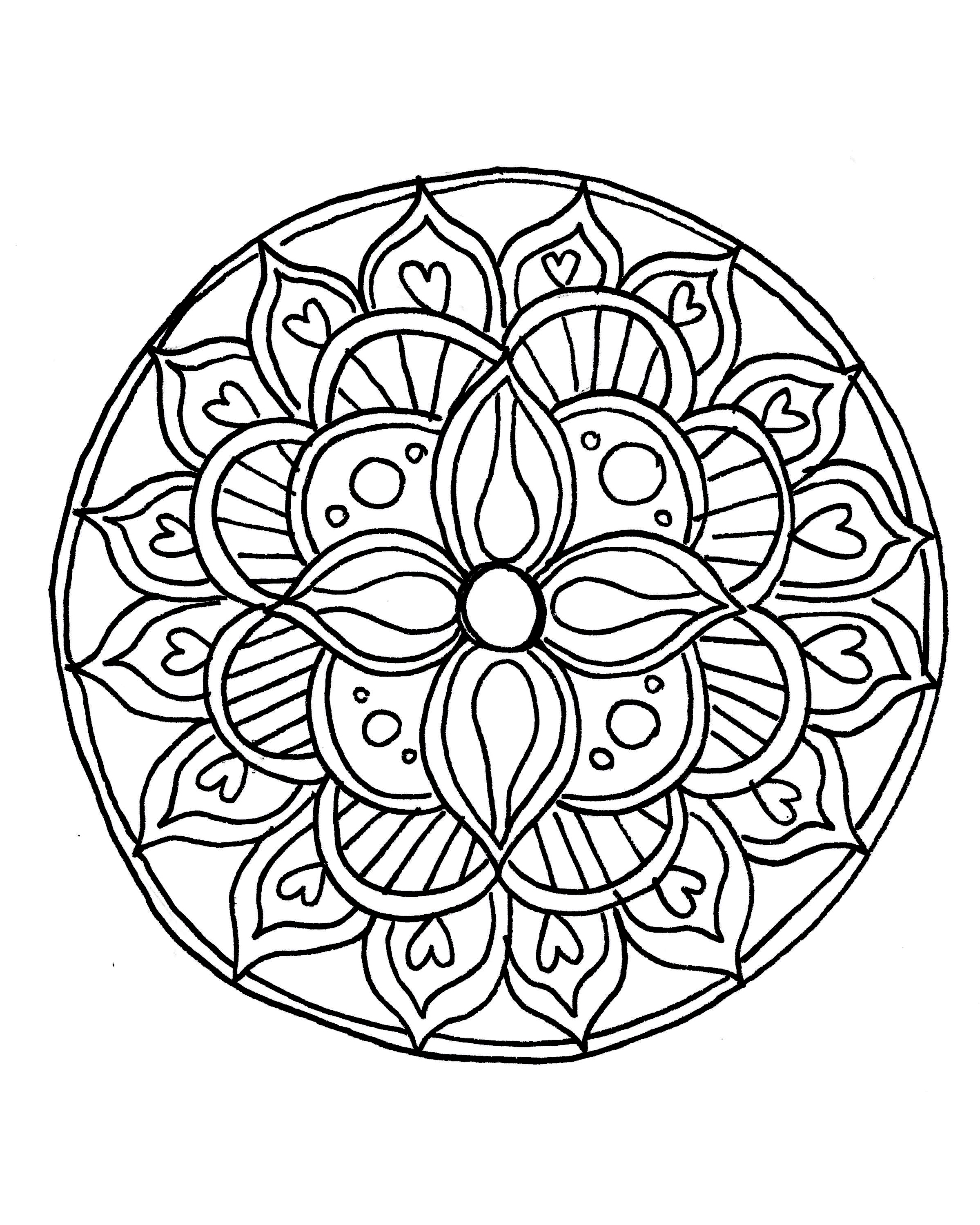
Coloring pages mandala are circular, symmetrical geometric designs utilized in early childhood education to build fine motor control, bilateral coordination, and visual-spatial awareness through structured creative practice. According to the National Association for the Education of Young Children (NAEYC), intentional manipulative tasks and structured artistic exercises actively support the refinement of small muscle groups in the hands and fingers, laying the foundational strength required for academic writing. Utilizing these geometric templates within daily instruction provides young learners with a predictable, calming framework that enhances concentration. Educators and homeschool parents frequently integrate these printable assets into broader Learning Activities to merge artistic expression with essential cognitive development. This educational resource overview details optimal classroom strategies, developmental benefits, and practical implementation frameworks for early childhood settings.
Curriculum Practice Snapshot:
- Core Focus: Symmetrical geometric coloring exercises designed for young children.
- Target Scope: Preschool through early elementary grade levels.
- Key Recommendation: Match complexity to current fine motor abilities.
Core Principles and Detailed Overview
Coloring pages mandala function as powerful instructional tools by demanding sustained attention and precise hand-eye coordination as students navigate radial symmetry from the center outward. Directing a crayon, colored pencil, or fine-tip marker within tightly bound concentric circles requires controlled proximal and distal muscle engagement, transforming passive art time into active occupational readiness. Beyond purely physical benefits, symmetrical patterning promotes pattern recognition, left-right brain integration, and spatial reasoning. Instructors looking to expand skill-building libraries often pair these geometric printables with specialized Handwriting & Tracing sheets to reinforce pencil grip consistency across different task formats. Establishing a regular routine involving radial artwork fosters emotional self-regulation, as the repetitive nature of coloring bounded geometric sectors induces a state of focused calm beneficial for transitions.
Key Specifications and Breakdown
| Grade / Developmental Stage | Target Learning Skill | Instructional Strategy & Scaffolding |
|---|---|---|
| Preschool (Ages 3-4) | Grip strength and boundary containment | Use large-format mandalas featuring thick outer lines and generous spacing. |
| Kindergarten (Ages 5-6) | Bilateral coordination and pattern symmetry | Introduce alternating color patterns to reinforce predictability and logic. |
| Early Elementary (Ages 7-8) | Precision focus and spatial planning | Provide intricate multi-tier designs requiring fine-tipped colored pencils. |
Structured visual-motor activities and consistent fine motor practice significantly improve handwriting legibility and spatial organization in primary students — National Center for Education Statistics (NCES). Related guide: Internet Safety Coloring Poster Pdf.
Step-by-Step Practical Application and Guidelines
Implementing coloring pages mandala successfully requires a systematic approach that begins with selecting developmentally appropriate template complexity and progresses to intentional color planning. Educators should first introduce the concept of radial symmetry by pointing out how the design mirrors itself from the center point outward, establishing a clear visual vocabulary before any writing utensil touches the page. Next, guide learners to select a structured color palette—such as alternating warm and cool tones—to transform a simple coloring task into an intentional exercise in pattern application and design logic. Finally, incorporate these assets into daily center rotations alongside standard Worksheets to maintain a balanced curriculum that addresses both artistic and cognitive objectives. Providing designated storage folders or a dedicated display wall honors the effort invested by the children and reinforces pride in neat, meticulous work.
Common Challenges and How to Avoid Them
Frustration often arises when young children encounter mandala designs with sections too small for their current hand control, leading to rushed execution and pencil fatigue. Preventing this challenge requires assessing individual fine motor capabilities and selecting printables with wider spacing for younger cohorts, while saving intricate geometric arrays for older elementary students. Another common misstep is treating the activity purely as unstructured free play without pedagogical framing, which misses an opportunity to teach directional tracking and color patterning. Educators can maintain high instructional value by establishing brief guided practice sessions that demonstrate how to systematically color from the inside out to avoid smudging. Browsing curated Teacher Resources helps instructors discover differentiated templates that accommodate varied skill levels within a single mixed-ability classroom.
💬 Frequently Asked Questions
Explore More Early Learning and Classroom Resources on Knowalla
Integrating diverse visual assets into daily lesson planning supports holistic child development across academic and creative domains. Educators and parents can discover a comprehensive collection of printables, practice sheets, and instructional guides by visiting Coloring Pages or exploring the main Knowalla hub to elevate early childhood learning experiences.
Printable Coloring Page Previews