Introduction
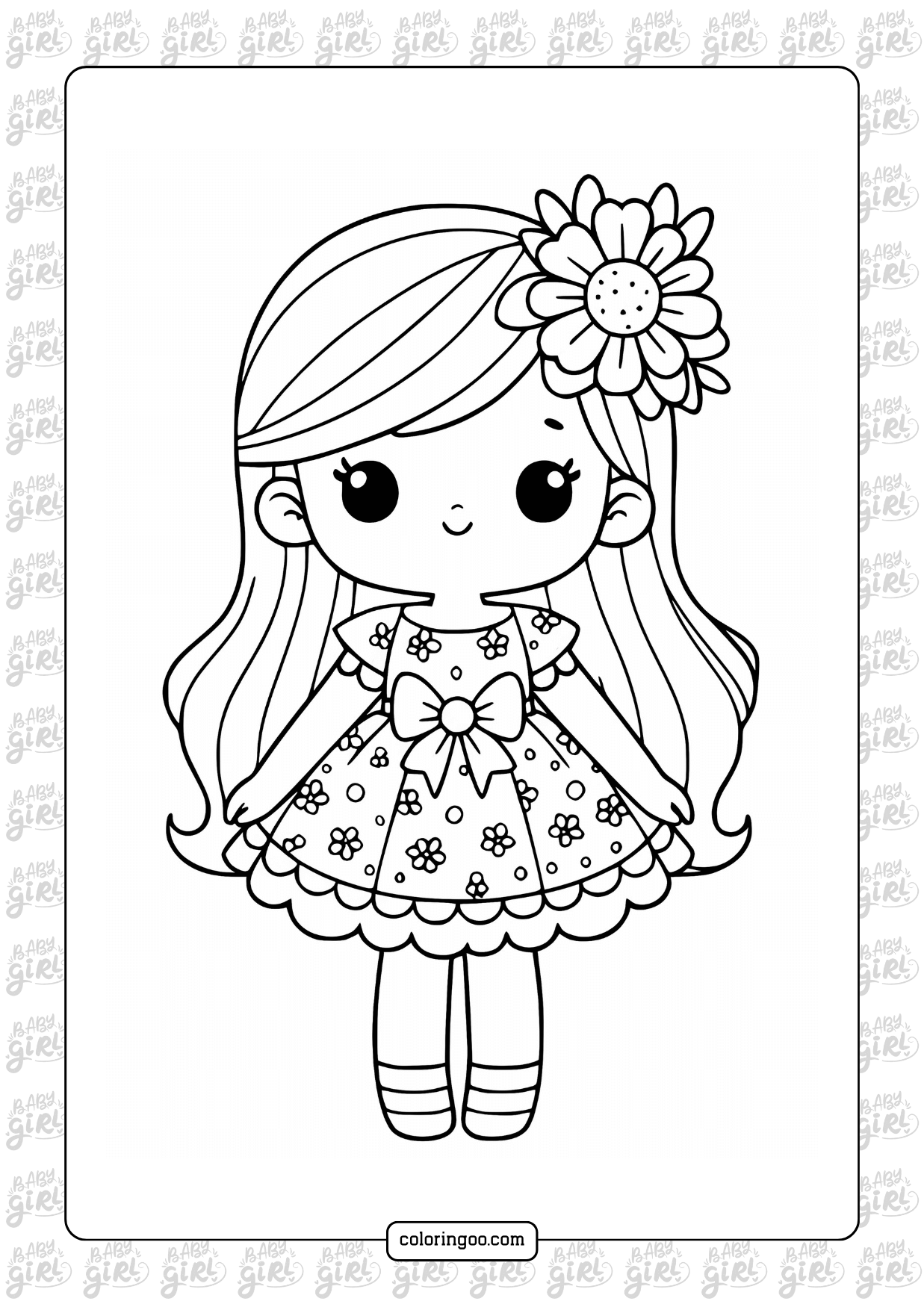
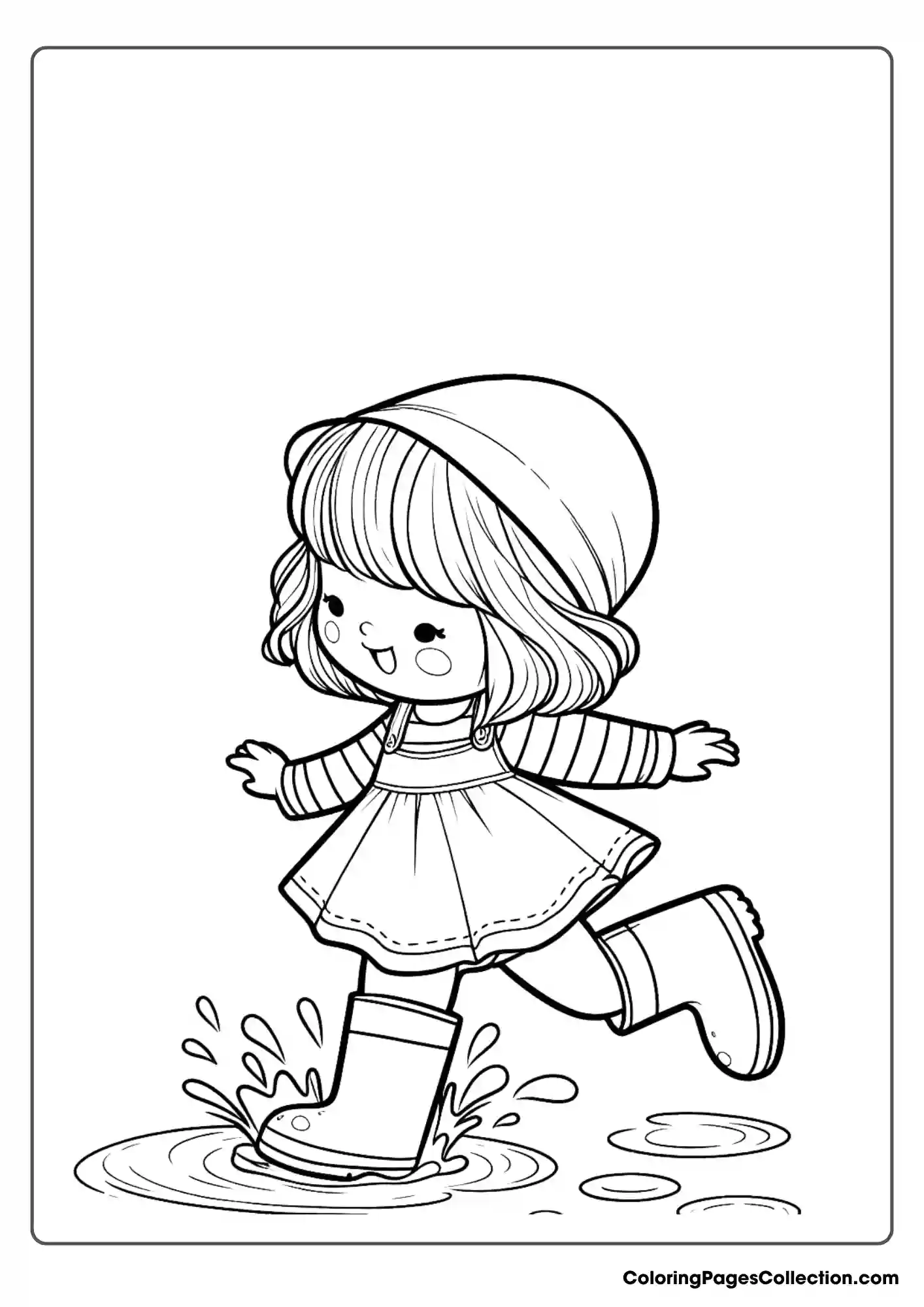
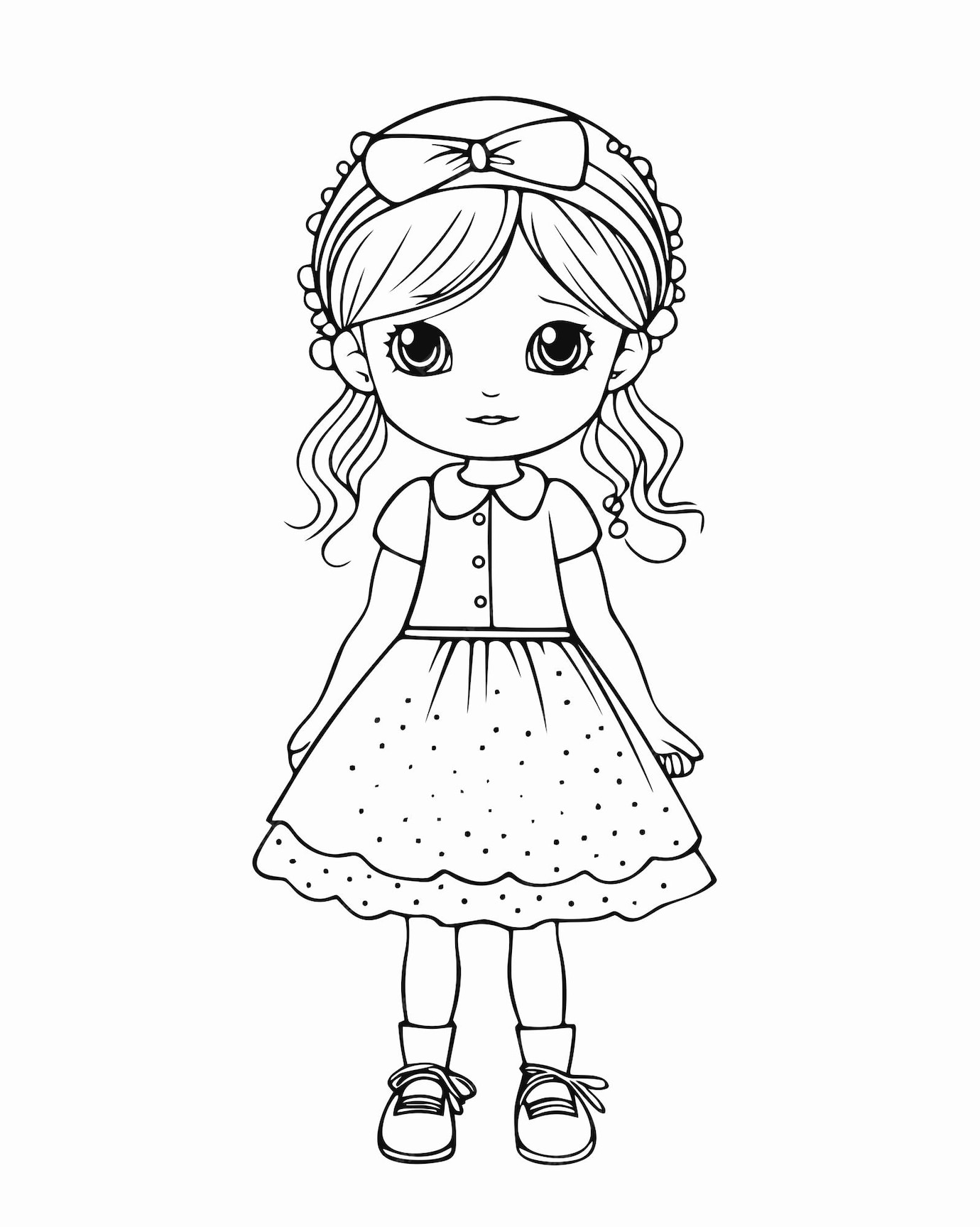
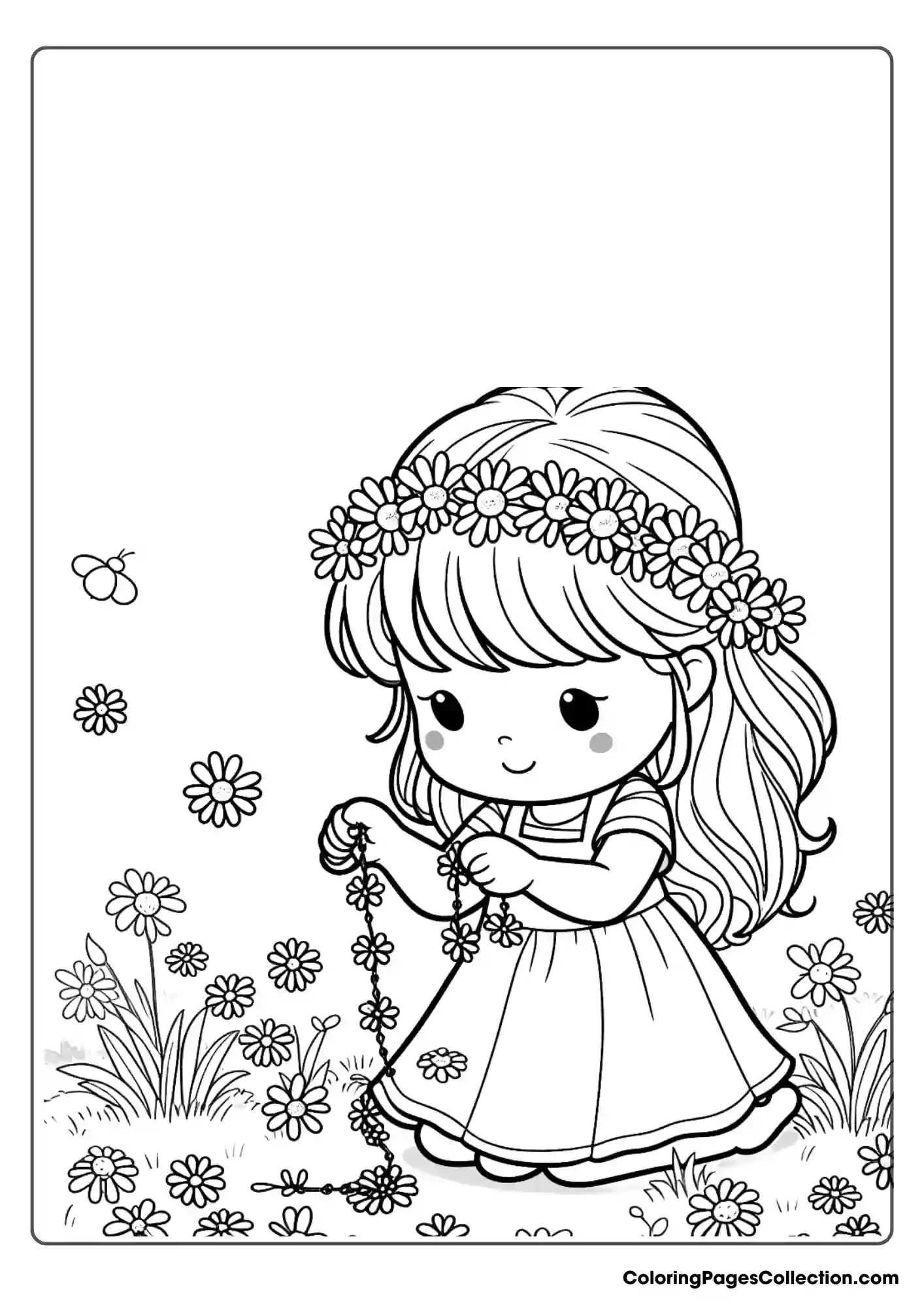
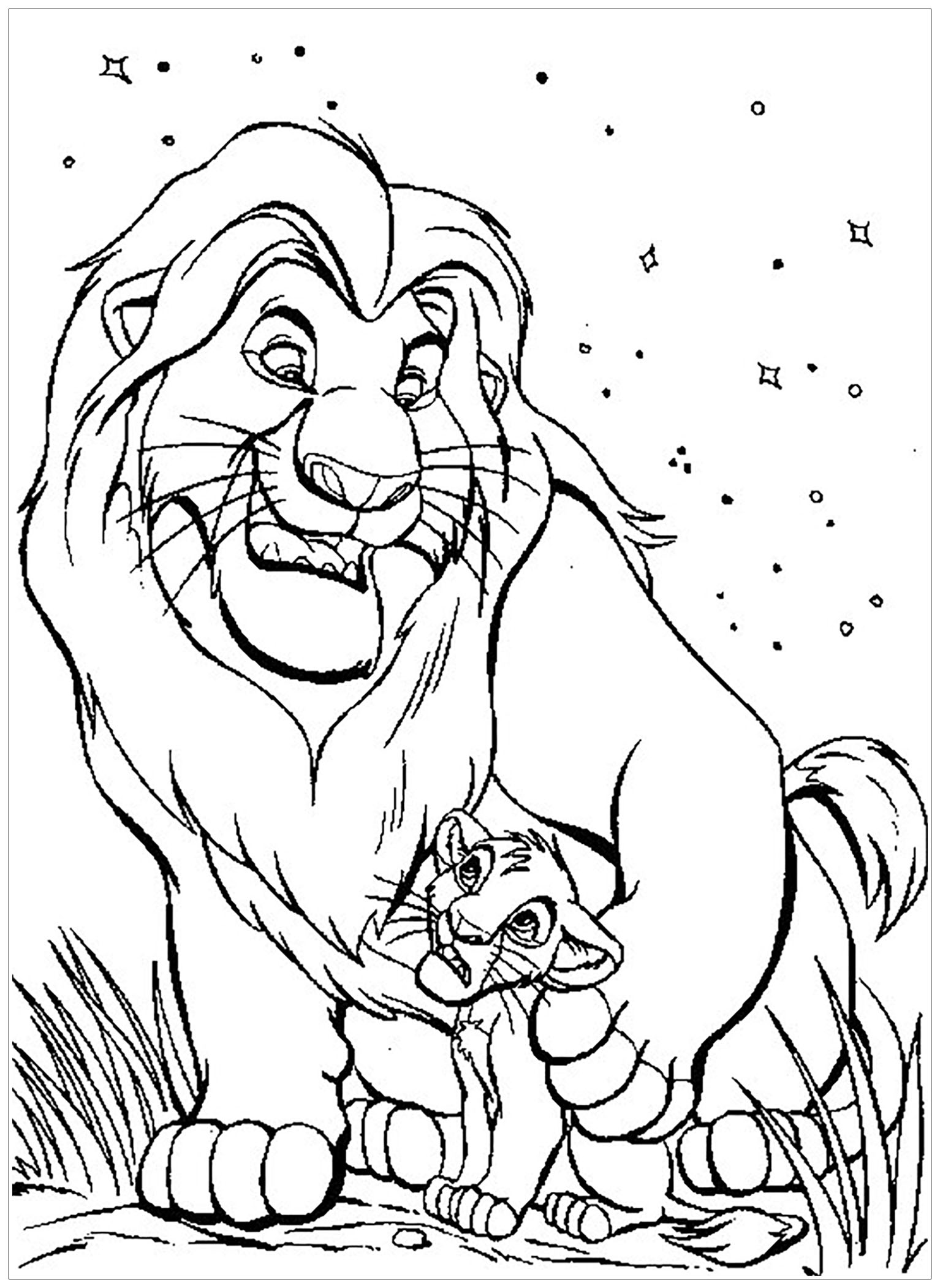
Coloring pages little girl printables serve as foundational early childhood education tools designed to foster fine-motor precision, pencil control, and creative expression through character-driven themes. According to the National Association for the Education of Young Children (NAEYC), intentional fine-motor practice involving controlled hand movements directly correlates with the muscular strength required for future academic tasks like handwriting and tool manipulation. Educators and parents frequently integrate these thematic worksheets into daily centers to bridge the gap between structured cognitive tasks and creative play. Exploring diverse collections within Coloring Pages offers educators immediate access to classroom-ready printables that engage young learners meaningfully.
Curriculum Practice Snapshot:
- Core Focus: Strengthening fine-motor control, grip strength, and creative confidence through thematic character art.
- Target Scope: Early childhood settings, preschool classrooms, kindergarten centers, and homeschool curricula.
- Key Recommendation: Pair coloring activities with targeted Handwriting & Tracing sheets to reinforce hand-eye coordination.
Core Principles and Detailed Overview
Targeted coloring pages little girl sheets provide structured visual boundaries that prompt early learners to refine hand muscles, manage spatial awareness, and practice sustained focus. The pedagogical value of these printables extends far beyond simple pastime entertainment, functioning as deliberate developmental instruments that build bilateral coordination as children stabilize paper with one hand while coloring with the other. Educators can seamlessly incorporate these assets alongside structured Worksheets to build balanced instructional units. Furthermore, character-based artwork supports socio-emotional development by offering relatable figures that children utilize in narrative storytelling and expressive arts.
Key Specifications and Breakdown
| Grade / Developmental Stage | Target Learning Skill | Instructional Strategy & Scaffolding |
|---|---|---|
| Toddler / Pre-K (Ages 2-4) | Palmar and pincer grasp development | Utilize thick outlines and minimal detail to accommodate large, sweeping hand movements. |
| Preschool (Ages 4-5) | Edge containment and spatial awareness | Incorporate moderate borders and distinct character sections to encourage deliberate wrist pivoting. |
| Kindergarten (Ages 5-6) | Pencil pressure regulation and shading | Provide intricate clothing and accessory details that demand refined finger dexterity and control. |
Intentional motor skill practice within structured graphic boundaries significantly enhances neuromuscular pathways essential for early literacy and writing readiness. — What Works Clearinghouse (IES). Related guide: Coloring Pages Happy Birthday.
Step-by-Step Practical Application and Guidelines
Implementing coloring pages little girl activities effectively requires a strategic three-step pedagogical approach focused on preparation, guided execution, and extension. First, educators select printables matching the specific motor capability of the student cohort, ensuring line weights and white space suit the current developmental tier. Second, instructors model proper pencil or crayon grip during execution, monitoring hand posture and encouraging children to maintain consistent pressure as they fill designated areas. Third, teachers extend the learning by prompting students to dictate or write short descriptive sentences about the artwork, tying visual arts directly into comprehensive Learning Activities.
Common Challenges and How to Avoid Them
A frequent obstacle encountered during coloring instruction is hand fatigue caused by excessive grip pressure, which can be easily avoided by providing ergonomic triangular crayons or short stubby pencils that naturally promote a tripod grasp. Educators also mitigate rushing and careless scribbling by establishing clear boundary-awareness goals and pairing fast finishers with complementary tracing extensions. Utilizing curated Teacher Resources ensures that developmental expectations align with the physical limitations and attention spans of young learners, preventing frustration.
💬 Frequently Asked Questions
Explore More Early Learning and Classroom Resources on Knowalla
Discover an extensive digital library designed to support educators and parents in fostering early childhood development through engaging printables. Access comprehensive lesson materials, skill-building worksheets, and creative printables directly by visiting Knowalla today.
Printable Coloring Page Previews