Introduction
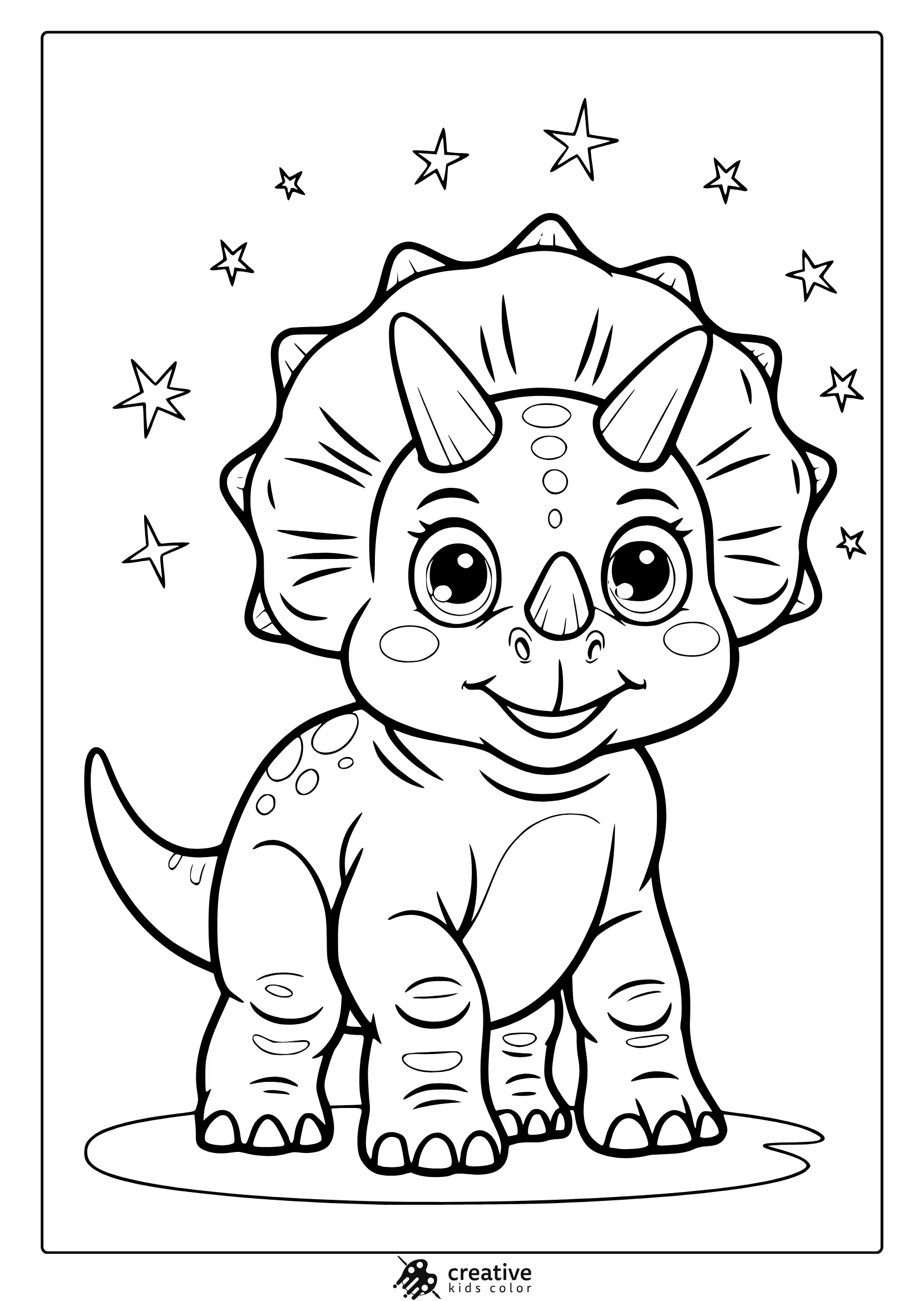
Digital resources such as coloring pages dinosaur printable serve as offline creative outlets that help reduce excessive screen time while maintaining engagement in classroom and home environments. According to ConnectSafely, integrating offline hands-on activities like printing physical educational sheets significantly mitigates the digital fatigue and tracking risks associated with constant device usage. Parents, educators, and school administrators must balance digital learning tools with analog media to protect student wellness. Implementing these physical resources promotes healthy device hygiene and fosters balanced digital citizenship among middle school students and younger learners.
Digital Safety Snapshot:
- Core Focus: Safe sourcing and utilization of offline physical printables like dinosaur-themed coloring sheets to limit unnecessary screen exposure.
- Target Scope: Classroom screen balance, institutional device hygiene, and student digital footprint minimization.
- Key Recommendation: Download educational files exclusively from vetted, secure institutional portals to prevent malware and aggressive third-party trackers.
Core Principles and Detailed Overview
Managing online search queries for physical activity templates requires stringent adherence to cybersecurity protocols and institutional device protection. When educators or students search for downloadable resources, unvetted websites often expose browsers to malicious ad networks, deceptive download buttons, and unnecessary tracking cookies that compromise the school’s network integrity. School administrators must enforce strict content filtering rules to ensure that art and activity portals remain free from phishing hazards. Utilizing secure educational repositories minimizes the accumulation of unwanted digital debris on classroom and household computers, protecting the overall digital footprint of the institution. Educational assets found within specialized libraries, such as curated Coloring Pages, offer a secure alternative to random internet searches.
Key Specifications and Breakdown
| Safety Pillar | Digital Risk Factor | Actionable Protective Habit |
|---|---|---|
| Device Hygiene | Adware and malware injection via untrusted download mirrors. | Restrict downloads to verified educational portals and school-approved networks. |
| Screen Balance | Cognitive overload and eye strain from continuous device gazing. | Transition digital prompts into physical coloring tasks to encourage offline focus. |
| Privacy Protection | Behavioral tracking through third-party cookies on unverified art sites. | Disable unnecessary browser tracking scripts and utilize institutional ad-blockers. |
Establishing secure institutional browsing parameters and enforcing strict download verification protocols protects school networks from malicious third-party payloads embedded within seemingly benign children’s media platforms. — Cybersecurity and Infrastructure Security Agency (CISA)
Step-by-Step Practical Application and Guidelines
Sourcing secure offline materials involves executing a precise, risk-mitigated review process before physical printing occurs. Educators and parents should first evaluate the hosting website’s domain security, ensuring SSL encryption is active and popup ads are blocked. Next, download the specific file format directly as a static PDF rather than executing unknown executable extensions. Once downloaded, teachers can integrate these secure physical assets alongside structured Worksheets to reinforce cross-curricular lessons without relying on continuous digital interfaces. Finally, establish strict classroom boundaries regarding device handling, ensuring that computers are closed and secured while physical coloring activities take place.
Common Challenges and How to Avoid Them
Navigating internet searches for free children’s art assets frequently exposes users to deceptive pop-up advertisements masquerading as legitimate download links. Users often click malicious external links that redirect browsers to phishing portals or compromise device security through drive-by downloads. To prevent these security breaches, school administrators must educate middle school students on how to identify safe file formats and recognize misleading promotional banners. Furthermore, establishing clear firewall policies regarding unsecured media repositories prevents unauthorized software execution on institution-owned hardware.
💬 Frequently Asked Questions
Explore More Kids Safety and Digital Citizenship Guides on SafeWiredSchools
Maintaining a secure, balanced educational environment requires continuous education on device hygiene, network protection, and smart digital habits. Readers are encouraged to browse the comprehensive resource library at Safe Wired Schools to discover advanced strategies for fostering safe online and offline behaviors, including best practices found within the Online and Digital Safety category.
Printable Coloring Page Previews