
Introduction
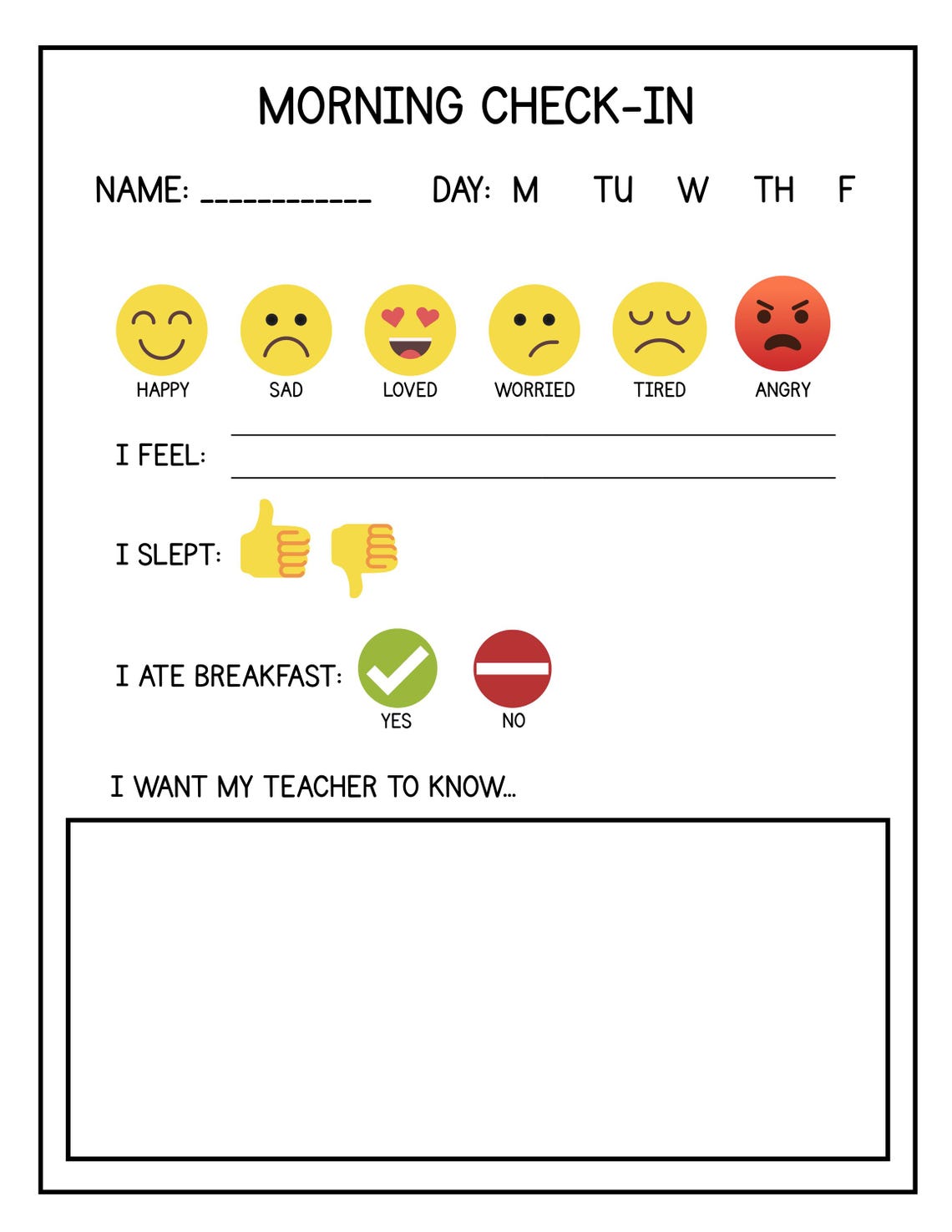
A classroom morning meeting check in sheet serves as a structured daily arrival routine that fosters emotional literacy, community building, and foundational academic readiness in early childhood settings. According to the National Association for the Education of Young Children (NAEYC), intentionally integrating social-emotional check-ins into the daily schedule significantly enhances student engagement, self-regulation, and peer communication during formative school years. Educators and homeschool instructors utilize these specialized printable pages to transition students smoothly from home environments into focused learning spaces while concurrently addressing fine-motor development through daily tactile interaction. Grounded in research-backed early childhood methodologies, the implementation of a daily check-in document anchors the morning routine by combining emotional self-assessment with pencil grip and letter formation practice. Comprehensive resources for this practice can be discovered directly via Teacher Resources, offering structured tools designed to support diverse classroom dynamics.
Curriculum Practice Snapshot:
- Core Focus: A daily structured paper-based check-in combining emotional literacy with fine-motor skills.
- Target Scope: Pre-Kindergarten through Grade 2 classrooms and structured homeschool environments.
- Key Recommendation: Pair emotional icon selection with brief handwriting prompts to maximize cognitive and physical skill gains.
Core Principles and Detailed Overview
Classroom morning meeting check in sheets provide a multimodal entry point into the school day by merging emotional reflection with foundational skill acquisition. Direct answers to students’ emotional states are captured visually through icons, color-coding, or mood tracking scales placed prominently at the top of the page. This physical interaction transitions naturally into handwriting exercises, date tracing, or simple weather charting, reinforcing fine-motor precision and cognitive sequencing. By embedding these low-stakes tracking tasks into early morning routines, educators cultivate a predictable environment that lowers anxiety and primes neural pathways for higher-order learning. Integrating complementary Handwriting & Tracing sheets ensures students build crucial pencil control alongside emotional articulation.
Key Specifications and Breakdown
| Grade / Developmental Stage | Target Learning Skill | Instructional Strategy & Scaffolding |
|---|---|---|
| Pre-Kindergarten (Ages 3-4) | Icon identification and gross pincer grasp | Utilize large-format circles for coloring or stamping mood indicators instead of writing. |
| Kindergarten (Ages 5-6) | Name tracing and basic emotional vocabulary | Provide dotted-line first names and picture-word banks for emotional self-reporting. |
| First Grade (Ages 6-7) | Independent sentence completion and date writing | Offer open-ended sentence starters like “Today, I feel proud because…” for early writing practice. |
Promoting executive function and emotional regulation through structured daily routines improves overall academic receptivity and lowers classroom behavioral disruptions. — What Works Clearinghouse (IES)
Visual Reference Gallery



Step-by-Step Practical Application and Guidelines
Executing an effective morning check-in requires placing pre-printed sheets at student desks or arrival tables prior to classroom entry. First, instruct children to locate their daily paper and independently mark their current emotional state using crayons, stamps, or pencils, encouraging self-awareness without public pressure. Second, guide the group through the handwriting component, such as tracing the day of the week, writing the date, or completing a simple prompt found within comprehensive Worksheets designed for early learners. Third, collect the completed documents to quickly gauge individual student well-being, allowing educators to discreetly intervene or offer targeted emotional support before formal instruction begins.
Common Challenges and How to Avoid Them
Rushing through the check-in process without allowing adequate time for fine-motor execution diminishes the cognitive and emotional benefits of the exercise. Educators often encounter rushed handwriting or superficial icon selection when morning transitions are overly compressed by rigid scheduling demands. To resolve this, allocate a dedicated ten-minute window at the start of the day exclusively for calm entry tasks, ensuring children have ample time to engage thoughtfully with both the emotional prompts and physical pencil movements. Pairing these documents with engaging Coloring Pages can also alleviate early-morning performance anxiety for reluctant writers.