Introduction
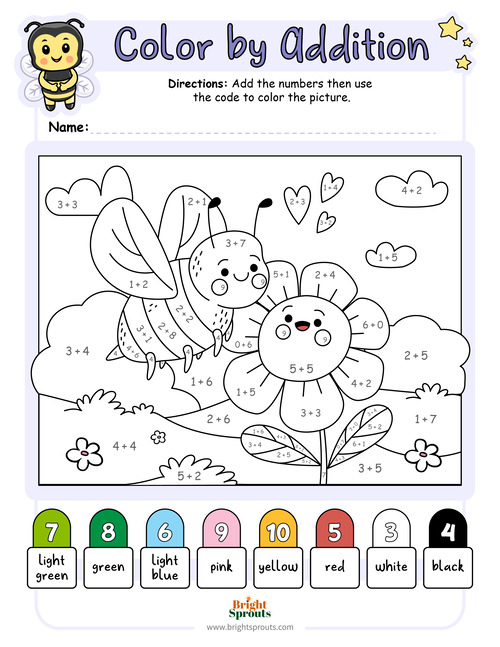
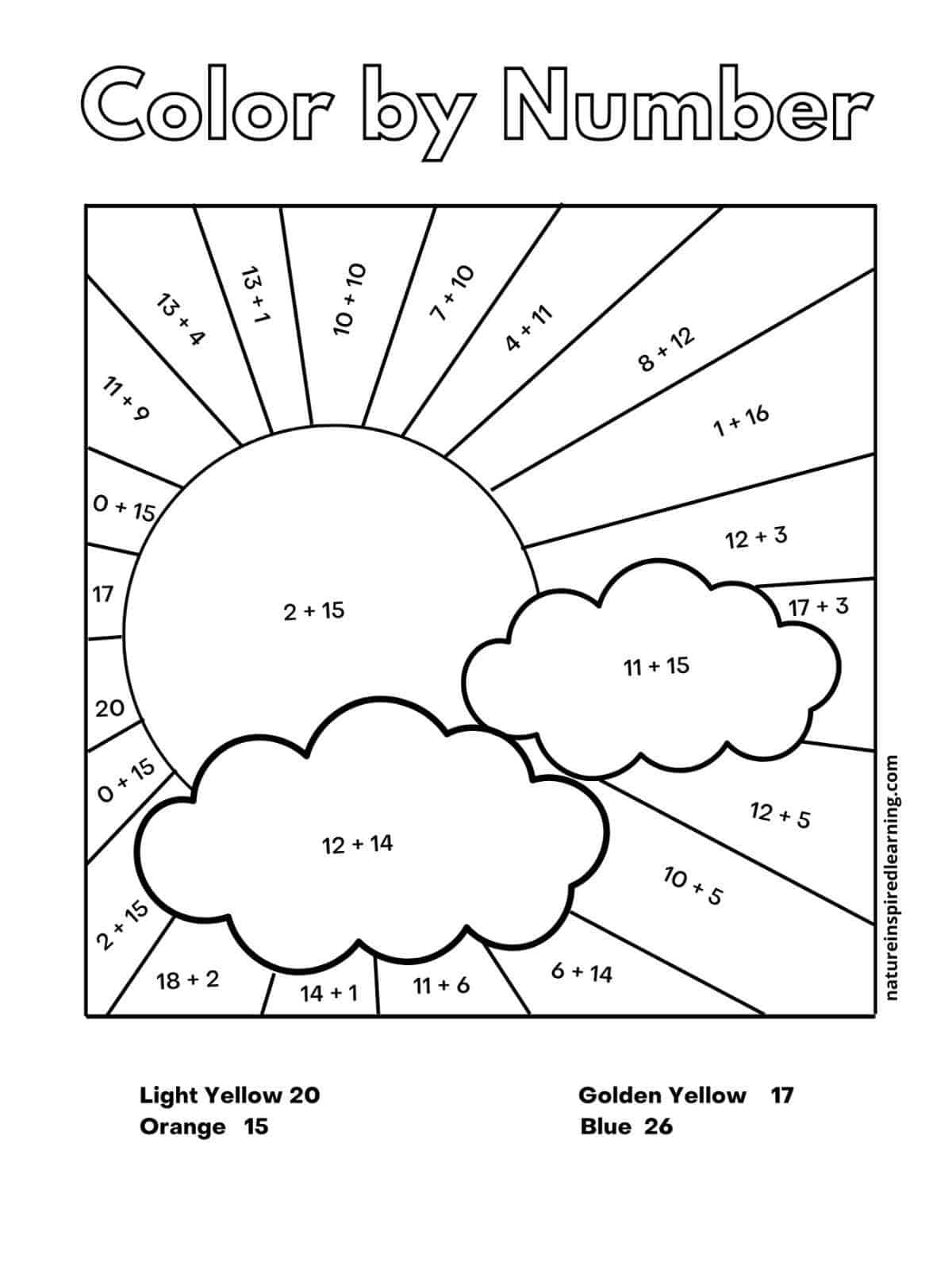
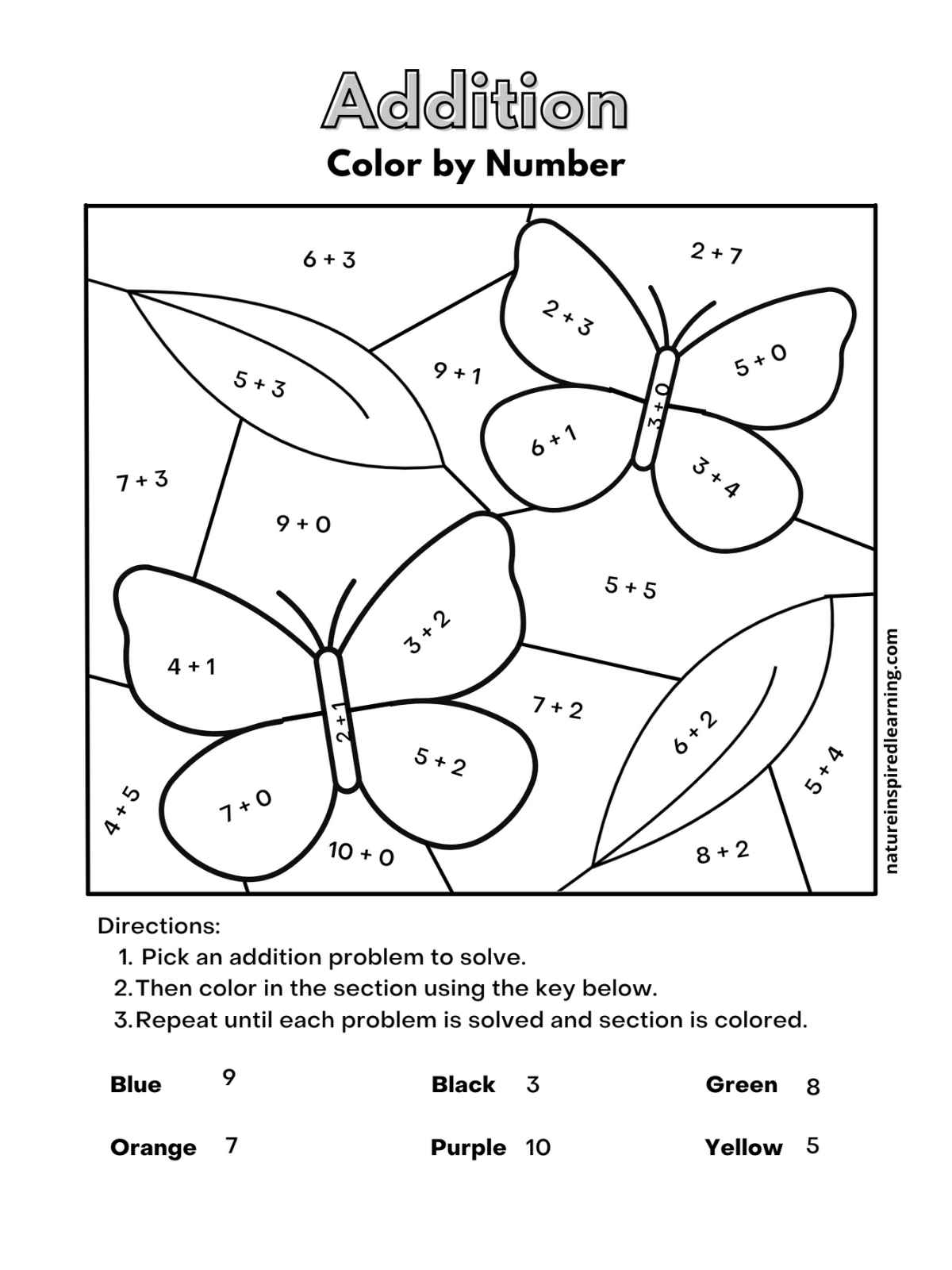
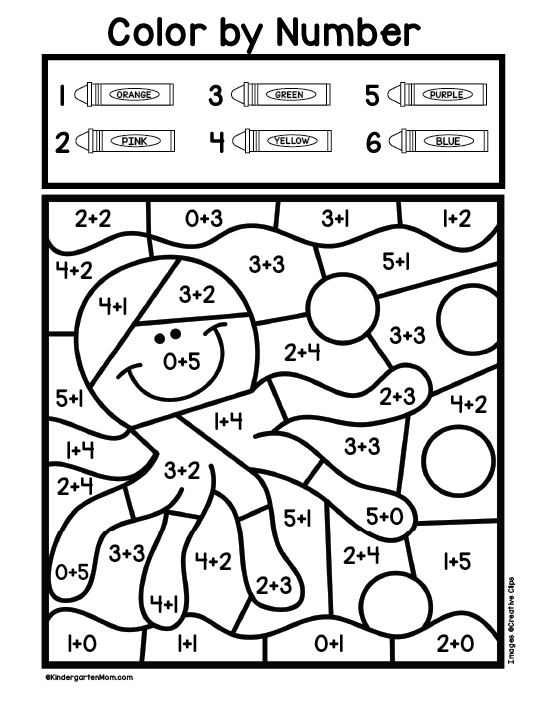
Kindergarten color by number math worksheets integrate foundational numeracy practice with targeted fine-motor skill execution by requiring children to solve equations to determine specific color allocations. According to the National Association for the Education of Young Children (NAEYC), developmentally appropriate practice requires blending hands-on cognitive challenges with creative physical expression to maximize early childhood engagement. Educators and parents utilize these printable materials to reinforce counting, addition within ten, and number recognition simultaneously. Curricular success relies on pairing numerical exercises with structured Worksheets designed for early learners.
Curriculum Practice Snapshot:
- Core Focus: Blending early mathematics computation with color-coded artistic execution.
- Target Scope: Kindergarten classrooms, homeschool environments, and developmental intervention settings.
- Key Recommendation: Match number ranges strictly to current math instructional units to prevent cognitive overload.
Core Principles and Detailed Overview
Kindergarten color by number math worksheets systematically bridge abstract numerical symbols with concrete visual outcomes by challenging learners to decode math problems before coloring. Direct answer: These specialized learning assets reinforce visual discrimination, subitizing, and basic arithmetic operations through gamified pixel or image completion. When children interpret a sum or difference, locate the matching numeral on a grid, and apply the corresponding crayon or marker, neural pathways linking mathematical reasoning and spatial awareness strengthen. Integrating structured Learning Activities ensures that young students transition smoothly from rote counting to applied arithmetic problem-solving.
Key Specifications and Breakdown
| Grade / Developmental Stage | Target Learning Skill | Instructional Strategy & Scaffolding |
|---|---|---|
| Early Kindergarten (Ages 5-6) | Number recognition and subitizing 1-10 | Use dot-pattern cues alongside digits to support visual association. |
| Mid Kindergarten (Ages 5-6) | Addition facts within 5 and 10 | Provide manipulative counters for children needing physical addition support. |
| Late Kindergarten (Ages 6-7) | Subtraction facts and mixed operations | Encourage independent computation before color selection to build automaticity. |
Early mathematics instruction must incorporate multisensory experiences, intentional guided practice, and structured manipulative exploration to secure long-term foundational numeracy competence. — What Works Clearinghouse (IES)
Step-by-Step Practical Application and Guidelines
Implementing kindergarten color by number math worksheets effectively requires a sequenced three-step instructional routine. First, educators introduce the key by reviewing all numbers and corresponding colors aloud with the learner to confirm visual and auditory identification. Second, students independently solve the embedded math equations—such as counting tally marks or calculating simple sums—writing the answers directly into the designated sections. Third, learners cross-reference solved numbers with the legend to color each region accurately, reinforcing precise pencil grip and controlled hand movements comparable to standard Handwriting & Tracing development.
Common Challenges and How to Avoid Them
Premature complexity in math equations frequently causes frustration when children encounter multi-step addition or subtraction before mastering simple digit identification. Direct answer: Prevent instructional friction by auditing worksheets to ensure the numerical range matches the current classroom curriculum precisely. Another common obstacle involves rushing through calculations just to reach the coloring phase, which undermines the mathematical objective. Educators mitigate this by establishing a rule that all math problems must be verified and checked before color distribution begins, turning attention to detail into a rewarding part of the process.
💬 Frequently Asked Questions
Explore More Early Learning and Classroom Resources on Knowalla
Educators and caregivers seeking additional printables to support early childhood development will find extensive options across Knowalla. Explore curated collections of creative Coloring Pages alongside rigorous academic practice sheets designed to inspire young learners.
Worksheet Previews & Reference Materials