
Introduction
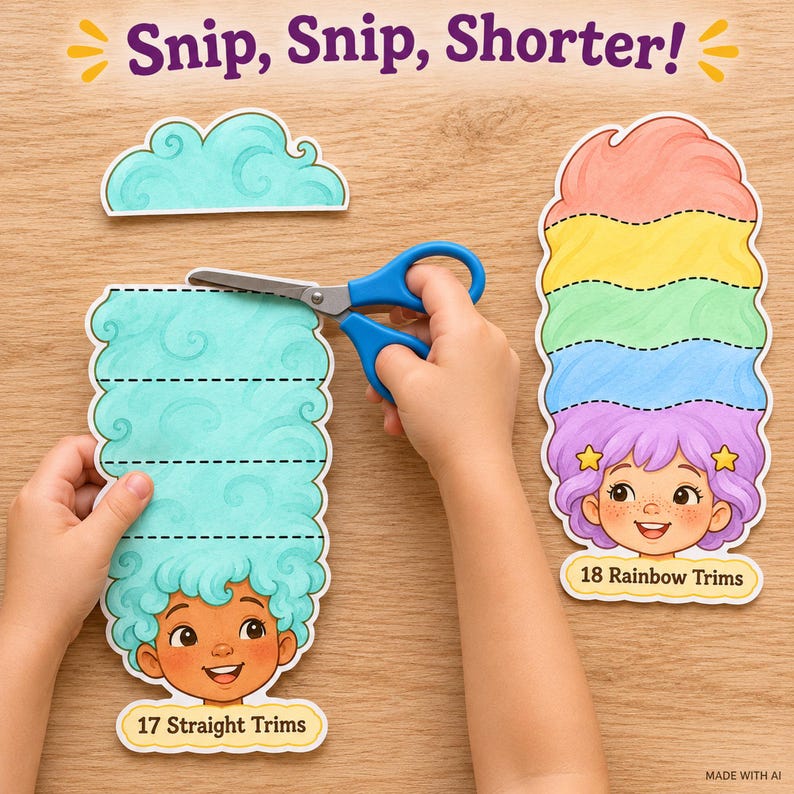
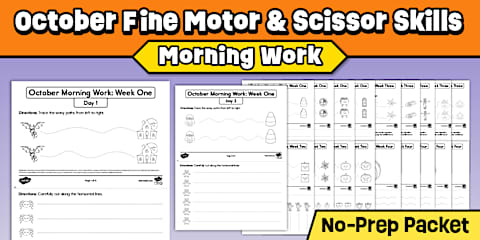
Fine motor scissor skills practice worksheets provide systematic, developmental templates that train early childhood learners in hand-eye coordination, bilateral integration, and intrinsic hand muscle strengthening. According to the National Association for the Education of Young Children (NAEYC), purposeful manipulation of classroom tools such as safety scissors builds the crucial neuromuscular control required for advanced pencil grip and independent self-care tasks. Educators and homeschooling parents utilize structured printables to transition children from random snipping to precise path-following. Integrating targeted cutting activities into daily worksheets establishes foundational dexterity necessary for long-term academic success in primary grade bands.
Curriculum Practice Snapshot:
- Core Focus: Systematic fine motor scissor skills practice worksheets designed for early childhood dexterity development.
- Target Scope: Pre-K through Grade 1 classrooms, special education interventions, and home-school learning environments.
- Key Recommendation: Sequence activities progressively from unstructured fringe cutting to complex curved path tracing.
Core Principles and Detailed Overview
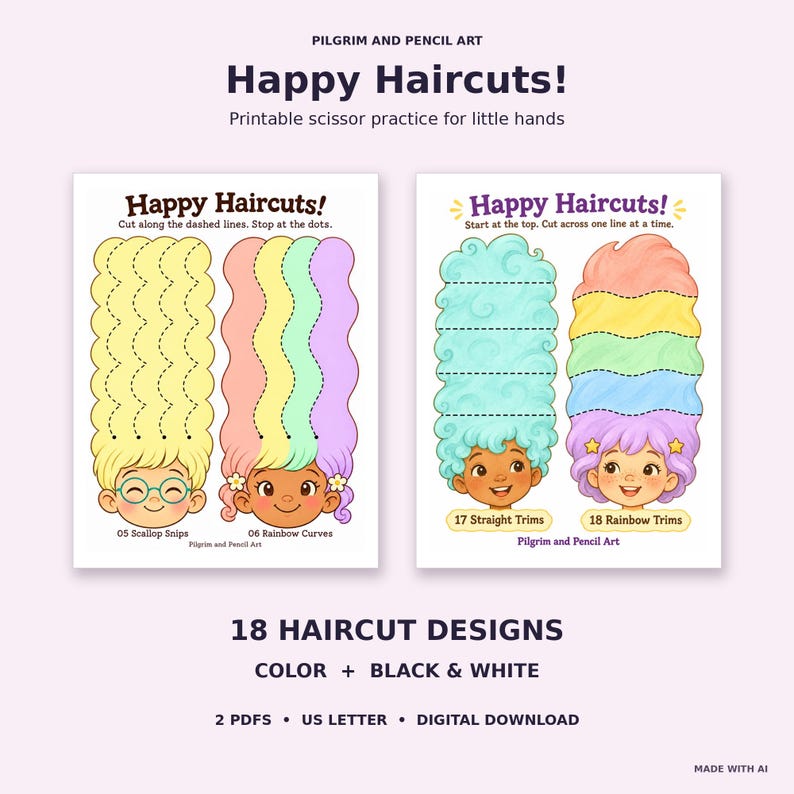
Sequential progression dictates effective scissor skill acquisition by moving learners through carefully graded motor milestones. Initial printable exercises feature thick, bold horizontal lines that require only a single, decisive snip, reducing cognitive and physical fatigue. As intrinsic hand strength improves, templates advance to zig-zag lines, continuous curves, and intricate shapes found within curated learning activities. This methodical scaffolding prevents frustration while promoting correct thumb-up grasp patterns. Furthermore, pairing cutting tasks with parallel Handwriting & Tracing components reinforces visual-motor integration by connecting linear tracking with mechanical execution.
Key Specifications and Breakdown
| Grade / Developmental Stage | Target Learning Skill | Instructional Strategy & Scaffolding |
|---|---|---|
| Pre-Kindergarten (Age 3-4) | Single snips and fringe cutting | Use heavy cardstock paper with bold 1-inch lines to encourage independent opening and closing motions. |
| Transition Kindergarten (Age 4-5) | Straight and zig-zag line cutting | Incorporate directional arrows and visual stopping points to teach controlled continuous motion. |
| Kindergarten to Grade 1 (Age 5-7) | Curved shapes, spirals, and complex outlines | Utilize thematic Coloring Pages that double as multi-step cutting projects. |
Bilateral coordination and intrinsic muscle control form the biological foundation for complex academic tool use and written communication. — What Works Clearinghouse (IES)
Step-by-Step Practical Application and Guidelines
Implementing fine motor scissor skills practice worksheets requires establishing correct grip mechanics, safety protocols, and systematic progression before introducing complex designs. First, instruct learners to place the thumb in the small upper loop and two or three fingers in the lower larger loop, ensuring the thumb points upward toward the ceiling at all times. Second, demonstrate stabilizing the paper with the non-dominant hand, teaching the child to rotate the media rather than awkwardly twisting the cutting wrist. Third, assign daily five-minute practice blocks using graduated printables that transition from basic fringe snips to geometric shape isolation, ensuring continuous reinforcement of bilateral integration.
Common Challenges and How to Avoid Them
Incorrect thumb-down positioning and poor paper stabilization represent the most frequent obstacles encountered during scissor instruction. Educators combat the thumb-down habit by drawing a smiley face on the thumbnail, providing an immediate visual reminder to keep the thumb pointing upward throughout the cutting motion. Additionally, paper tearing often occurs when thin printer paper bends under the weight of the blades; switching to sturdy cardstock or heavy-weight construction paper provides the necessary structural resistance for clean cuts. Accessing comprehensive Teacher Resources provides educators with troubleshooting rubrics and specialized alternative exercises for students with low muscle tone.
💬 Frequently Asked Questions
Explore More Early Learning and Classroom Resources on Knowalla
Enhance early childhood developmental curricula by exploring the extensive catalog of printable tools available on Knowalla. Discover hundreds of engaging student resources designed to support foundational academic benchmarks in every early learning classroom.
Worksheet Previews & Reference Materials