
Introduction
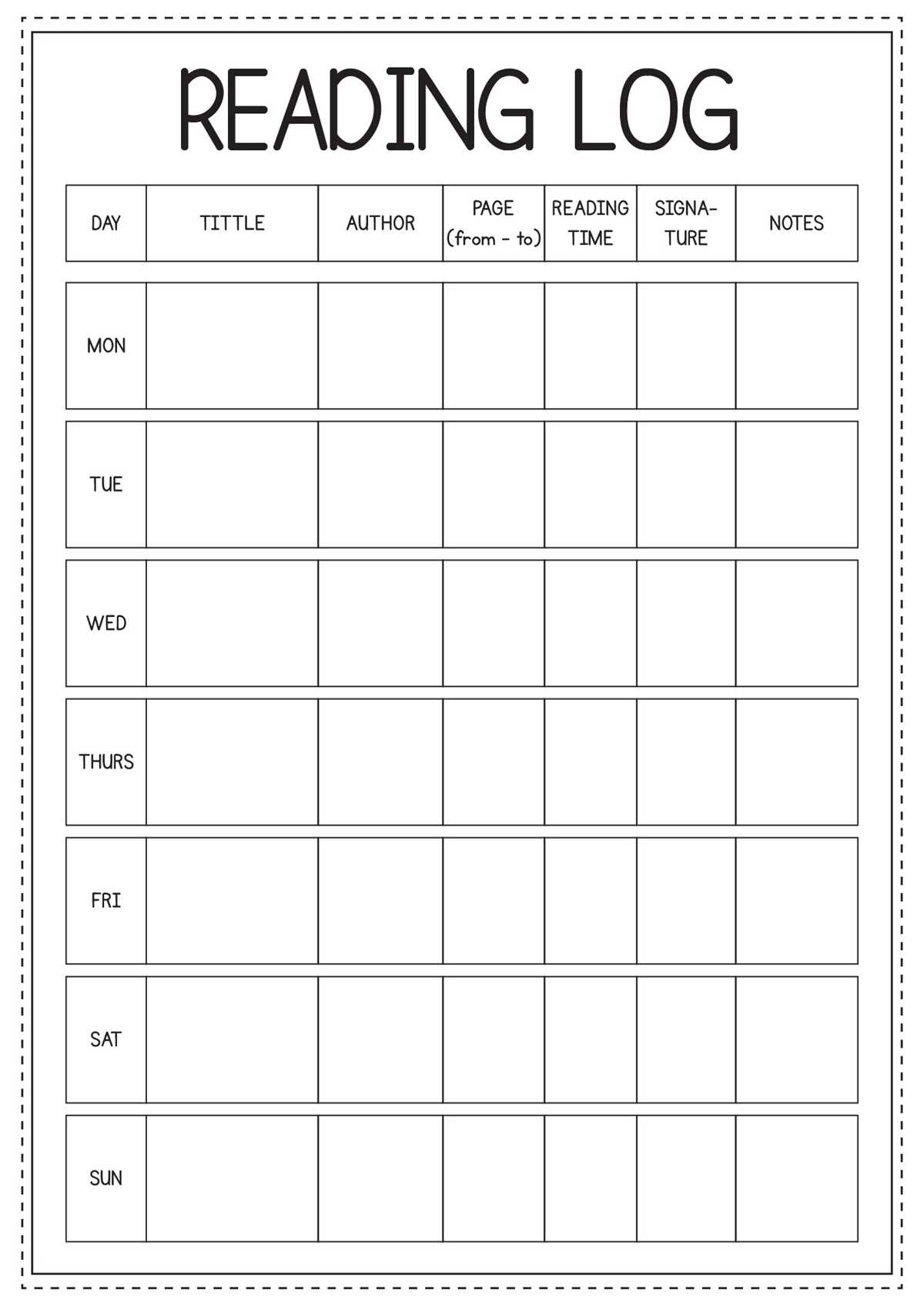
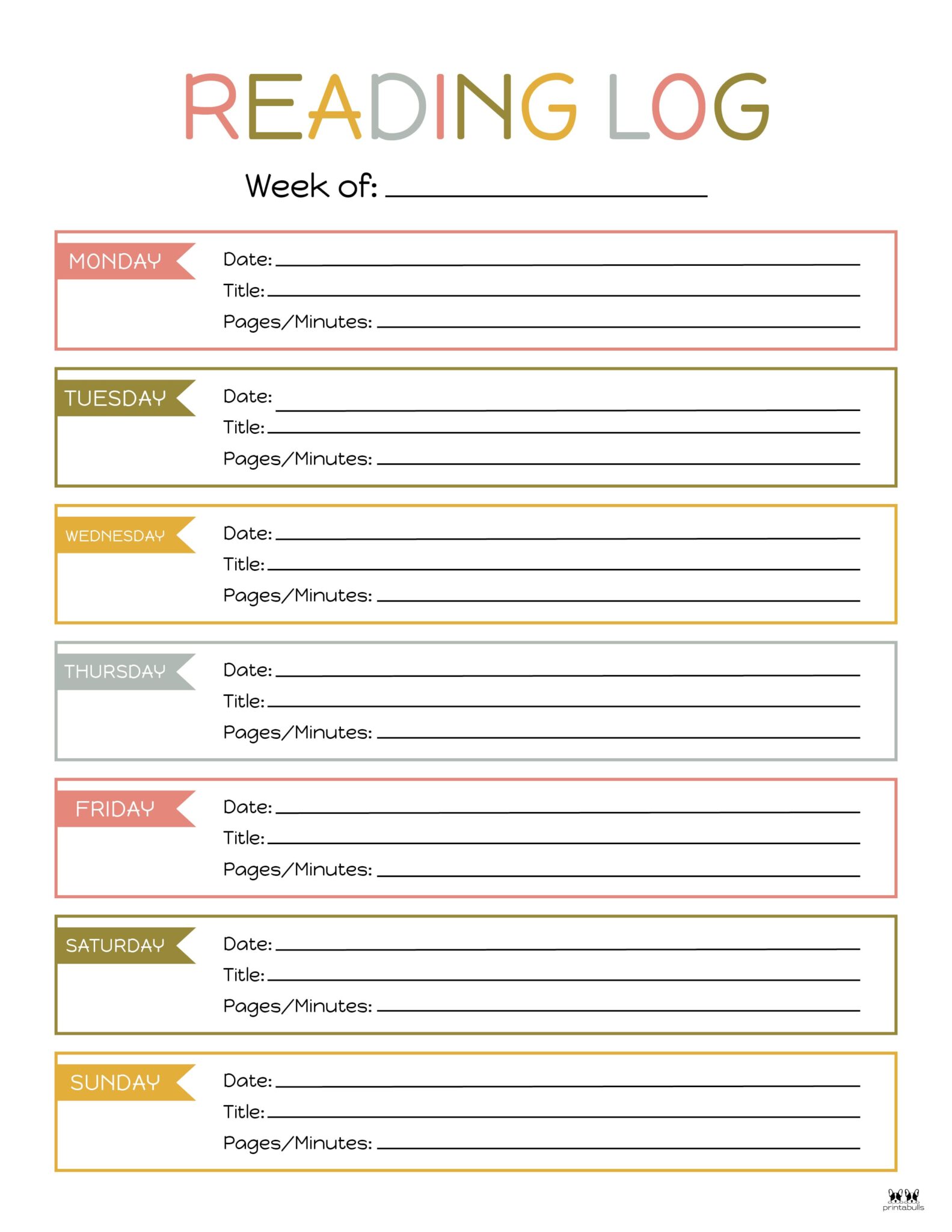
A weekly reading log printable for elementary students is a structured paper or digital template that tracks daily reading habits, minutes spent reading, and book titles, serving as a foundational tool for literacy accountability and independent reading routines. According to the National Association for the Education of Young Children (NAEYC), family and school partnerships that incorporate consistent literacy tracking significantly enhance young children’s vocabulary acquisition, comprehension skills, and lifelong reading motivation. By transforming abstract reading time into a visible, manageable weekly target, educators and families can reinforce foundational decoding and fluency habits in primary classrooms. Integrating these logs with targeted Worksheets and interactive Learning Activities creates a cohesive environment for early childhood development.
Curriculum Practice Snapshot:
- Core Focus: Tracking daily reading minutes and title milestones through a structured weekly format.
- Target Scope: Kindergarten through fifth grade students in traditional classrooms and homeschool settings.
- Key Recommendation: Pair quantitative time goals with qualitative comprehension prompts to ensure meaningful engagement.
Core Principles and Detailed Overview
Effective literacy tracking relies on developmentally appropriate design that aligns with young learners’ fine motor skills and cognitive processing capabilities. A well-designed weekly reading log printable for elementary students balances structural accountability with intrinsic motivation, avoiding punitive measures that diminish a child’s love for literature. Early elementary designs prioritize visual tracking symbols, large writing grids, and simple emoji-based mood reactions, whereas upper elementary formats incorporate genre categorizations, detailed plot summaries, and vocabulary collection boxes. Teachers often utilize specialized Teacher Resources to curate logs that align seamlessly with thematic units and independent reading level benchmarks.
Key Specifications and Breakdown
| Grade / Developmental Stage | Target Learning Skill | Instructional Strategy & Scaffolding |
|---|---|---|
| Kindergarten – 1st Grade | Print awareness and fine motor tracking | Utilize picture icons for book titles and simple coloring trackers for each completed 10-minute session. |
| 2nd – 3rd Grade | Reading stamina and genre identification | Incorporate daily minute tallies, genre check-boxes, and one-sentence parent verification signatures. |
| 4th – 5th Grade | Critical comprehension and vocabulary expansion | Require chapter tracking, key character mentions, and a short written response highlighting a favorite new word. |
Regular independent reading practice combined with structured tracking positively correlates with advanced reading achievement and vocabulary growth in elementary school cohorts. — National Center for Education Statistics (NCES)
Step-by-Step Practical Application and Guidelines
Implementing a weekly reading log printable for elementary students requires explicit modeling, consistent routines, and positive reinforcement to ensure sustained student buy-in. First, educators or parents introduce the log on Monday morning, demonstrating how to properly record book titles and calculate daily reading minutes. Second, learners maintain the log independently or with caregiver assistance throughout the week, utilizing tracing elements or checkmarks that simultaneously support Handwriting & Tracing development. Third, facilitators collect or review the completed logs every Friday, celebrating individual goal completion and using the data to guide upcoming small-group instruction and literacy center rotations.
Common Challenges and How to Avoid Them
Common challenges associated with reading logs involve artificial reporting, last-minute cramming, and student anxiety over uncompleted minutes. To prevent dishonest entries, educators should emphasize comprehension discussions over rigid minute quotas, allowing students to log listening time, graphic novels, or poetry. Furthermore, pairing standard reading logs with engaging Coloring Pages transforms the administrative tracking task into a rewarding, creative exercise that eliminates homework friction. Establishing a supportive classroom culture where reading is celebrated as an enjoyable journey rather than a punitive chore ensures long-term literacy success.
💬 Frequently Asked Questions
Explore More Early Learning and Classroom Resources on Knowalla
Discover an extensive library of printables, instructional guides, and skill-building assets designed to empower educators and parents alike. Whether searching for foundational literacy tools, math worksheets, or creative arts materials, Knowalla provides high-quality resources tailored to foster academic excellence in early childhood and elementary education.
Visual Reference Gallery