Introduction
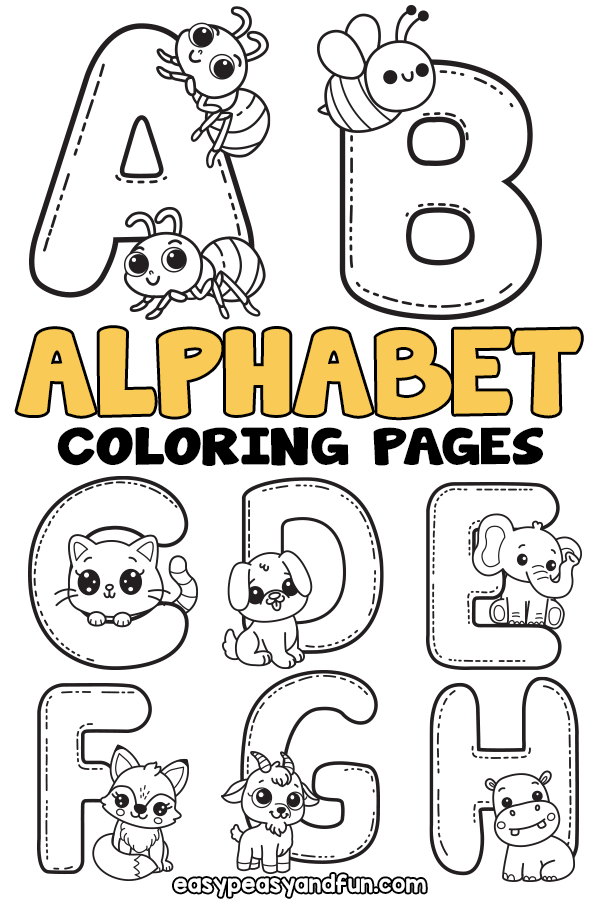
Coloring pages apple resources serve as engaging creative templates for youth, yet their digital retrieval on institutional devices requires rigorous monitoring to prevent malware exposure and malicious redirects. According to ConnectSafely, online safety education must encompass safe browsing habits and verified material downloads across all student workstations. When educators and families integrate digital arts activities into curricula, establishing strict technical boundaries protects school networks and maintains healthy device hygiene. Accessing creative resources like Coloring Pages through trusted educational portals prevents accidental navigation to compromised third-party domains. Furthermore, guiding middle school students through proper file downloading establishes foundational digital citizenship skills necessary for modern academic environments.
Digital Safety Snapshot:
- Core Focus: Safe retrieval and classroom management of digital coloring assets.
- Target Scope: K-12 learning environments, shared school devices, and home workstations.
- Key Recommendation: Enforce vetted domain whitelists for all creative media downloads.
Core Principles and Detailed Overview
Digital asset retrieval demands systematic vetting to eliminate hidden trackers, malvertising, and unauthorized data harvesting scripts embedded in unverified web portals. Academic integration of creative templates must align with institutional Internet and Digital Safety policies to mitigate cybersecurity vulnerabilities. Unregulated search queries for simple graphic templates frequently direct users toward predatory advertising networks or phishing pages disguised as free resource repositories. School administrators and educators enforce strict perimeter defenses by utilizing pre-screened Worksheets and graphic repositories that comply with federal privacy regulations such as COPPA and FERPA. Balancing visual arts instruction with robust device hygiene ensures that students engage in digital creation without compromising network integrity or exposing personal metadata.
Key Specifications and Breakdown
| Safety Pillar | Digital Risk Factor | Actionable Protective Habit |
|---|---|---|
| Device Hygiene | Malicious executable disguised as image files | Restrict downloads strictly to PDF and approved vector formats |
| Data Privacy | Third-party trackers embedded in free printables sites | Utilize school-vetted educational repositories without ad-tracking |
| Screen Balance | Prolonged static display leading to digital eye strain | Alternate digital template selection with physical offline coloring |
Organizations must implement robust endpoint protection and transparent content filtering to safeguard students against drive-by downloads originating from unverified media repositories. — Cybersecurity & Infrastructure Security Agency (CISA)
Step-by-Step Practical Application and Guidelines
Securing the retrieval and classroom utilization of digital templates requires a structured operational workflow for teachers, administrators, and supervising adults. First, establish a verified bookmark directory containing approved educational repositories rather than permitting open-web search engine queries on student devices. Second, configure network-level content filters to block pop-ups, unauthorized advertisements, and unverified external redirect links commonly found on consumer-facing media sites. Third, supervise middle school students during digital search sessions to reinforce critical evaluation of web domains and prevent accidental disclosure of personal information. Fourth, transition digital assets into local offline folders or print them directly via secure school print servers to minimize continuous device exposure. Finally, pair online template selection with comprehensive instruction on Online and Digital Safety to cultivate long-term self-regulation and cautious browsing instincts.
Common Challenges and How to Avoid Them
Unmonitored media retrieval frequently exposes school infrastructure to adware injection, unintended tracking cookies, and inappropriate pop-up advertisements that bypass standard browser setups. Educators often encounter challenges when students bypass filtered domains by utilizing proxy servers or unapproved peer-to-peer file sharing links to acquire graphics. Preventing these security breaches requires proactive enforcement of strict user permissions, disabling administrative rights on student accounts, and auditing browser extension histories regularly. Instructors also mitigate screen fatigue and digital distraction by establishing dedicated time limits for computer-based art selection before transitioning students to physical coloring media. Clear communication regarding acceptable digital footprints ensures students understand that every search query contributes to their ongoing academic and behavioral profile within the school network.
💬 Frequently Asked Questions
Explore More Kids Safety and Digital Citizenship Guides on SafeWiredSchools
Empowering educational communities with comprehensive resources remains essential for fostering resilient, secure digital citizens across all grade levels. Stakeholders can access continuous updates, expert pedagogical strategies, and technical compliance guidelines by visiting the main directory at Safe Wired Schools. Ongoing collaboration between educators, administrators, and parents guarantees a safer, more productive online learning ecosystem for every student.
Printable Coloring Page Previews