
Introduction
Coloring pages donuts function as creative digital assets that frequently intersect with unvetted web searches, presenting distinct cybersecurity vulnerabilities within K-12 learning environments. According to ConnectSafely, educators and administrators must guide students toward safe, verified resource repositories to mitigate tracking risks and malicious redirects. Accessing unmonitored material via open search engines exposes students to malicious click-jacking, unwanted tracking cookies, and inappropriate pop-up advertising. Establishing structured digital hygiene protocols ensures that casual online searches remain productive and secure.
Digital Safety Snapshot:
- Core Focus: Managing online risks associated with downloading casual recreational assets like coloring pages donuts.
- Target Scope: Middle school students, classroom teachers, and educational technology administrators.
- Key Recommendation: Utilize curated educational portals rather than open web searches for recreational files.
Core Principles and Detailed Overview
Unregulated web queries for recreational media can inadvertently bypass school web filters, exposing institutional networks to phishing scams and adware. Digital safety specialists advocate for strict device hygiene and verified Coloring Pages repositories that do not collect student telemetry data. Middle school students require direct instruction on evaluating website credibility before downloading files, recognizing the markers of secure domain extensions, and understanding how free printable materials can sometimes harbor tracking software. Integrating safe-search enforcement within Internet and Digital Safety curricula safeguards both hardware integrity and student privacy.
Key Specifications and Breakdown
| Safety Pillar | Digital Risk Factor | Actionable Protective Habit |
|---|---|---|
| Network Integrity | Malicious redirects and unverified executable file downloads | Enforce strict DNS filtering and restrict direct downloads on school-issued devices. |
| Data Privacy | Third-party behavioral tracking through free printable asset platforms | Review platform privacy policies and block sites requiring account registration for downloads. |
| Classroom Balance | Distraction and off-task browsing during integrated digital learning periods | Schedule designated offline creative intervals using vetted Worksheets. |
Educational institutions must implement proactive domain categorization and continuous web-traffic monitoring to neutralize external threats stemming from unvetted student searches. — Cybersecurity & Infrastructure Security Agency (CISA)
Step-by-Step Practical Application and Guidelines
Executing safe search practices involves establishing clear boundary lines for recreational media access on educational hardware. Educators should pre-screen and bookmark trusted repositories, eliminating the need for students to navigate the open web for creative activities. Furthermore, establishing clear protocols regarding device hygiene—such as clearing download folders and identifying phishing attempts disguised as free rewards—reinforces responsible digital citizenship. Integrating these principles with comprehensive guidelines found under Online and Digital Safety empowers classrooms to maintain high productivity without sacrificing digital wellness.
Common Challenges and How to Avoid Them
Overreliance on open search engines for recreational content frequently exposes students to deceptive advertising and malicious downloads disguised as free media. Administrators often struggle with shadow IT and unauthorized bookmarking on student-managed browsers. To counter this, IT departments must lock browser configurations, disable unsecured extensions, and educate teachers on identifying sudden redirection loops. Proactive network monitoring ensures that casual queries remain contained within secure educational boundaries.
💬 Frequently Asked Questions
Explore More Kids Safety and Digital Citizenship Guides on SafeWiredSchools
Comprehensive resources, actionable classroom strategies, and expert digital citizenship frameworks remain available across the Safe Wired Schools network. Continuous education regarding online risks empowers school communities to cultivate secure, productive, and balanced digital environments for all learners.
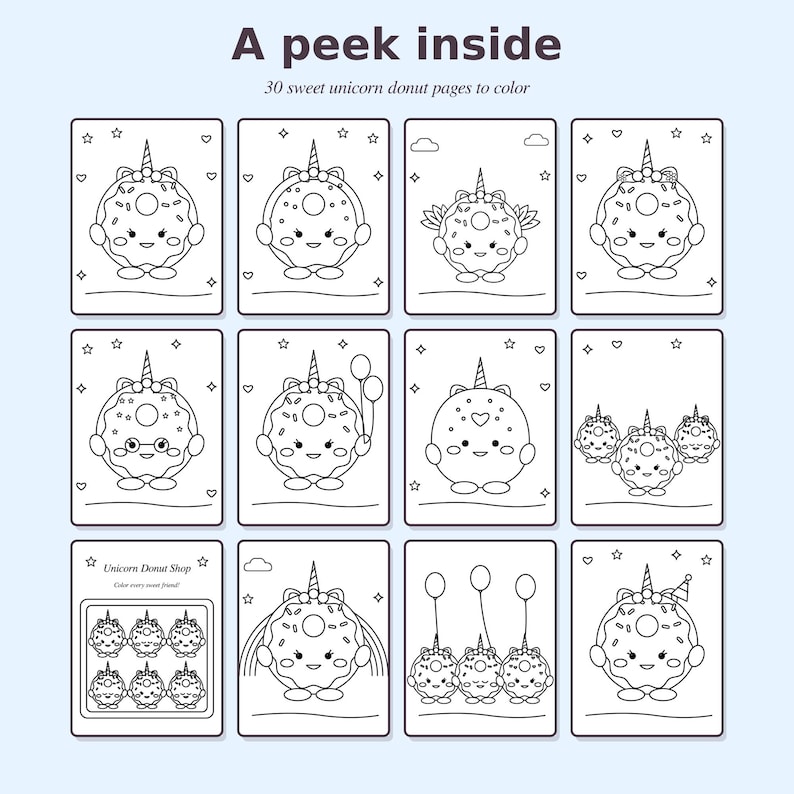
Printable Coloring Page Previews