Introduction
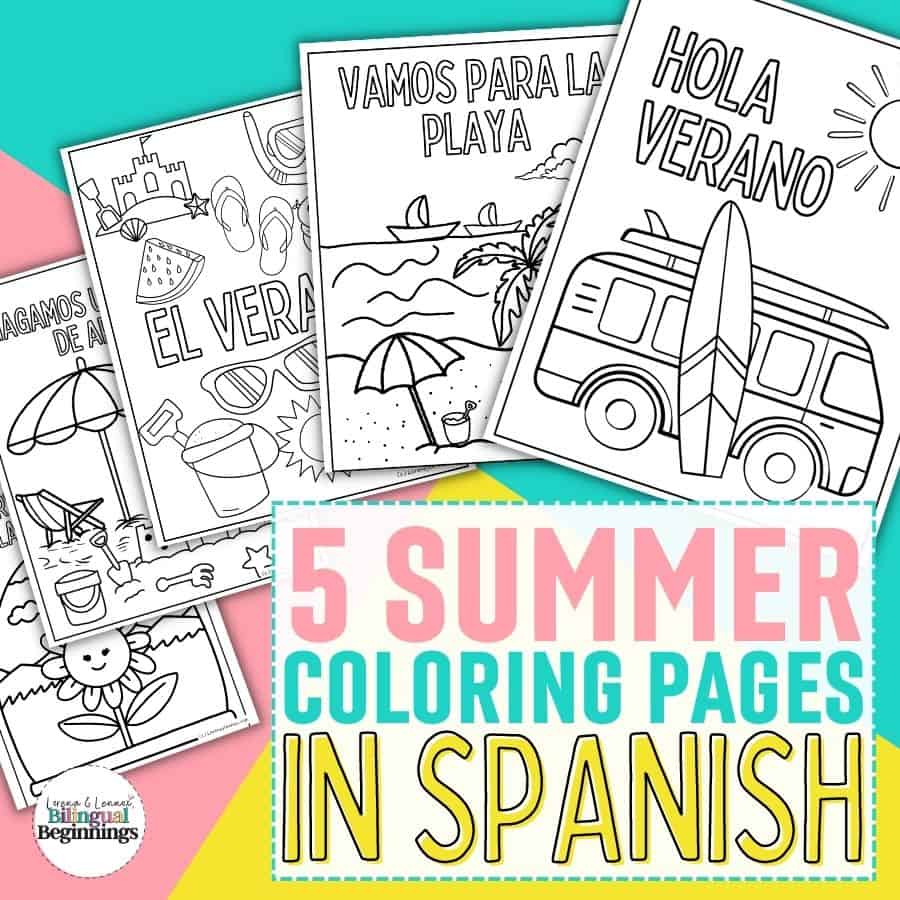
Coloring pages in spanish provide dual-language learners with essential fine-motor skill development and foundational vocabulary acquisition through contextualized visual art. According to the National Association for the Education of Young Children (NAEYC), intentionally integrating culturally and linguistically diverse instructional materials supports cognitive development and enhances literacy outcomes for young children. By combining kinesthetic coloring motions with target Spanish vocabulary words, educators and homeschool parents create low-stakes, highly engaging printable worksheets that bridge artistic expression with early bilingual education. This pedagogical approach transforms standard quiet-time printables into powerful cross-curricular learning tools.
Curriculum Practice Snapshot:
- Core Focus: Spanish vocabulary acquisition integrated with visual arts and fine-motor skill practice.
- Target Scope: Early childhood education classrooms, preschools, and bilingual homeschool environments.
- Key Recommendation: Pair thematic coloring sheets with oral repetition and traceable letter labels to maximize dual-language retention.
Core Principles and Detailed Overview
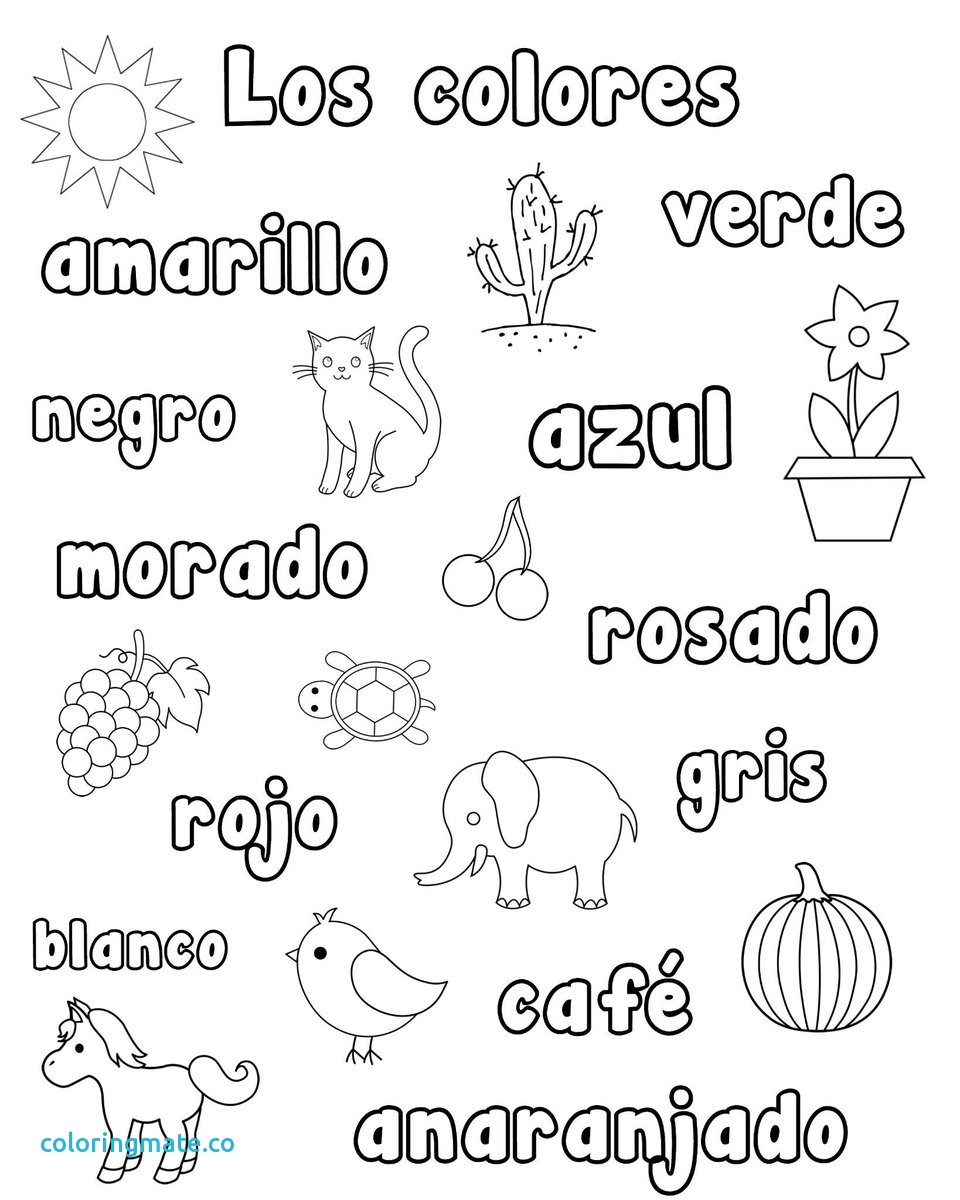
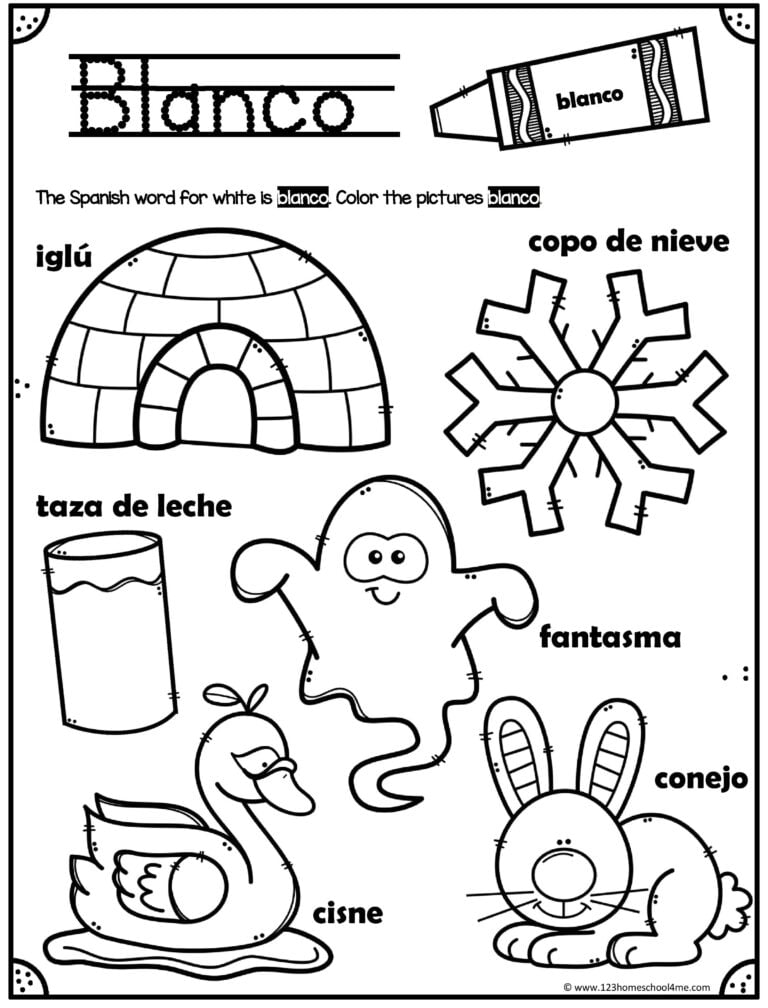
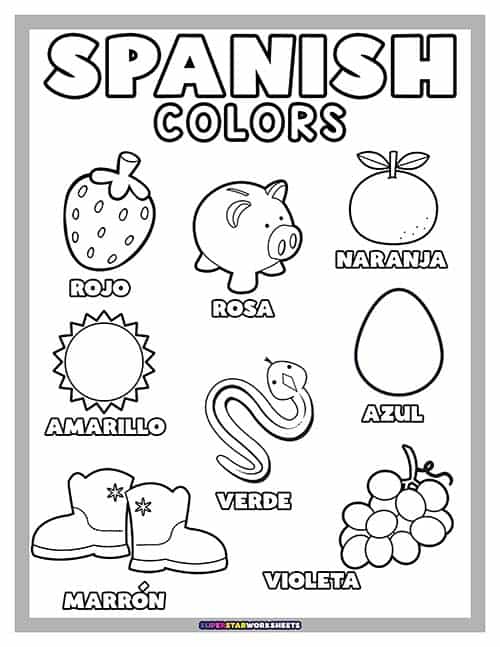
Coloring pages in spanish function as cognitive anchors that connect unfamiliar linguistic terms with concrete visual representations, facilitating faster semantic mapping in dual-language learners. When children color an illustrated sheet featuring labeled objects like *la manzana* or *el perro*, the tactile engagement reinforces memory retention much more effectively than rote flashcard drills alone. Furthermore, controlled pencil movement, shading, and boundary tracing directly strengthen the intrinsic hand muscles required for cursive and print handwriting. Educational designers craft these materials to align with early childhood milestones, ensuring that lexical items match age-appropriate thematic units such as farm animals, seasonal weather, numbers, and basic shapes found across standard Learning Activities.
Key Specifications and Breakdown
| Grade / Developmental Stage | Target Learning Skill | Instructional Strategy & Scaffolding |
|---|---|---|
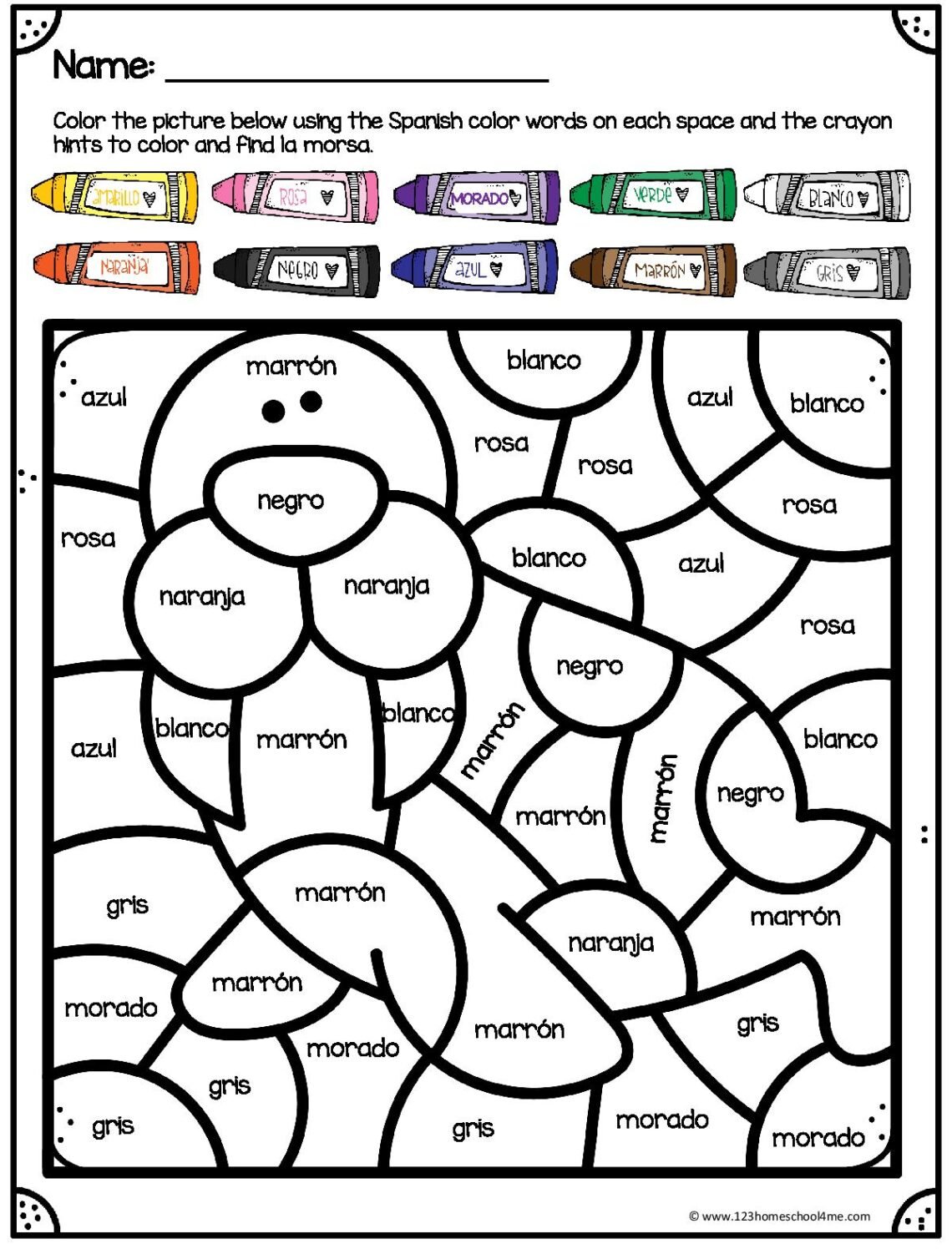
| Pre-K (Ages 3-4) | Fine-motor control and color word recognition in Spanish. | Utilize thick-bordered illustrations with single-word labels accompanied by color-coded guides. |
| Kindergarten (Ages 5-6) | Letter formation, phonics, and foundational Spanish nouns. | Combine coloring sections with dotted-line Handwriting & Tracing exercises for target vocabulary. |
| Early Elementary (Ages 7-8) | Reading comprehension, descriptive adjectives, and sentence structure. | Incorporate short bilingual descriptive sentences that students must read and match to specific colored regions. |
Early literacy development relies on multisensory instructional strategies that intentionally combine visual arts, tactile manipulation, and target vocabulary reinforcement — National Center for Education Statistics (NCES)
Step-by-Step Practical Application and Guidelines
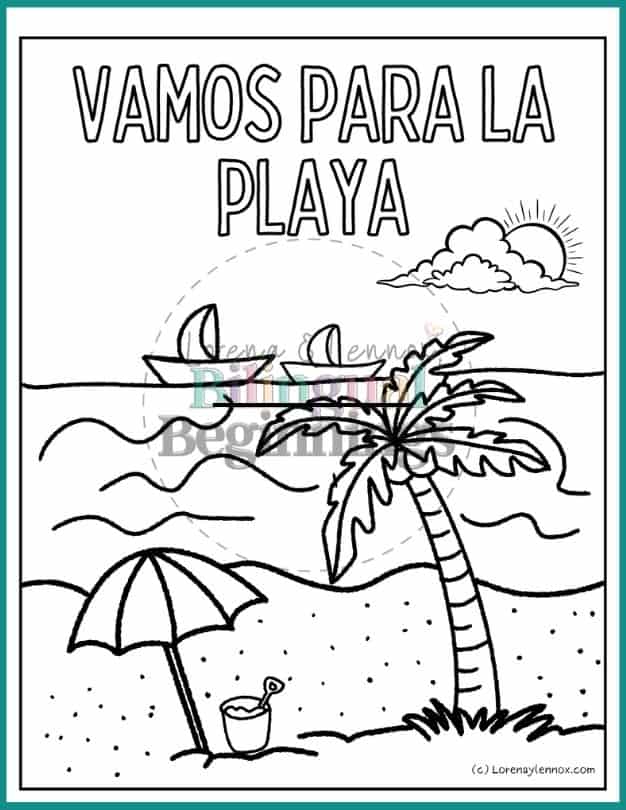
Implementing coloring pages in spanish effectively requires a deliberate three-step instructional sequence that moves from oral introduction to independent creative application. First, introduce the targeted Spanish vocabulary prior to distributing the printables, holding up real objects or flashcards while pronouncing words clearly for echo-choral repetition. Second, distribute the themed Coloring Pages and guide students to trace any accompanying vocabulary words using proper pencil grip before coloring the graphic elements. Third, facilitate a closing share-out circle where learners proudly hold up completed artwork and state aloud what they colored using target sentence frames, such as *Es un gato rojo*.
Common Challenges and How to Avoid Them
Educators occasionally misuse Spanish coloring printables by treating them solely as filler activities devoid of explicit linguistic objectives, which minimizes their developmental impact. To avoid this passive learning trap, instructors must actively connect the visual imagery to spoken dialogues and spelling exercises during small-group rotations. Another frequent hurdle involves selecting vocabulary sheets that mismatch the current proficiency level of the learners, causing either immediate frustration or boredom. Establishing a tiered library of Teacher Resources ensures that every child receives developmentally appropriate scaffolding tailored to their precise bilingual developmental stage.
💬 Frequently Asked Questions
Explore More Early Learning and Classroom Resources on Knowalla
Educators and parents seeking comprehensive printable materials will find thousands of expertly designed printables, skill-building worksheets, and bilingual instructional assets by exploring the main hub at Knowalla. Continuous access to structured pedagogical tools ensures every young learner receives optimal support throughout the foundational school years.
Printable Coloring Page Previews