Introduction
Coloring pages inside out refer to unconventional printable activity sheets where visual focus shifts from filling enclosed shapes to defining negative space, reverse-outlining, and exploring boundary inversion for early childhood skill development. According to the National Association for the Education of Young Children (NAEYC), intentional manipulation of spatial boundaries and reverse-contour tasks significantly enhances visual-spatial reasoning and fine-motor control during early developmental years. Educators and caregivers integrate these specialized visual challenges into daily curricula to strengthen hand-eye coordination, promote cognitive flexibility, and transition young learners beyond standard fill-in-the-line illustration habits. Printable Coloring Pages collections often include these innovative negative-space formats to challenge standard artistic assumptions.
Curriculum Practice Snapshot:
- Core Focus: Visual inversion and negative-space boundary manipulation through printable sheets.
- Target Scope: Early childhood classrooms, kindergarten centers, and homeschool environments.
- Key Recommendation: Pair inverted design challenges with targeted Handwriting & Tracing sheets to maximize pencil control.
Core Principles and Detailed Overview
Coloring pages inside out redefine traditional artistic boundaries by requiring children to shade, trace, or pattern the background rather than the primary foreground subject. This instructional approach forces the brain to process figure-ground relationships actively, an essential perceptual skill required for reading fluency, letter discrimination, and mathematical pattern recognition. When children consciously navigate around uncolored silhouettes, intrinsic motor planning pathways activate, demanding precise wrist stabilization and controlled pincer grasps. Supplementary Worksheets focusing on spatial orientation frequently utilize this inverse methodology to prepare students for complex geometry and advanced writing mechanics.
Key Specifications and Breakdown
| Grade / Developmental Stage | Target Learning Skill | Instructional Strategy & Scaffolding |
|---|---|---|
| Pre-K / Ages 3-4 | Figure-ground perception and basic boundary awareness | Provide thick-bordered silhouettes where children color exclusively outside the central object using broad crayons. |
| Kindergarten / Ages 5-6 | Advanced wrist rotation and negative-space shading | Introduce patterned background filling requiring continuous shading around detailed character outlines. |
| Early Elementary / Ages 7-8 | Bilateral coordination and precise contour mapping | Incorporate intricate reverse-stencil tasks paired with detailed Learning Activities. |
Visual-spatial manipulation and inverse spatial processing strongly correlate with foundational geometric reasoning benchmarks established in early primary education research. — National Center for Education Statistics (NCES)
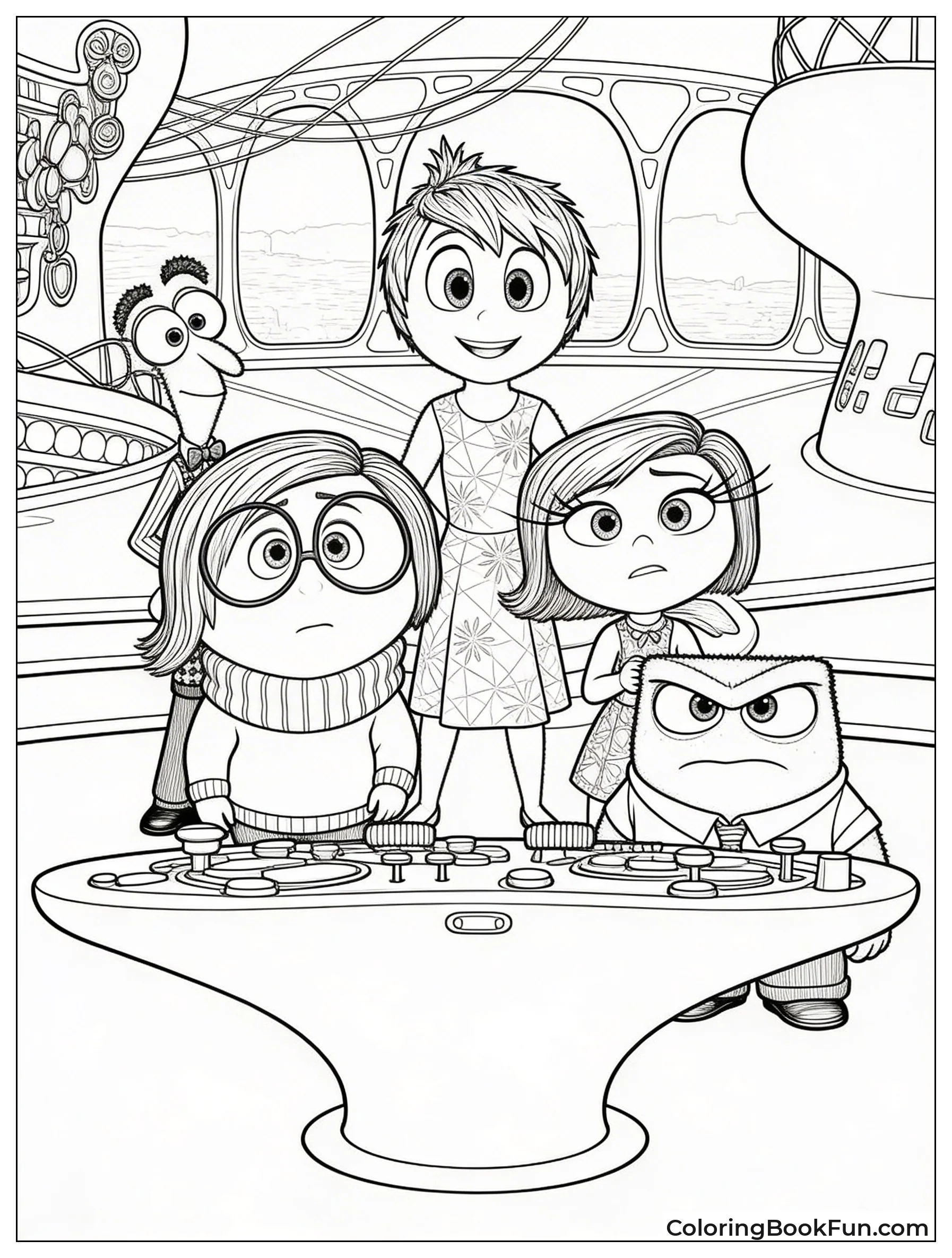
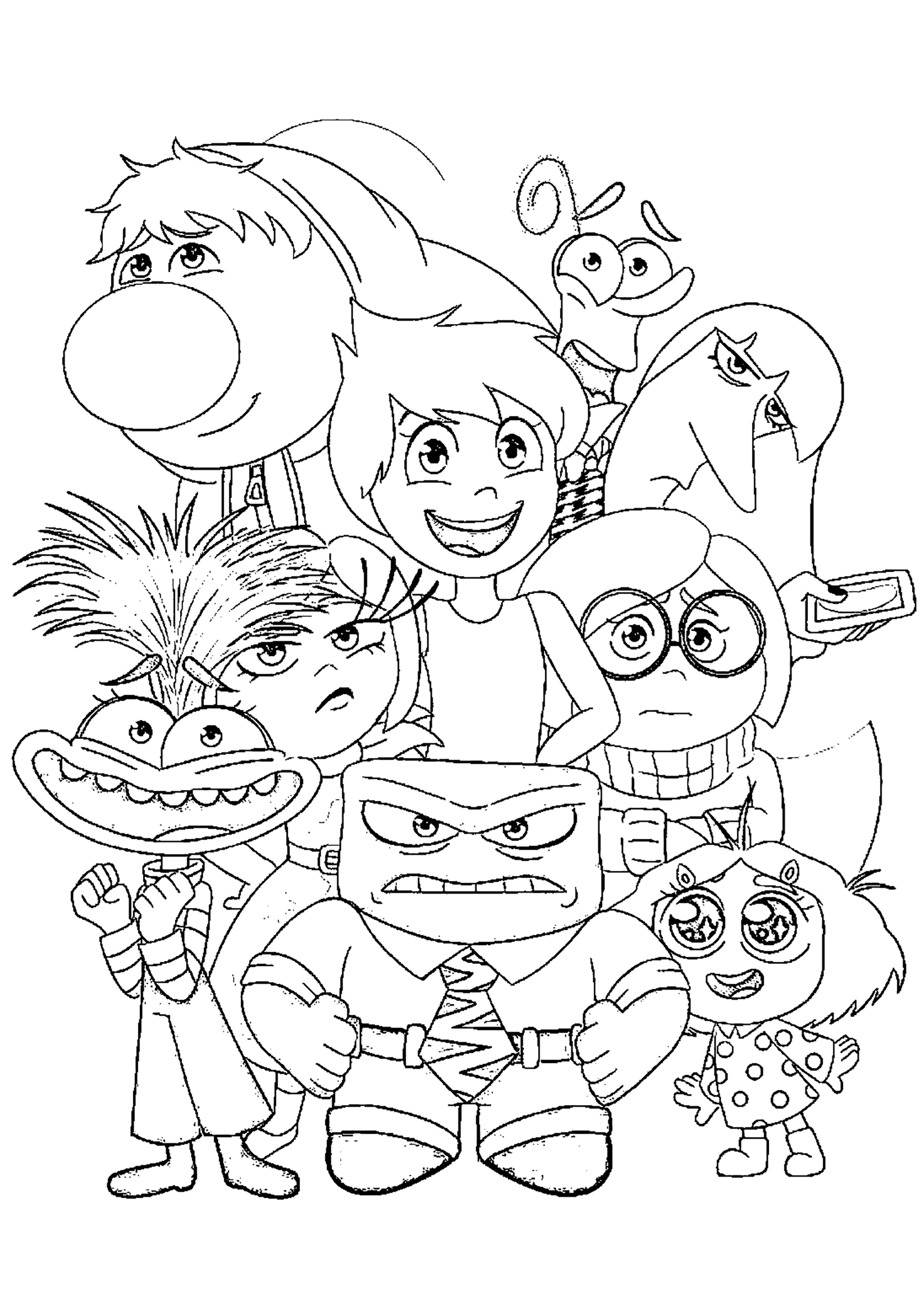
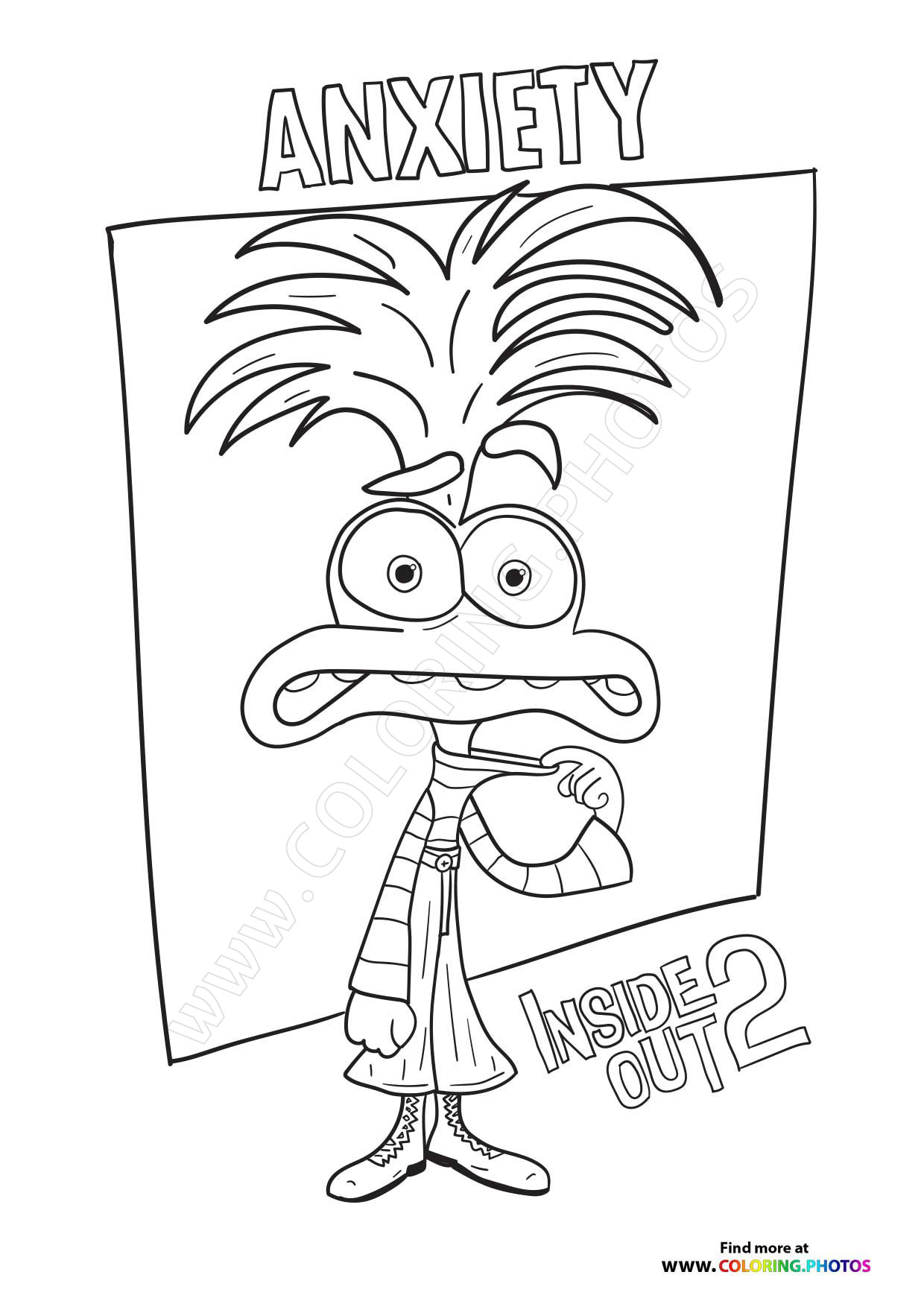
Printable Coloring Page Previews




Step-by-Step Practical Application and Guidelines
Implementing coloring pages inside out effectively requires a structured three-step instructional sequence that transitions children from conventional coloring habits to inverse spatial awareness. First, introduce the selected printable sheet by pointing directly to the uncolored foreground silhouette and instructing children to leave that specific area completely blank while shading the surrounding paper. Second, provide appropriate fine-motor instruments such as broad markers for younger pre-schoolers or fine-tipped colored pencils for early elementary students to ensure adequate control when edging against silhouette borders. Third, review the finished piece collaboratively by asking students to identify the hidden shape formed entirely by the untouched negative space, reinforcing cognitive retention.
Common Challenges and How to Avoid Them
Frustration often arises when children instinctively attempt to color inside the primary subject due to years of conditioned habit from standard illustration sheets. Educators overcome this hurdle by physically masking the interior shape with a removable sticker or light template during initial sessions, teaching the brain to isolate background areas successfully. Another frequent obstacle involves excessive hand fatigue resulting from aggressive grip pressure during dense background shading. Instructors mitigate this challenge by integrating short preparatory stretching routines and utilizing ergonomic triangular pencils sourced directly from comprehensive Teacher Resources.