Introduction
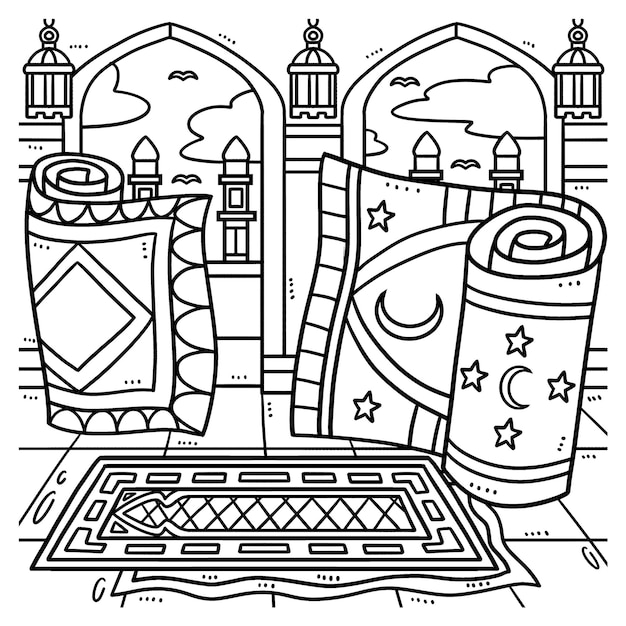
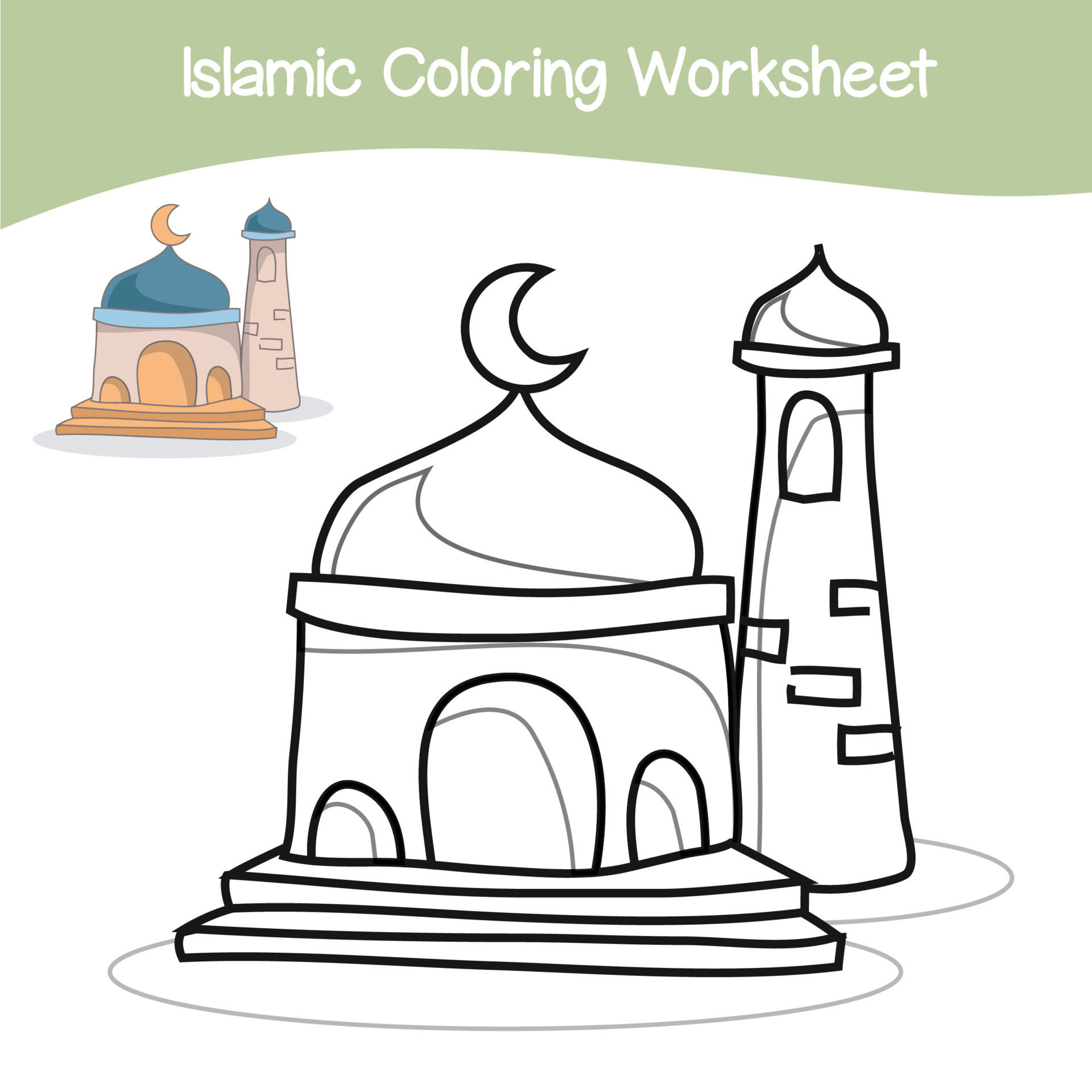
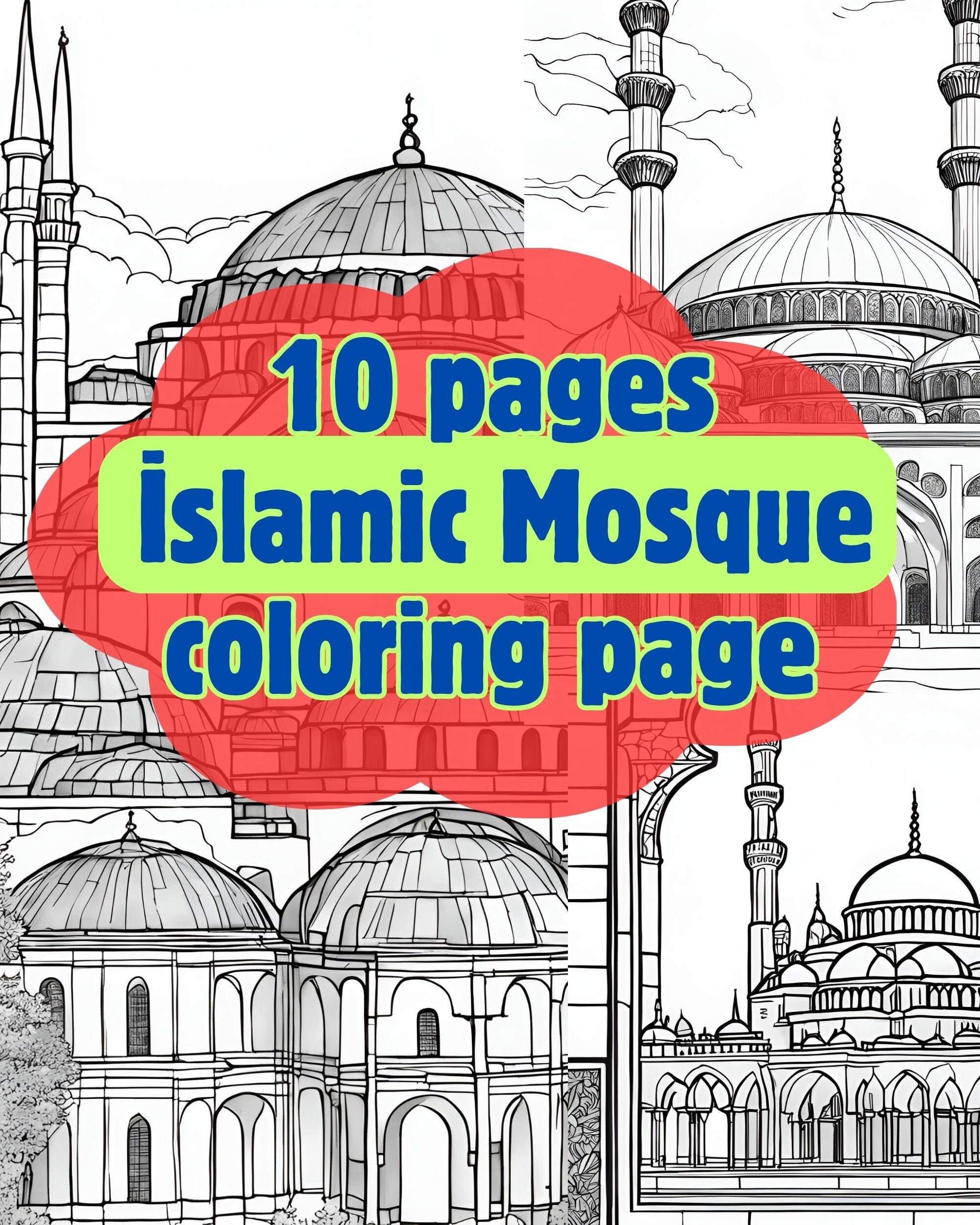
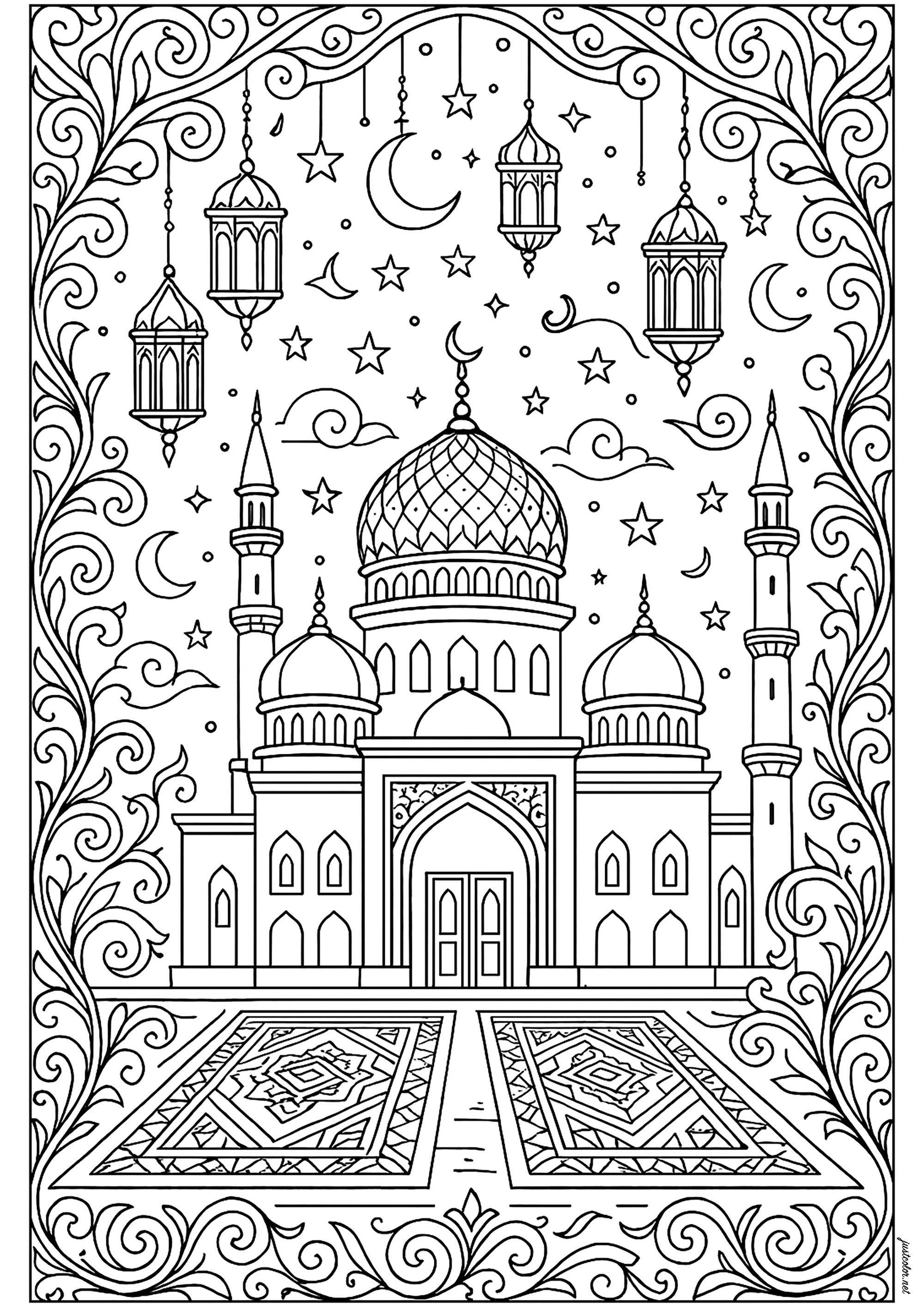
Coloring pages islamic serve as targeted educational printables featuring geometric patterns, Arabic calligraphy, and cultural motifs designed to support fine-motor development and cultural literacy in early childhood settings. According to the National Association for the Education of Young Children (NAEYC), purposeful printables that integrate culturally responsive visual arts significantly enhance cognitive engagement, concentration, and fine-motor control during the foundational preschool and elementary years. Educators and homeschool parents frequently utilize these resources within broader Learning Activities to merge artistic expression with meaningful cross-curricular themes. Integrating structured graphic resources reinforces pencil grip, spatial awareness, and visual-spatial reasoning while introducing traditional design elements.
Curriculum Practice Snapshot:
- Core Focus: Fine-motor skill development and cultural appreciation via geometric art printables.
- Target Scope: Early childhood education classrooms, Islamic schools, and secular homeschool environments.
- Key Recommendation: Pair geometric coloring sheets with foundational Handwriting & Tracing sheets to maximize dexterity outcomes.
Core Principles and Detailed Overview
Coloring pages islamic establish a foundational bridge between traditional Islamic art and early childhood developmental milestones by fostering precise hand-eye coordination. Direct implementation of these printables requires balancing open-ended creativity with structured boundary control, which directly strengthens intrinsic hand muscles required for primary writing tasks. Furthermore, exploring symmetrical patterns and tessellations introduces young learners to early mathematical concepts such as symmetry, repetition, and spatial geometry. Teachers often integrate these materials into comprehensive Teacher Resources portfolios to ensure that art integration meets cross-curricular visual arts standards. Utilizing carefully selected Worksheets featuring geometric frameworks equips young students with the focus and dexterity needed for advanced academic challenges.
Key Specifications and Breakdown
| Grade / Developmental Stage | Target Learning Skill | Instructional Strategy & Scaffolding |
|---|---|---|
| Early Childhood (Pre-K to Kindergarten) | Fine-motor endurance and large grip control | Use bold-lined, simplified geometric patterns combined with thick crayons. |
| Early Elementary (Grades 1-2) | Symmetry, pattern recognition, and pencil precision | Provide intricate tessellations paired with colored pencils for boundary control. |
| Upper Elementary (Grades 3-5) | Artistic composition and cultural design analysis | Incorporate independent coloring with introductory lessons on Islamic art history. |
Structured art integration and consistent fine-motor practice significantly accelerate bilateral coordination and spatial awareness in early childhood learners — What Works Clearinghouse (IES)
Step-by-Step Practical Application and Guidelines
Implementing coloring pages islamic effectively within a structured lesson plan involves selecting age-appropriate designs, preparing supportive writing utensils, and debriefing the completed artwork through guided inquiry. Educators begin by assessing the fine-motor capability of the student group, choosing simplified shapes for younger children and complex interlocking stars for older cohorts. Next, instructors distribute the printables alongside diverse media such as markers, colored pencils, or watercolors to explore texture and color blending. Finally, educators facilitate a reflective discussion regarding symmetry, pattern repetition, and the historical significance of the geometric art forms, reinforcing both cognitive and creative domains.
Common Challenges and How to Avoid Them
Over-reliance on overly complex geometric designs can lead to frustration and decreased engagement among younger learners struggling with hand fatigue. Mitigating this challenge involves matching line thickness and pattern density directly to the developmental stage of the child, ensuring success before advancing to intricate compositions. Another common misconception treats these printables purely as passive downtime activities rather than intentional instructional tools. Educators prevent this by establishing clear learning objectives focused on symmetry, pattern analysis, or pen control during every coloring session, validating the pedagogical value of the activity.
💬 Frequently Asked Questions
Explore More Early Learning and Classroom Resources on Knowalla
Discover an extensive library of printable educational assets designed by instructional specialists to support early childhood development and classroom organization. Browse through specialized categories featuring Coloring Pages, handwriting drills, and comprehensive lesson aids tailored for modern educators. Visit Knowalla today to access high-value instructional tools that elevate student engagement and academic achievement across all primary grade levels.
Printable Coloring Page Previews