Introduction
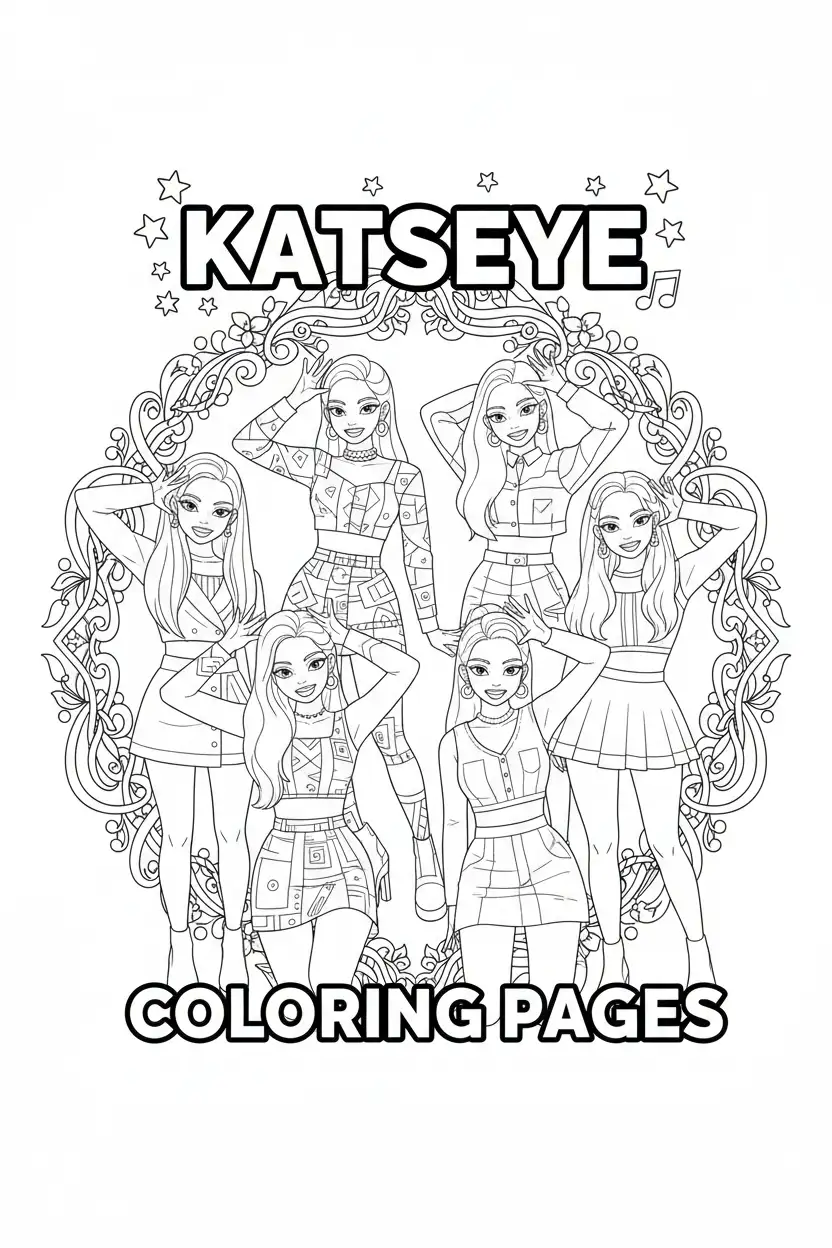
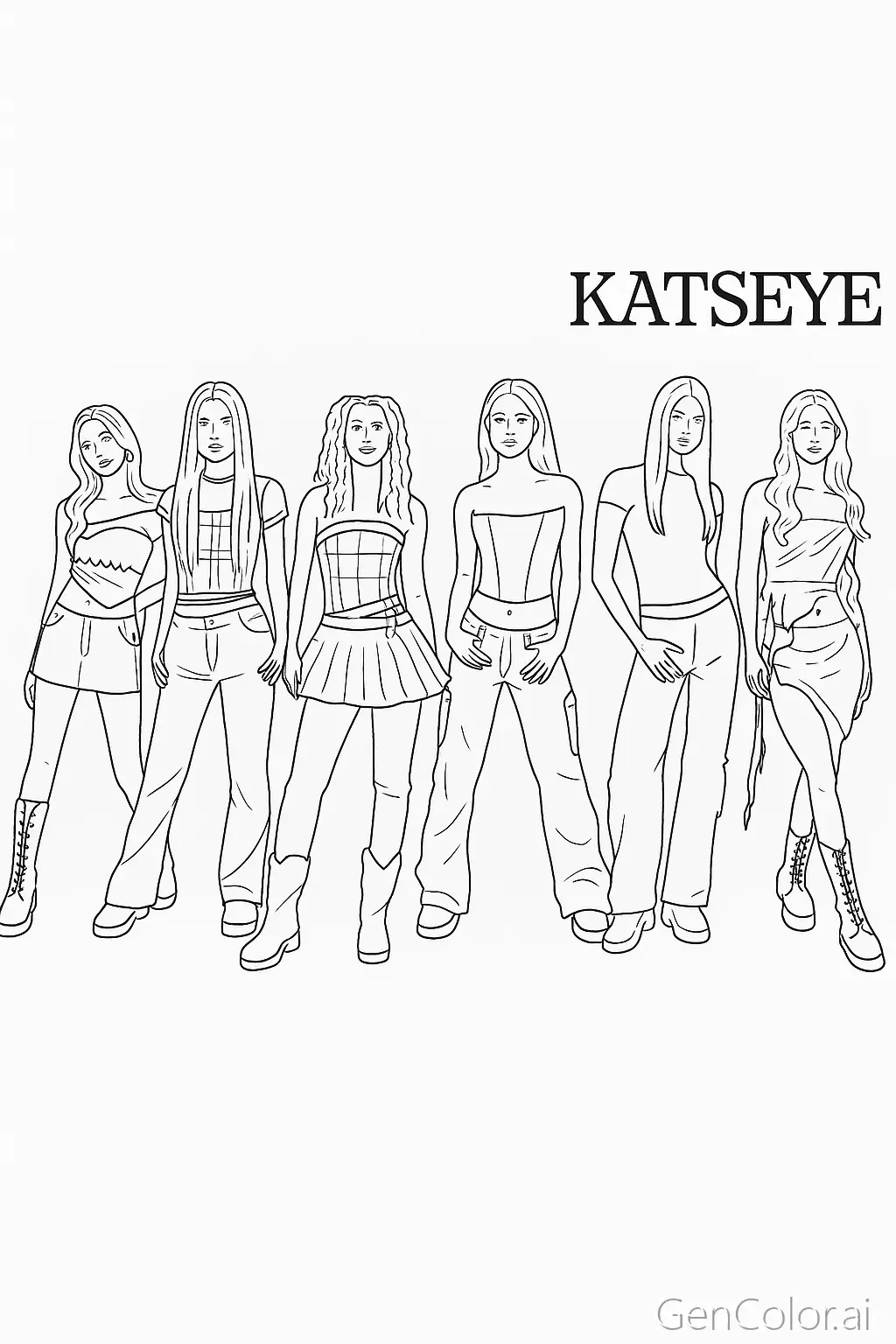
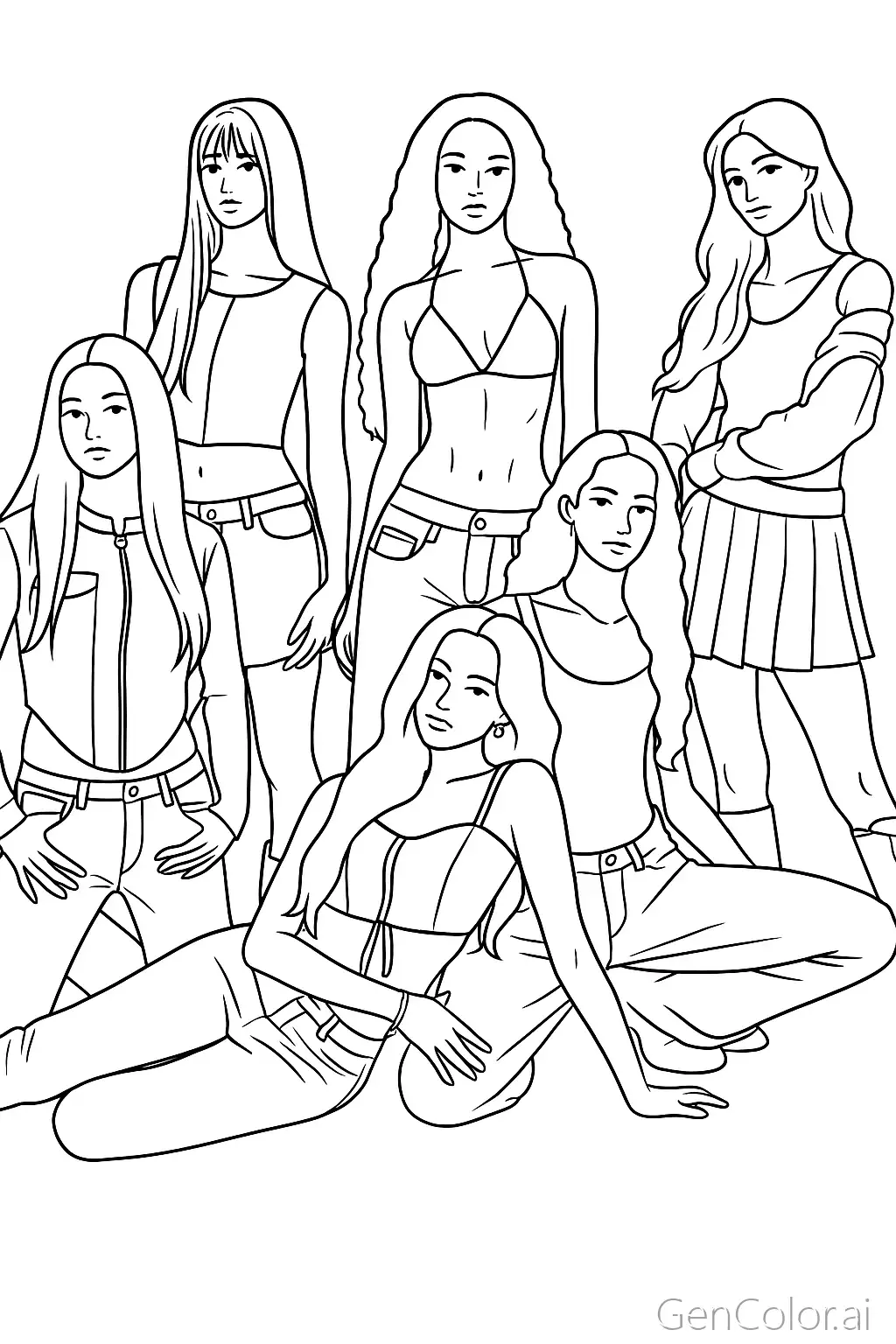
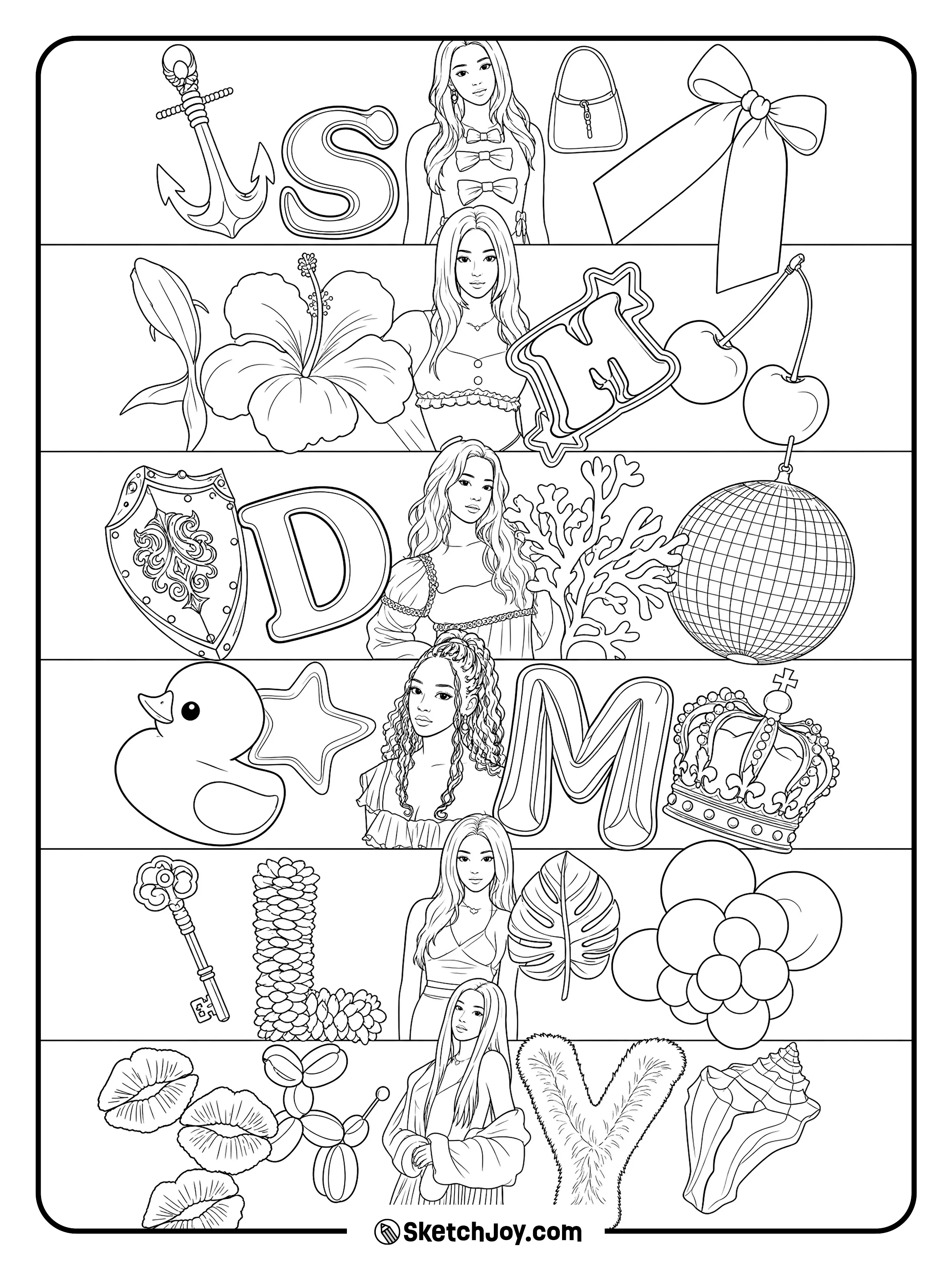
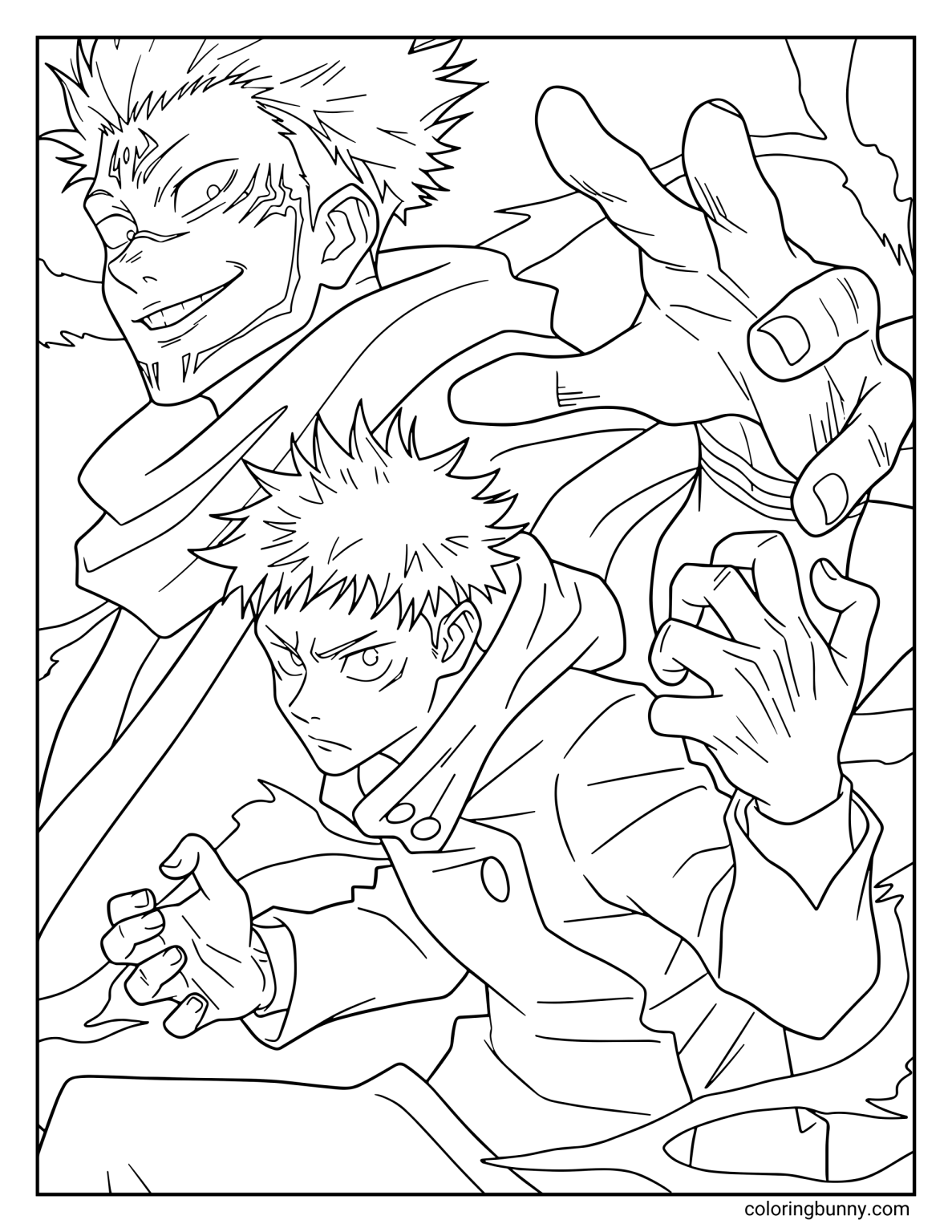
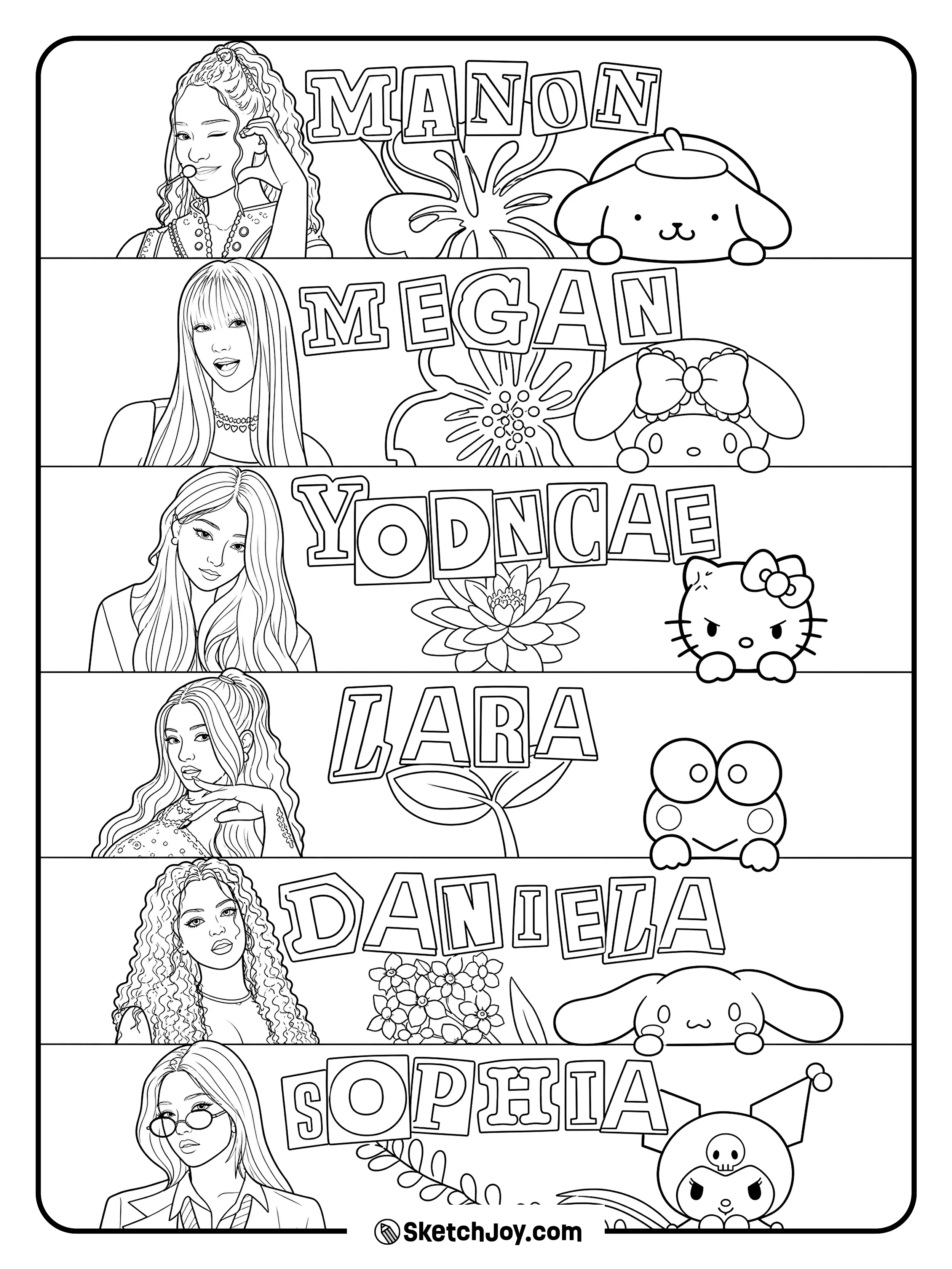
Coloring pages katseye deliver focused creative engagement that merges modern pop-culture interests with foundational fine-motor skill development for young learners. According to the National Association for the Education of Young Children (NAEYC), intentional art and drawing experiences foster critical neurological pathways essential for early literacy and spatial reasoning. Integrating popular character themes into structured printables transforms ordinary seatwork into highly motivating exercises. Educators and homeschool parents leverage these visual assets within comprehensive Coloring Pages collections to bridge engagement gaps and sustain attention during independent workstation rotations.
Curriculum Practice Snapshot:
- Core Focus: Utilizing stylized character printables to cultivate fine-motor control, hand strength, and visual tracking.
- Target Scope: Early childhood through lower elementary classrooms and home-learning environments.
- Key Recommendation: Pair themed art sheets with deliberate Handwriting & Tracing drills to reinforce bilateral coordination.
Core Principles and Detailed Overview
Targeted creative sheets featuring distinct global pop group motifs provide children with structured canvases for practicing pencil grip, wrist articulation, and boundary control. Direct answer: These specialized printables serve as tactile learning tools that combine youth-centric visual appeal with rigorous developmental milestones. When young learners navigate intricate lines and distinct color blocks, intrinsic motivation remains exceptionally high, leading to extended focus durations. Integrating these printables alongside standard Worksheets ensures a balanced curriculum where expressive art meets foundational cognitive practice. Instructors observe that children who engage regularly with themed graphic sheets demonstrate superior pen-and-paper stamina during extended writing tasks.
Key Specifications and Breakdown
| Grade / Developmental Stage | Target Learning Skill | Instructional Strategy & Scaffolding |
|---|---|---|
| Pre-Kindergarten (Ages 3-4) | Palmar grasp transition, basic boundary awareness, large shape filling. | Provide ultra-thick outlines and oversized crayons to support initial motor control. |
| Kindergarten (Ages 5-6) | Pincer grasp refinement, directional coloring, controlled stroke precision. | Utilize colored pencils and medium-weight borders to encourage wrist flexibility. |
| Early Elementary (Ages 7-8) | Shading techniques, intricate spatial navigation, sustained concentration. | Incorporate fine-tip markers and multi-step pattern filling within complex sections. |
Structured visual art activities significantly enhance fine-motor precision and neurological readiness for complex academic tasks — National Center for Education Statistics (NCES)
Step-by-Step Practical Application and Guidelines
Implementing themed creative printables effectively requires a structured progression from direct instruction to autonomous practice. Direct answer: Begin by selecting age-appropriate graphic templates that match current fine-motor skill tiers, distribute proper writing implements, and establish clear expectations regarding border control and color harmony. Educators should first model how to outline complex focal points before allowing independent coloring. Following this guided demonstration, integrate the activity seamlessly into broader Learning Activities centers. Finally, review finished pieces collectively to celebrate precision, encourage positive peer feedback, and reinforce correct pencil posture habits.
Common Challenges and How to Avoid Them
Rushing through fine-motor exercises and gripping writing utensils too tightly represent the most frequent obstacles encountered during creative worksheet sessions. Direct answer: Mitigate these challenges by implementing mandatory brain breaks, enforcing tool rotation, and providing ergonomically supportive writing implements. When children experience hand fatigue or frustration over complex line art, educators should intervene by scaling back to simpler geometric layouts temporarily. Maintaining open access to diverse Teacher Resources guarantees that instructors can quickly adapt material difficulty to match fluctuating classroom energy levels and individual developmental capacities.
💬 Frequently Asked Questions
Explore More Early Learning and Classroom Resources on Knowalla
Discover an extensive digital library designed to support educators and parents in fostering well-rounded developmental growth. Knowalla provides expertly curated printables, creative assets, and instructional guides tailored to early childhood success. Explore diverse instructional categories to elevate daily lesson planning and inspire lifelong learning.
Printable Coloring Page Previews