Introduction
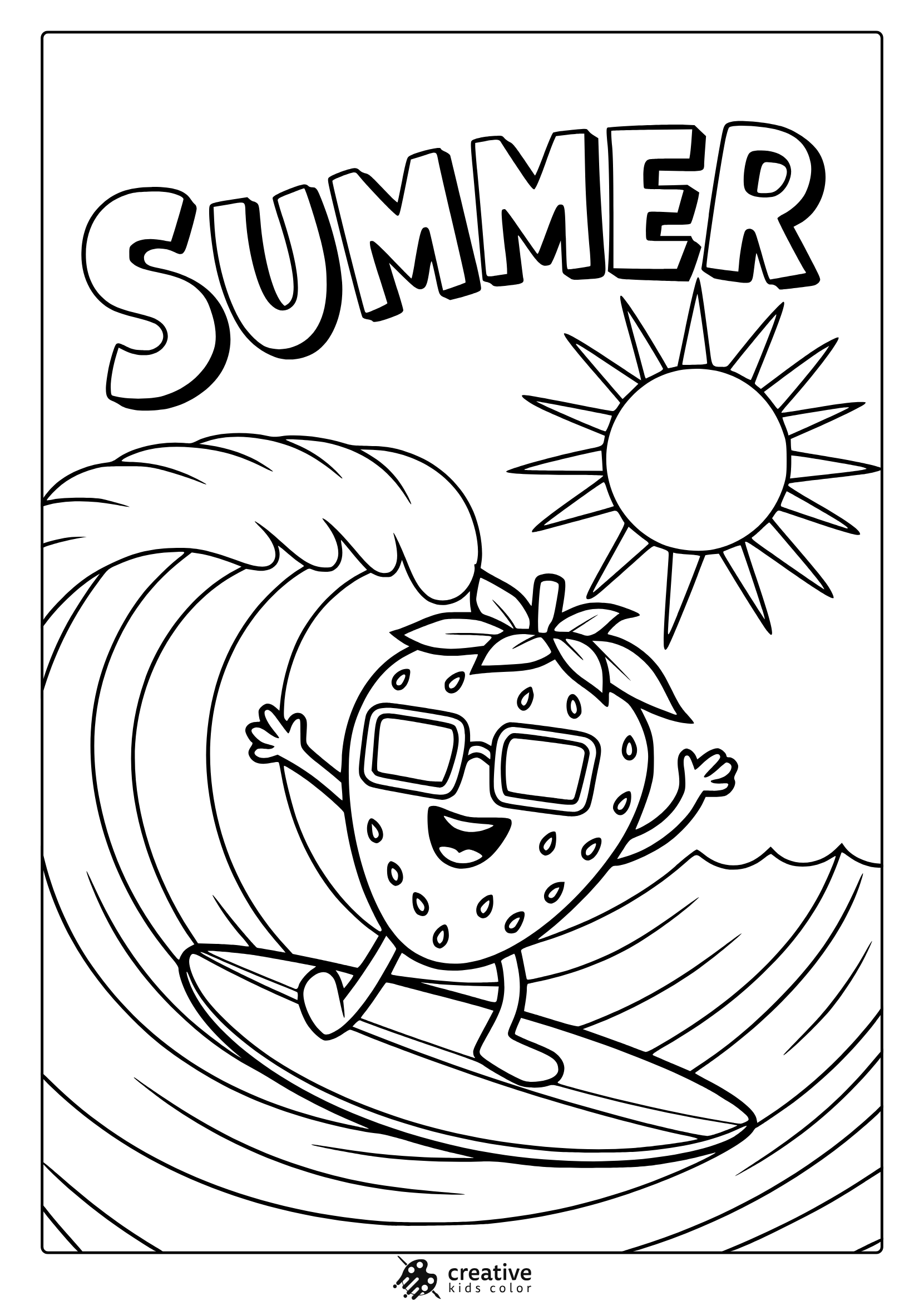
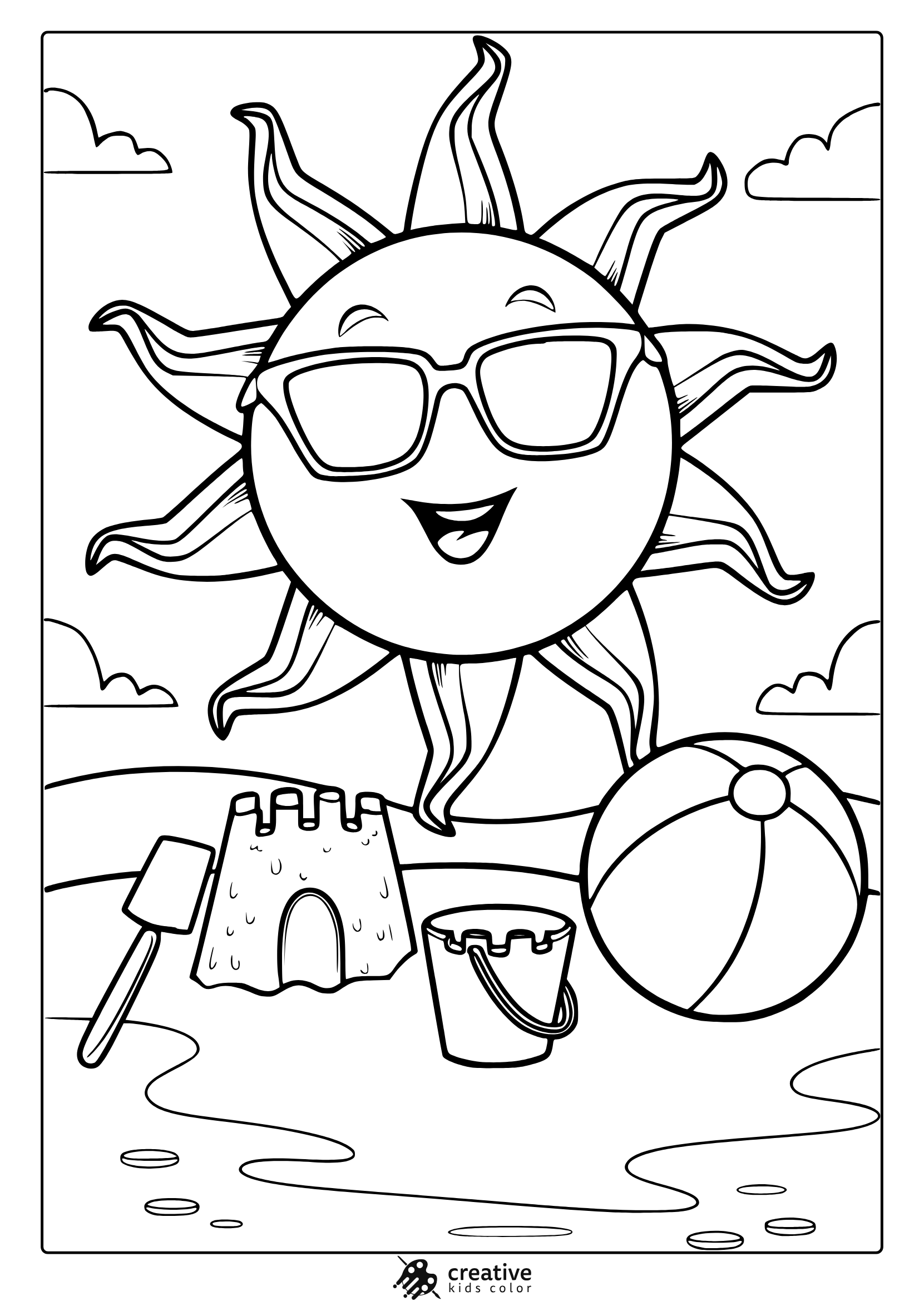
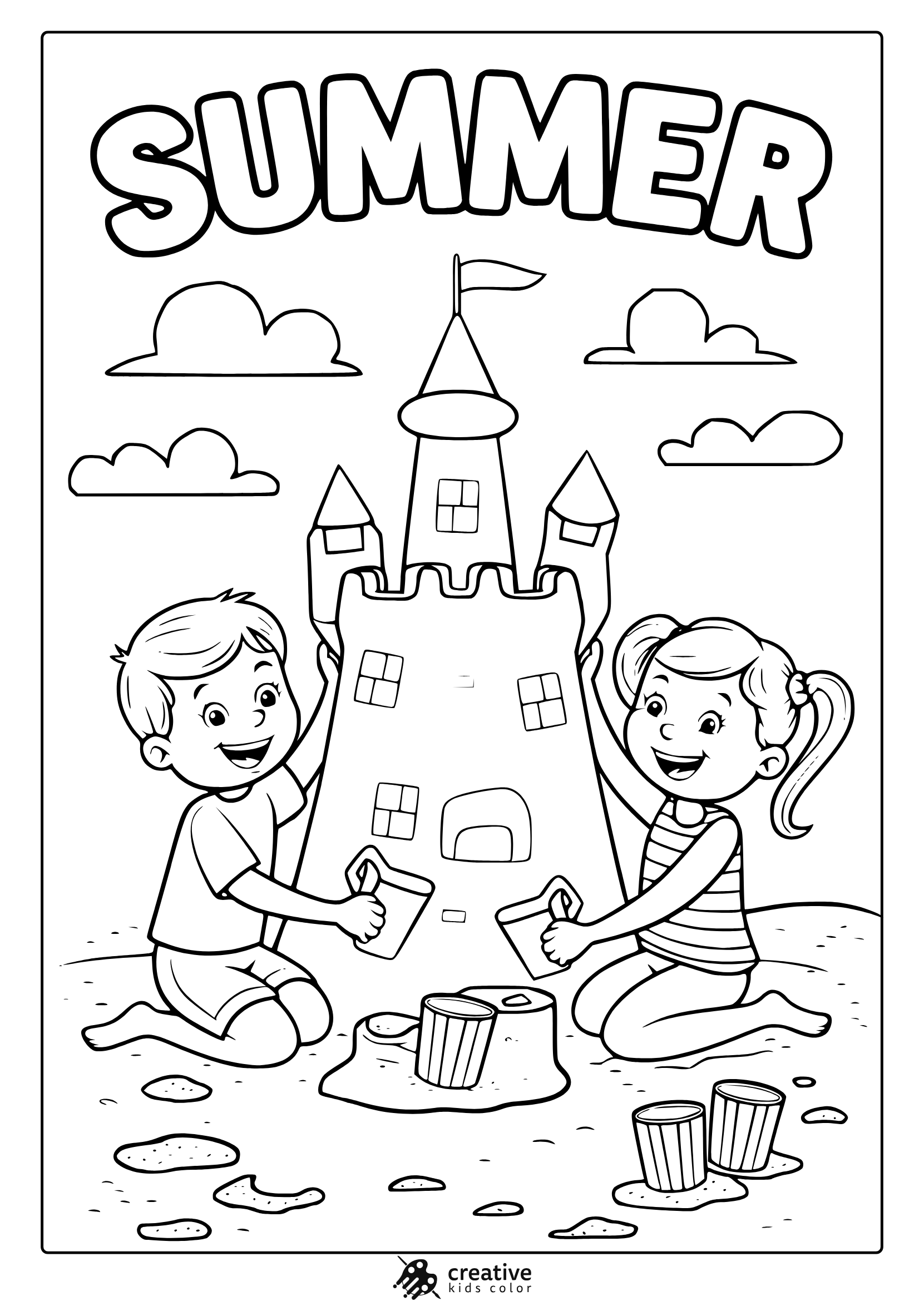
Seasonal summer fun coloring pages for kids function as targeted educational tools that combine creative artistic expression with foundational fine-motor skill acquisition. According to the National Association for the Education of Young Children (NAEYC), developmentally appropriate visual arts practices significantly enhance spatial awareness, hand-eye coordination, and pre-writing muscle strength in early childhood populations. By integrating thematic illustrations of suns, beaches, and outdoor adventures into daily schedules, educators and parents maintain cognitive engagement during transitional periods. These printable assets bridge the gap between recreational leisure and structured academic readiness, establishing an accessible foundation for preschool, kindergarten, and early elementary learners.
Curriculum Practice Snapshot:
- Core Focus: Utilizing thematic artwork templates to develop bilateral hand coordination and pencil grasp.
- Target Scope: Early childhood classrooms, summer camps, and homeschool environments supporting ages three through eight.
- Key Recommendation: Pair large-format outlines with varied tactile writing instruments to maximize wrist stabilization.
Core Principles and Detailed Overview
Fine-motor development relies heavily on repeated, controlled hand movements that strengthen the intrinsic muscles of the palm and fingers. Exploring thematic Coloring Pages allows young children to practice boundary containment, pressure regulation, and directional stroke control. Rather than serving as mere time-fillers, properly sequenced Worksheets featuring summer motifs provide structured opportunities for visual discrimination and sustained focus. Early childhood specialists recommend pairing these artistic templates with targeted Handwriting & Tracing components to reinforce letter formation and line control simultaneously. Educators often integrate these printables into broader Learning Activities to maintain academic momentum and prevent the seasonal learning loss often observed during extended school breaks.
Key Specifications and Breakdown
| Grade / Developmental Stage | Target Learning Skill | Instructional Strategy & Scaffolding |
|---|---|---|
| Preschool (Ages 3-4) | Pincer grasp development and large stroke boundary containment. | Use ultra-thick outlines, oversized shapes, and large crayons to encourage palmar-to-digital grip progression. |
| Kindergarten (Ages 5-6) | Wrist stabilization, color identification, and directional tracking. | Incorporate multi-element summer scenes requiring varied pressure control with colored pencils and washable markers. |
| Early Elementary (Ages 7-8) | Bilateral integration, shading technique, and narrative sequencing. | Pair intricate seasonal illustrations with short creative writing prompts to bridge art and literacy skills. |
Intentional engagement with foundational fine-motor activities during early childhood significantly accelerates spatial reasoning and writing readiness benchmarks — What Works Clearinghouse (IES). For more related activities, check out our Coloring Page Quail.
Printable Coloring Page Previews




Step-by-Step Practical Application and Guidelines
Implementing seasonal coloring resources effectively requires a deliberate three-step instructional sequence focused on preparation, execution, and reflection. First, select age-appropriate templates that match the current developmental tier of the child, ensuring line thickness and image complexity align with existing motor capabilities. Second, establish clear procedural expectations regarding tool selection, workspace organization, and purposeful coloring techniques such as directional