Introduction
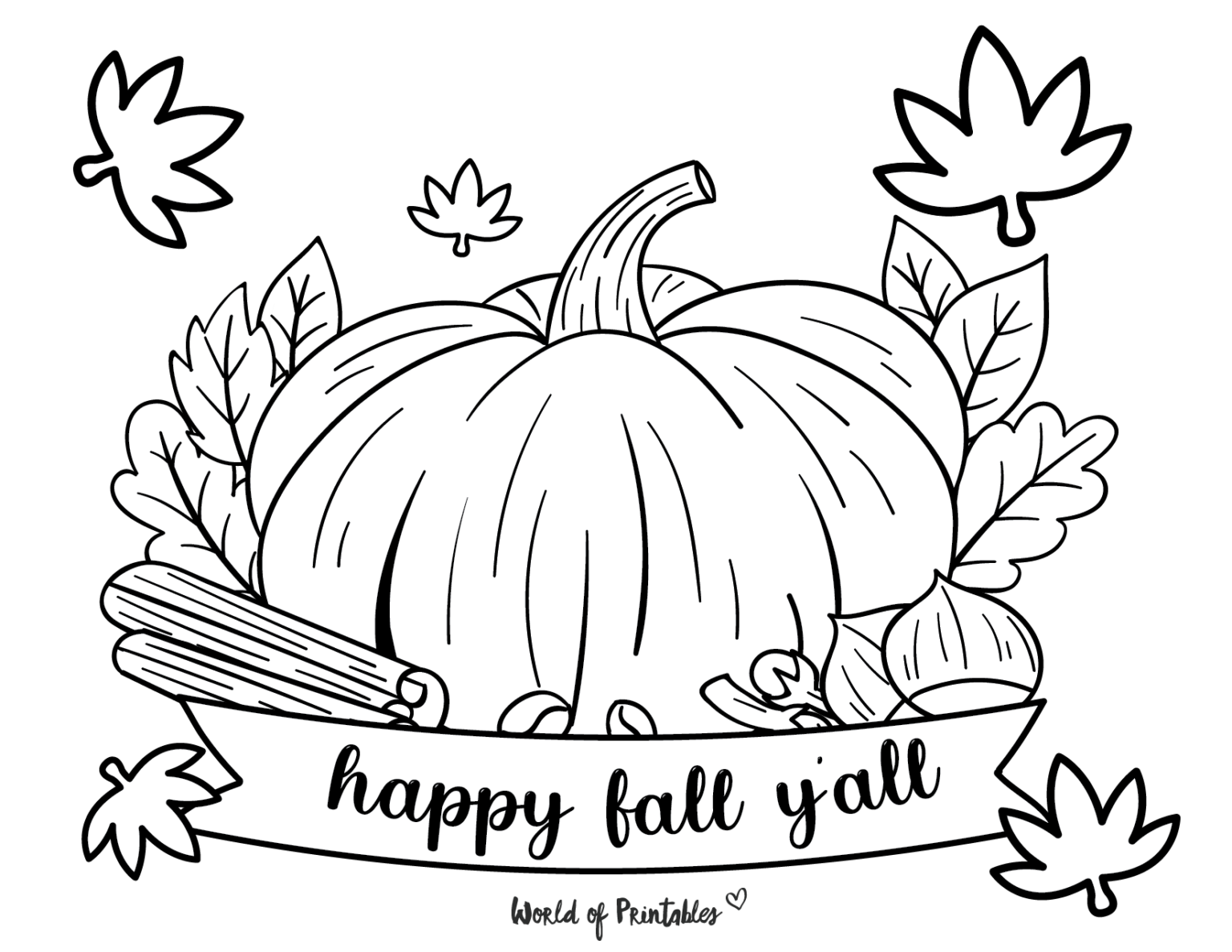
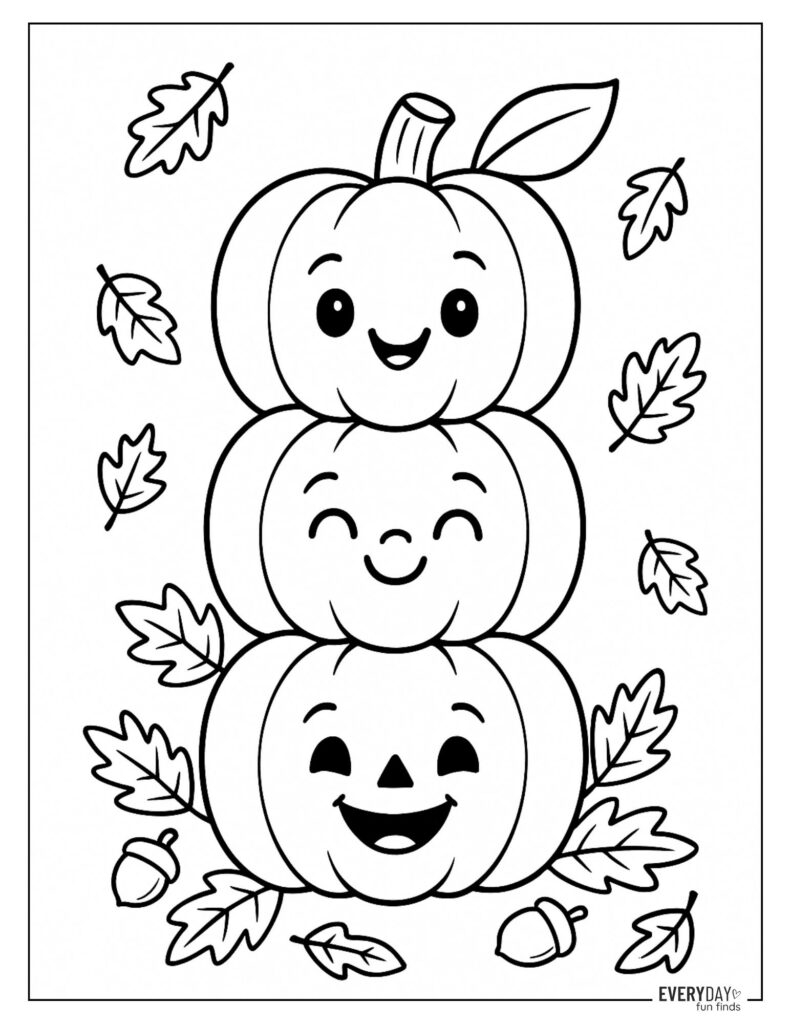
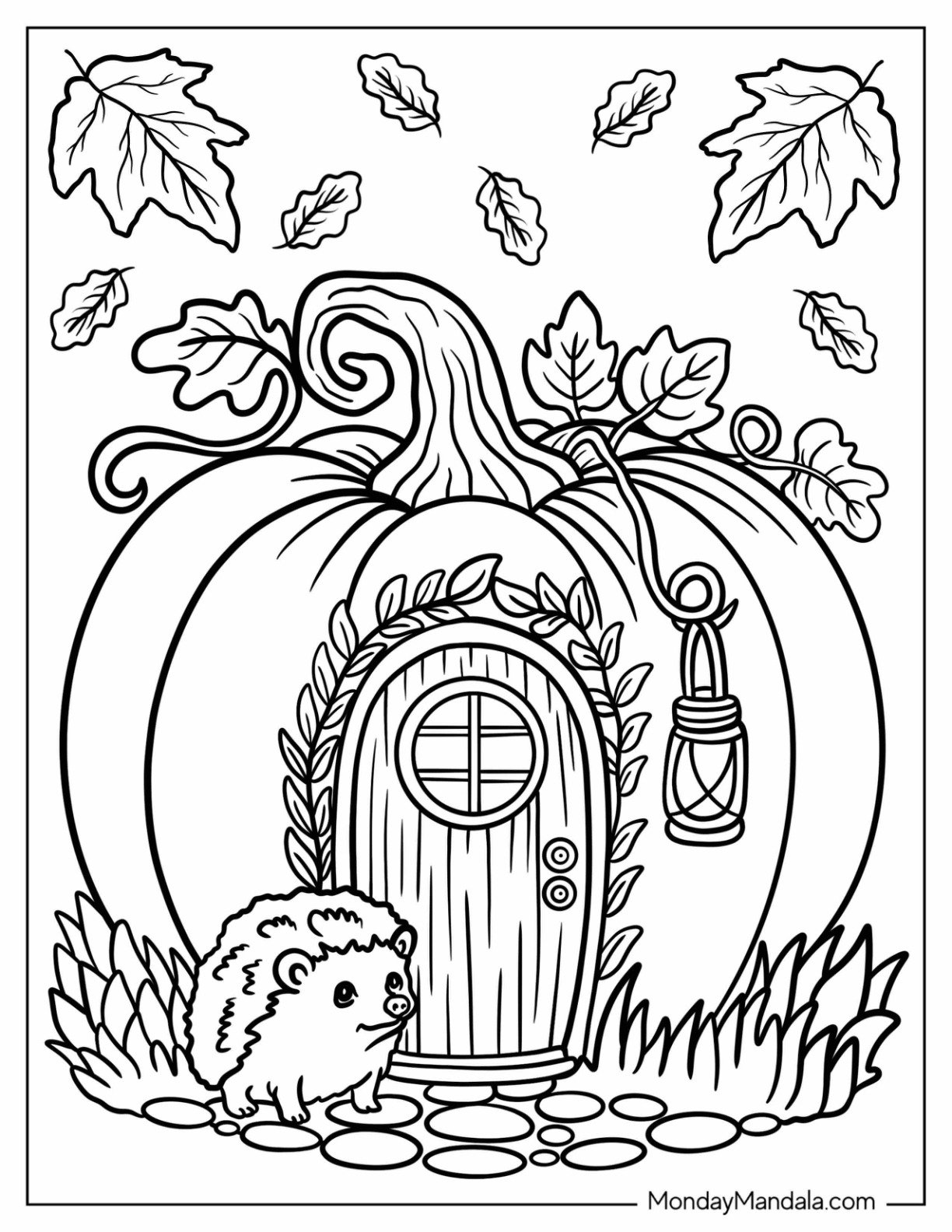
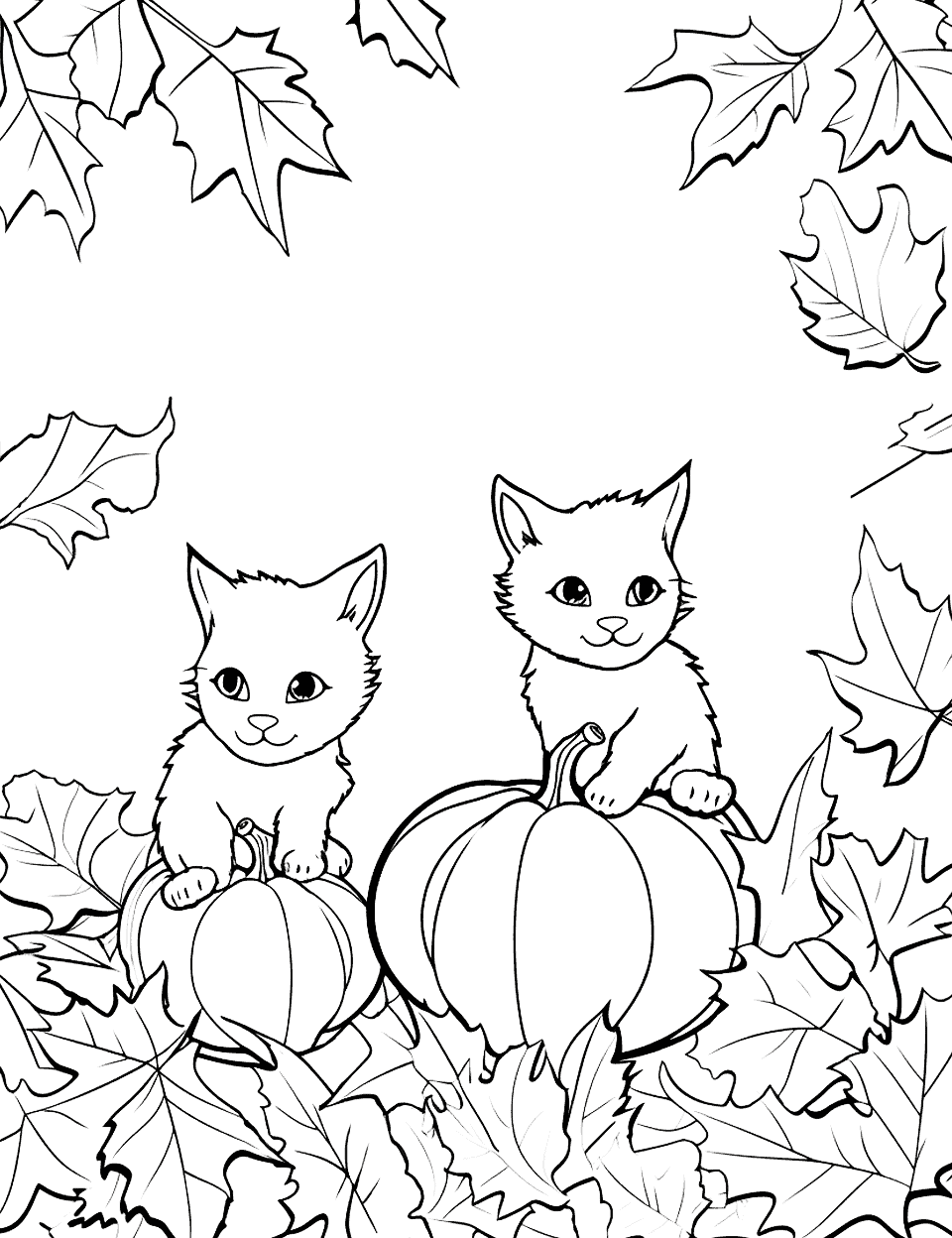
Coloring pages fall serve as structured, seasonal printables that systematically build early childhood motor control, spatial awareness, and cognitive development through themed artistic engagement. According to the National Association for the Education of Young Children (NAEYC), purposeful fine-motor activities integrated into thematic units provide foundational muscle strength necessary for future academic milestones like handwriting and utensil manipulation. Integrating seasonal motifs such as falling leaves, pumpkins, and harvest scenes captures children’s natural curiosity about changing outdoor environments while maintaining rigorous developmental standards. Educators utilize these targeted resources to transition children smoothly into structured seatwork, blending creative expression with deliberate pre-writing practice across diverse classroom settings. Exploring curated collections on Coloring Pages allows instructors to find appropriate seasonal assets tailored to specific age groups. Furthermore, pairing these printables with structured Worksheets enhances cross-curricular integration during autumn unit plans.
Curriculum Practice Snapshot:
- Core Focus: Seasonal fine-motor refinement and pre-writing pencil grip endurance.
- Target Scope: Pre-Kindergarten through Grade 2 early childhood learning environments.
- Key Recommendation: Pair thick-bordered autumn illustrations with explicit directional coloring constraints to maximize hand muscle engagement.
Core Principles and Detailed Overview
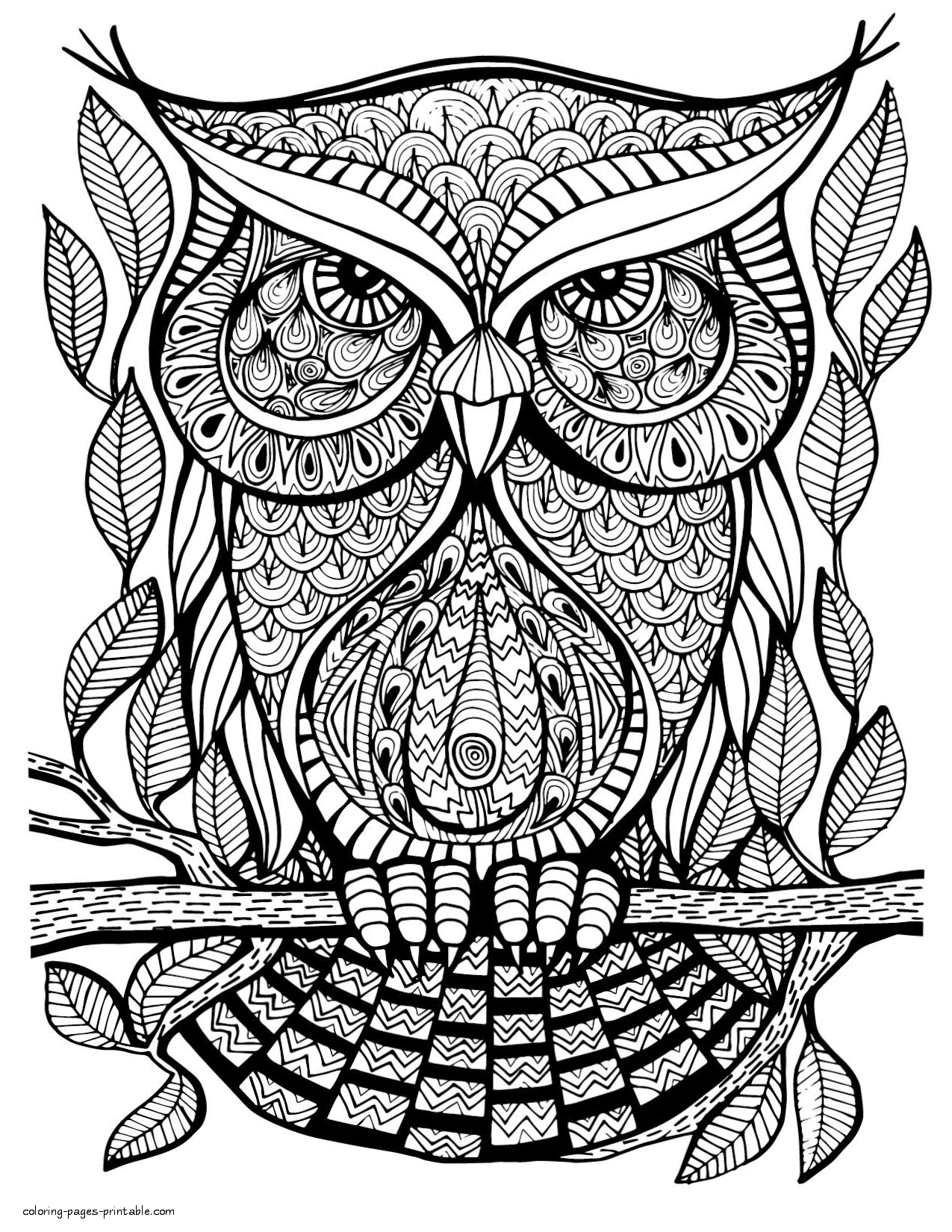
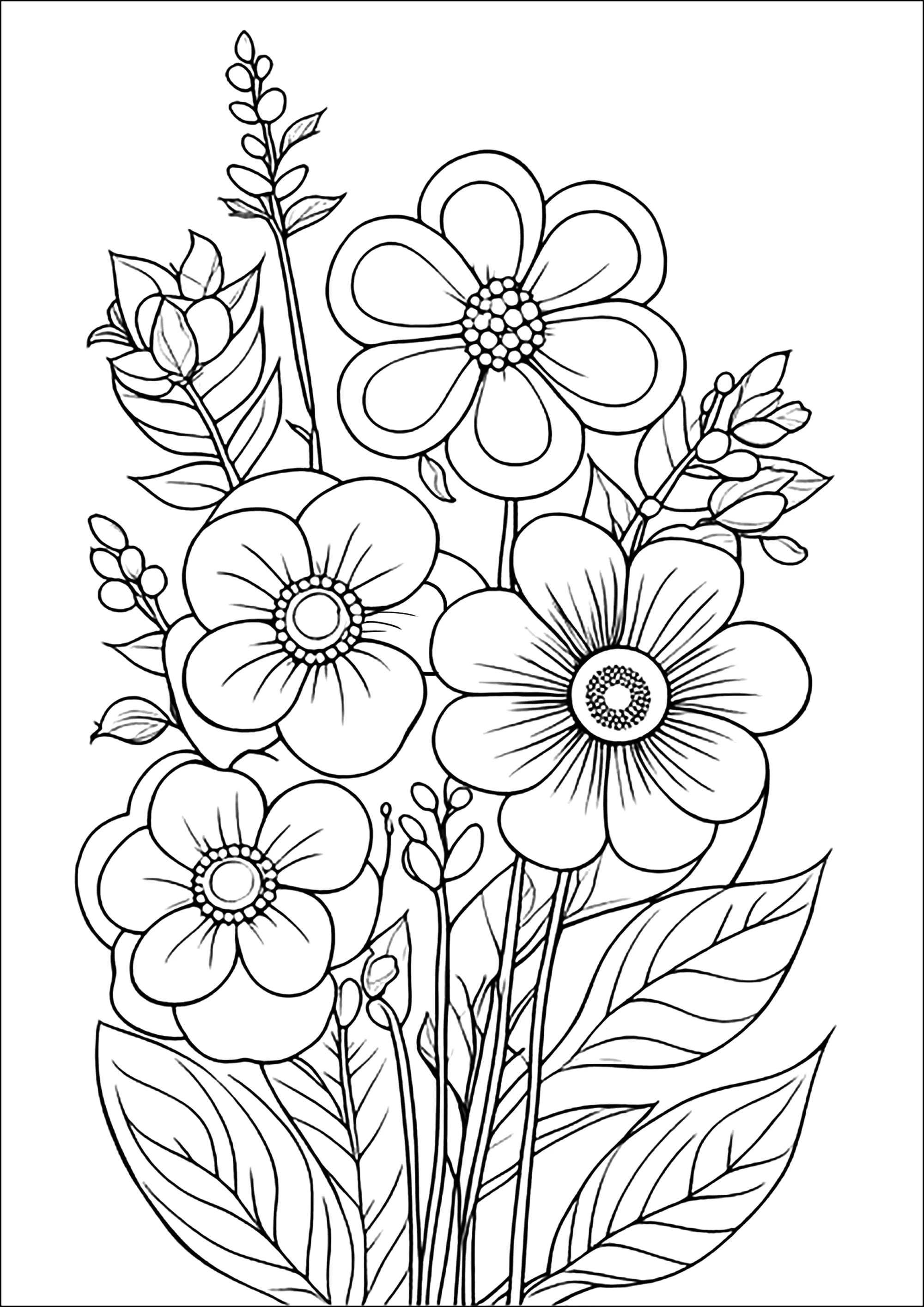
Fine-motor mastery during early childhood relies on the consistent execution of controlled small-muscle movements in the fingers, hands, and wrists. Coloring pages fall provide distinct geometric and organic boundaries that challenge young learners to stabilize their grip and regulate pressure application. When children navigate complex seasonal outlines—such as veined maple leaves or layered corn husks—they practice visual-motor integration, translating visual boundaries into physical hand adjustments. This intentional design prevents haphazard scribbling, replacing undirected motion with controlled strokes that map directly to proper letter formation. Standardizing these art integration exercises supports developmental benchmarks outlined in comprehensive Teacher Resources designed for early childhood educators.
Key Specifications and Breakdown
| Grade / Developmental Stage | Target Learning Skill | Instructional Strategy & Scaffolding |
|---|---|---|
| Pre-Kindergarten (Ages 3-4) | Pincer grasp development and boundary awareness | Utilize ultra-thick outlines (3pt+) with large, uncomplicated autumn shapes to prevent early frustration. |
| Kindergarten (Ages 5-6) | Wrist stability and directional shading control | Incorporate multi-element autumn scenes requiring deliberate color-blocking and pencil pressure variation. |
| First to Second Grade (Ages 6-8) | Bilateral hand coordination and detail stamina | Provide intricate mosaic autumn designs that require sustained focus and careful edge-line tracing. |
Systematic instructional interventions that integrate targeted fine-motor practice within thematic content yield measurable improvements in early manipulative dexterity and pencil control. — What Works Clearinghouse (IES)
Step-by-Step Practical Application and Guidelines
Successful implementation of autumn-themed coloring resources requires a deliberate three-step instructional sequence focused on preparation, guided execution, and extension. First, educators select printables matching the specific developmental motor stage of the student cohort, ensuring line weights and shape complexity align with current grasp capabilities. Second, instructors model proper pencil or crayon grip explicitly, demonstrating how stabilizing the non-dominant hand while coloring maintains sheet position and promotes bilateral coordination. Third, teachers extend the creative exercise by connecting the completed artwork to descriptive language activities, asking students to articulate color choices and seasonal observations verbally. Complementing this sequence with structured Handwriting & Tracing practice reinforces the fine-motor pathways established during the coloring session.
Common Challenges and How to Avoid Them
Over-reliance on unstructured coloring without explicit postural or grip correction frequently leads to ingrained awkward hand habits that impede later writing fluency. Educators prevent this by actively monitoring grip positioning during sheet completion, offering immediate, gentle redirection toward a functional tripod grasp whenever fisted grips emerge. Another common challenge involves selecting intricate seasonal designs that exceed a child’s current visual-motor capacity, resulting in task abandonment and diminished engagement. Addressing this requires careful differentiation, ensuring that younger learners receive simplified autumn shapes while advanced students tackle complex, detailed harvest patterns. Connecting these art tasks to broader thematic units through targeted Learning Activities ensures that fine-motor practice remains meaningful and intellectually stimulating.
💬 Frequently Asked Questions
Explore More Early Learning and Classroom Resources on Knowalla
Discovering high-value educational materials that seamlessly integrate creativity and foundational skill development transforms seasonal classroom planning into an effortless, highly rewarding experience. Educators and homeschooling families can access an extensive library of printable assets by visiting Knowalla to support young learners at every stage of their academic journey.
Printable Coloring Page Previews