Introduction
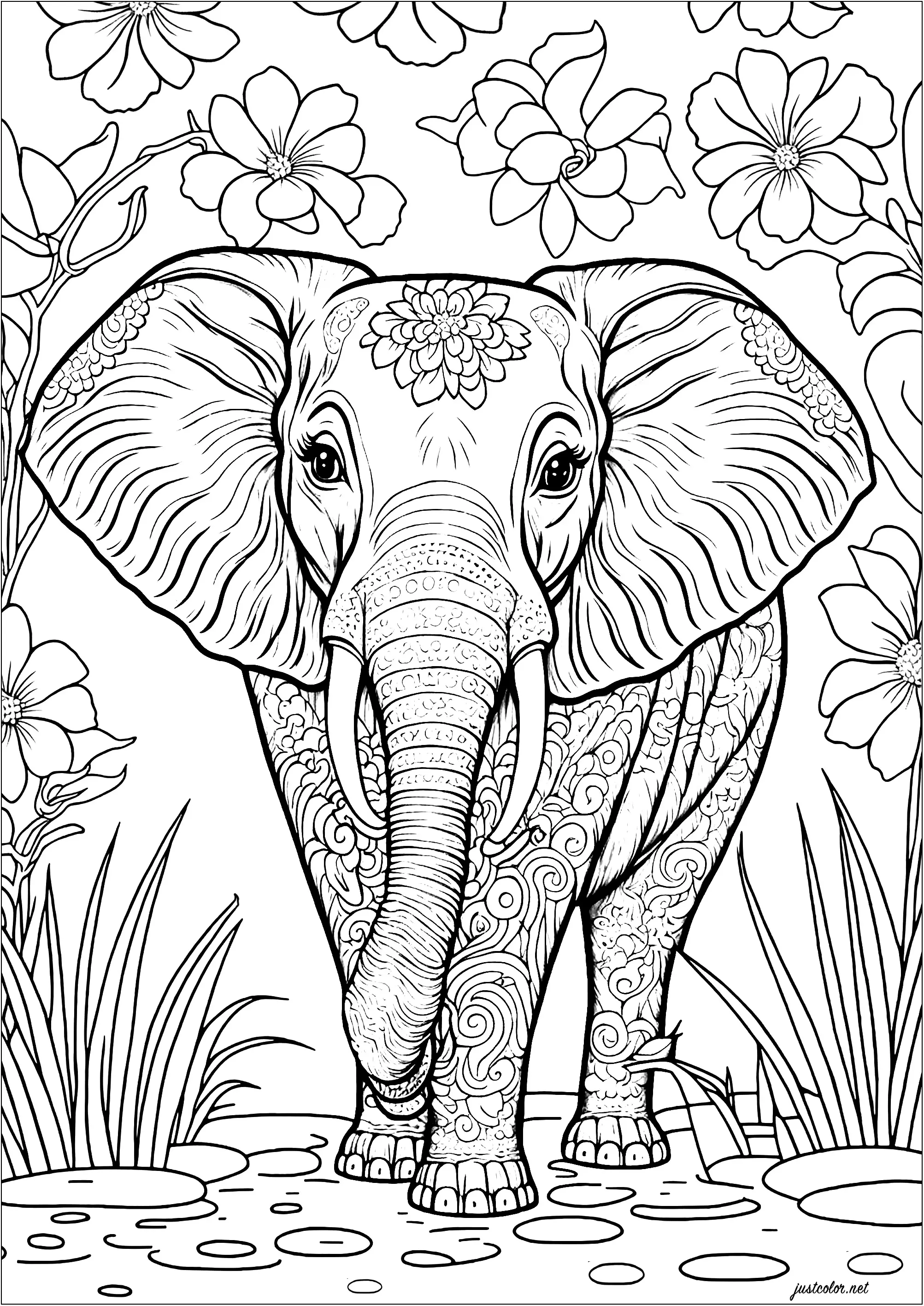
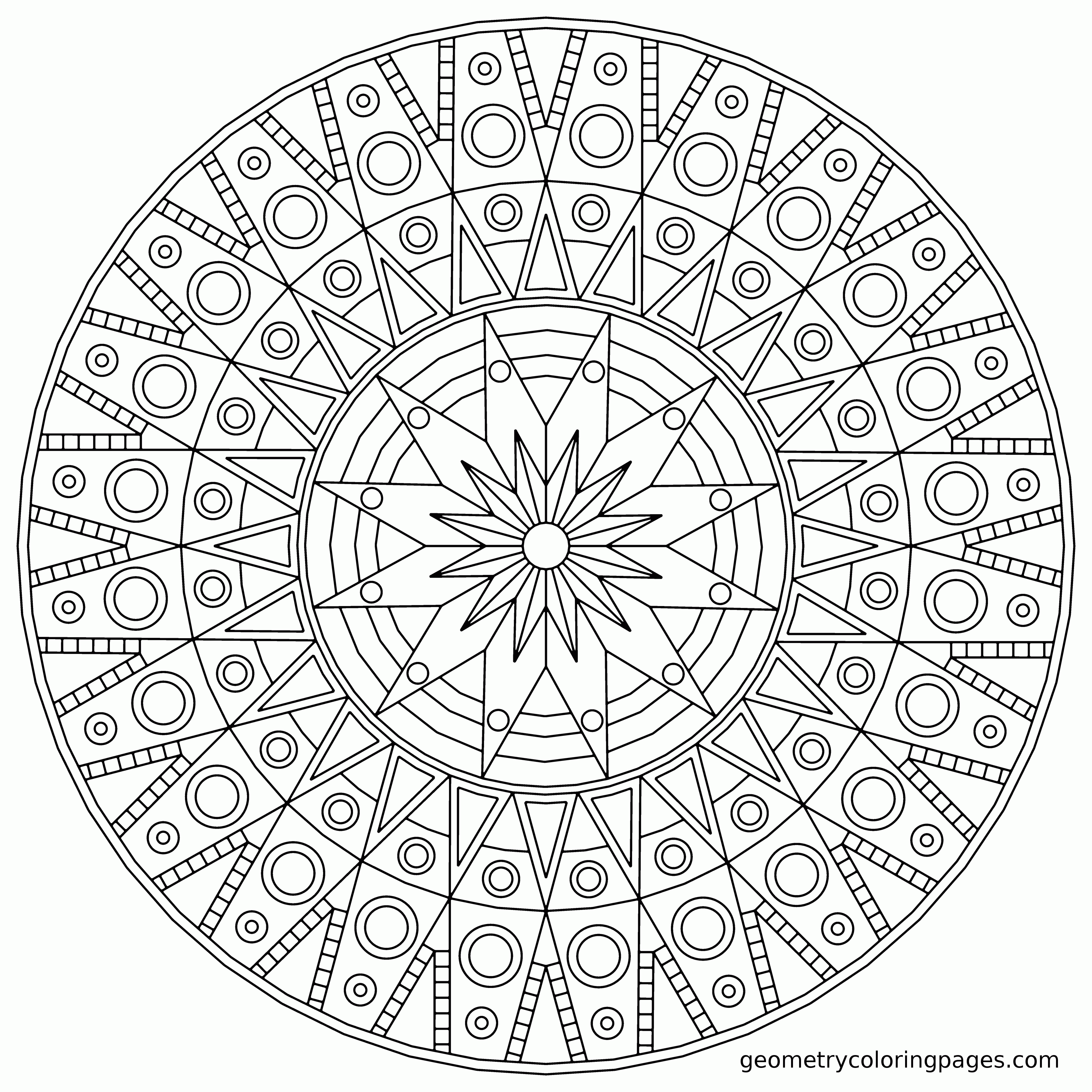
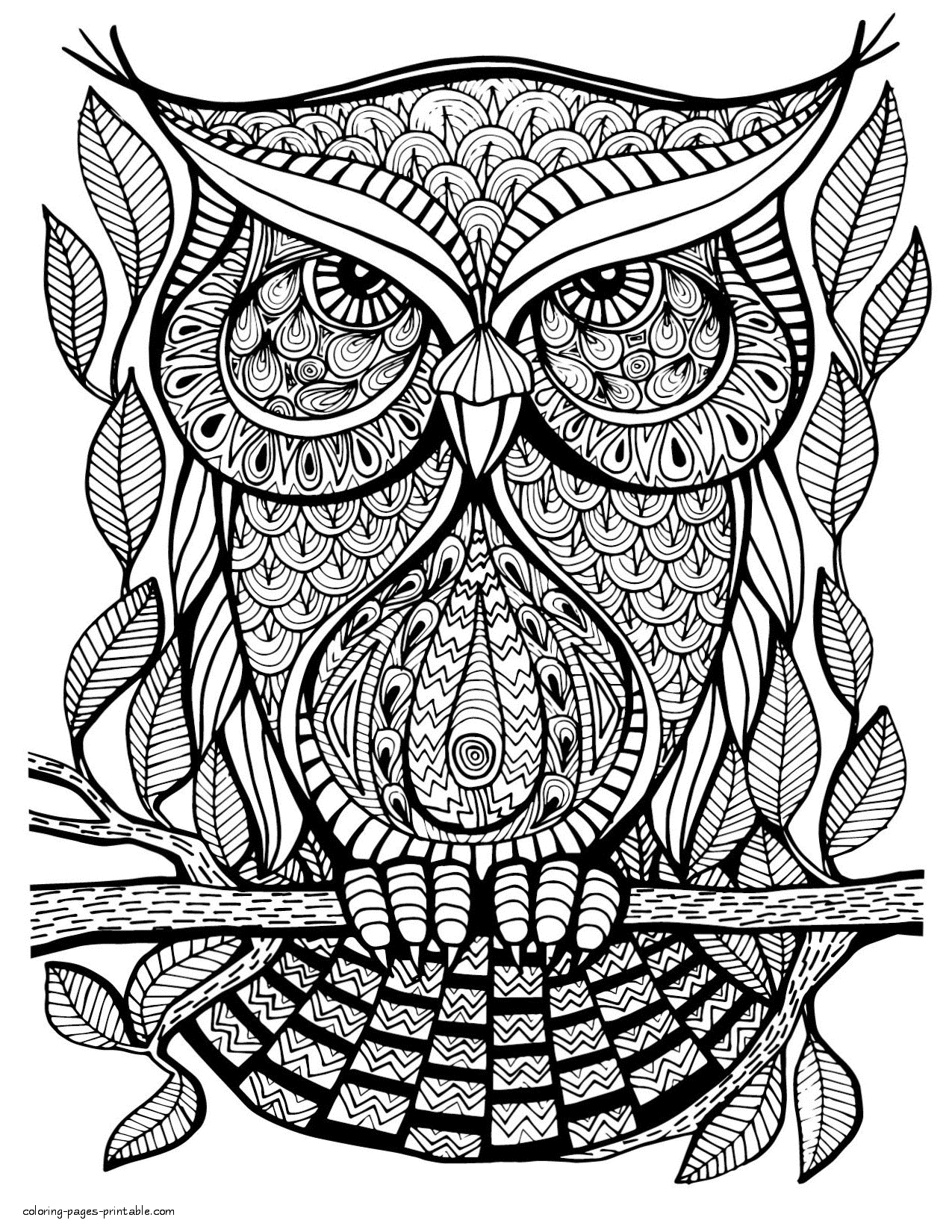
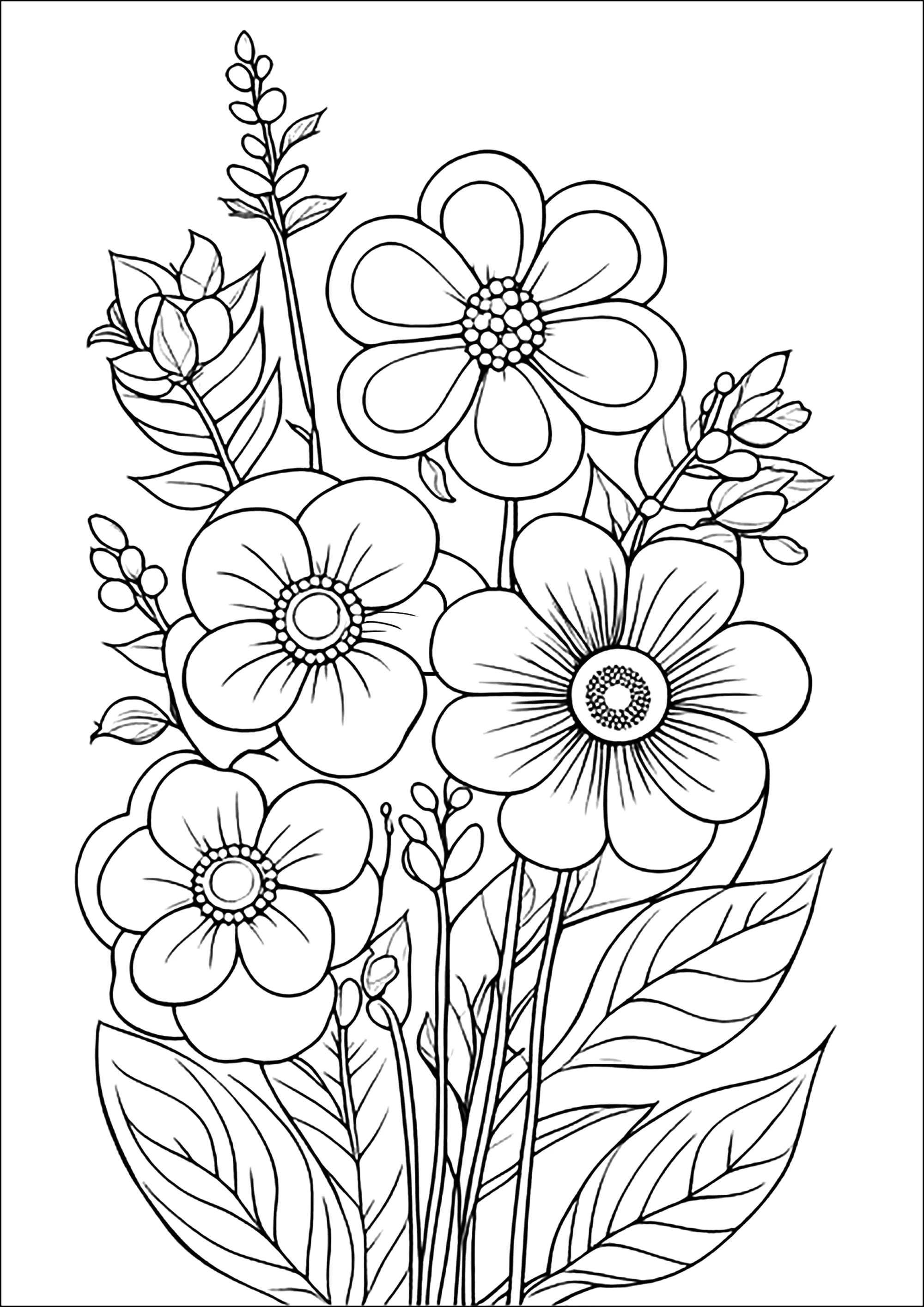
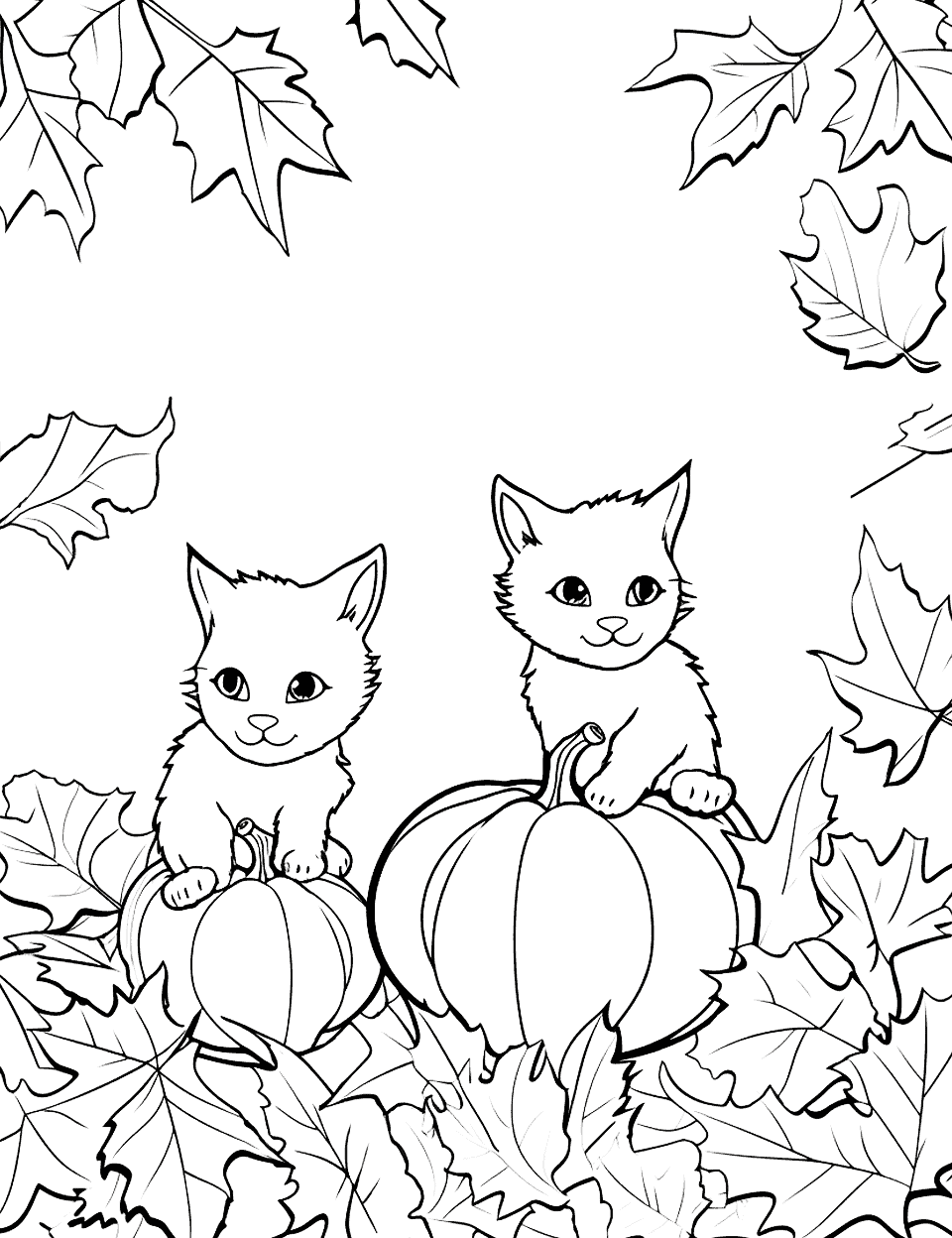
Complex printable coloring pages originally designed for mature audiences serve as a powerful pedagogical tool for fostering advanced fine-motor control, bilateral coordination, and sustained concentration in early childhood and elementary learning environments. According to the National Association for the Education of Young Children (NAEYC), intentional physical manipulation of intricate writing and artistic tools strengthens the small intrinsic muscles of the hand, which directly correlates with future handwriting fluency and spatial awareness. Educators and homeschool parents frequently search for coloring pages for adults pdf formats because these high-resolution geometric and botanical designs provide the dense, precise boundary lines necessary for refining pincer grasps and visual-motor integration. Integrating sophisticated graphic patterns into daily Learning Activities bridges the gap between recreational relaxation and targeted occupational skill-building for young learners.
Curriculum Practice Snapshot:
- Core Focus: Utilizing intricate printable coloring sheets to develop advanced hand dexterity and focus.
- Target Scope: Early childhood classrooms, special education OT interventions, and homeschool environments.
- Key Recommendation: Pair complex geometric sheets with specialized triangular grip pencils to maximize orthopedic hand placement.
Core Principles and Detailed Overview
High-density graphic design templates shift learner focus away from broad strokes toward micro-movements, requiring conscious adjustment of pressure, speed, and directional trajectory. When children or students engage with intricate patterns found in specialized printable packets, the brain must continuously process spatial boundaries and modulate wrist stability. This targeted physical exertion activates neural pathways responsible for impulse control and visual attention. Furthermore, incorporating structured Coloring Pages into daily centers supports self-regulation, allowing learners to decompress while simultaneously building endurance for rigorous academic Worksheets and written tasks. The digital nature of portable documents ensures instant access to standardized, high-contrast visual materials tailored to specific developmental thresholds without requiring specialized artistic textbooks.
Key Specifications and Breakdown
| Grade / Developmental Stage | Target Learning Skill | Instructional Strategy & Scaffolding |
|---|---|---|
| Early Elementary (Grades K-1) | Visual boundary containment and basic pincer grasp endurance | Select patterns featuring wider line widths and distinct geometric sectors to prevent hand fatigue. |
| Upper Elementary (Grades 2-3) | Bilateral hand coordination and sustained task persistence | Introduce mandalas and tessellations, encouraging deliberate color-pattern sequences to build cognitive tracking. |
| Special Education / Intervention | Fine-motor muscle strengthening and sensory self-regulation | Pair high-contrast architectural printables with textured writing instruments to enhance proprioceptive feedback. |
Targeted fine-motor skill interventions embedded within structured visual arts activities demonstrate measurable improvements in classroom focus and pencil grip stability — National Center for Education Statistics (NCES)
Step-by-Step Practical Application and Guidelines
Implementing complex printable visual exercises successfully requires a structured, multi-phase instructional framework that prioritizes technique over completion speed. First, select an appropriate geometric or botanical PDF layout that matches the current motor skill level of the learner, avoiding designs that induce immediate frustration due to excessive micro-details. Second, prepare the physical workspace by ensuring proper ergonomic seating, adequate downward lighting, and the provision of sharp-tipped colored pencils or ultra-fine markers rather than thick crayons that obscure intricate boundary lines. Third, model intentional stroke techniques, emphasizing how to rotate the non-dominant stabilizing hand to maintain optimal wrist angles. Finally, integrate these sessions into regular transitions or quiet-focus blocks, reinforcing the connection between steady physical control and academic readiness through targeted Handwriting & Tracing exercises.
Common Challenges and How to Avoid Them
Hand fatigue and frustration represent the primary obstacles when introducing high-density visual patterns to young or developing learners who lack established muscular endurance. Educators can prevent physical strain by strictly limiting initial sessions to short, ten-minute intervals and gradually increasing duration as hand strength improves. Another frequent misstep involves using dull or overly thick writing instruments that prevent accurate line containment, thereby defeating the primary ergonomic purpose of the activity. Providing precise, pressure-resistant colored pencils alongside high-weight paper ensures clean execution and eliminates the discouragement caused by torn or smudged pages.
💬 Frequently Asked Questions
Explore More Early Learning and Classroom Resources on Knowalla
Educators, homeschooling parents, and instructional specialists seeking to expand their physical and digital toolkit can explore a wide variety of printable assets designed to enhance student engagement and foundational skill acquisition. Discover comprehensive Teacher Resources, targeted practice drills, and creative learning materials across the entire platform to support holistic childhood development on Knowalla.
Printable Coloring Page Previews