Introduction
Coloring pages for adults serve as valuable pedagogical tools in educational settings by reducing educator burnout, modeling emotional regulation, and fostering a calm classroom environment. According to the National Association for the Education of Young Children (NAEYC), intentional teacher self-care practices directly correlate with positive classroom climate and enhanced student engagement. Integrating complex artistic designs into teacher relaxation routines provides a necessary cognitive break, ensuring educators remain centered and responsive during intensive instructional periods. Furthermore, deploying advanced design sheets alongside student Coloring Pages establishes shared mindfulness periods, promoting synchronous focus and community wellness.
Curriculum Practice Snapshot:
- Core Focus: Utilizing intricate coloring templates for adult stress reduction, emotional modeling, and mindfulness facilitation.
- Target Scope: Educators, homeschool parents, and school support staff managing high-stress learning environments.
- Key Recommendation: Allocate ten dedicated daily minutes for guided adult artistic focus alongside student independent work blocks.
Core Principles and Detailed Overview
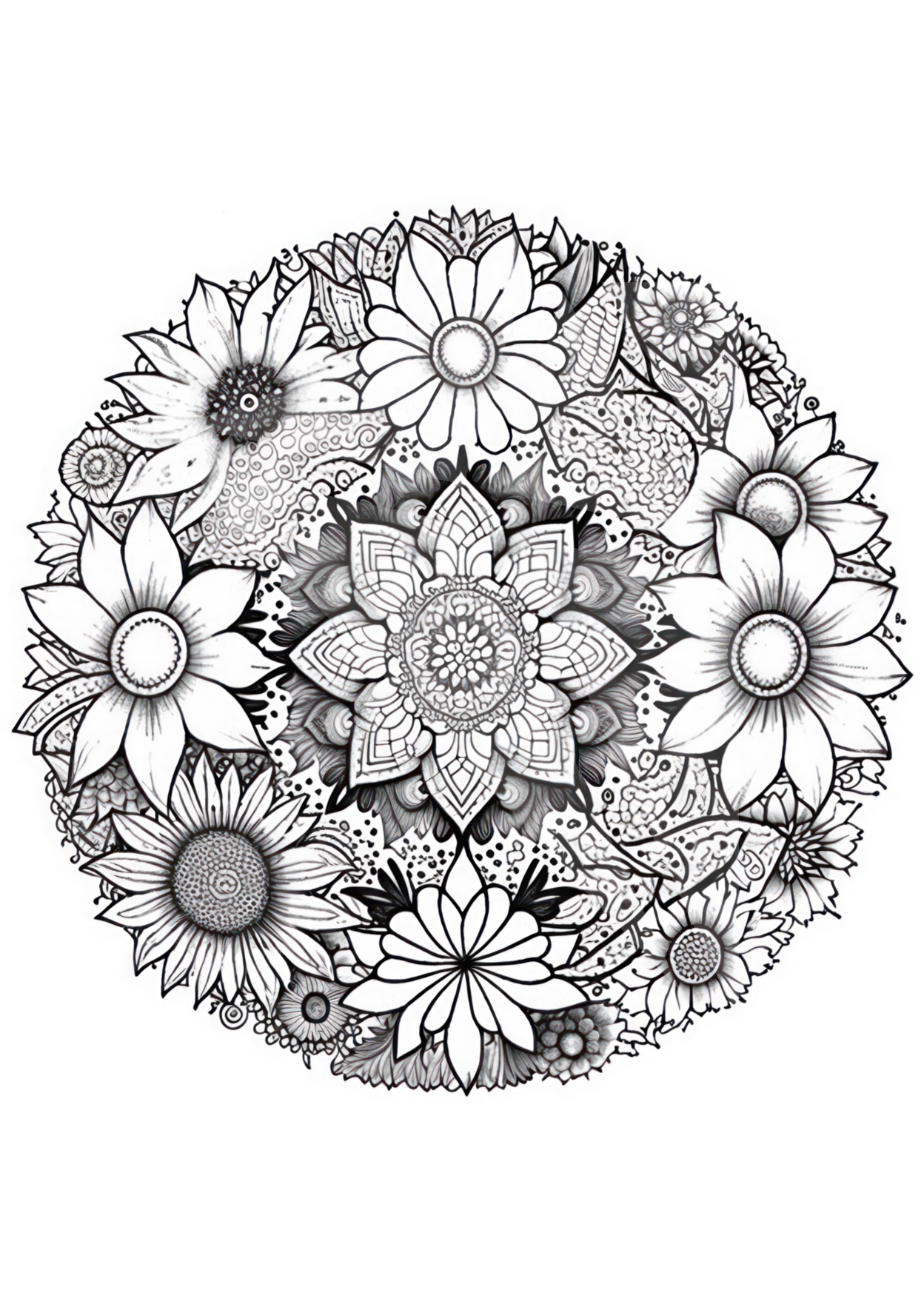
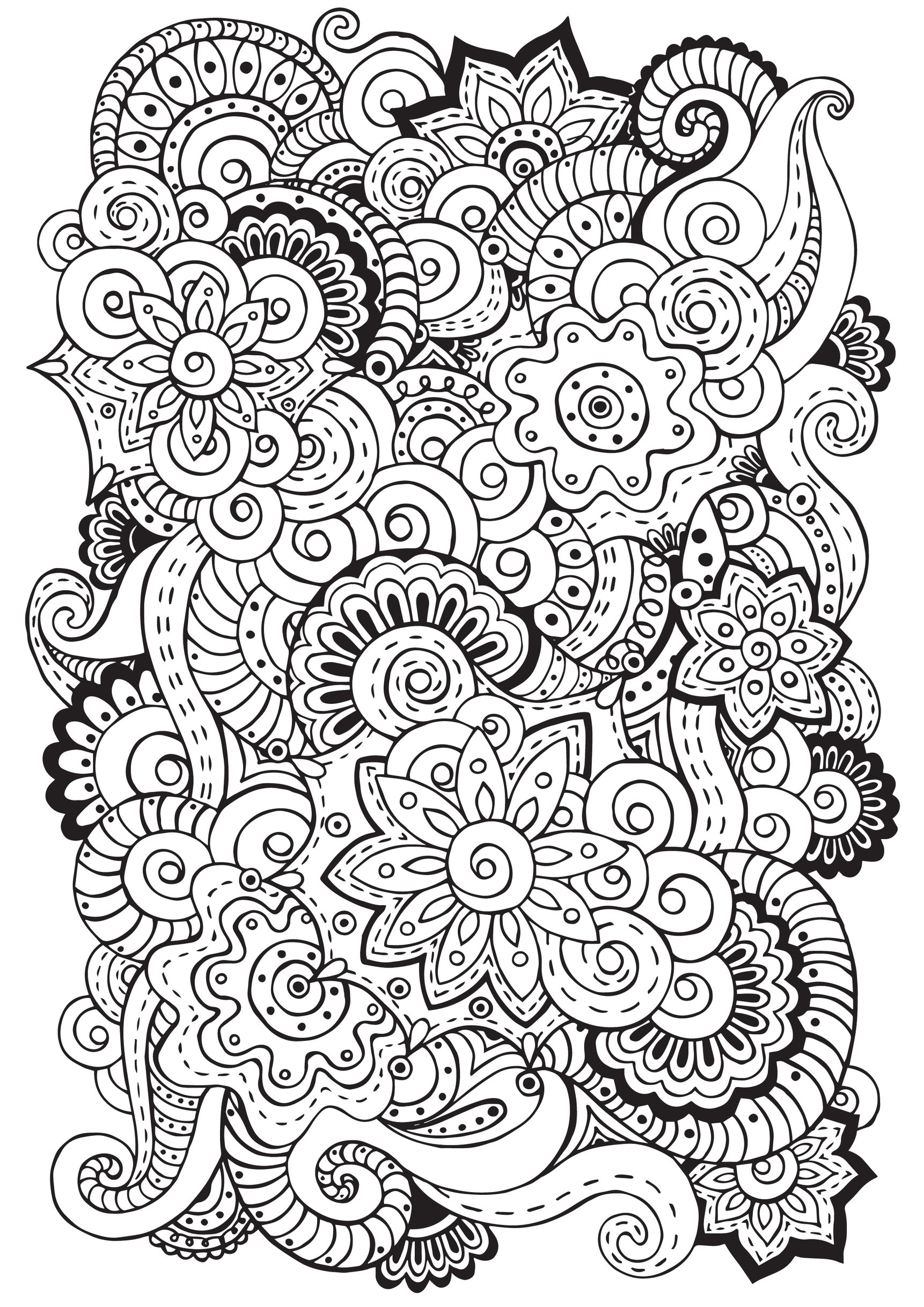
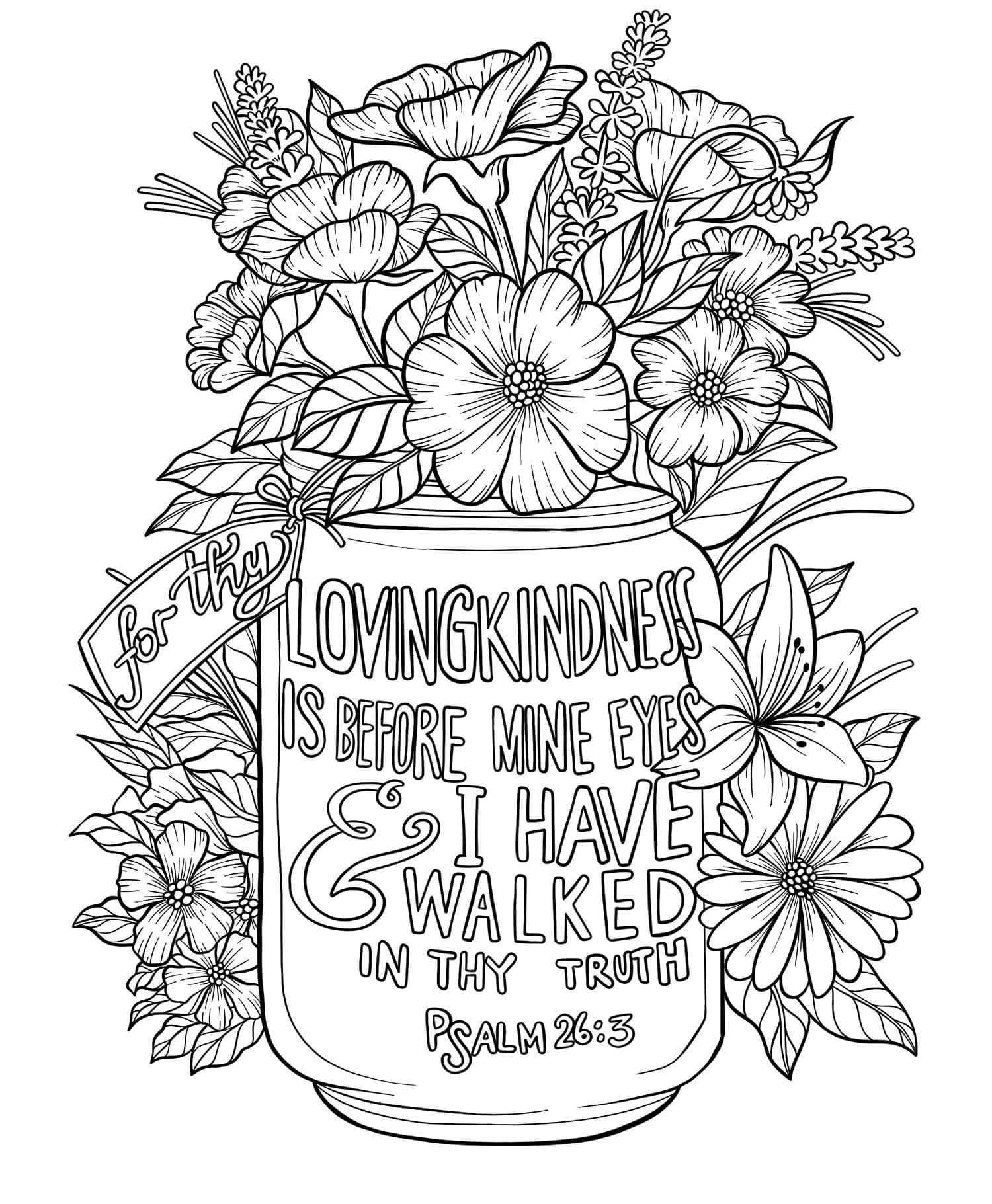
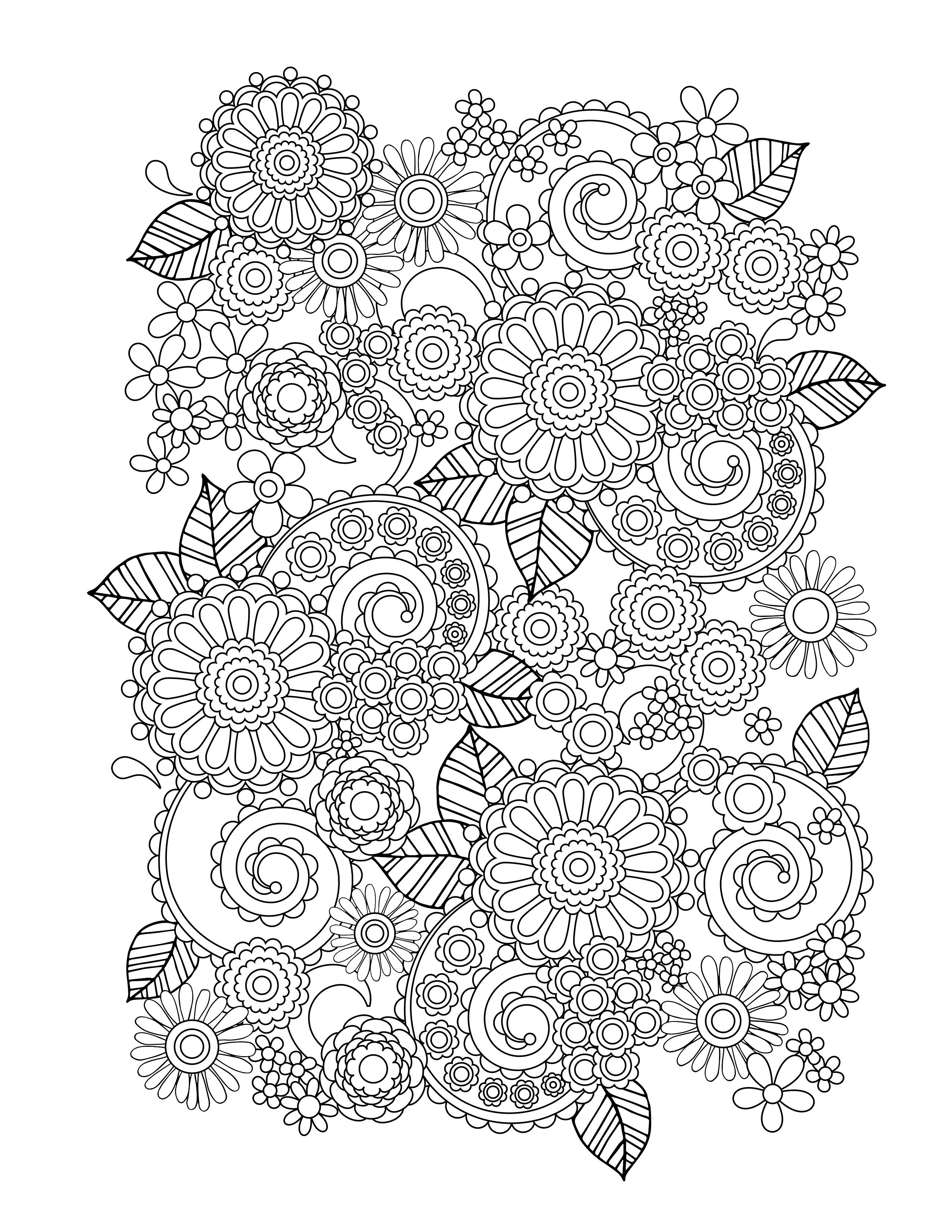
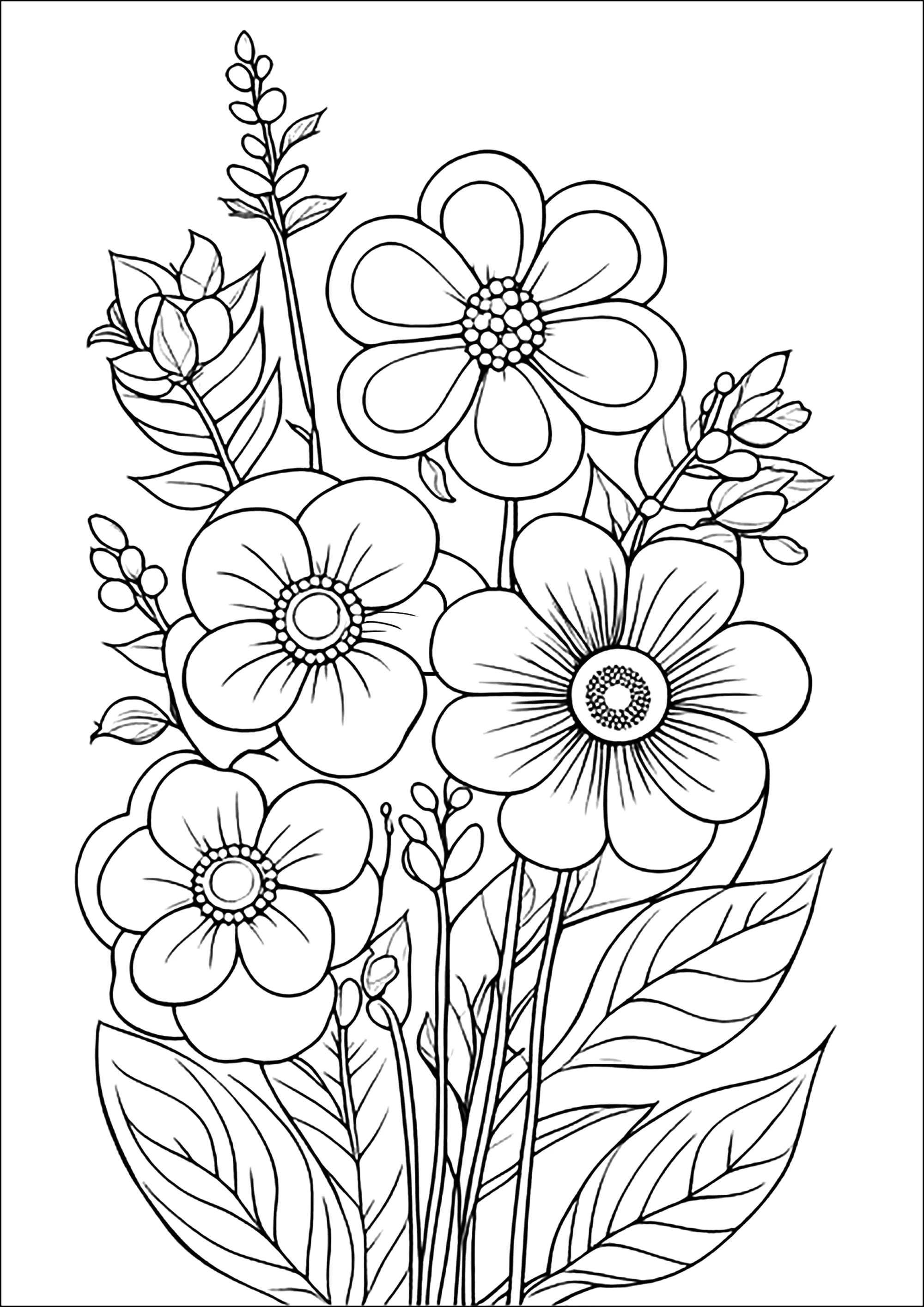
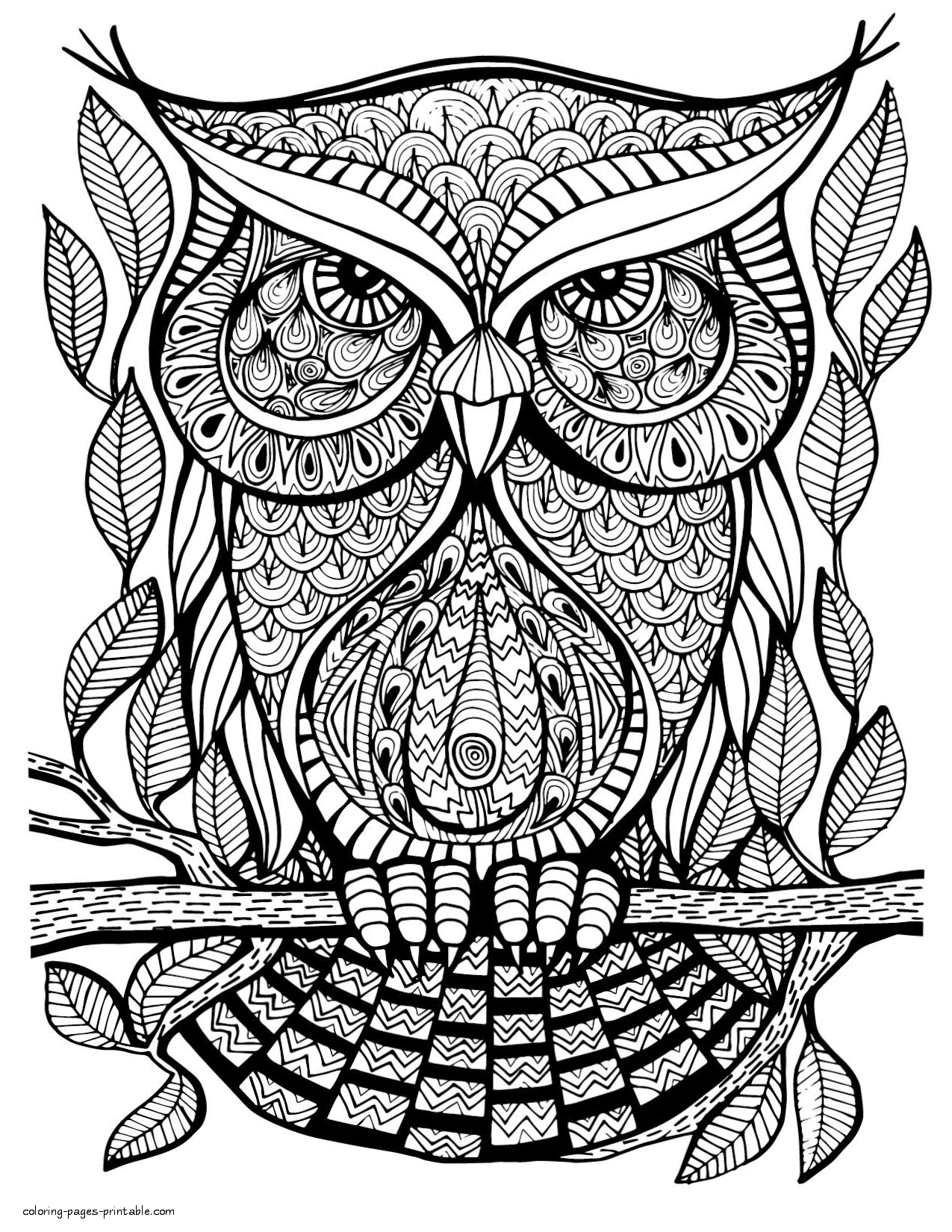
Adult coloring sheets function through repetitive motion and intricate geometric patterns that activate the default mode network of the brain, inducing a meditative state. Unlike children’s simple outlines, adult designs incorporate mandalas, botanical illustrations, and complex tessellations that require sustained visual-spatial attention. This sustained focus lowers cortisol levels and interrupts cyclical anxiety patterns, supporting optimal mental health for professionals navigating demanding pedagogical schedules. Educators frequently integrate these printable resources into professional development workshops, staff meeting warm-ups, and transition periods to establish intentional pauses. Complementing these relaxation sheets with structured Handwriting & Tracing practice builds a comprehensive portfolio of fine-motor and cognitive wellness materials for the entire learning community.
Key Specifications and Breakdown
| Grade / Developmental Stage | Target Learning Skill | Instructional Strategy & Scaffolding |
|---|---|---|
| Adult Educator / Staff | Stress mitigation, emotional regulation, and mindfulness | Incorporate ten-minute silent coloring sessions prior to rigorous curriculum planning meetings. |
| Upper Elementary Mentors | Bilateral coordination, patience, and parallel focus modeling | Model deliberate artistic pacing while students complete independent Worksheets. |
| Early Childhood Facilitators | Fine-motor endurance, spatial planning, and stamina | Utilize medium-complexity geometric patterns to build hand strength alongside Learning Activities. |
Educator wellness initiatives and environmental modifications significantly reduce occupational stress and improve instructional patience across early childhood settings — National Center for Education Statistics (NCES)
Step-by-Step Practical Application and Guidelines
Implementing adult artistic templates effectively requires establishing clear boundaries, procuring specialized media, and setting predictable scheduling routines. First, curate a collection of high-resolution geometric and botanical printables, storing them alongside professional Teacher Resources for easy daily access. Second, invest in quality dual-tip markers, fine-liner pens, or artist-grade colored pencils to enhance the tactile experience and prevent paper bleed-through. Third, designate a specific time block, such as the period immediately following student dismissal or during planning periods, to engage in uninterrupted coloring as a cognitive reset.
Common Challenges and How to Avoid Them
Perceiving adult artistic activities as unproductive or frivolous represents the primary obstacle educators face when attempting to prioritize personal mental health. Overcoming this misconception involves reframing mindfulness exercises as critical professional maintenance rather than leisure, ensuring teachers remain emotionally equipped for classroom management. Another common pitfall is selecting designs that are excessively intricate, which can inadvertently induce frustration rather than relaxation; balancing intricate patterns with flowing mandalas prevents cognitive fatigue. Educators must also protect these scheduled mindfulness windows from administrative creep, treating self-care sessions with the same urgency as lesson delivery.
💬 Frequently Asked Questions
Explore More Early Learning and Classroom Resources on Knowalla
Discover an extensive digital library designed to support academic excellence, educator wellness, and student skill development by visiting Knowalla today. Access thousands of printable assets, curriculum guides, and targeted skill builders tailored for modern educational environments.
Printable Coloring Page Previews