Introduction
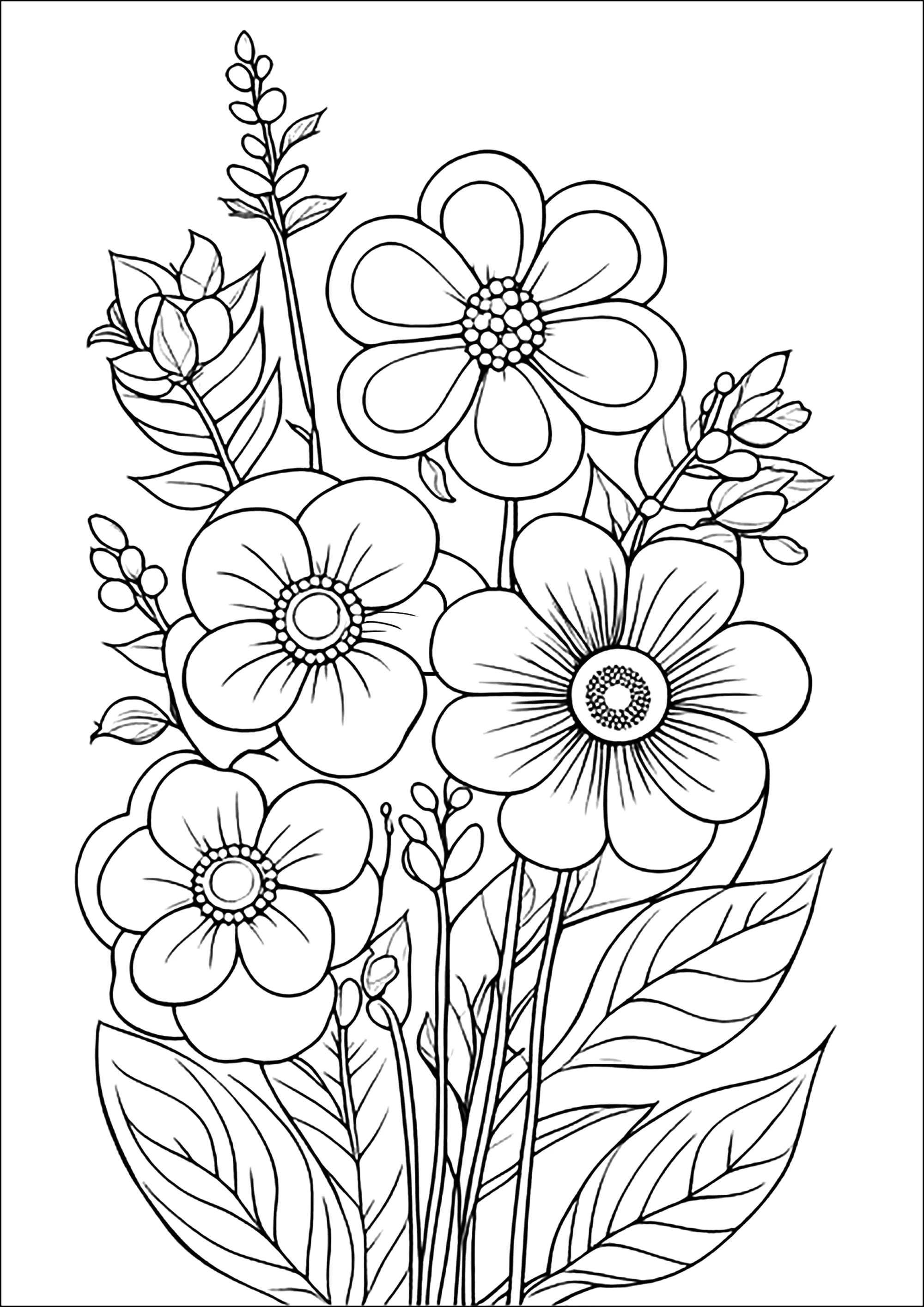
Coloring pages flowers serve as structured visual templates that enhance fine-motor control, hand-eye coordination, and early botanical vocabulary in primary classrooms. According to the National Association for the Education of Young Children (NAEYC), purposeful manipulation of drawing and coloring tools builds the intrinsic muscle strength required for advanced academic writing and manipulative tasks. Integrating targeted Coloring Pages into daily centers bridges creative expression with foundational skill acquisition. Furthermore, educators utilize printable botanical outlines to support cross-curricular units connecting art, nature studies, and sequential patterns. Accessing these versatile printables via Worksheets ensures children receive consistent practice aligned with early childhood developmental milestones.
Curriculum Practice Snapshot:
- Core Focus: Botanical-themed coloring sheets optimized for motor control and early science integration.
- Target Scope: Pre-K through Grade 2 classrooms, special education, and homeschool environments.
- Key Recommendation: Pair botanical coloring sheets with tactile tracing tasks to maximize bilateral hand coordination.
Core Principles and Detailed Overview
Botanical coloring sheets function as targeted instructional tools that develop pencil grip mechanics, spatial awareness, and sustained attention span in young learners. Direct engagement with structured outlines requires students to navigate complex curves, sharp angles, and bounded regions, which directly reinforces visual-motor integration. As learners select hues and negotiate borders, cognitive processing pathways strengthen. Educators frequently combine these visual arts tasks with systematic Handwriting & Tracing exercises to reinforce proper pencil pressure, stroke fluidity, and directional tracking. This multi-layered approach ensures that creative recreational time doubles as targeted foundational skill development.
Key Specifications and Breakdown
| Grade / Developmental Stage | Target Learning Skill | Instructional Strategy & Scaffolding |
|---|---|---|
| Pre-Kindergarten (Ages 3-4) | Pincer grasp and boundary containment | Provide thick, bold-lined outlines featuring large floral shapes to minimize frustration and build stamina. |
| Kindergarten (Ages 5-6) | Color differentiation and fine-motor precision | Introduce multi-petal flower designs paired with color-coding keys or pattern sequences. |
| Early Elementary (Ages 7-8) | Anatomical labeling and spatial planning | Utilize detailed botanical illustrations requiring shaded gradients and scientific labeling of stems, leaves, and petals. |
Systematic motor-skill interventions delivered through structured visual templates demonstrate measurable improvements in early student pencil control and graphomotor output — National Center for Education Statistics (NCES)
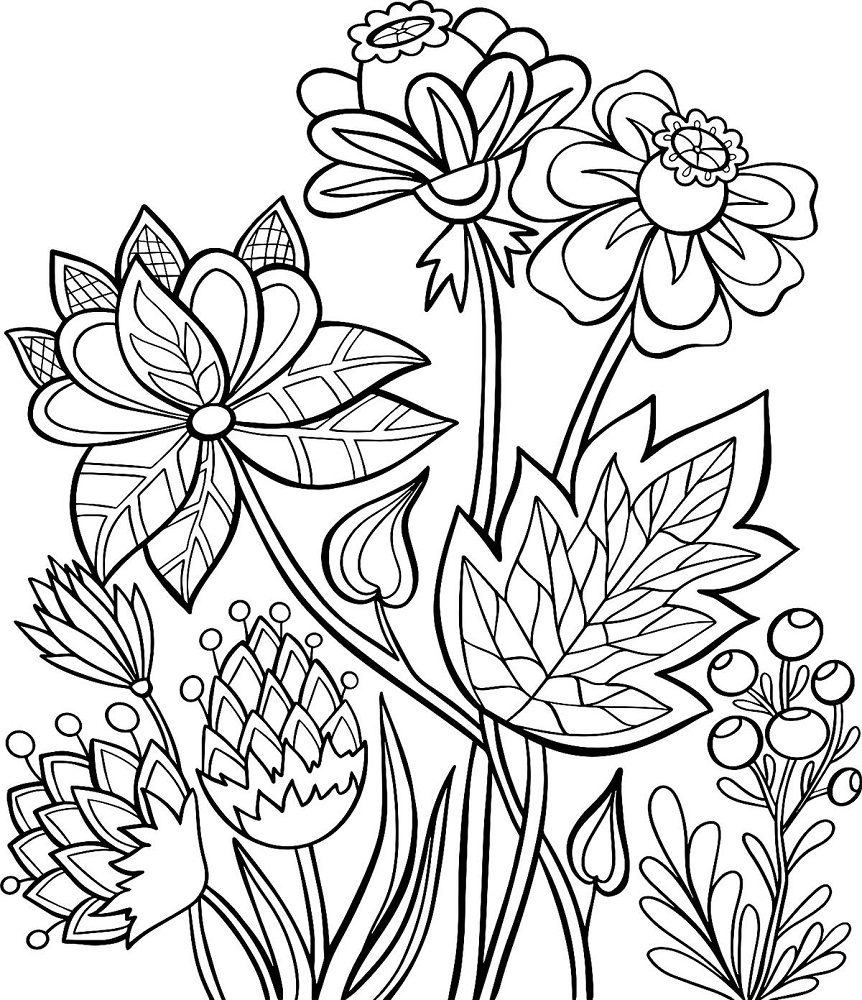
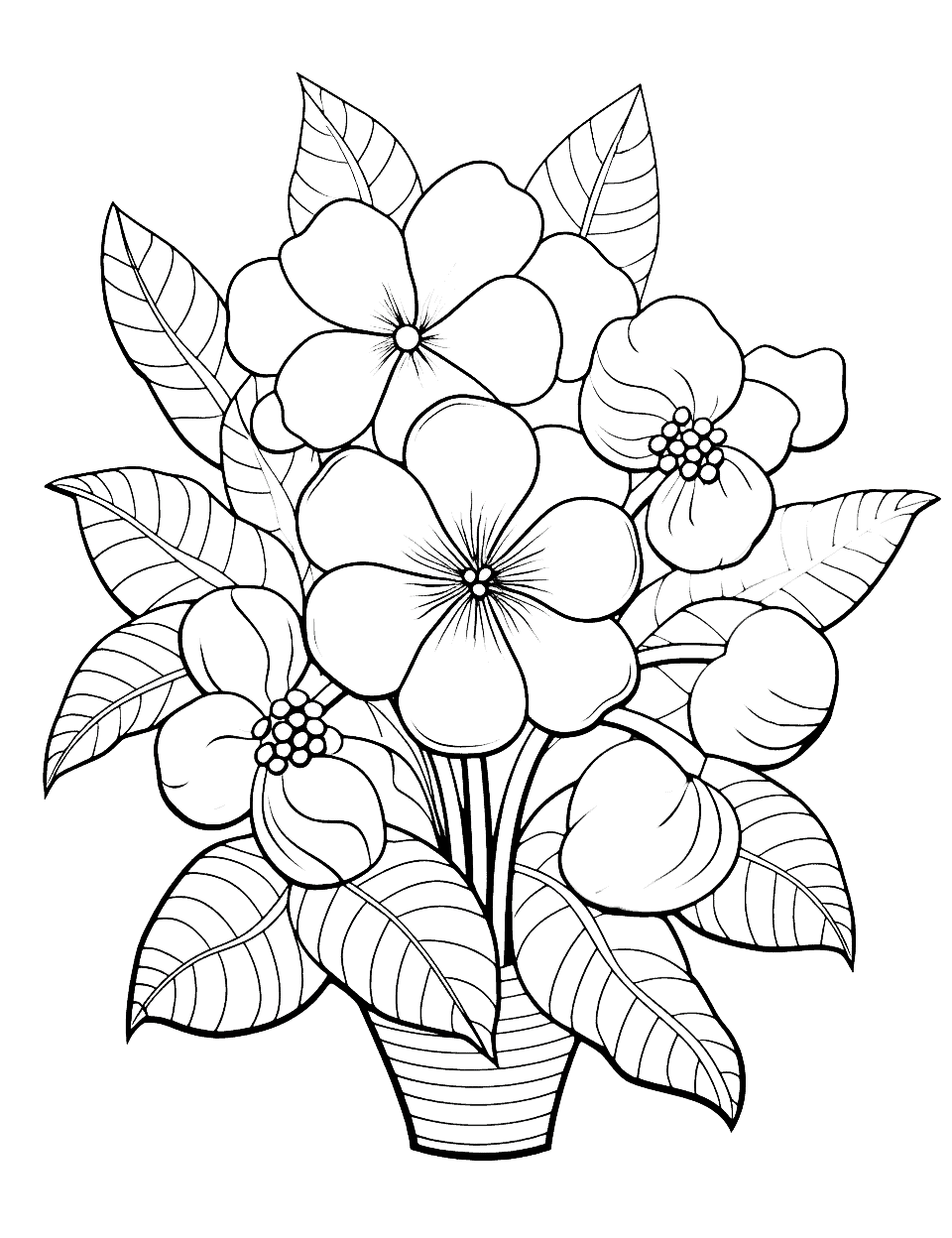
Printable Coloring Page Previews







Step-by-Step Practical Application and Guidelines
Executing effective fine-motor lessons with botanical sheets involves a deliberate three-step implementation model for classroom teachers and homeschool facilitators. First, select an appropriate floral template matching the current developmental motor stage of the student cohort, ensuring line thickness aligns with hand strength. Second, establish explicit physical expectations regarding grip posture, paper stabilization, and intentional color selection prior to distributing markers or crayons. Third, integrate these art sheets into broader Learning Activities, such as science investigations examining actual plant structures or vocabulary matching games. This sequence transforms a standard coloring activity into an immersive, multi-sensory educational experience.
Common Challenges and How to Avoid Them
Classroom execution hurdles frequently arise when students rush through floral templates or experience hand fatigue from improper grip mechanics. Educators can eliminate rushing by setting time-independent quality goals, emphasizing smooth directional strokes rather than rapid filling. Additionally, frustration diminishes when instructors provide a balanced variety of templates, transitioning gradually from simple, oversized single-bloom outlines to intricate garden scenes. Utilizing structured support mechanisms found within specialized Teacher Resources ensures every child achieves success without developing negative associations with fine-motor tasks.