Introduction
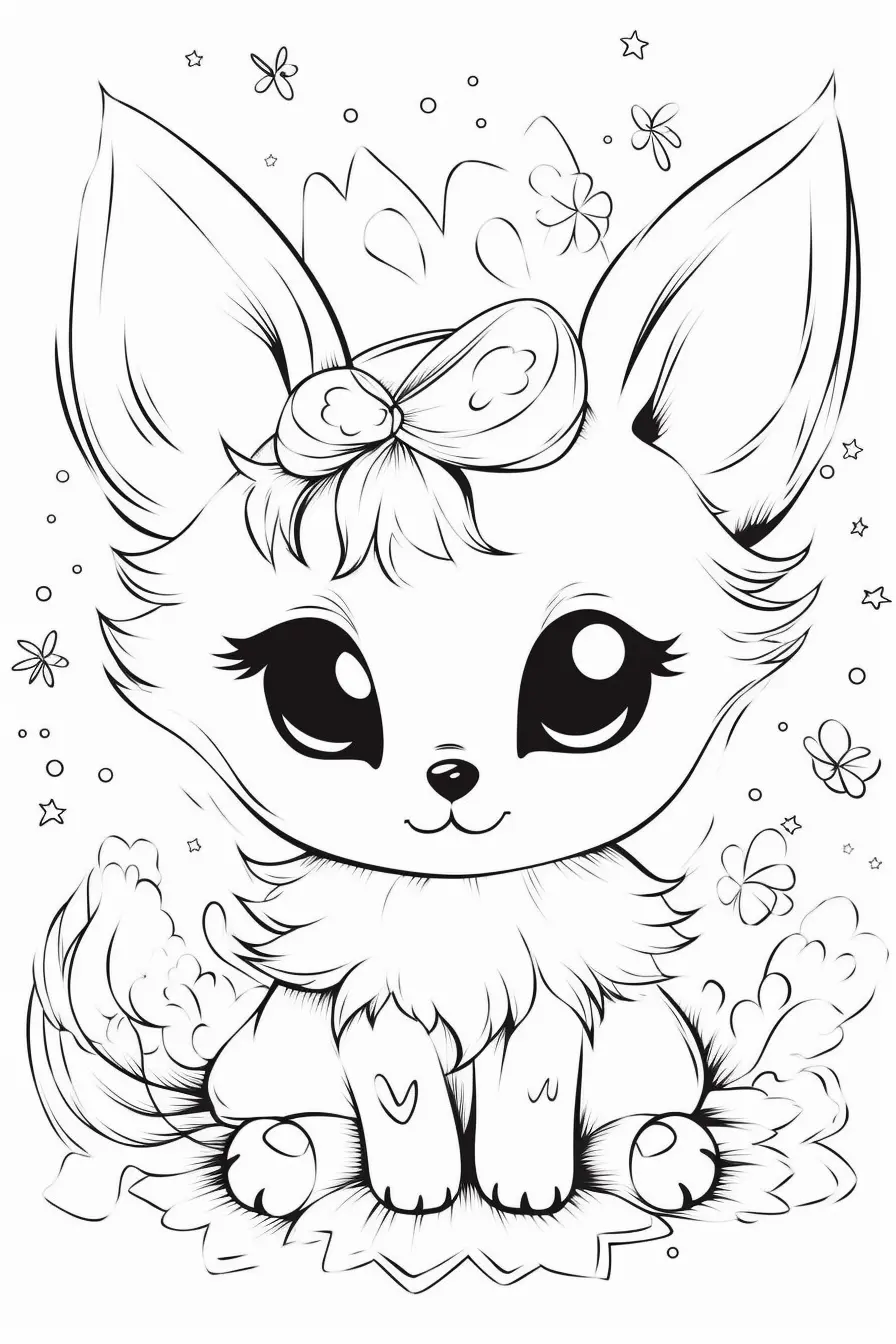
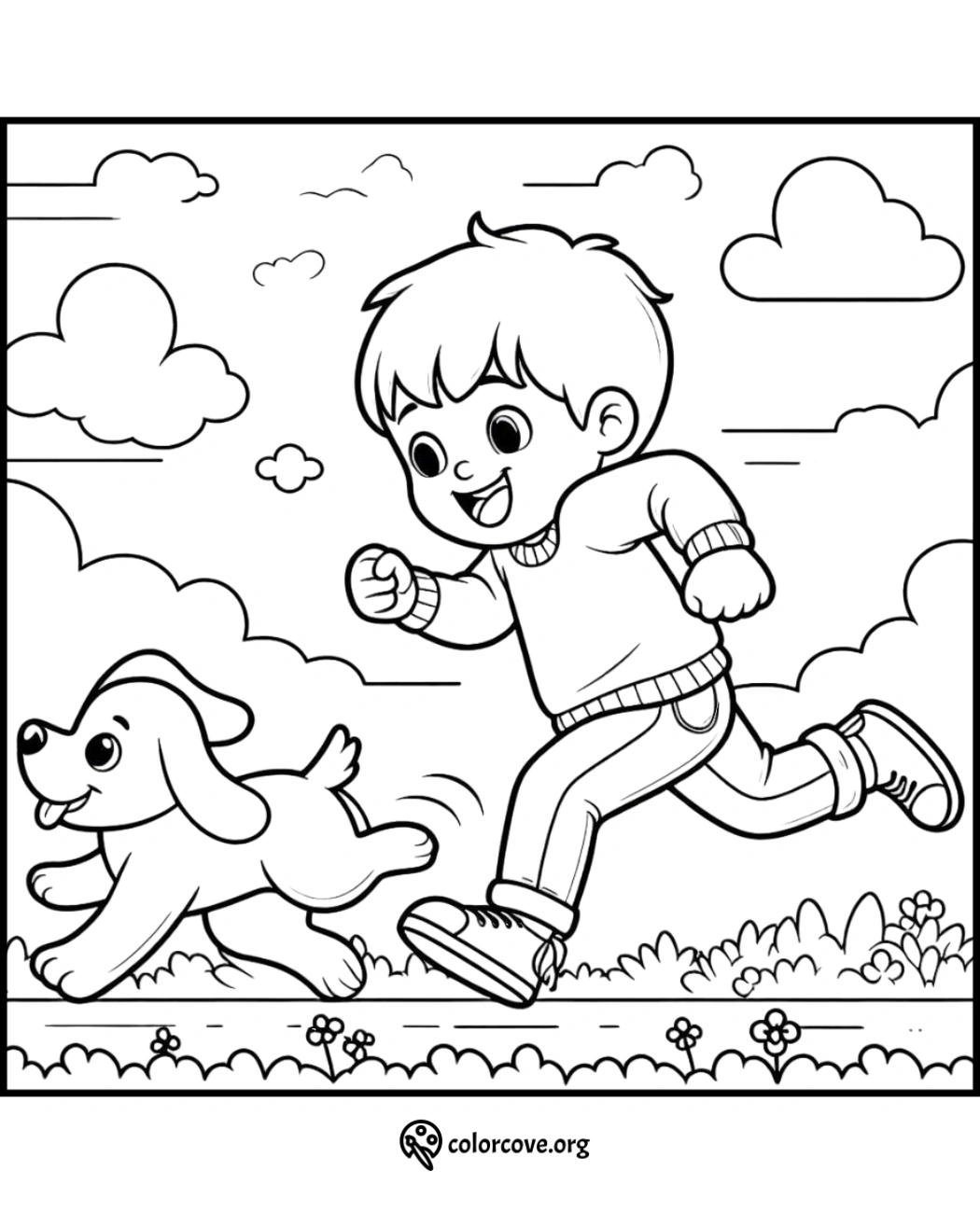
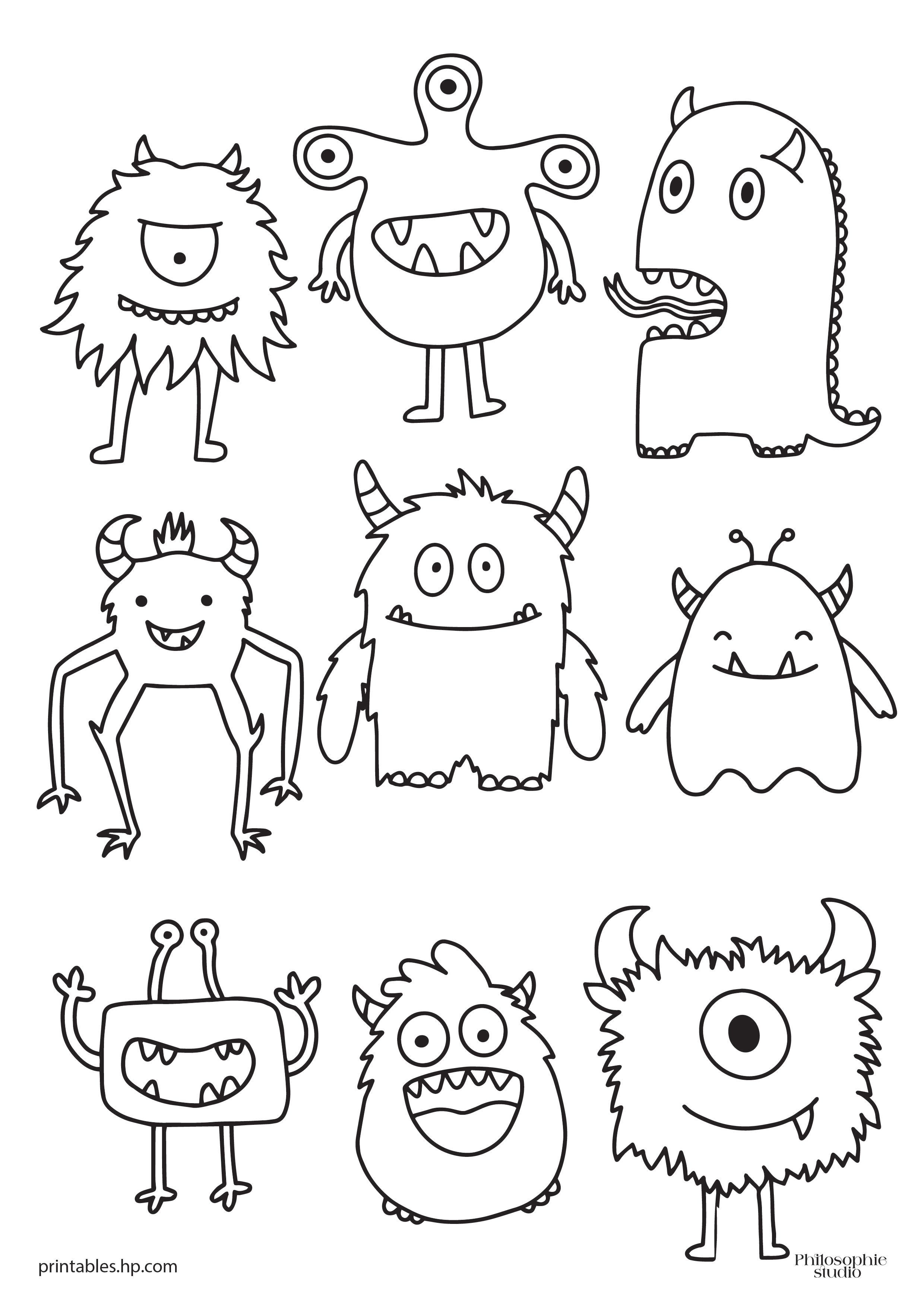
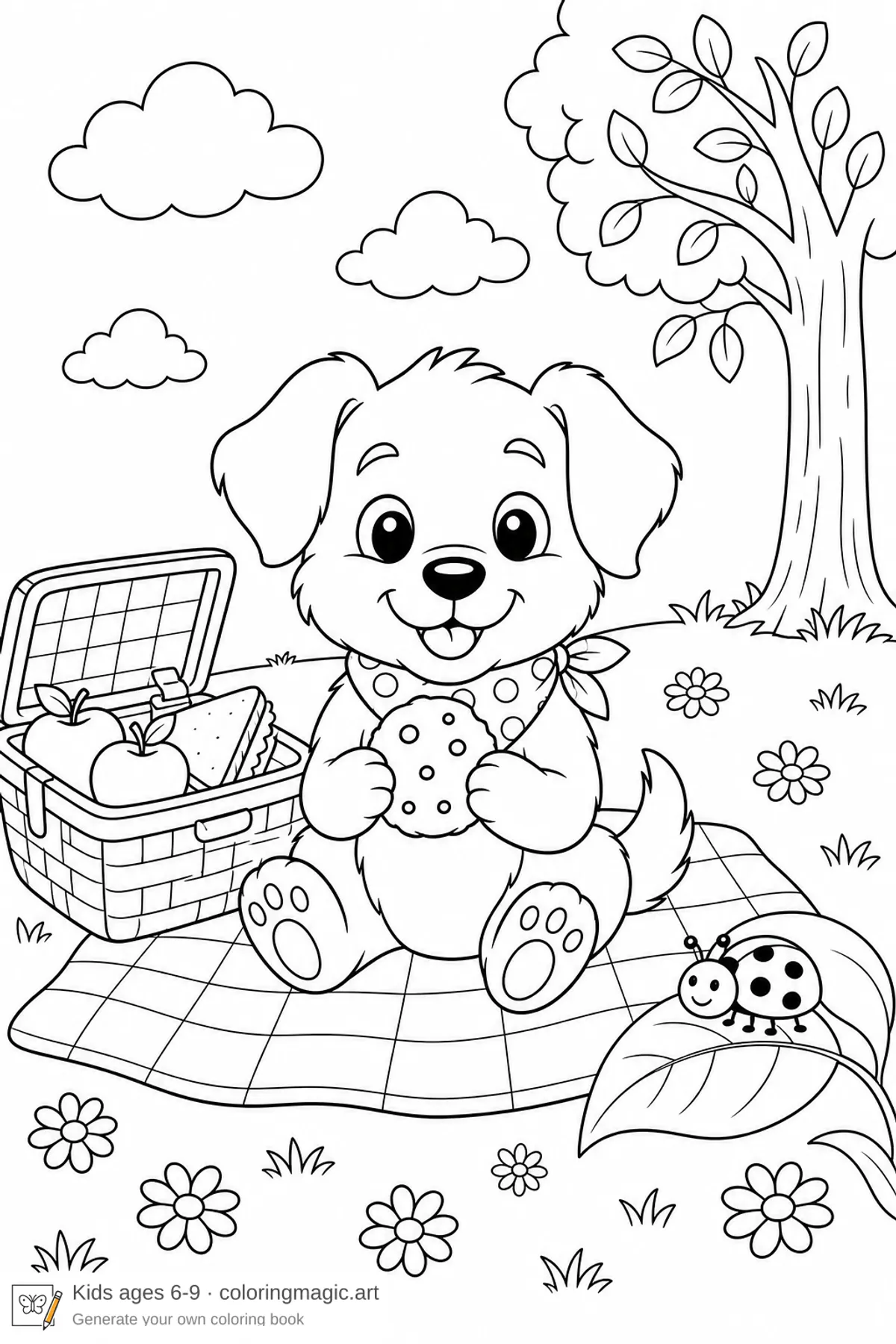
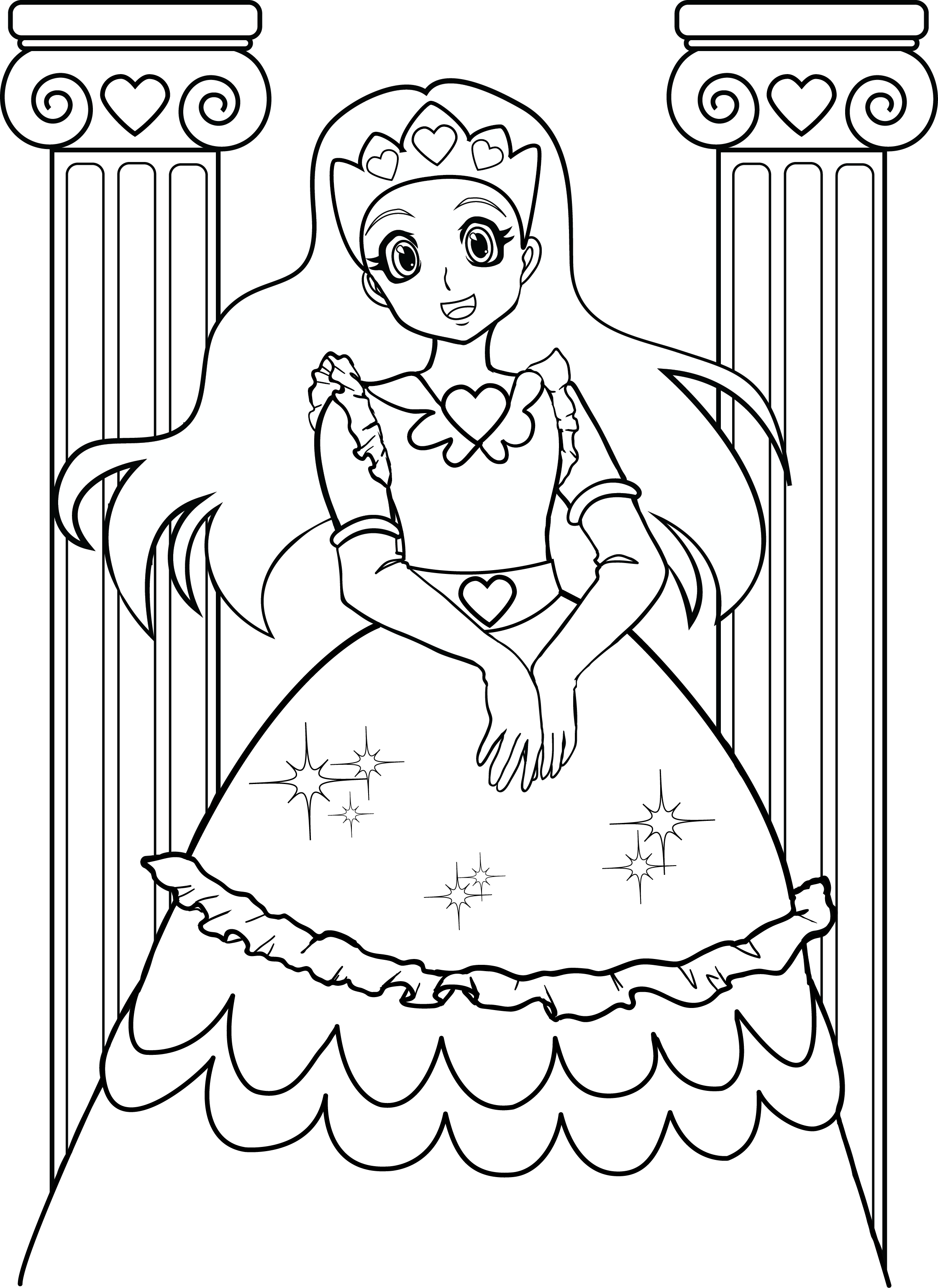
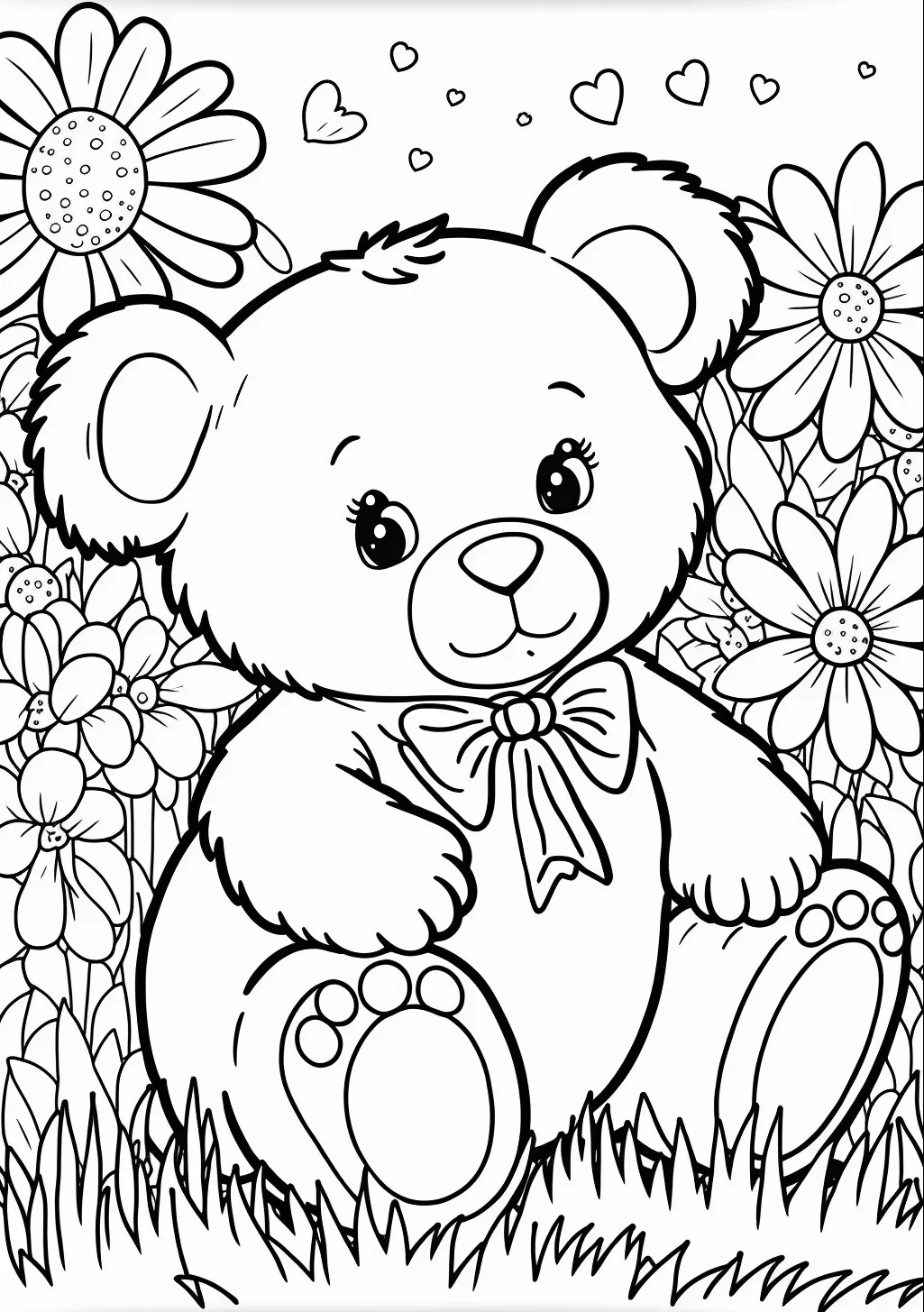
Coloring pages for kids printable serve as foundational instructional tools that bridge creative expression with critical early childhood skill development. According to the National Association for the Education of Young Children (NAEYC), purposeful manipulation of writing and coloring implements significantly enhances the neural pathways responsible for bilateral hand coordination and visual-motor integration. Within modern early learning environments, high-quality Coloring Pages function far beyond simple leisure activities, providing structured scaffolding for preschool and kindergarten learning goals. Careful selection of printable sheets ensures children build hand strength, spatial awareness, and cognitive focus while transitioning seamlessly into more complex Handwriting & Tracing exercises. Educators and homeschool parents leverage these resources to reinforce curriculum themes, improve pencil grip, and foster sustained attention spans across diverse developmental stages.
Curriculum Practice Snapshot:
- Core Focus: Integrating printable coloring sheets into foundational motor skill and cognitive development plans.
- Target Scope: Early childhood classrooms, pre-K centers, and homeschool environments catering to ages three through seven.
- Key Recommendation: Pair structured coloring tasks with targeted Worksheets to reinforce cross-curricular academic concepts.
Core Principles and Detailed Overview
Fine-motor mastery requires deliberate and repetitive engagement with physical writing tools, making structured coloring sheets an indispensable component of any robust early childhood curriculum. Systematic integration of graphic designs with bold borders helps children establish visual boundaries, understand spatial orientation, and regulate the pressure applied through fingers and wrists. Furthermore, these activities directly support cognitive development by encouraging color recognition, pattern identification, and thematic comprehension aligned with broader Learning Activities. When implemented systematically, printable graphic resources reduce hand fatigue through progressive skill building, allowing young learners to transition smoothly from broad crayon strokes to precise pencil control required in formal writing instruction.
Key Specifications and Breakdown
| Grade / Developmental Stage | Target Learning Skill | Instructional Strategy & Scaffolding |
|---|---|---|
| Toddler / Pre-K (Ages 3-4) | Palmar grasp control and broad stroke management | Utilize thick, simplified outlines with minimal internal detail |
| Kindergarten (Ages 5-6) | Pincer grasp refinement and boundary containment | Introduce complex geometric patterns and smaller enclosed spaces |
| Early Primary (Ages 6-7) | Bilateral coordination and pressure modulation | Combine artistic coloring objectives with structured Teacher Resources |
Developmental progression in early childhood motor control relies on consistent tactile engagement with structured writing and coloring media — What Works Clearinghouse (IES)
Step-by-Step Practical Application and Guidelines
Effective classroom implementation begins by selecting developmentally appropriate printables that match the specific grip strength and visual tracking capabilities of the group. Educators should first model correct pencil and crayon ergonomics, explicitly demonstrating how thumb and index fingers pinch the barrel while resting the hand naturally on the paper surface. Next, establish clear learning objectives for the session, connecting the chosen artwork to academic themes, vocabulary acquisition, or shape recognition goals. Finally, provide guided practice where adults observe hand positioning, offer gentle posture corrections, and encourage deliberate shading techniques rather than rushed, incomplete scribbling.
Common Challenges and How to Avoid Them
Premature frustration often occurs when children are given intricate designs that exceed their current hand-eye coordination thresholds or muscle endurance limits. Educators prevent this by auditing resource difficulty, ensuring younger learners receive large-format illustrations with thick boundary lines that forgive minor hand tremors. Another frequent obstacle involves improper pencil grips hardening into lifelong habits, which is mitigated through constant monitoring and the provision of ergonomically shaped coloring tools. Maintaining a balanced portfolio of creative outlets alongside structured academic exercises prevents burnout and keeps engagement high throughout the instructional week.
💬 Frequently Asked Questions
Explore More Early Learning and Classroom Resources on Knowalla
Comprehensive educational planning requires access to diverse, high-quality instructional materials that support every phase of early childhood development. Educators and parents can discover an extensive library of printable assets by visiting Knowalla to enhance daily instruction, foster cognitive growth, and inspire lifelong learning.
Printable Coloring Page Previews