Introduction
Coloring pages for kids pdf formats serve as foundational instructional tools that build fine-motor precision, hand-eye coordination, and early pencil grip stamina for young learners in classrooms and home settings. According to the National Association for the Education of Young Children (NAEYC), intentional manipulation of writing and coloring instruments during early childhood supports the complex neurological development required for future academic success. Educators and homeschool parents frequently utilize these digital resources because digital file delivery allows for immediate, unlimited reproduction of targeted skill sheets. Integrating printable assets into daily Learning Activities ensures that children receive consistent, tactile practice without interrupting instructional momentum. These downloadable assets bridge the gap between creative expression and structured skill acquisition, making them indispensable within modern early childhood curricula.
Curriculum Practice Snapshot:
- Core Focus: High-resolution digital printable pages designed to enhance fine-motor skills and creative engagement.
- Target Scope: Pre-K through second-grade early childhood educational environments and homeschool settings.
- Key Recommendation: Pair structured coloring tasks with targeted Handwriting & Tracing sheets to maximize dexterity outcomes.
Core Principles and Detailed Overview
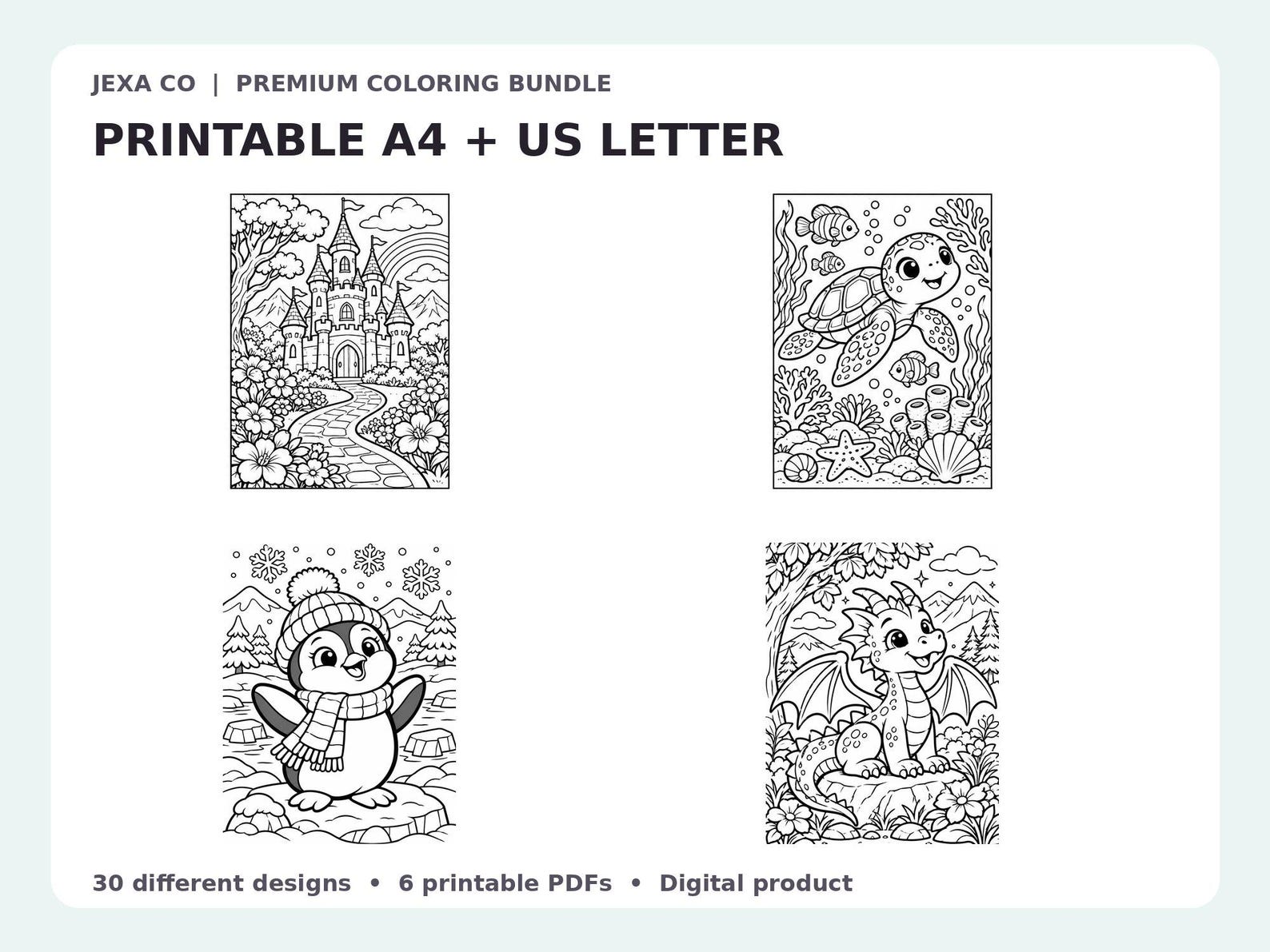
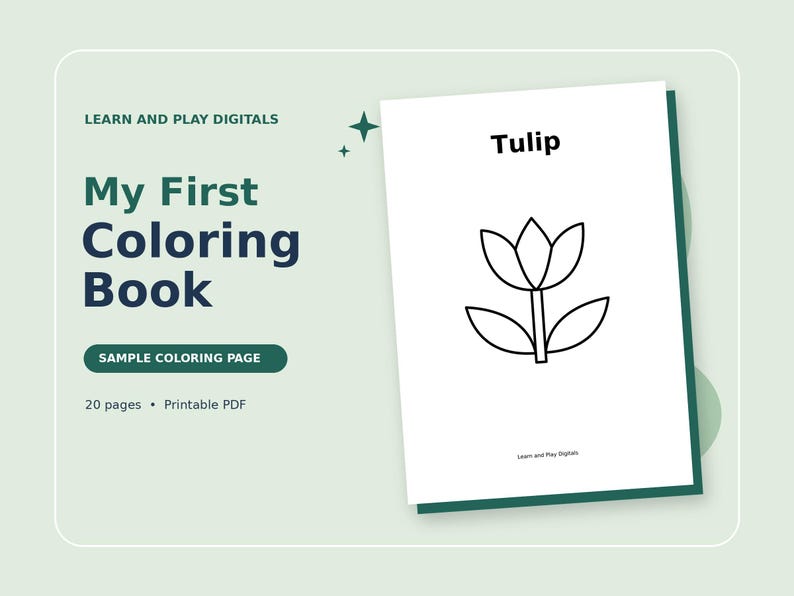
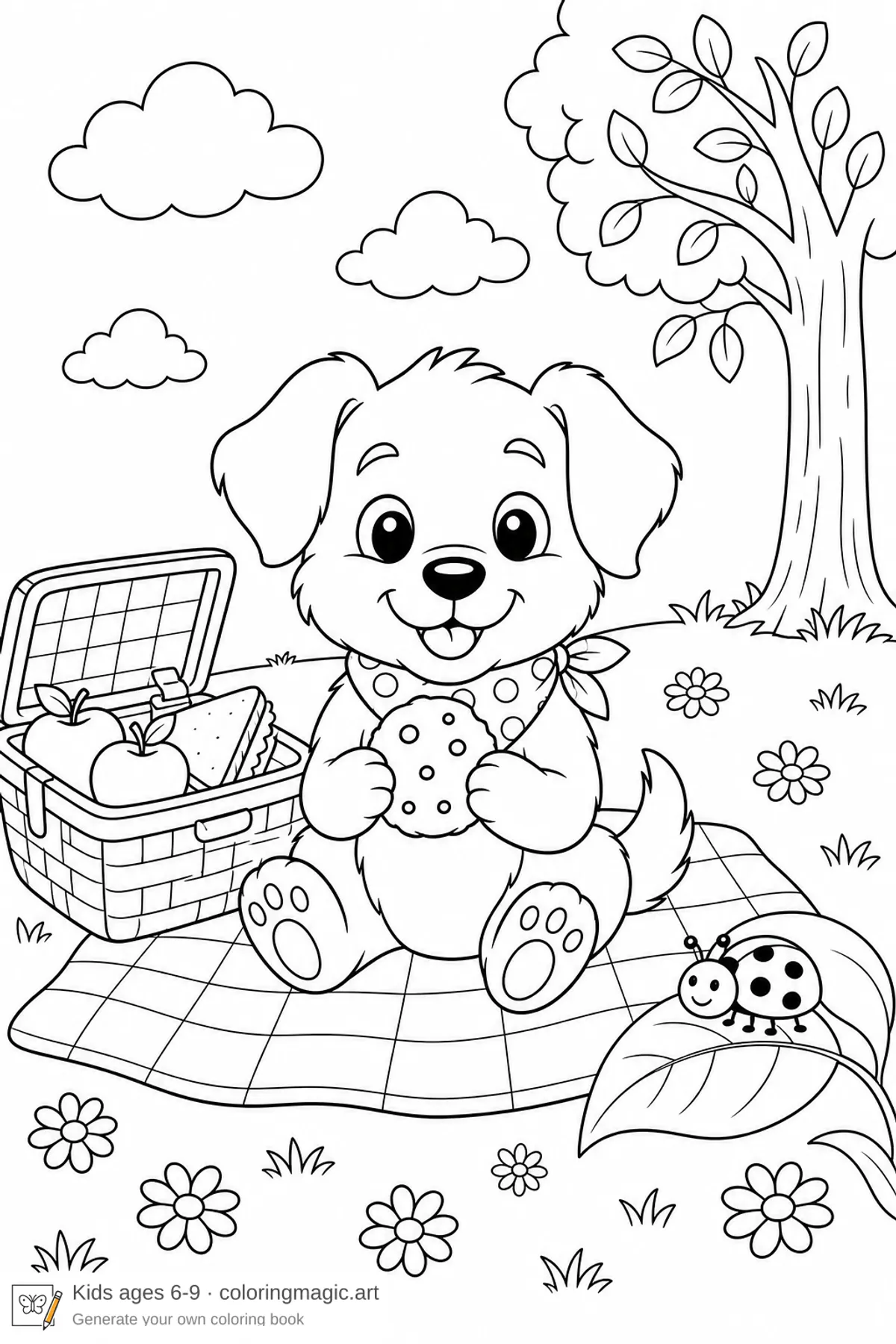
Fine-motor development through structured printable pages relies on deliberate design elements that encourage precise finger movements rather than gross arm motions. Coloring pages for kids pdf provide a controlled canvas where children practice staying within defined borders, which directly translates to spatial awareness and letter formation control found in standard Worksheets. Selecting appropriate digital files requires evaluating line weight, object size, and cognitive complexity to match the developmental age of the child. Simple, bold outlines support younger toddlers in gripping crayons properly, while intricate geometric patterns challenge older kindergarteners to execute sustained concentration and wrist rotation. Curators of Teacher Resources prioritize vector-based PDF downloads because vector graphics retain crisp edge definitions at any scale, ensuring clean printouts that prevent visual confusion during close-up visual tracking tasks.
Key Specifications and Breakdown
| Grade / Developmental Stage | Target Learning Skill | Instructional Strategy & Scaffolding |
|---|---|---|
| Pre-Kindergarten (Ages 3-4) | Palmar grasp transition and gross boundary awareness | Utilize thick, bold boundary lines with large central objects to minimize frustration. |
| Kindergarten (Ages 5-6) | Pincer grasp refinement and directional stroke control | Incorporate multi-element scenes that require systematic left-to-right scanning. |
| Early Elementary (Ages 7-8) | Wrist stabilization and intricate spatial shading | Provide complex patterns and thematic illustrations that bridge art with content area units. |
Access to high-quality printables and manipulative materials directly correlates with sustained foundational skill acquisition and early reading readiness — National Center for Education Statistics (NCES)
Step-by-Step Practical Application and Guidelines
Implementing printable drawing sheets effectively involves a sequential instructional routine that transitions children from open-ended exploration to focused motor skill practice. First, select and download targeted assets from curated collections such as Coloring Pages, ensuring the complexity matches current developmental assessments. Second, prepare the physical workspace by providing appropriate writing implements—such as triangular crayons or short pencils—that naturally encourage an optimal tripod grasp. Third, guide learners to outline the borders of the image before filling in the interior spaces, modeling deliberate stroke direction to build disciplined hand movements. This structured methodology transforms a standard leisure activity into a rigorous, therapeutic exercise in cognitive focus and physical stamina.
Common Challenges and How to Avoid Them
Hand fatigue and frustration represent the most frequent obstacles encountered when young children engage in prolonged coloring or tracing tasks. Educators prevent grip exhaustion by limiting continuous worksheet duration to ten-minute intervals and actively checking for over-tightened fist grips. Another common oversight involves printing low-resolution raster images that blur boundary lines, causing visual strain and discouraging accurate line-following behavior. Utilizing vector-based PDF documents resolves this issue entirely by guaranteeing sharp, high-contrast outlines on standard office paper. Furthermore, pairing these creative tasks with varied multisensory manipulatives prevents boredom and ensures balanced physical development across the entire hand-arm complex.
💬 Frequently Asked Questions
Explore More Early Learning and Classroom Resources on Knowalla
Educators and parents seeking comprehensive early childhood printables will find an extensive collection of structured activities at Knowalla. From foundational fine-motor practice sheets to advanced skill-building packets, the platform provides reliable instructional assets designed to support every stage of early childhood development.
Printable Coloring Page Previews