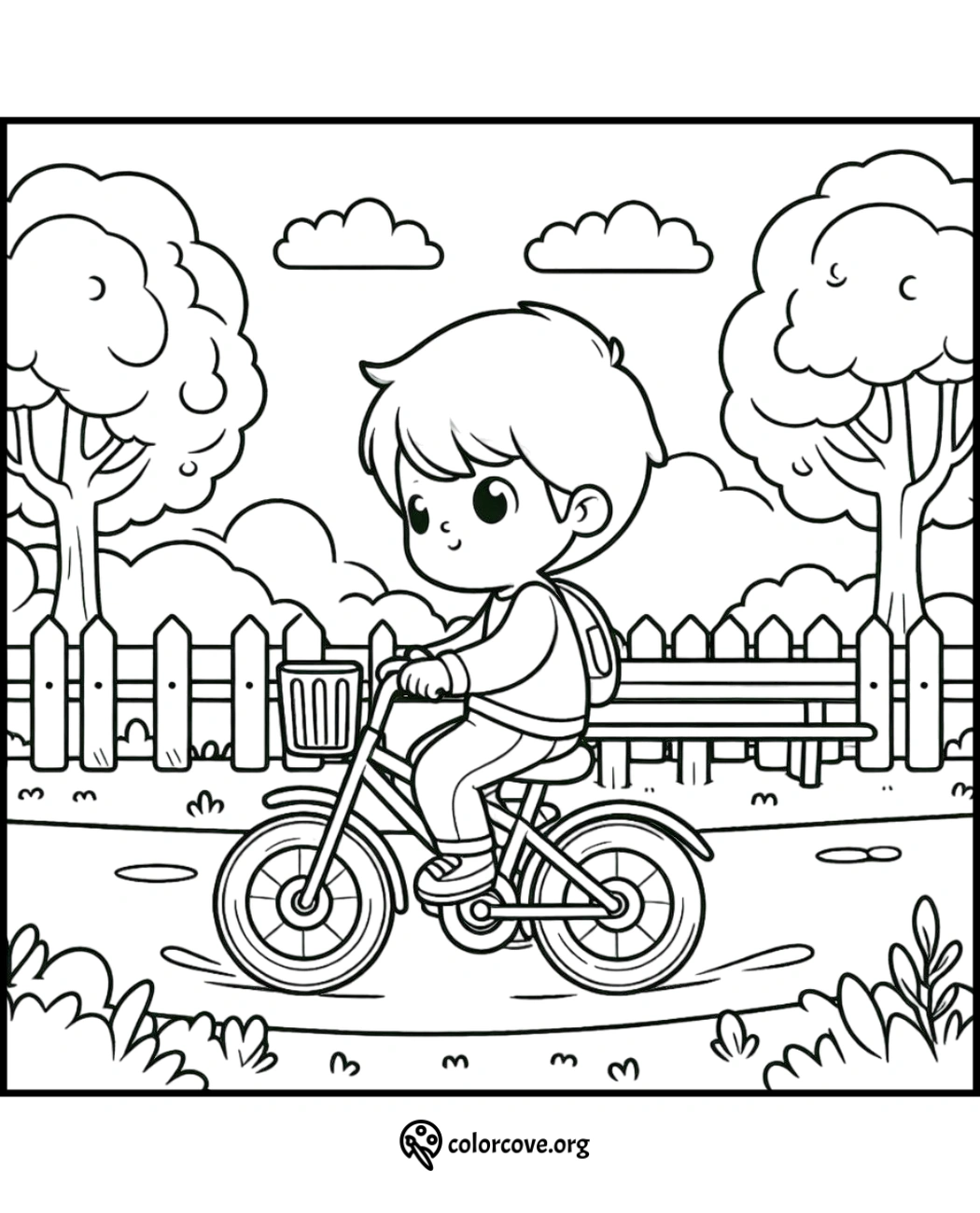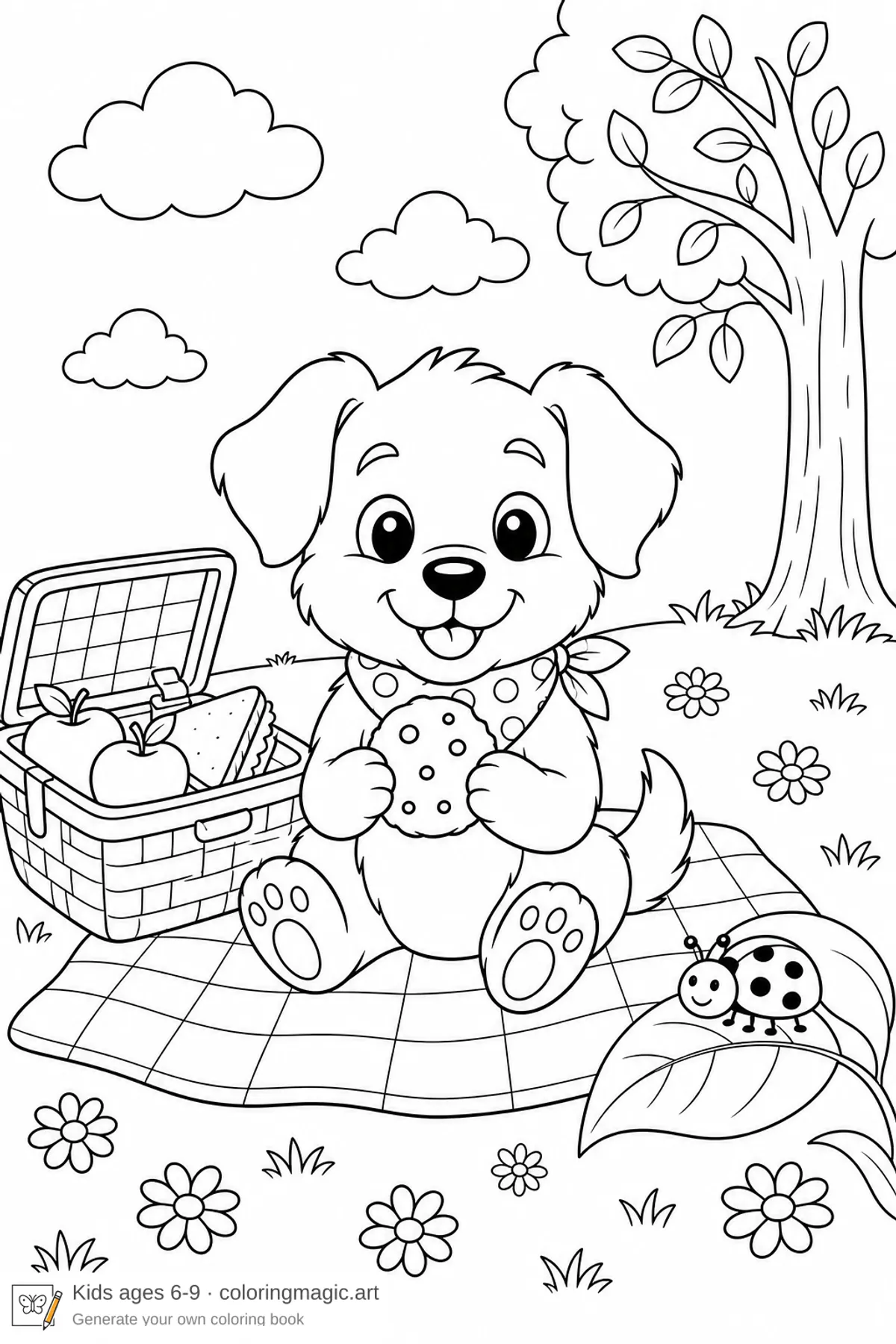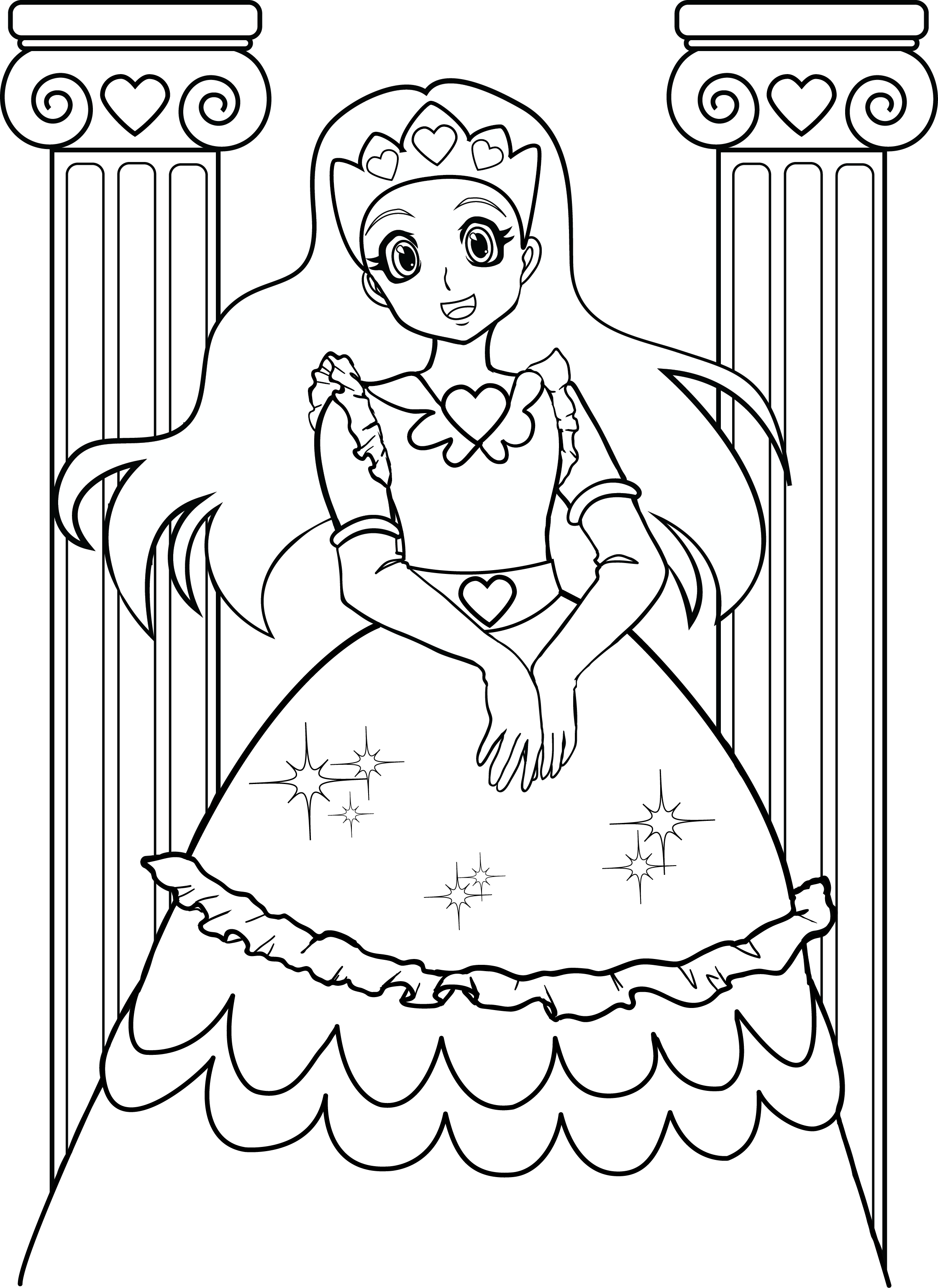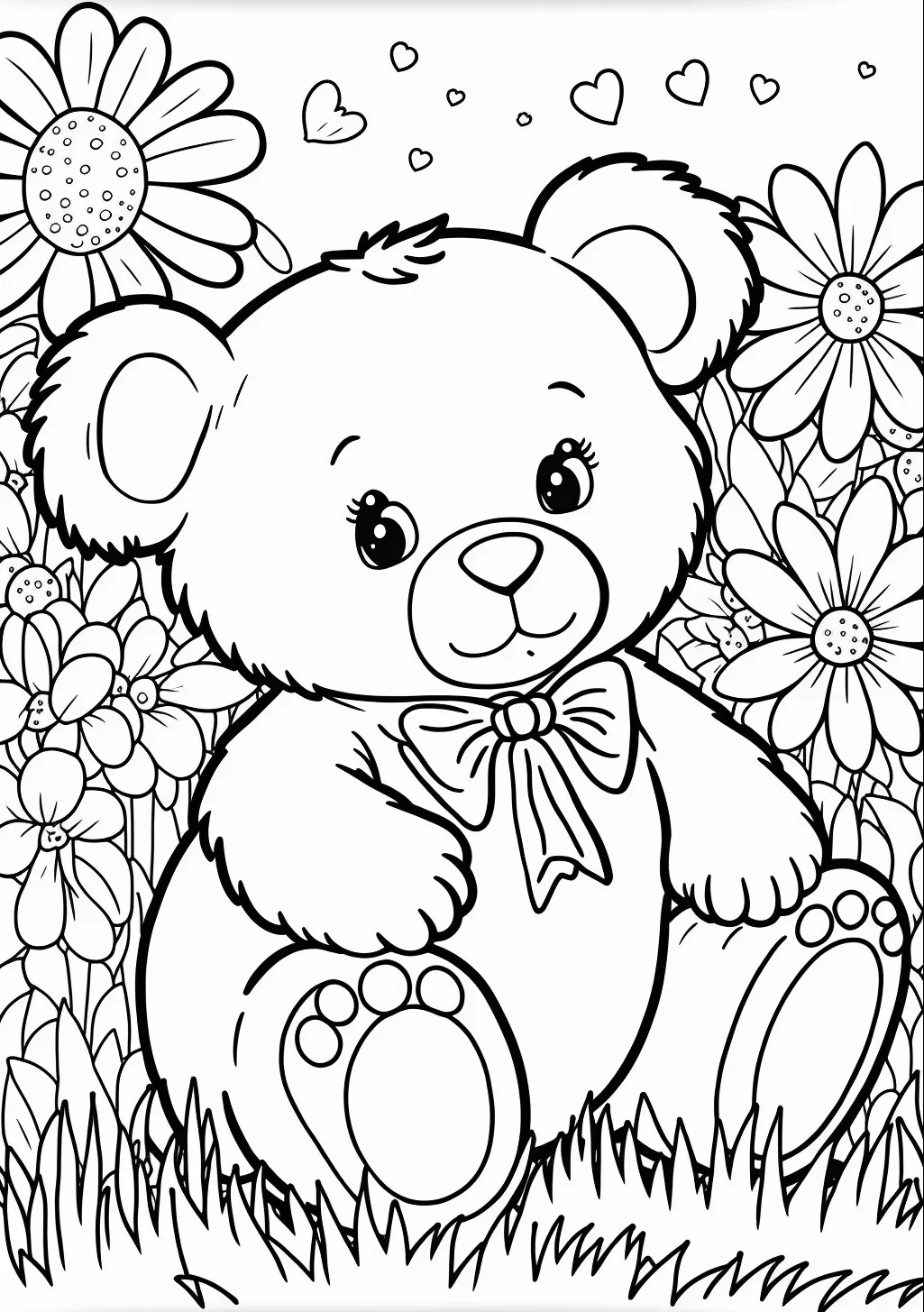
Introduction
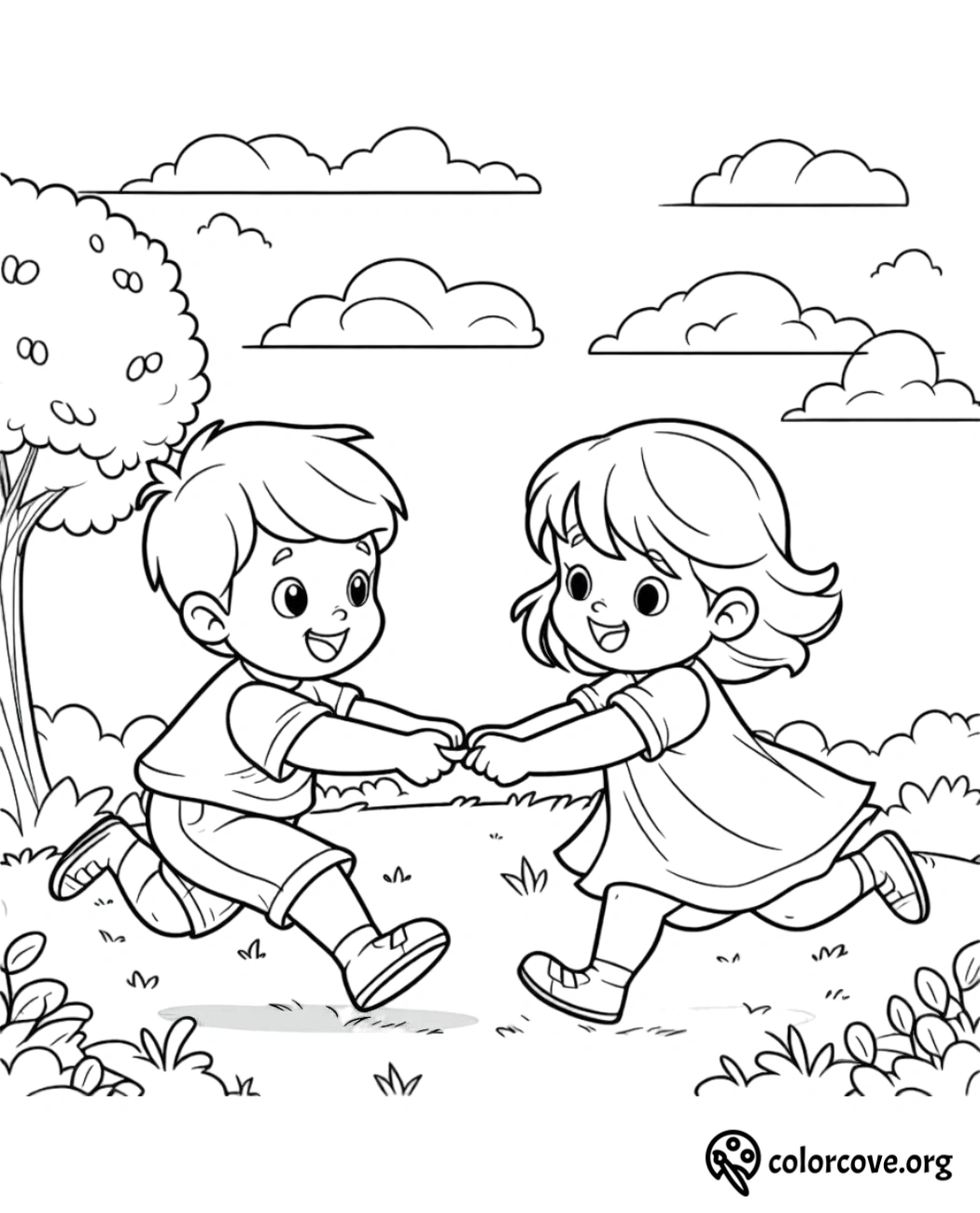
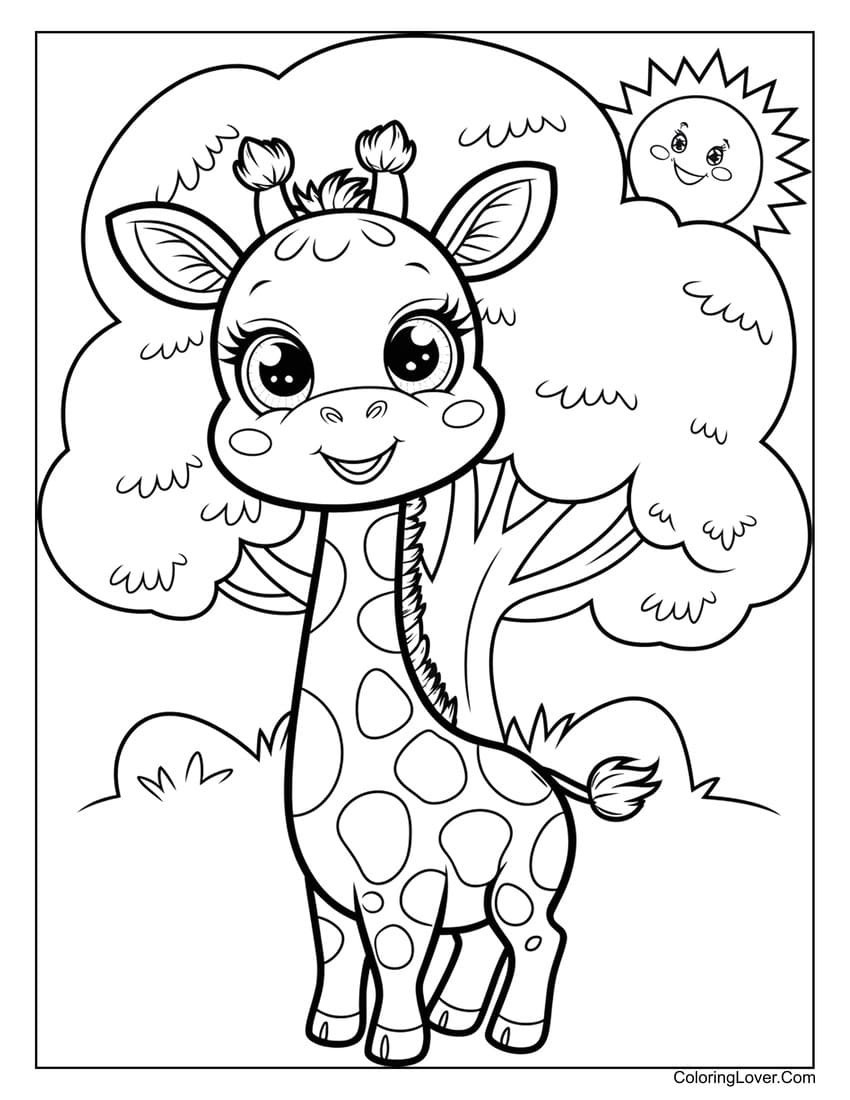
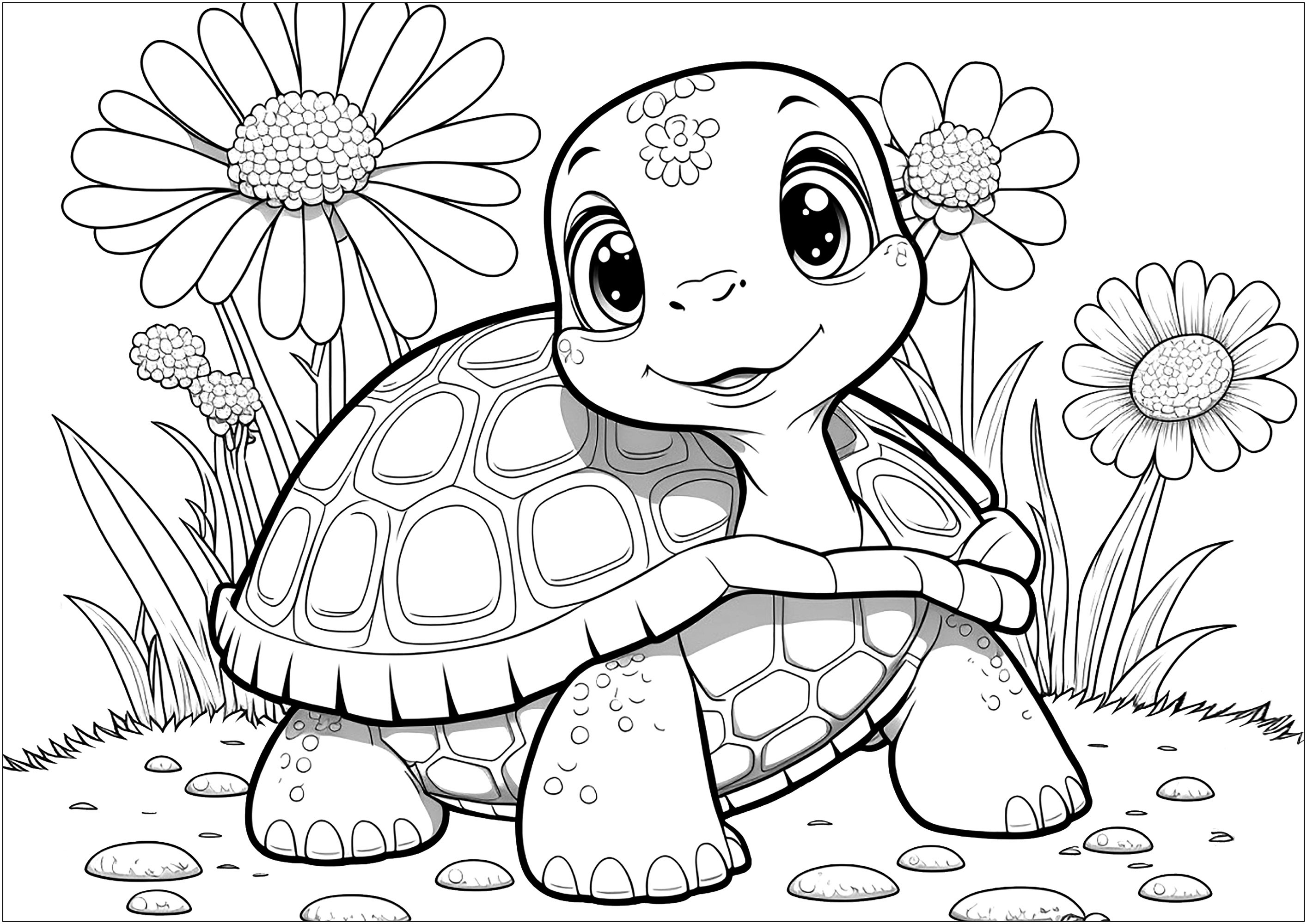
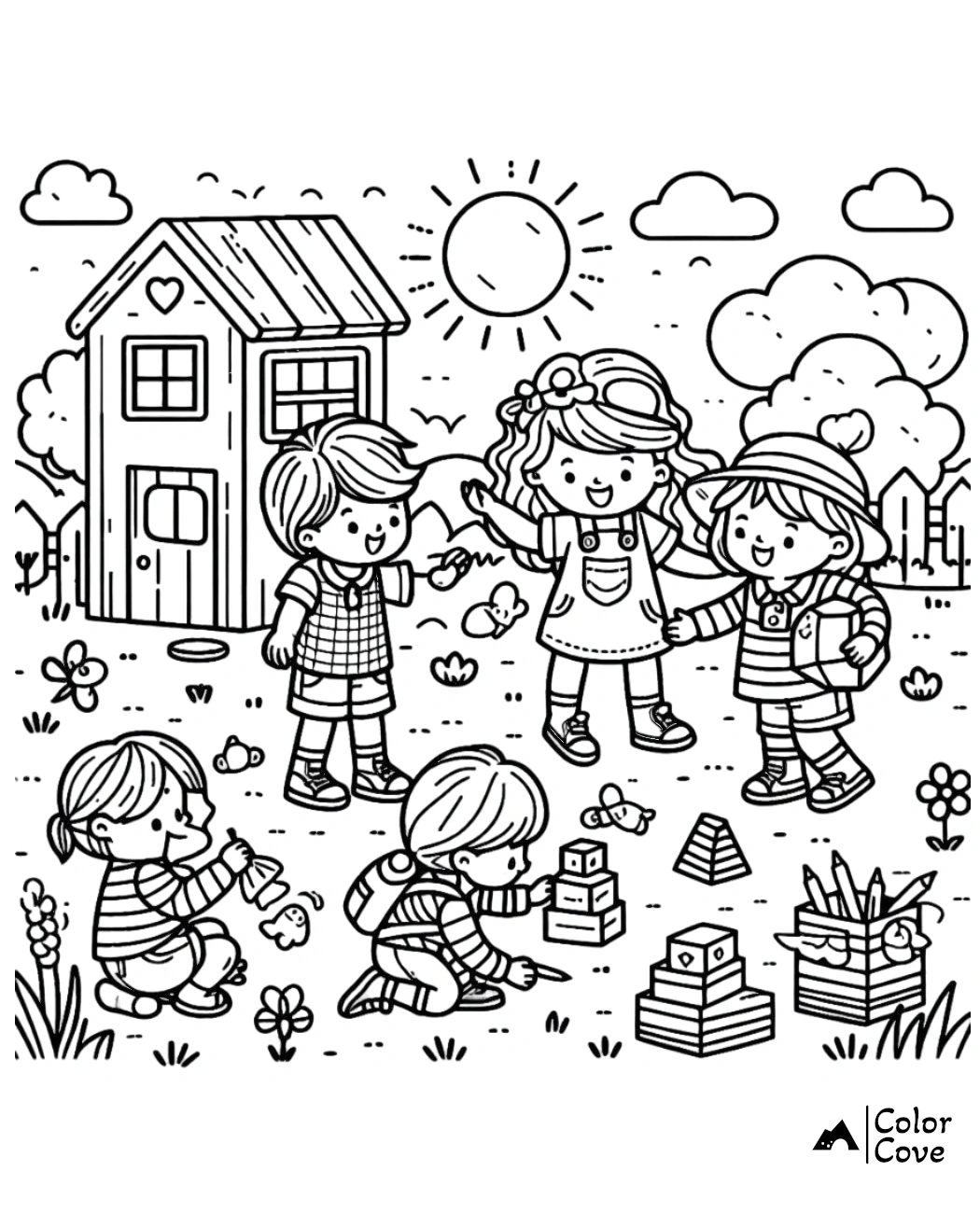
Coloring pages for kids function as foundational early childhood tools that systematically build fine-motor control, hand strength, and visual-spatial processing required for academic success. According to the National Association for the Education of Young Children (NAEYC), purposeful manipulative tasks and guided artistic exploration during early childhood directly support neurological pathways responsible for precision grip and cognitive organization. Educators and homeschool parents frequently integrate printable skill practice into daily routines to bridge creative expression with structured curriculum goals. Utilizing Coloring Pages alongside targeted Handwriting & Tracing sheets provides young learners with cohesive reinforcement across multiple developmental domains. Intentional selection of thematic printables turns passive leisure tasks into active learning moments that reinforce letter recognition, counting, and pattern identification.
Curriculum Practice Snapshot:
- Core Focus: Systematic fine-motor development and visual-spatial coordination through structured printable exercises.
- Target Scope: Early childhood education settings, pre-kindergarten classrooms, and primary homeschool environments.
- Key Recommendation: Pair structured boundary-coloring sheets with multisensory Learning Activities to maximize cognitive retention and motor planning.
Core Principles and Detailed Overview
Structured coloring pages for kids provide deliberate opportunities to strengthen intrinsic hand muscles, improve bilateral coordination, and establish proper pencil grasps. When children manipulate crayons, colored pencils, or markers within specific boundary lines, intrinsic hand muscles—specifically the thenar eminence and lumbricals—engage in sustained isometric contraction. This muscular engagement is foundational for later writing fluency and endurance. Furthermore, visual-motor integration tasks require the brain to translate visual boundaries into precise physical hand movements. Educators seeking comprehensive materials often supplement these art exercises with specialized Worksheets designed to target specific cognitive milestones. By scaffolding the complexity of the artwork—moving from large, thick-bordered shapes to intricate geometric patterns—instructors can successfully match developmental readiness with appropriate academic challenges.
Key Specifications and Breakdown
| Grade / Developmental Stage | Target Learning Skill | Instructional Strategy & Scaffolding |
|---|---|---|
| Toddler / Preschool (Ages 2-4) | Palmar grasp transition and gross boundary awareness | Utilize thick, bold outlines with oversized shapes and minimal interior details. |
| Pre-K / Kindergarten (Ages 4-6) | Pincer grasp refinement and directional control | Incorporate directional arrows, simple color keys, and guided tracking lines. |
| Early Elementary (Ages 6-8) | Visual-spatial precision and sustained hand endurance | Introduce multi-step coloring challenges paired with cross-curricular Teacher Resources. |
Intentional fine-motor practice through structured graphical manipulation supports spatial cognition and foundational writing readiness — What Works Clearinghouse (IES)
Step-by-Step Practical Application and Guidelines
Implementing coloring pages for kids effectively requires a sequential instructional framework that prioritizes technique over speed. First, select printables that align directly with current thematic units or specific motor skill objectives, ensuring line widths match the developmental tier of the learners. Second, demonstrate proper pencil grip and deliberate boundary-checking before distributing writing utensils, emphasizing control rather than rushed completion. Third, evaluate student posture, paper stabilization, and grip endurance during the activity, offering immediate, constructive ergonomic adjustments. Incorporating diverse mediums such as chunky wax crayons for beginners or colored pencils for advanced learners ensures appropriate resistance and muscular engagement across different developmental stages.
Common Challenges and How to Avoid Them
Rushed coloring habits and improper grip formations represent the most frequent hurdles encountered during printable skill sessions. Children frequently resort to an immature fist grasp or race through pages to achieve completion, sacrificing the fine-motor benefits of the exercise. To mitigate these issues, educators should enforce short, focused intervals of mindful coloring rather than extended, unmonitored sessions. Providing textured writing surfaces or wedge cushions can also naturally encourage upright posture and optimal wrist extension, preventing hand fatigue and fostering long-term writing confidence.
💬 Frequently Asked Questions
Explore More Early Learning and Classroom Resources on Knowalla
Discovering comprehensive educational tools simplifies lesson planning and enhances student engagement across every grade level. Visit the Knowalla homepage today to browse an extensive library of professional printables, foundational skill builders, and creative teaching aids designed for modern educators and homeschool environments.
Printable Coloring Page Previews