Introduction
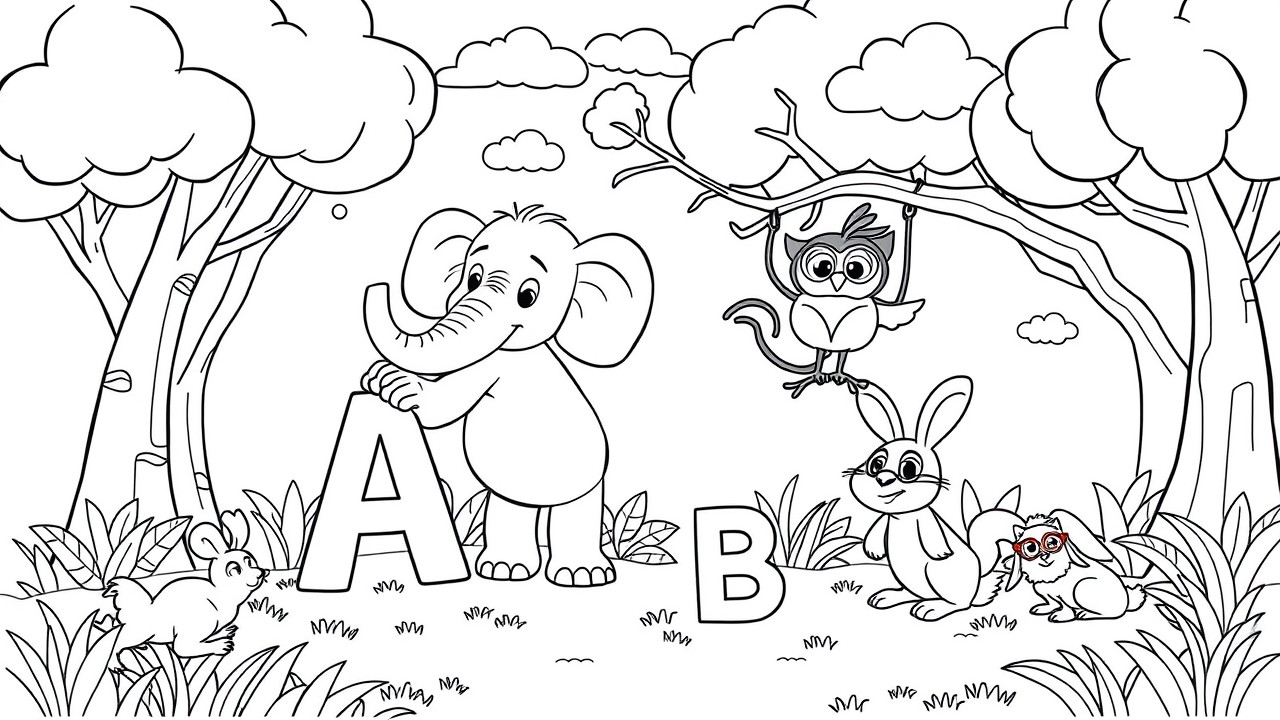
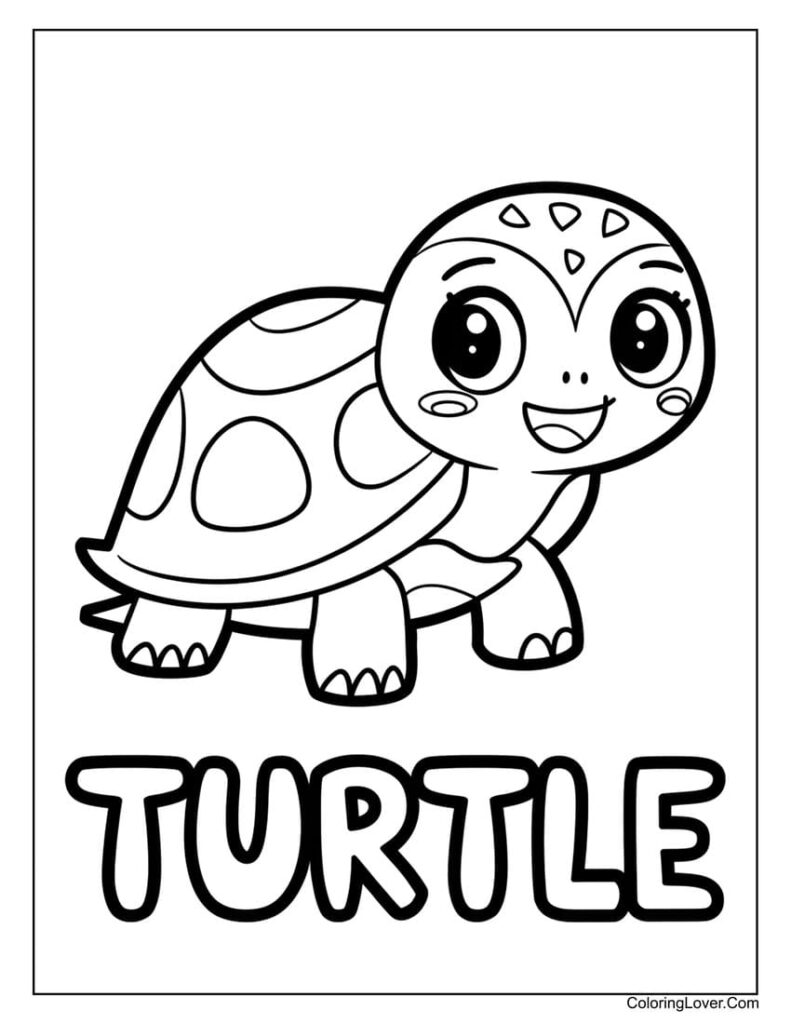
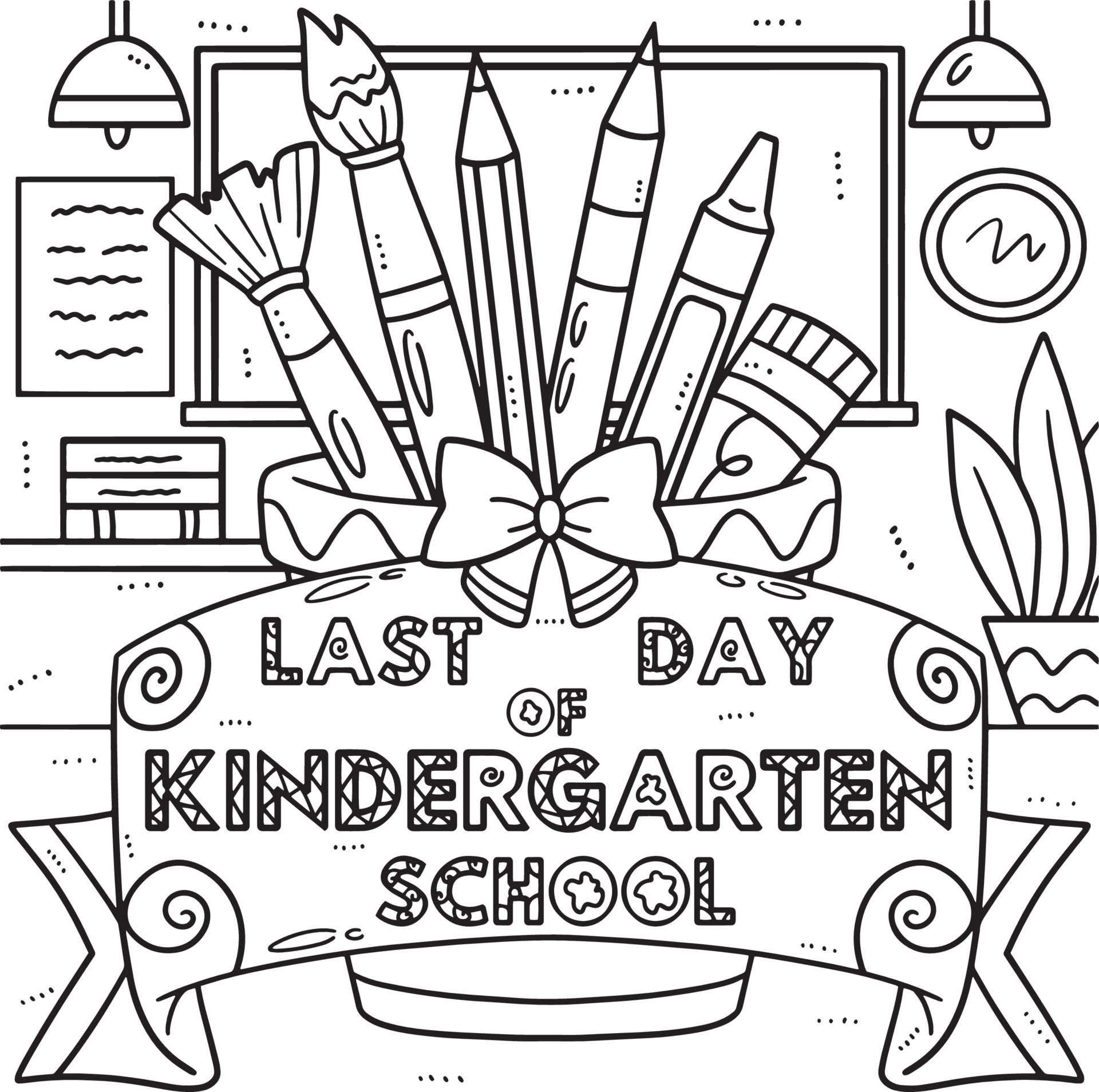
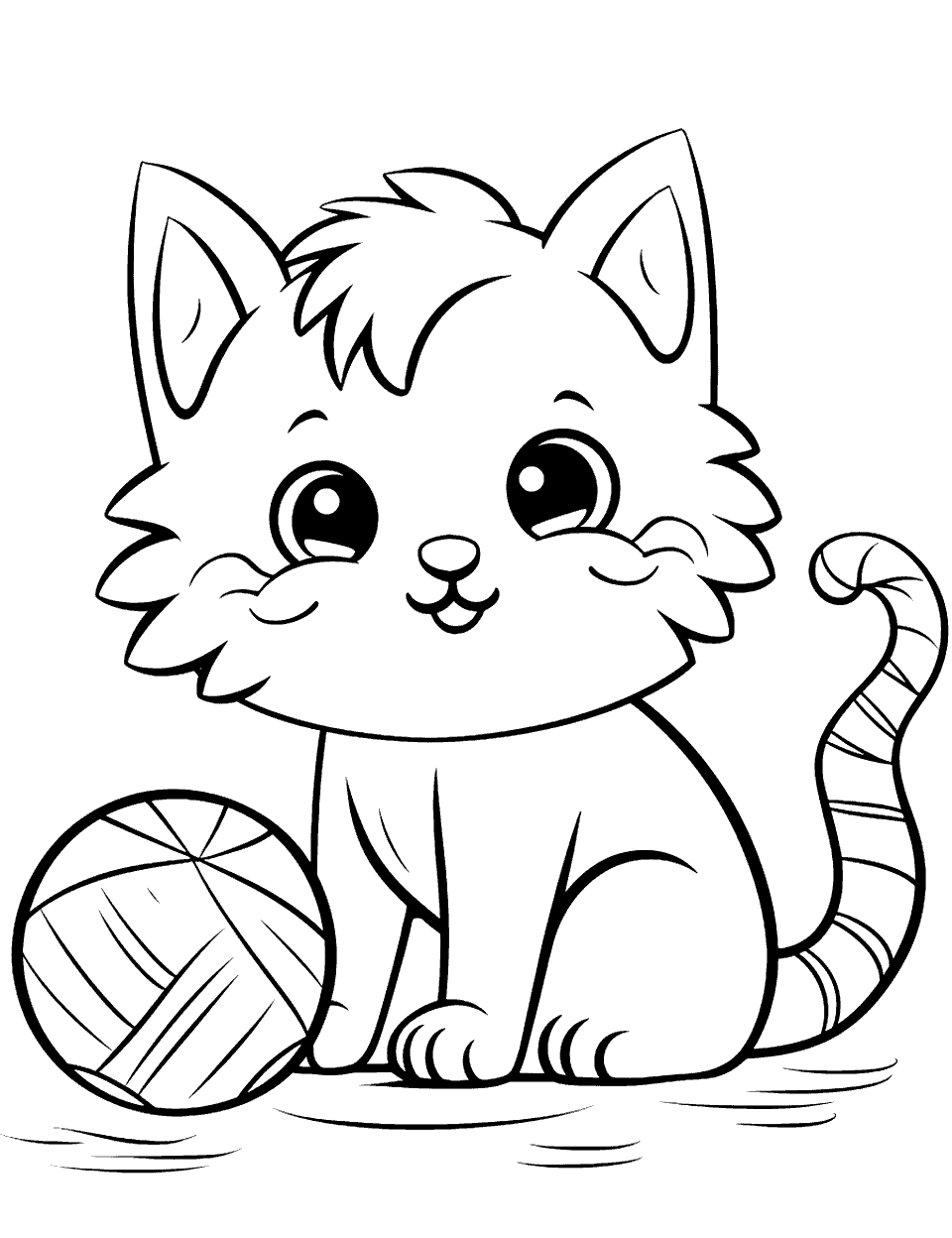
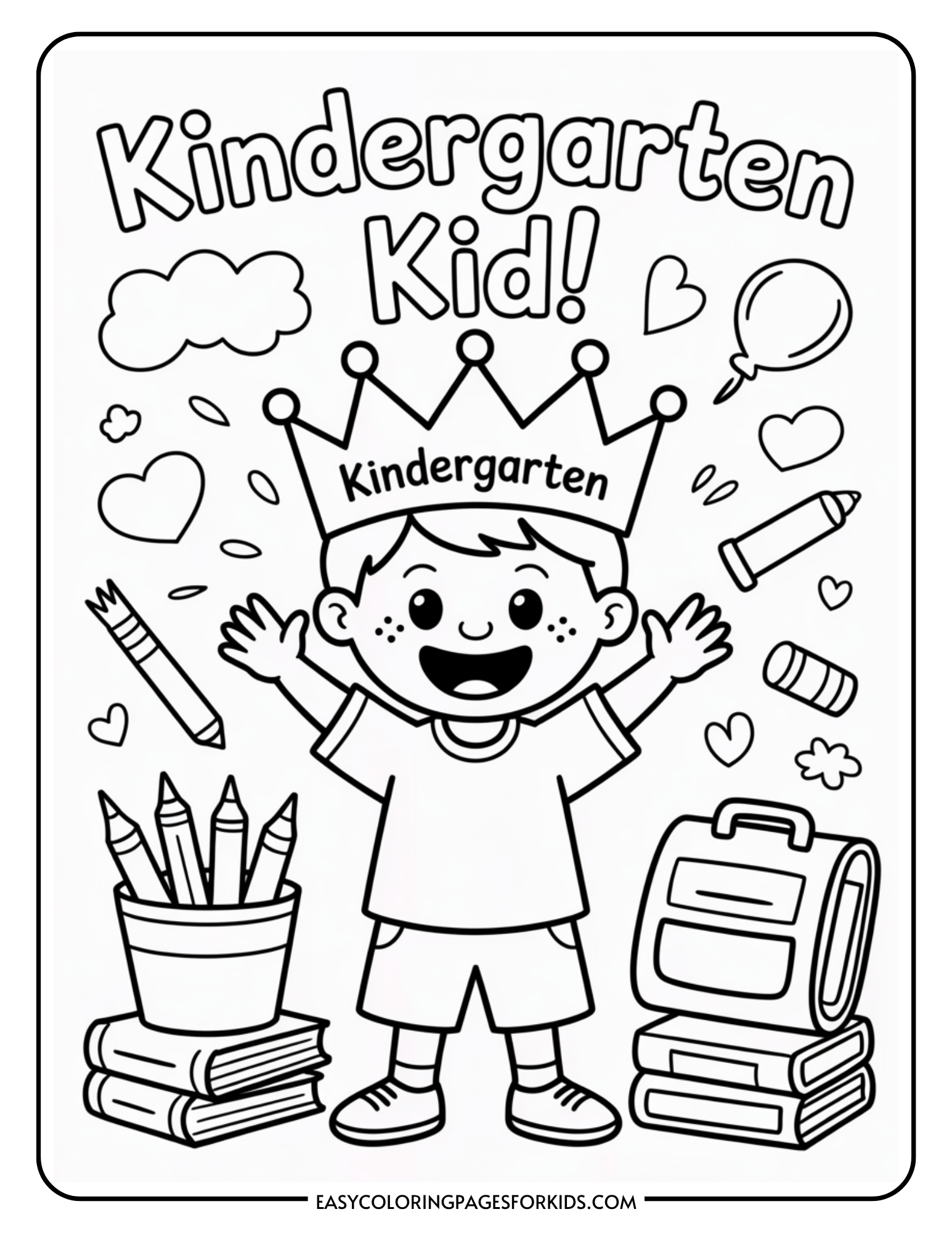
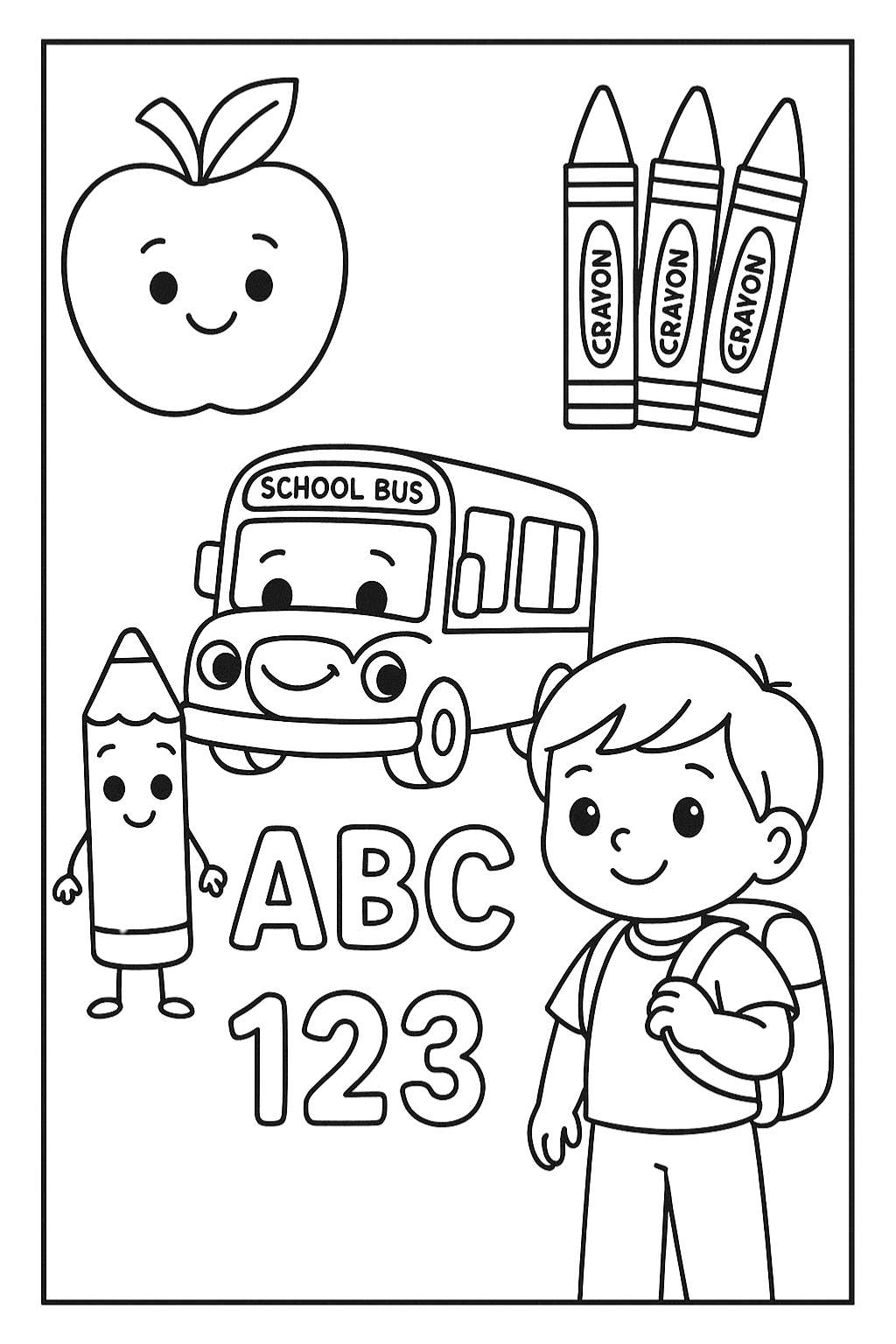
Coloring pages for kindergarten function as foundational instructional tools that systematically bridge fine-motor skill development with early academic concept acquisition through structured printable worksheets. According to the National Association for the Education of Young Children (NAEYC), intentional physical manipulation of writing and coloring implements significantly strengthens the intrinsic muscles required for future handwriting proficiency and cognitive mapping. Utilizing high-quality, targeted Coloring Pages within daily classroom rotations or home-school schedules establishes reliable routines that foster visual-spatial awareness, sustained attention spans, and creative confidence in young learners.
Curriculum Practice Snapshot:
- Core Focus: Developing fine-motor control, hand strength, and early visual literacy through structured printable sheets.
- Target Scope: Early childhood learners in kindergarten classrooms and home-school educational environments.
- Key Recommendation: Pair thematic coloring exercises with corresponding Handwriting & Tracing sheets to reinforce pencil grip and letter formation.
Core Principles and Detailed Overview
Deliberate integration of coloring sheets into early childhood curricula supports multidimensional developmental milestones far beyond simple artistic expression. When children navigate complex boundaries on printable Worksheets, the visual cortex and motor planning centers of the brain communicate to refine bilateral coordination and ocular-motor control. Educators leverage these resources alongside targeted Learning Activities to reinforce cross-curricular themes, including alphabet recognition, phonics matching, and foundational numeracy. Systematic implementation requires selecting illustrations featuring bold outlines, clear spatial orientation, and appropriate scale to prevent visual crowding and cognitive overload in five-year-old learners.
Key Specifications and Breakdown
| Grade / Developmental Stage | Target Learning Skill | Instructional Strategy & Scaffolding |
|---|---|---|
| Early Kindergarten (Months 1-3) | Pencil grip stabilization and boundary awareness | Utilize thick, bold outlines with large contiguous shapes to minimize frustration and build endurance. |
| Mid Kindergarten (Months 4-8) | Cross-midline reaching and pattern recognition | Introduce multi-element designs that require intentional color switching and directional sweeping. |
| Advanced Kindergarten (Months 9-12) | Precision control and detail-oriented coloring | Combine complex illustrations with embedded Teacher Resources like counting prompts or word-tracing borders. |
Intentional fine-motor manipulation and visual-motor integration exercises directly predict early academic readiness and foundational writing stamina — National Center for Education Statistics (NCES)
Step-by-Step Practical Application and Guidelines
Executing an effective coloring session involves a methodical three-step instructional design sequence that maximizes educational value and physical stamina. First, educators introduce the specific printable sheet by explicitly modeling proper tripod grasp, wrist positioning, and directional shading techniques before independent practice begins. Second, students complete the core coloring activity while instructors circulate the room to monitor grip mechanics, posture, and spatial tracking, offering gentle physical prompts or verbal encouragement as needed. Third, facilitators conclude the session with a guided reflection period where learners display finished works, articulate color choices, and connect visual themes to broader classroom units.
Common Challenges and How to Avoid Them
Addressing common physical and cognitive barriers ensures that young learners maintain high motivation and prevent hand fatigue during independent workstation tasks. Premature hand cramping typically results from excessive gripping pressure or poorly sized writing implements, which educators easily mitigate by enforcing relaxed finger placement and introducing triangular ergonomic crayons. Another frequent obstacle involves rushed completion where children scribble carelessly across boundaries; instructors resolve this by establishing positive framing around slow, deliberate stroke movements and celebrating careful boundary tracking rather than speed.
💬 Frequently Asked Questions
Explore More Early Learning and Classroom Resources on Knowalla
Optimizing early childhood education requires access to diverse, high-quality instructional materials that engage young learners while meeting rigorous academic standards. Discover a comprehensive collection of printables, lesson plans, and developmental guides by visiting Knowalla to support every stage of the kindergarten learning journey.
Printable Coloring Page Previews