Introduction
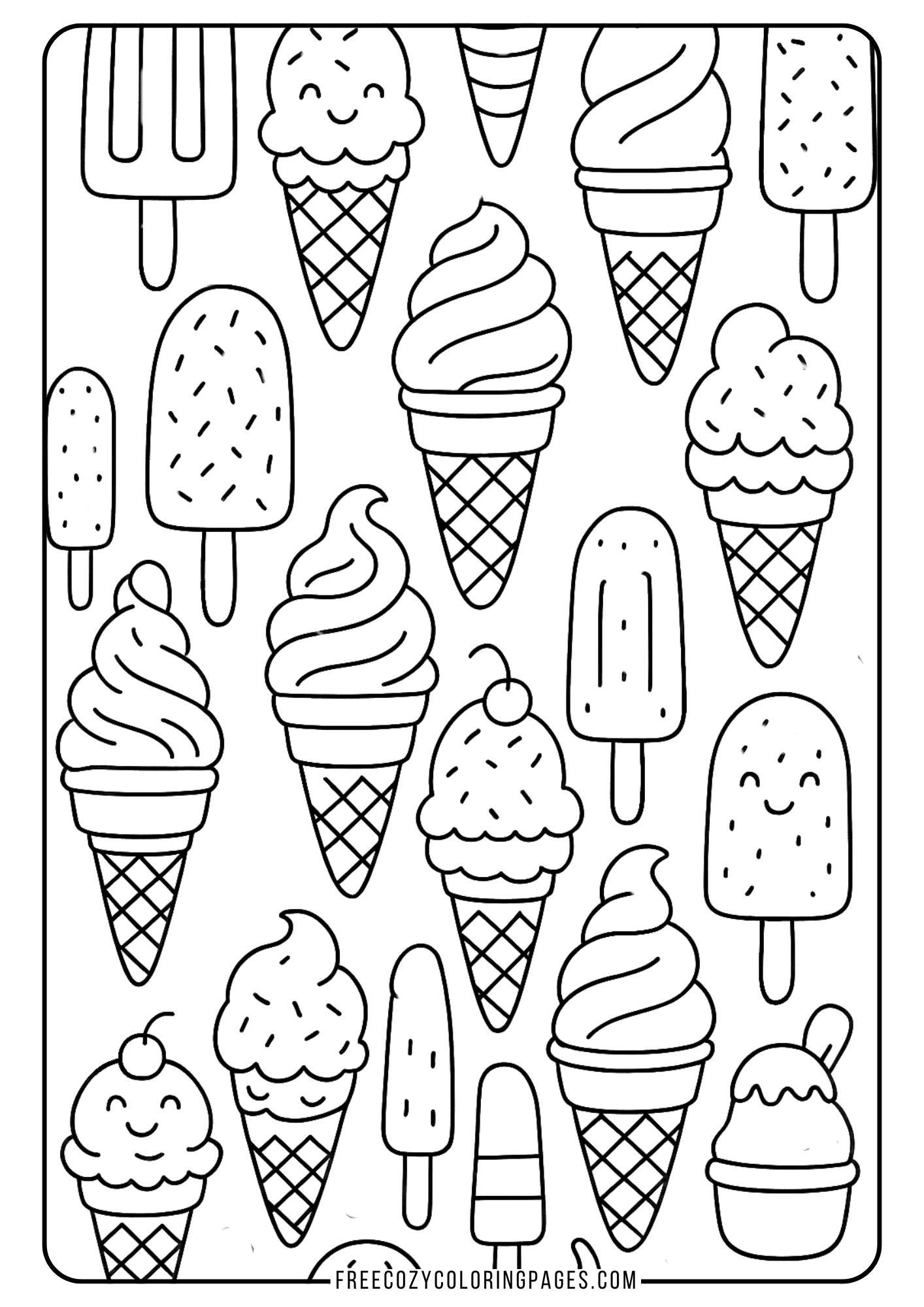
Coloring pages ice cream provide structured, theme-based printable sheets designed to build fine-motor control, hand strength, and early visual discrimination in young learners. According to the National Association for the Education of Young Children (NAEYC), purposeful fine-motor manipulation tasks build the foundational muscle endurance required for sustained handwriting and pencil grip. Integrating these printable resources into early childhood curricula offers a low-pressure pathway for children to practice controlled coloring within defined boundaries. Educational programs utilize engaging visual themes like frozen treats to capture short attention spans, turning creative art time into targeted skill development. Educators seeking diverse selections can explore Coloring Pages to find optimized printables suited for differentiated classroom instruction.
Curriculum Practice Snapshot:
- Core Focus: Developing fine-motor precision, pencil grasp, and spatial awareness using themed ice cream printables.
- Target Scope: Pre-K through Grade 1 classrooms, special education intervention, and home-school environments.
- Key Recommendation: Pair thick-lined ice cream sheets with varied medium types, such as crayons, markers, and colored pencils, to systematically challenge grip strength.
Printable Coloring Page Previews



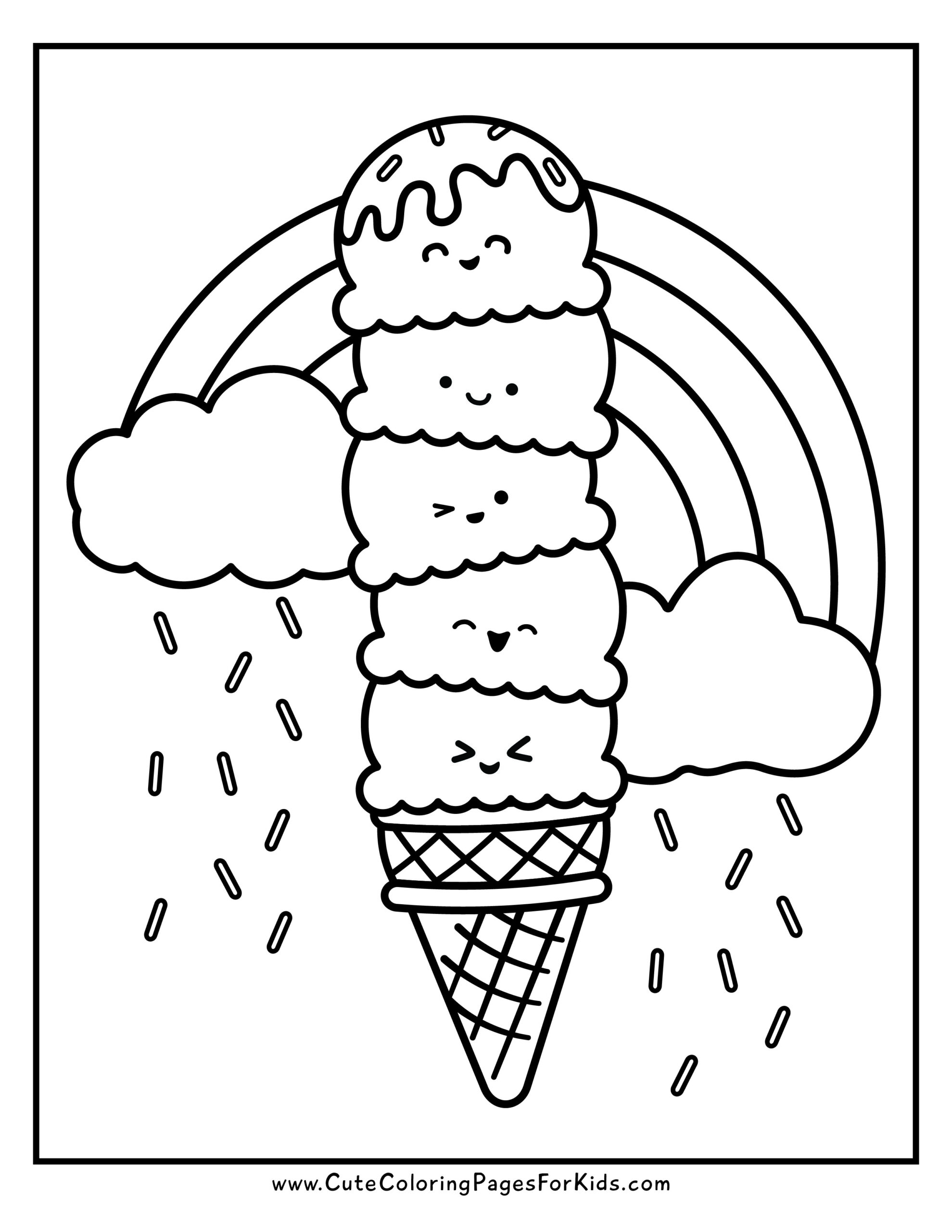

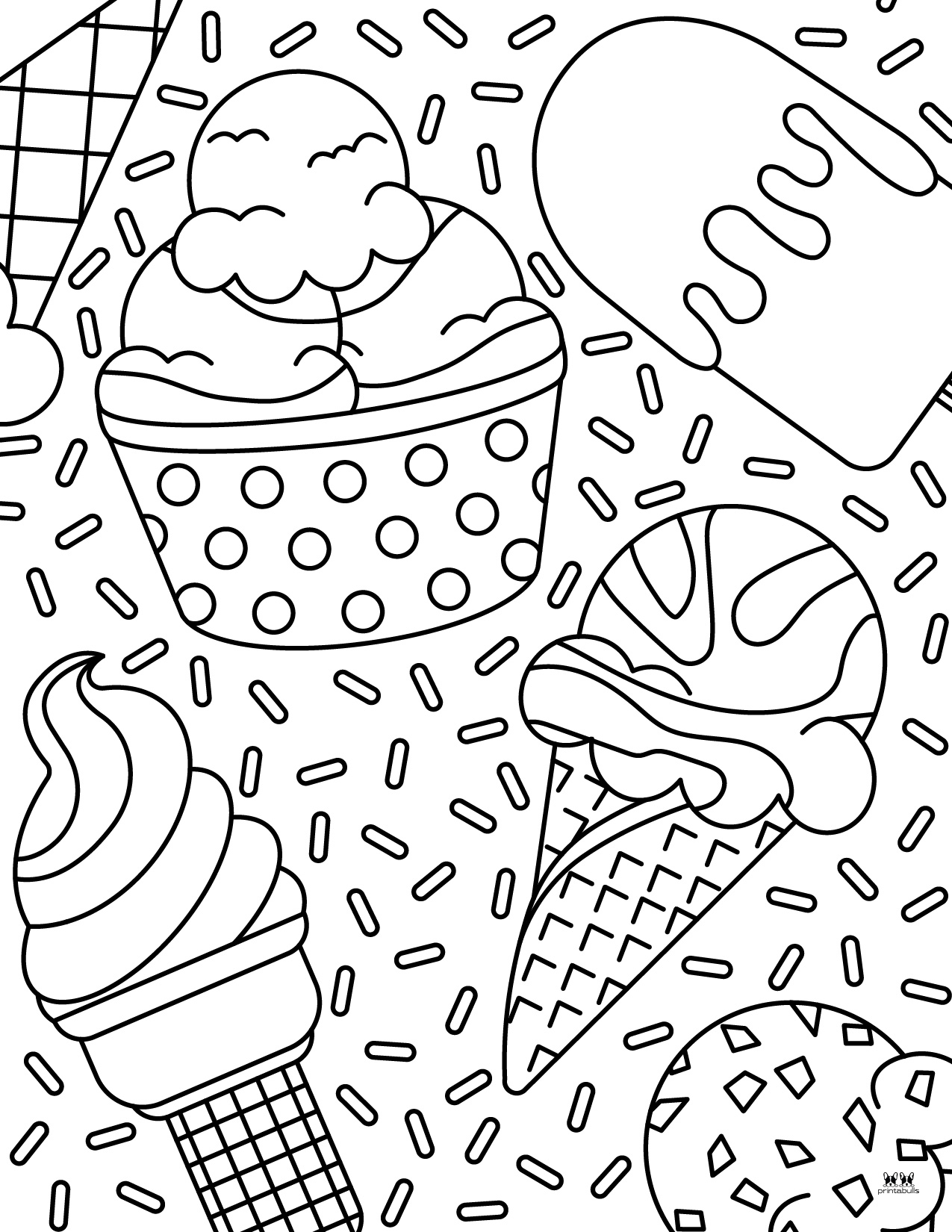

Core Principles and Detailed Overview
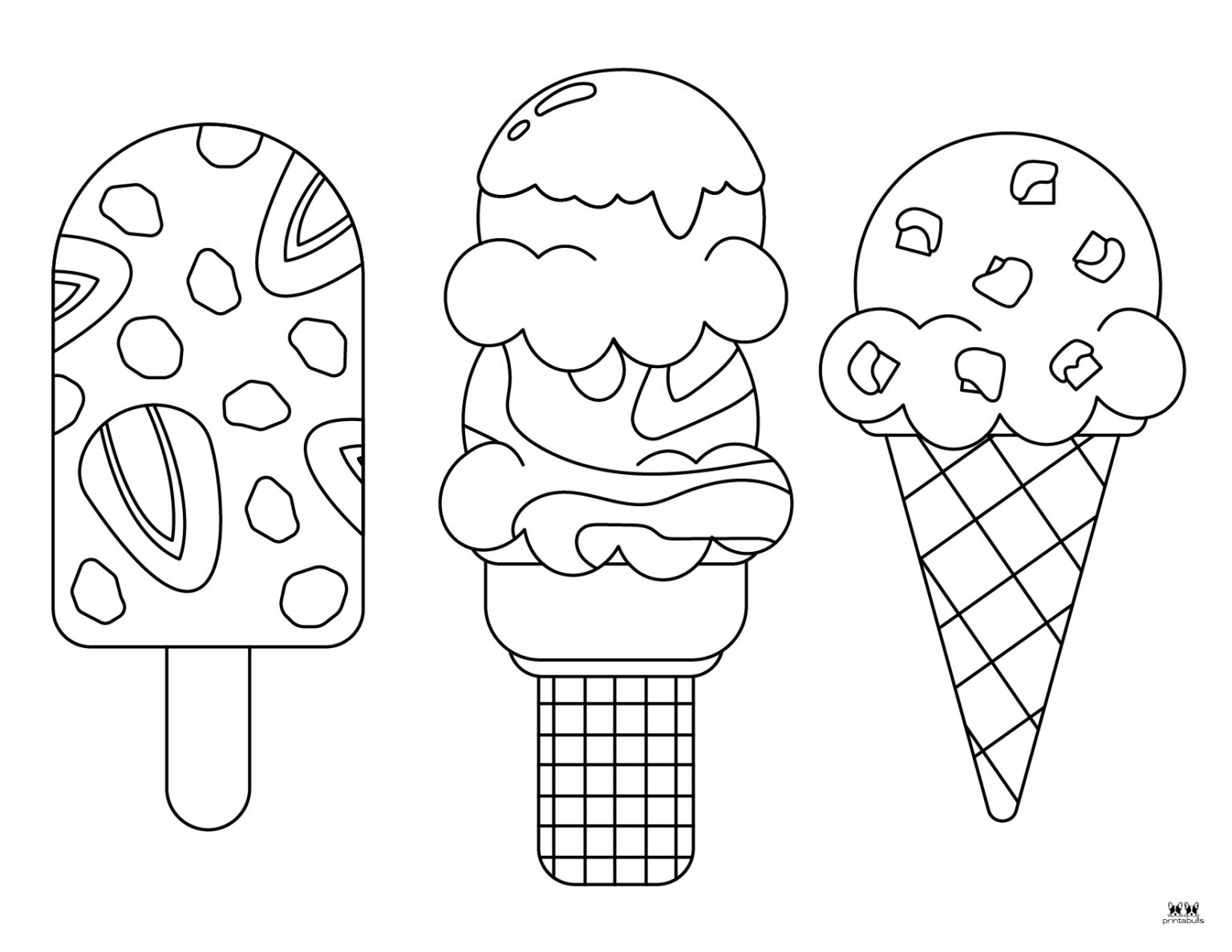
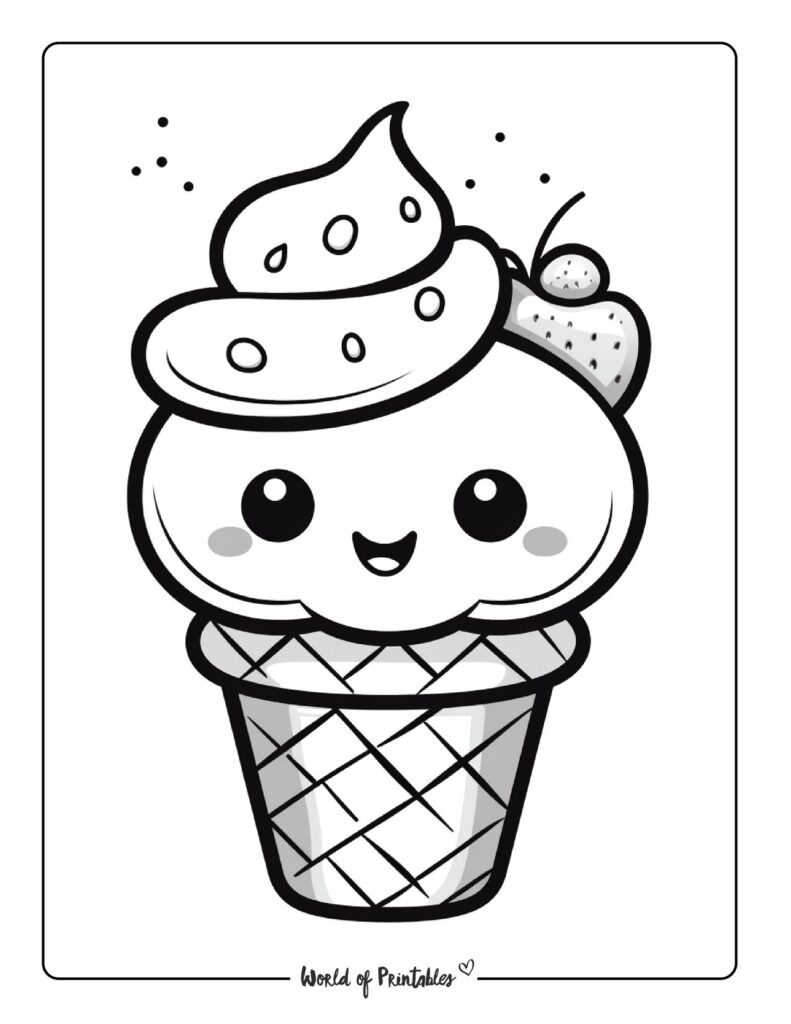
Fine-motor mastery depends heavily on repetitive, engaging exercises that encourage deliberate hand-eye coordination and spatial alignment. Coloring pages ice cream feature distinct shapes—such as overlapping scoops, waffle cones, sprinkles, and cherry toppers—that require children to modulate wrist movement and maintain steady pressure. Structured practice with thematic visuals supports cognitive development by combining creative expression with visual tracking. When children color within intricate patterns, neural pathways associated with visual-spatial processing and executive function activate, strengthening overall readiness for academic Worksheets. Furthermore, targeted coloring exercises serve as an effective transition tool, calming early learners while simultaneously building the finger dexterity needed for advanced Handwriting & Tracing exercises.
Key Specifications and Breakdown
| Grade / Developmental Stage | Target Learning Skill | Instructional Strategy & Scaffolding |
|---|---|---|
| Pre-Kindergarten (Ages 3-4) | Contour boundary adherence and palmar grasp transition | Use thick, bold outline graphics with large scoop sections and minimal internal detail. |
| Kindergarten (Ages 5-6) | Pincer grasp reinforcement and color-matching precision | Incorporate complex waffle patterns and multi-scoop towers requiring deliberate color transitions. |
| First Grade (Ages 6-7) | Sustained fine-motor endurance and shading control | Combine coloring tasks with writing prompts, asking learners to label flavors using Teacher Resources. |