Introduction
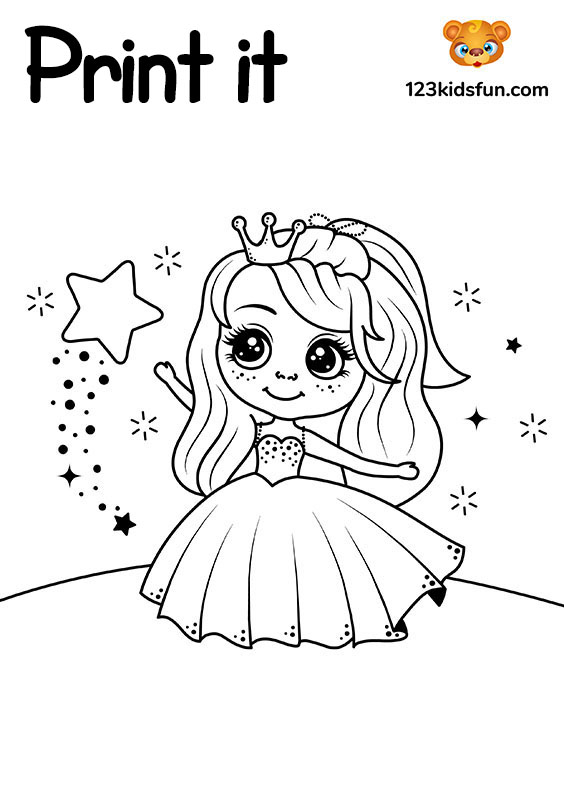
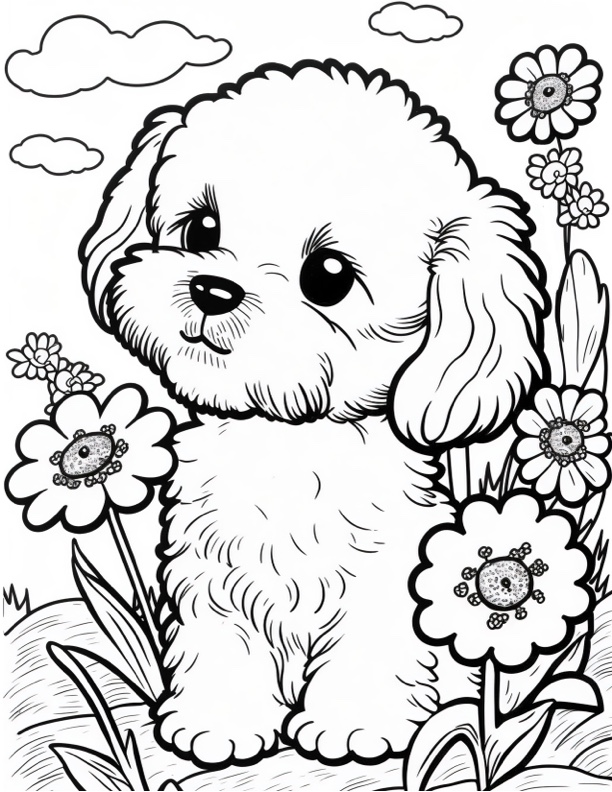
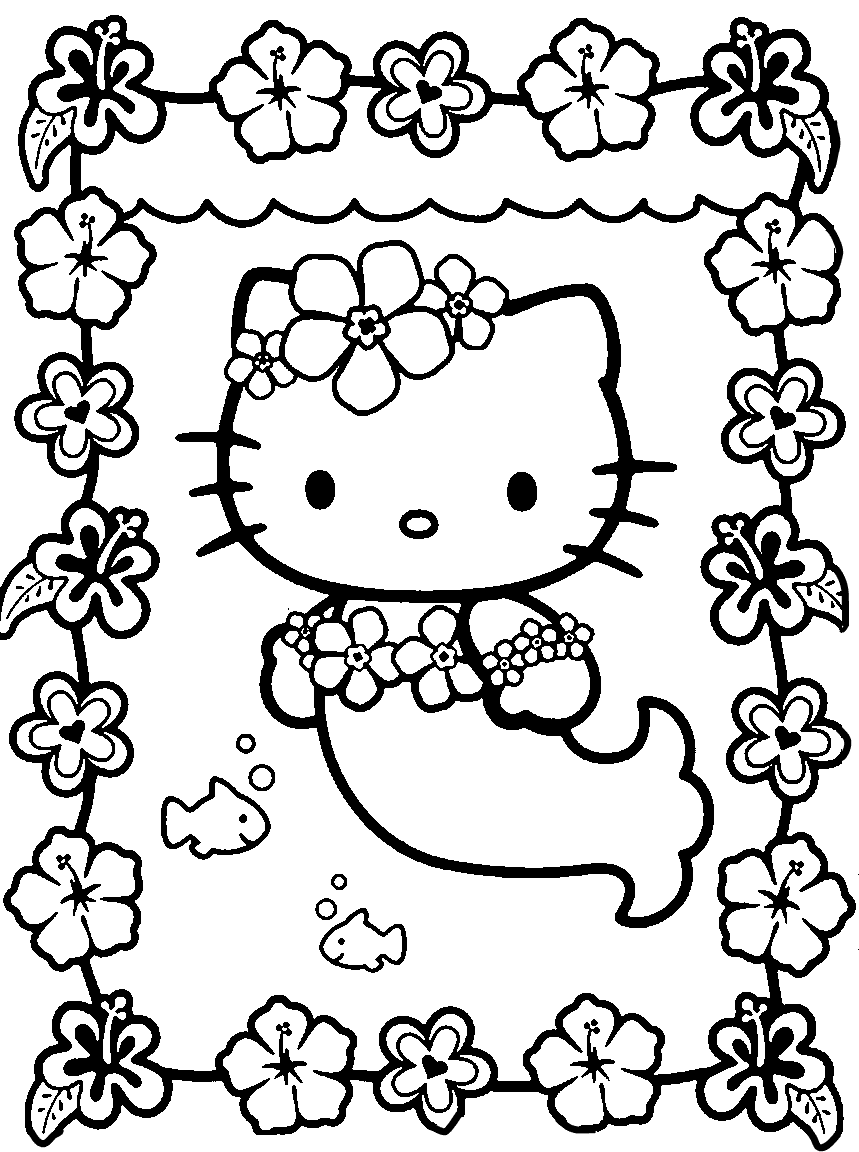
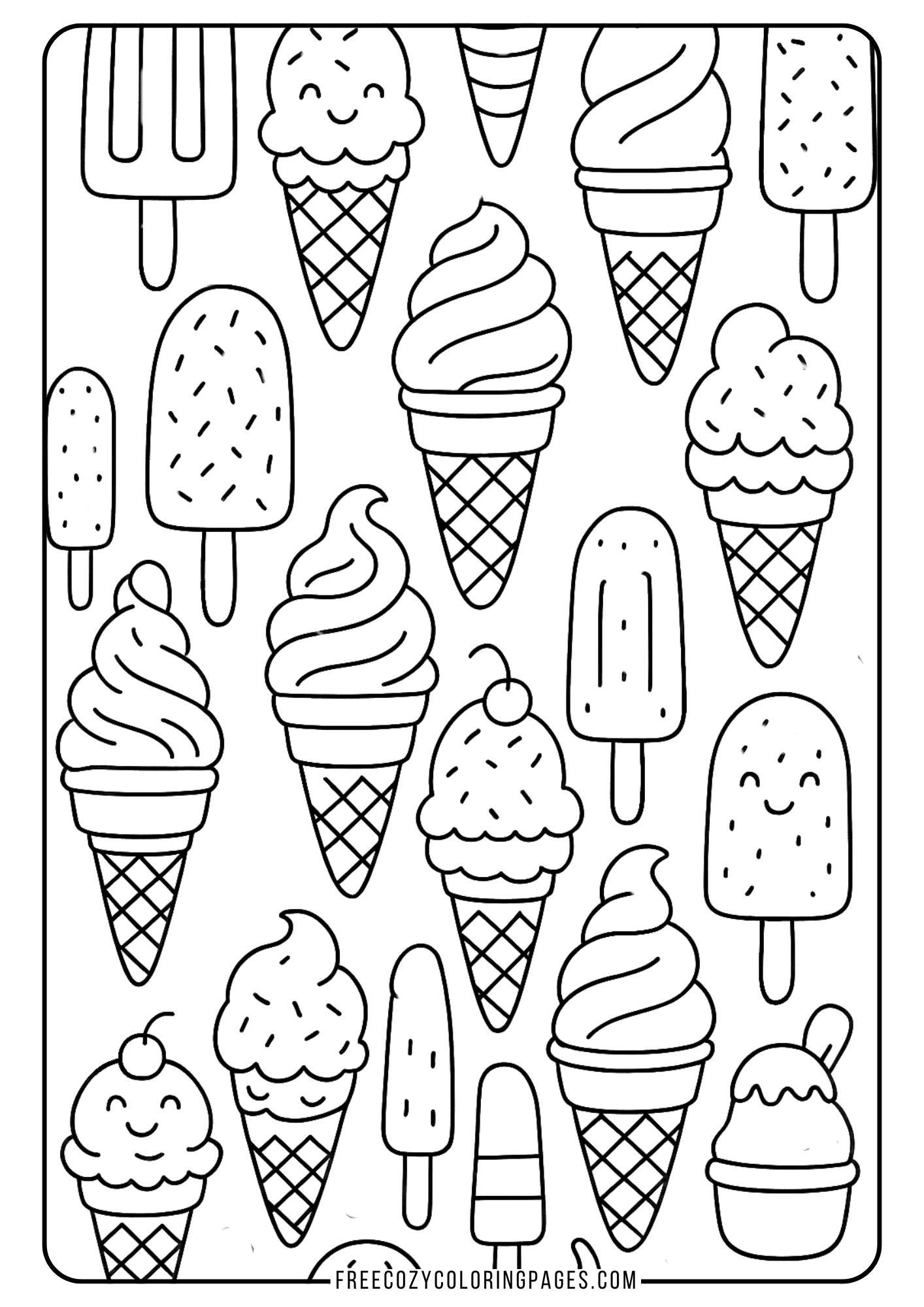
Coloring pages i can print serve as foundational instructional tools that bridge visual art practice with critical early childhood developmental milestones. According to the National Association for the Education of Young Children (NAEYC), purposeful fine-motor manipulation activities such as structured coloring and controlled drawing directly support the neural pathways required for future handwriting proficiency, spatial awareness, and cognitive organization. Educators and homeschool parents frequently search for high-value printable resources to supplement core curricula without requiring complex preparation or expensive materials. Integrating targeted visual sheets into daily routines transforms passive downtime into active, skill-building practice that reinforces letter recognition, color theory, and bilateral coordination. Navigating early childhood development requires intentional material selection, ensuring that every printed asset aligns with specific developmental benchmarks across preschool, kindergarten, and early primary grade bands. Accessing curated collections of Coloring Pages offers educators a reliable method to maintain high student engagement while targeting specific fine-motor objectives.
Curriculum Practice Snapshot:
- Core Focus: Utilizing printable coloring materials to build essential fine-motor control, hand strength, and visual-spatial processing in early learners.
- Target Scope: Early childhood classrooms, special education intervention groups, and homeschool environments serving ages three through eight.
- Key Recommendation: Pair thick-lined visual sheets with structured Handwriting & Tracing exercises to maximize pencil grip transference and dexterity.
Core Principles and Detailed Overview
Fine-motor mastery through coloring pages i can print relies upon consistent ergonomic positioning, appropriate writing utensil selection, and progressive complexity in visual boundary design. Children in early childhood stages develop intrinsic hand muscles by gripping crayons, colored pencils, and safety markers to fill bounded shapes, which directly translates to letter formation and scissor control. Instructional designers emphasize that optimal printable assets feature distinct outlines, age-appropriate thematic content, and clear spatial anchors that prevent cognitive overload while encouraging creative expression. Teachers integrate these resources into thematic units alongside broader Learning Activities to reinforce science, mathematics, and literacy concepts through tactile engagement. Selecting the correct paper weight—such as standard cardstock or heavy bond paper—prevents bleed-through and ensures that the finished product remains durable for portfolio display or tactile exploration.
Key Specifications and Breakdown
| Grade / Developmental Stage | Target Learning Skill | Instructional Strategy & Scaffolding |
|---|---|---|
| Preschool (Ages 3-4) | Palmar and digital grasp development, boundary awareness | Use thick, bold outlines with large shapes to encourage gross-to-fine motor control and color identification. |
| Kindergarten (Ages 5-6) | Pincer grasp refinement, stamina, spatial orientation | Incorporate complex geometric patterns and dual-purpose Worksheets combining coloring with counting. |
| Early Primary (Ages 7-8) | Detailed shading, sustained focus, bilateral coordination | Provide intricate thematic illustrations that demand careful edge control and deliberate color blending. |
Structured fine-motor interventions implemented consistently during early childhood education strongly correlate with improved spatial reasoning and foundational literacy readiness — What Works Clearinghouse (IES)
Step-by-Step Practical Application and Guidelines
Implementing coloring pages i can print effectively requires a structured three-step instructional sequence that moves from physical preparation to guided execution and independent reflection. First, educators must assess the current fine-motor capabilities of the learning group, selecting visual sheets that match exact grip abilities—ranging from simple bold-line graphics for beginners to intricate botanical or mathematical patterns for advanced students. Second, establish proper ergonomic habits by verifying that seating arrangements allow feet to rest flat on the floor and elbows to rest comfortably at a ninety-degree angle, preventing early hand fatigue during extended sessions. Third, guide learners through intentional coloring techniques, encouraging deliberate stroke directions, edge awareness, and purposeful color choices that connect the visual art activity back to current Teacher Resources and curriculum objectives.
Common Challenges and How to Avoid Them
Over-reliance on unstructured coloring without clear pedagogical goals often leads to rushed completion, poor pencil grip habits, and a missed opportunity for meaningful skill acquisition. Educators can eliminate these issues by setting specific behavioral and motor objectives for each session, such as focusing on staying within designated lines or practicing a newly introduced tripod grasp. Another frequent obstacle involves selecting images that feature excessive visual clutter, which can overwhelm young learners and cause frustration; addressing this requires curating simplified, uncluttered graphics that promote sustained attention. Furthermore, providing inadequate writing instruments can hinder progress, making it essential to supply properly sized crayons, triangular grip pencils, or washable markers that naturally encourage correct finger placement.
💬 Frequently Asked Questions
Explore More Early Learning and Classroom Resources on Knowalla
Discovering high-quality, educator-approved printables transforms everyday lesson planning into an efficient, engaging process. Knowalla provides an extensive library of structured instructional assets designed to support early childhood development, foundational literacy, and essential classroom management goals.
Printable Coloring Page Previews